

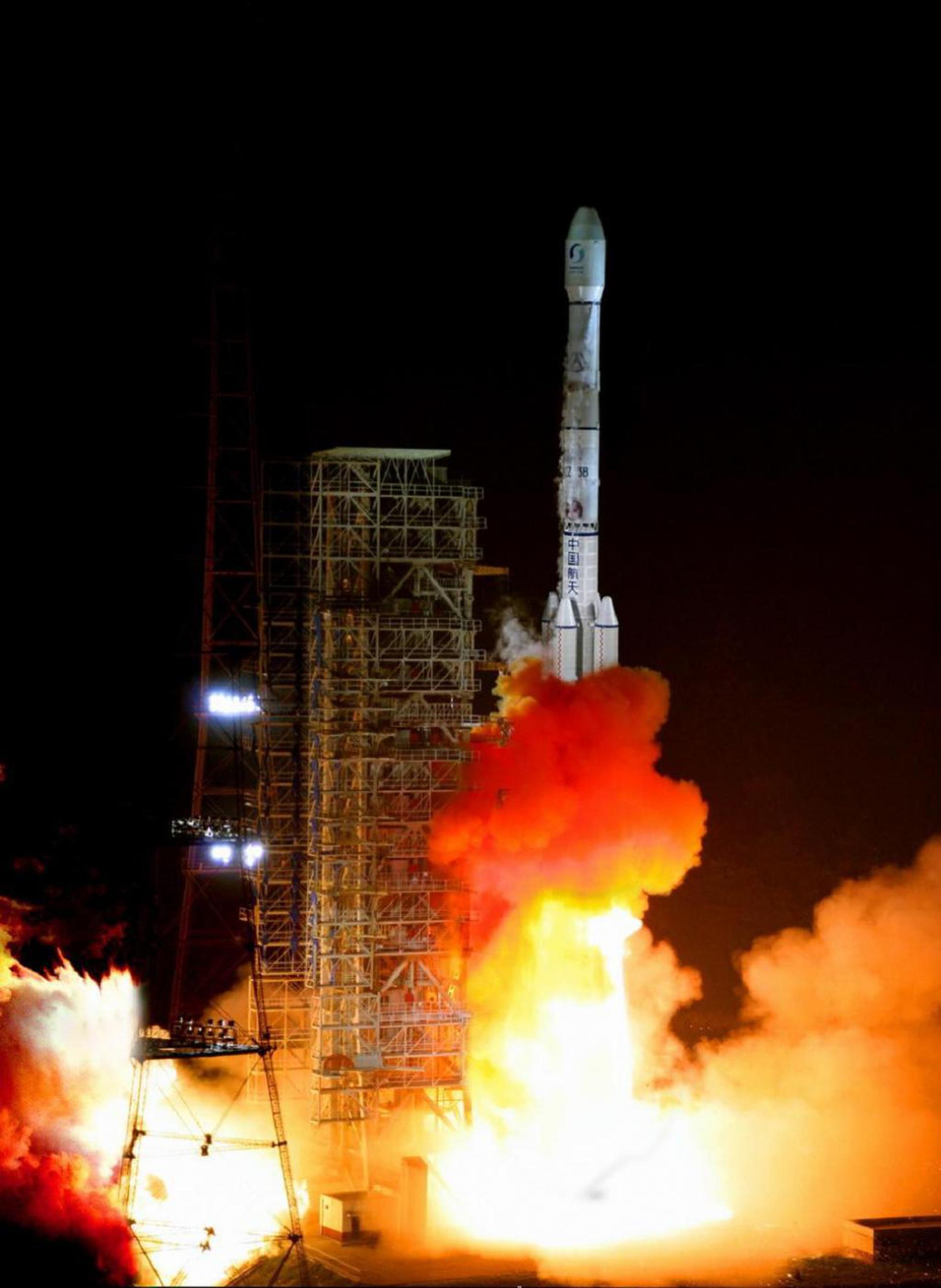
Space Brief 19 May 2025
Today's space brief covers new ultraviolet data from the Europa Clipper, challenges in managing space debris, quantum advances in satellite technology, as well as a failed Indian satellite launch and more.



Launch Date
February 22, 1986
Launch Site
FRGUI
Launch Pad
ELA1
Launch Vehicle
Ariane 1
NORAD ID
18145
International Designator
1986-019PN
Decay Date
6/15/1991
Name
ARIANE 1 DEB
Alternative Name
deb Ariane V16
Type
Status
Owner
AE
Country
France
Constellation
N/A
Related Satellites
Major Events
N/A
Length
0
Diameter
0
Span
0
Dry Mass
0
Launch Mass
0
Shape
N/A
Radar Cross Section
0.0069
Visual Magnitude
Unknown
Color
Unknown
Material Composition
Unknown
Payload
Unknown
Purpose
Unknown
Mission
Unknown
Manufacturer
Unknown
Life Expectancy
Unknown
Bus
Unknown
Configuration
Unknown
Motor
Unknown
Equipment
Unknown
Power System
Unknown
ADCS
Unknown
Transmitter Frequency
Unknown
Learn more about satellites and other related topics.
Today's space brief covers new ultraviolet data from the Europa Clipper, challenges in managing space debris, quantum advances in satellite technology, as well as a failed Indian satellite launch and more.

For nearly two decades, the U.S. Air Force and Space Force have been the world's unofficial civilian space traffic control system. The Department of Commerce's Traffic Coordination System for Space (TraCSS) is now taking over that job for commercial satellite operators - in stages, against persistent congressional pressure to kill the program, and with Department of Defense advocates pushing to make it happen before it is too late.
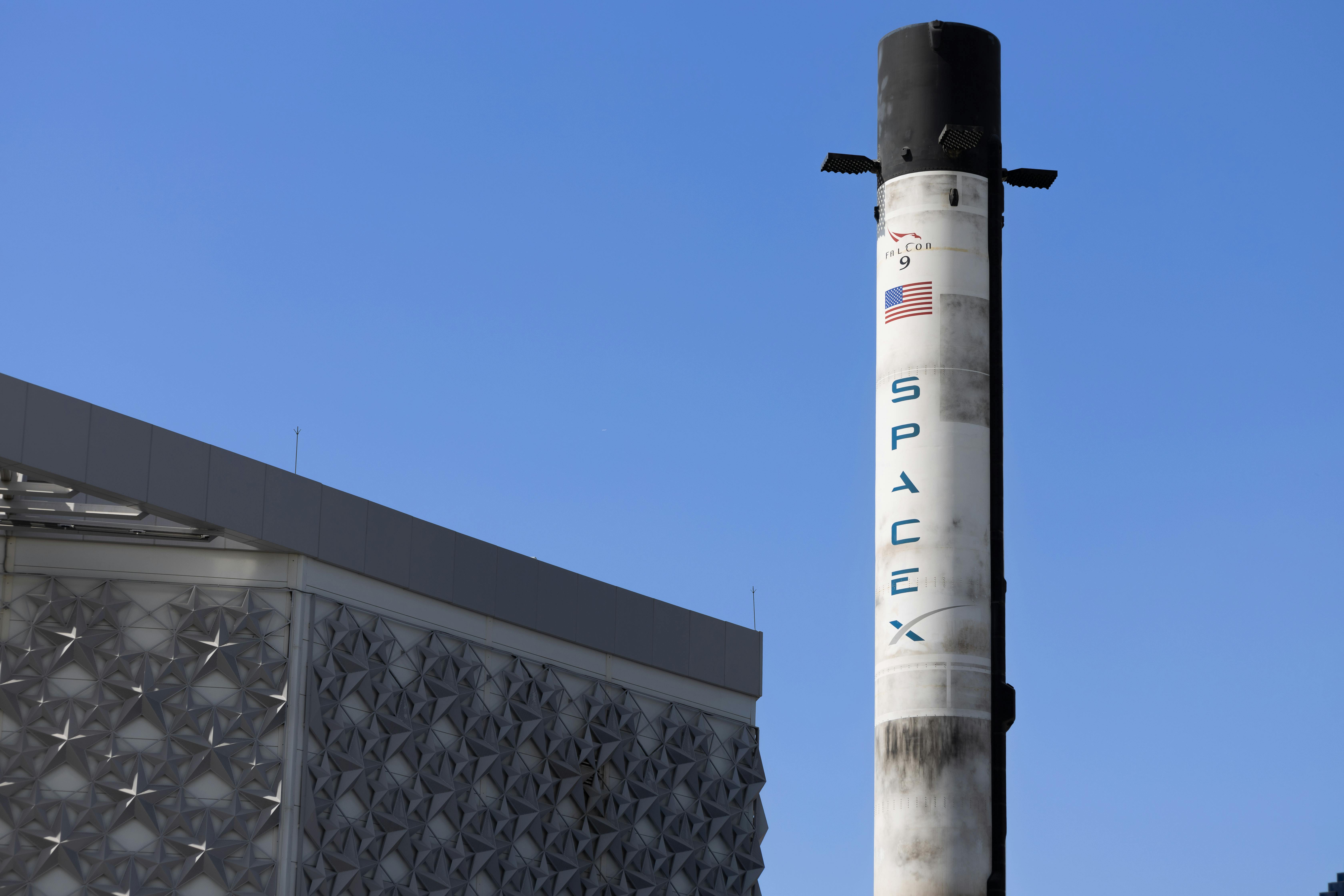
SpaceX celebrates 600th Falcon 9 launch from Vandenberg. Predawn President's Day Starlink mission marks 10th Cape Canaveral launch of 2026. ISS crew boosted back to seven.
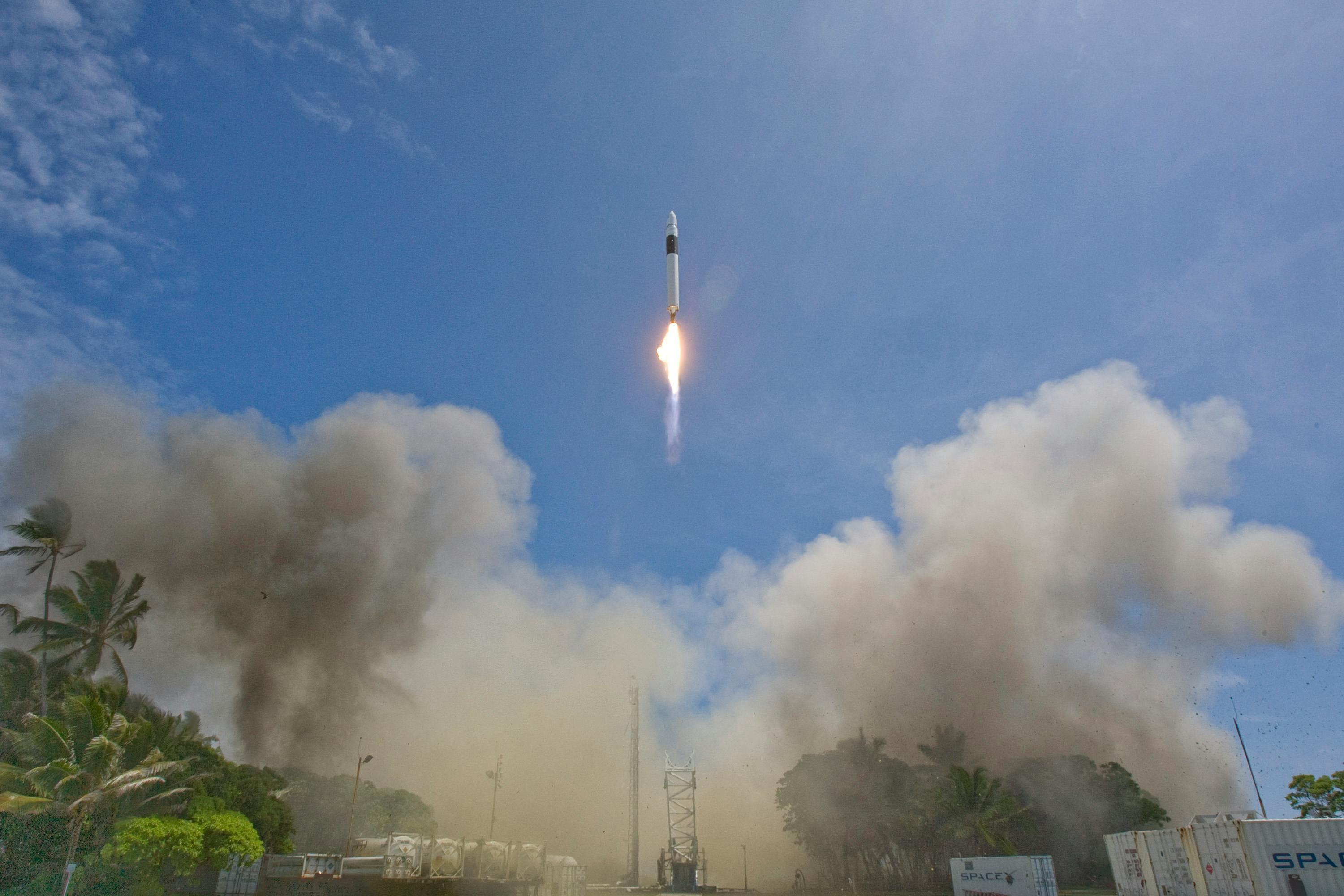
SpaceX successfully launched 29 Starlink satellites, marking the start of a busy month for their satellite deployment efforts. The mission is part of an ongoing expansion of their broadband internet constellation.
Artemis 2 astronauts completed first crewed lunar flyby since Apollo 17, traveling 690,000 miles aboard Orion. Four crew validated deep-space systems.
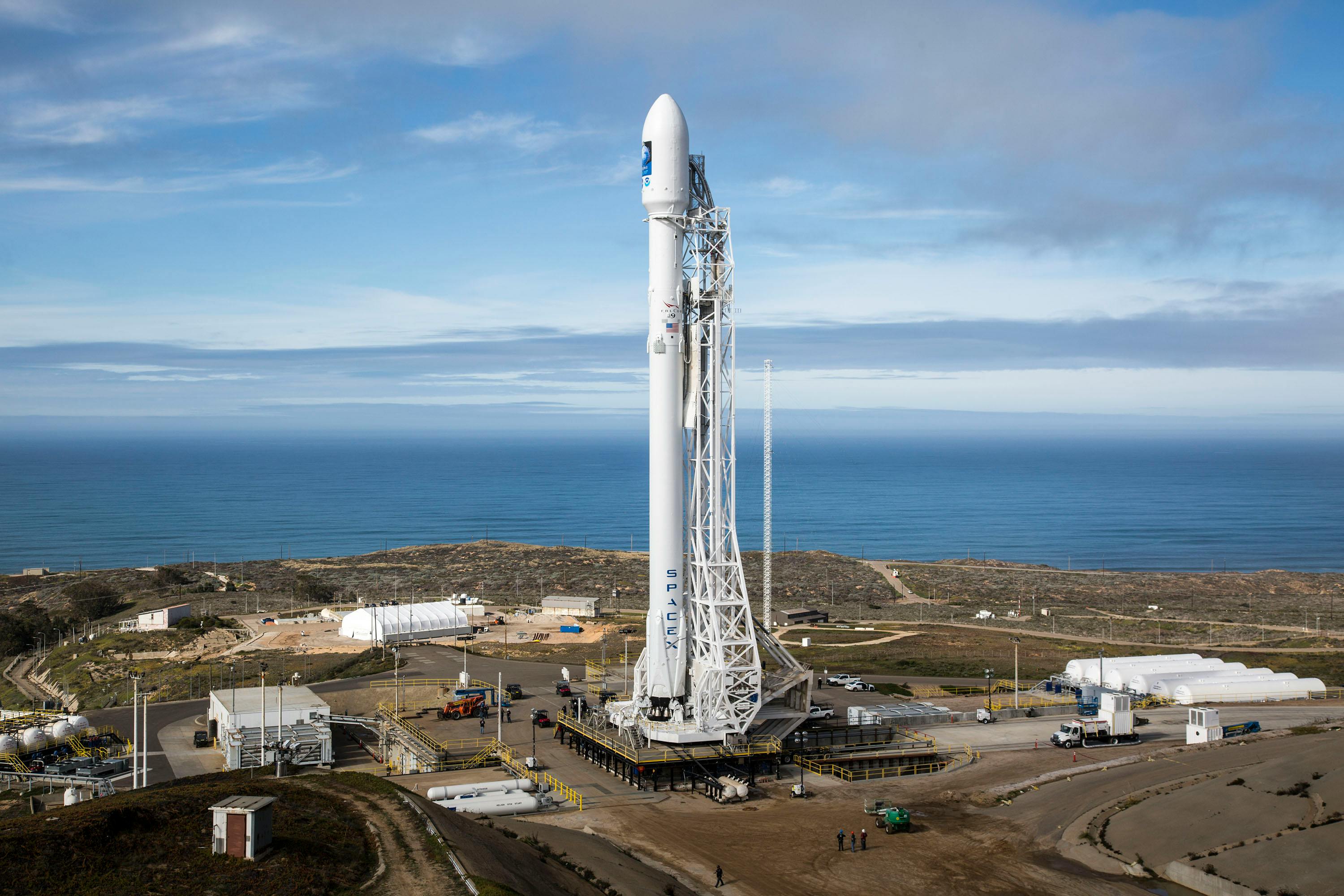
SpaceX's Crew-10 astronauts are set to return to Earth, while Impulse Space takes strides in spacecraft capabilities. Additionally, SpaceX prepares to launch 24 Amazon Project Kuiper satellites.
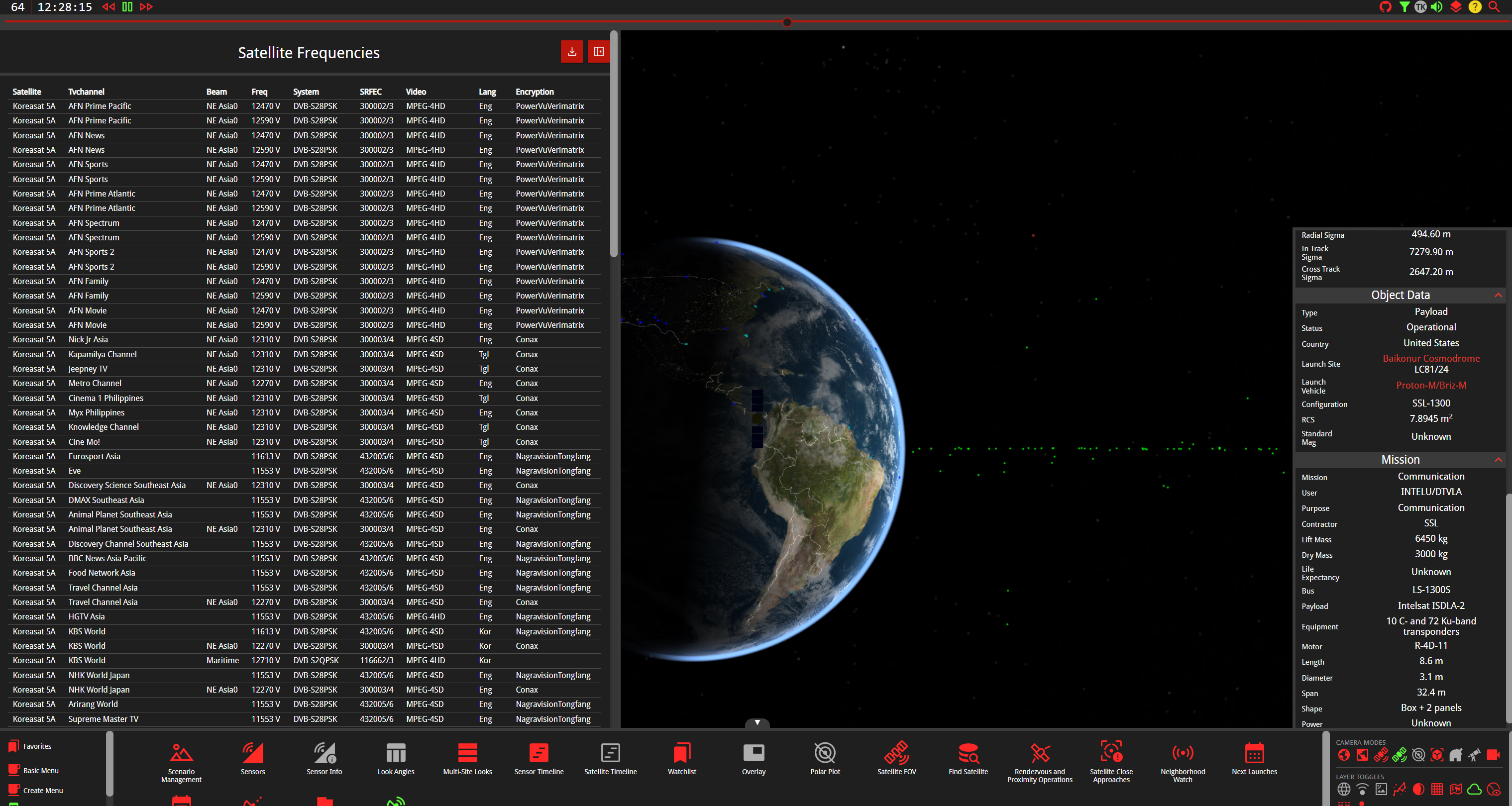
The workhorse frequency band that quietly powers satellite communications, weather radar, and Wi-Fi around the world

Crew-11 astronauts arrive in Houston following first-ever ISS medical evacuation. Starlink continues robust satellite deployment schedule with ongoing constellation expansion.