


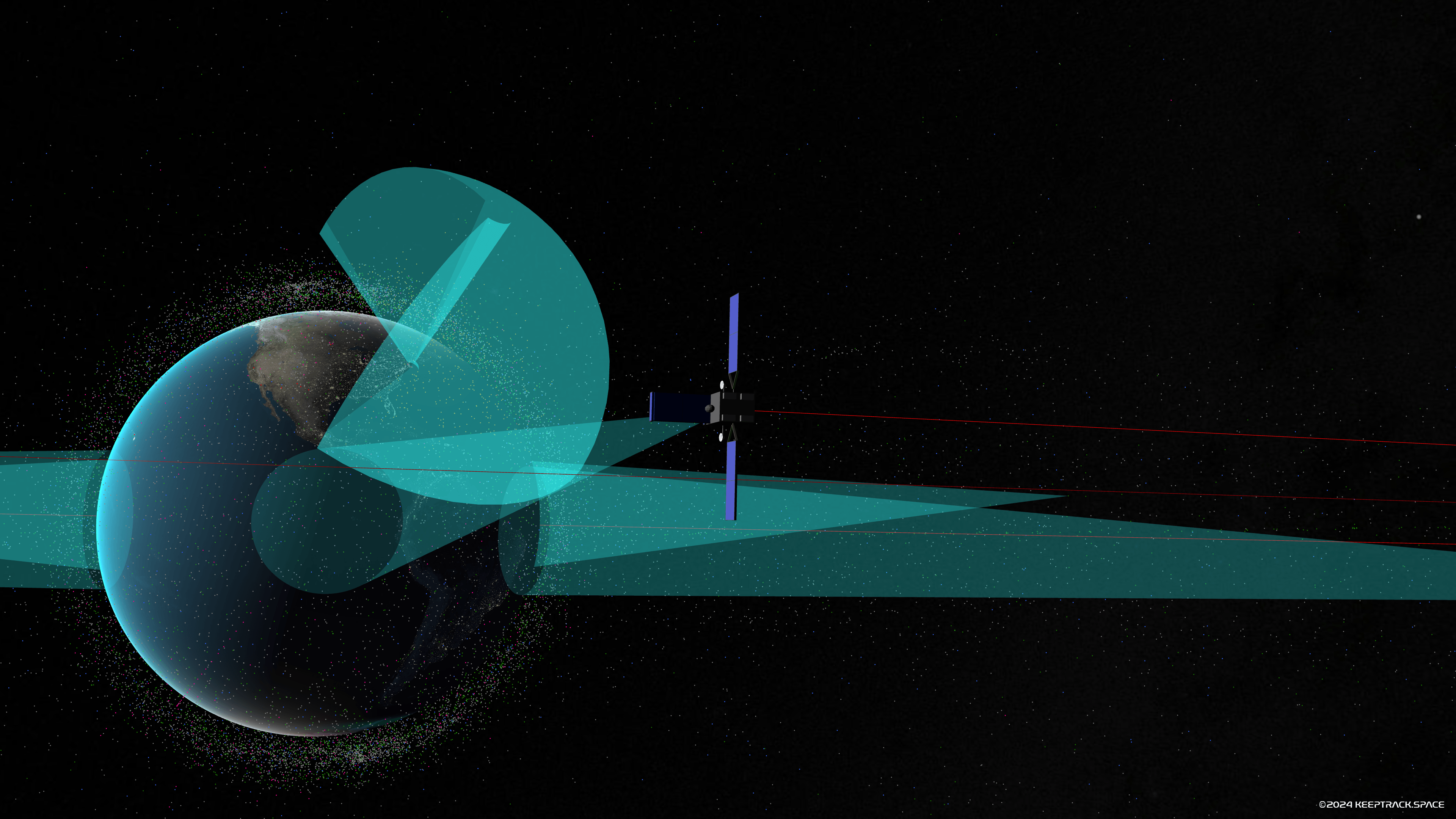
Version 10.0.0 Release Notes
The latest update introduces 3D satellite FOV cones, advanced sensor capabilities, and enhanced timelines, improving the way users interact with satellite data.


Launch Date
June 18, 1987
Launch Site
Launch Pad
LC90
Launch Vehicle
Tsiklon-2
NORAD ID
18122
International Designator
1987-052A
Epoch
Fri, 03 Jul 2026 20:25:27 GMT
Apogee
Calculating...
Perigee
Calculating...
Inclination
65.01°
Right Ascension
346.24°
Eccentricity
Calculating...
Argument of Perigee
204.91°
Period
103.97 min
Mean Motion
13.85 rev/day
Latitude
Calculating...
Longitude
Calculating...
Altitude
Calculating...
Velocity
Calculating...
Name
COSMOS 1860
Alternative Name
Kosmos-1860
Type
Status
Owner
VMF
Country
USSR
Constellation
N/A
Related Satellites
Major Events
N/A
1 18122U 87052A 26184.85101216 -.00000066 00000-0 20167-4 0 9994
2 18122 65.0115 346.2394 0053878 204.9103 154.9357 13.84970343975125
Source: Celestrak
Length
5.8
Diameter
1.3
Span
5.8
Dry Mass
1154
Launch Mass
1154
Shape
Cyl
Radar Cross Section
2.2887
Visual Magnitude
Unknown
Color
Unknown
Material Composition
Unknown
Payload
US-A No. 345 ROCh
Purpose
Ocean surveillance, active radar
Mission
Ocean surveillance, active radar
Manufacturer
ARSL/KOMET
Life Expectancy
Unknown
Bus
US-A reactor
Configuration
US-Bus
Motor
Unknown
Equipment
Radar
Power System
BES-5 nuclear reactor
ADCS
Unknown
Transmitter Frequency
Unknown
Learn more about satellites and other related topics.
The latest update introduces 3D satellite FOV cones, advanced sensor capabilities, and enhanced timelines, improving the way users interact with satellite data.
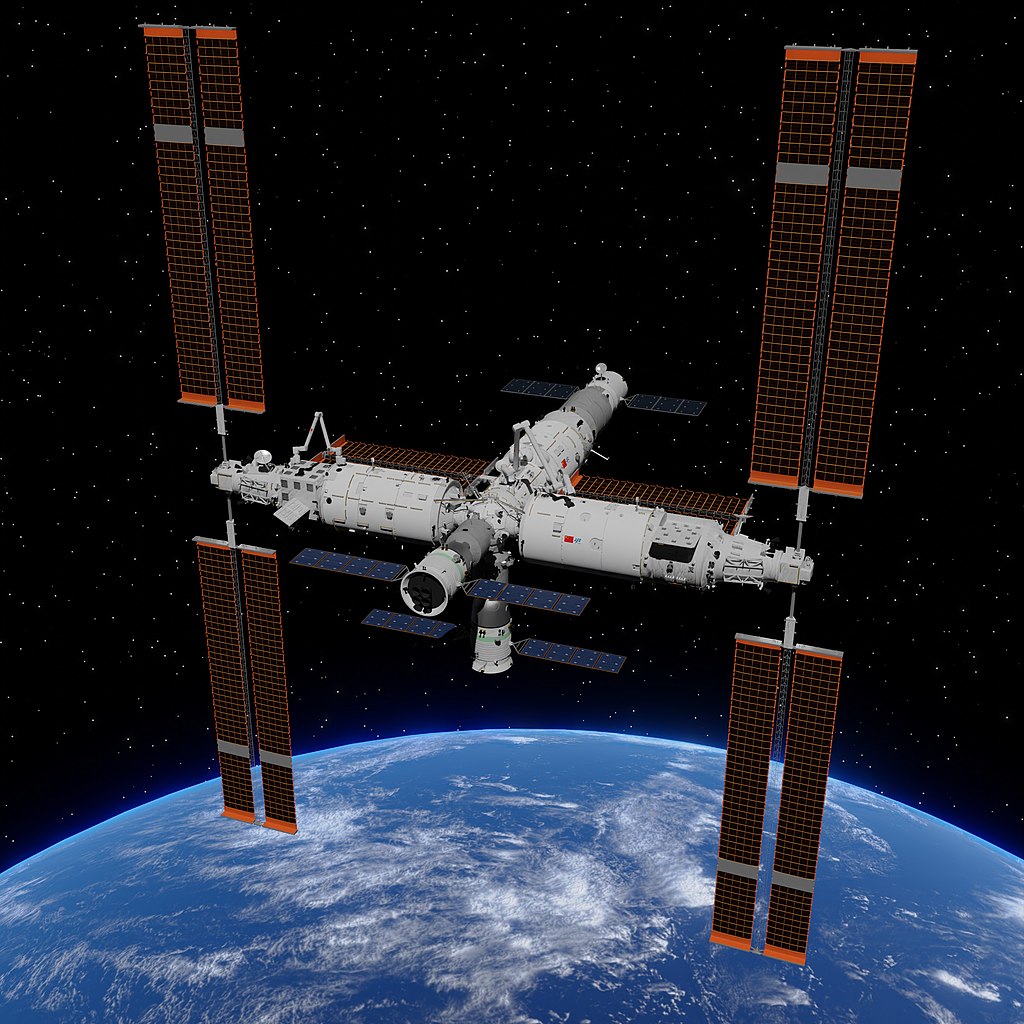
Today's briefing covers China's successful Shenzhou 19 launch to the Tiangong space station, NASA's upcoming spacewalks plan after a spacesuit issue, and innovative propulsion research for space journeys.

Today's brief covers the Army's move to create a space career field for enlisted soldiers, Terran Orbital's involvement in a Space Force tech program, advancements in missile warning systems, a first flight test by Inversion Space, and more.
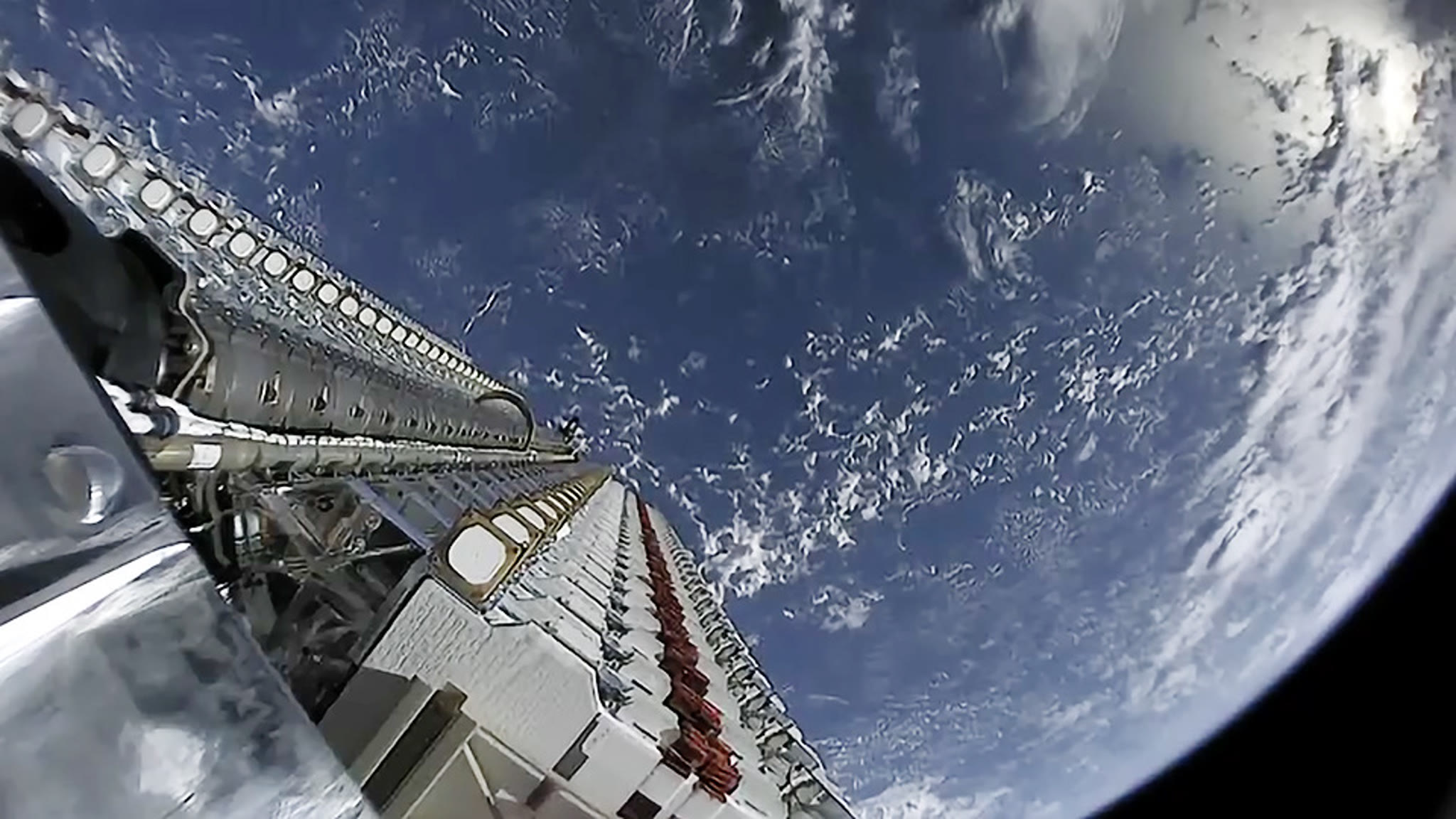
Starlink satellites fired their thrusters to dodge a collision roughly 300,000 times in 2025, about 822 times a day. Behind that number is a fragile, half-automated system of warnings, probabilities, and judgment calls that decides which close approaches are worth a maneuver and which are just noise.

SpaceX's ongoing challenges with the Starship Flight 10 launch are prominent today, as weather and technical issues continue to push back the schedule. Meanwhile, successful cargo missions to the ISS highlight the company's ongoing commitment to space operations.
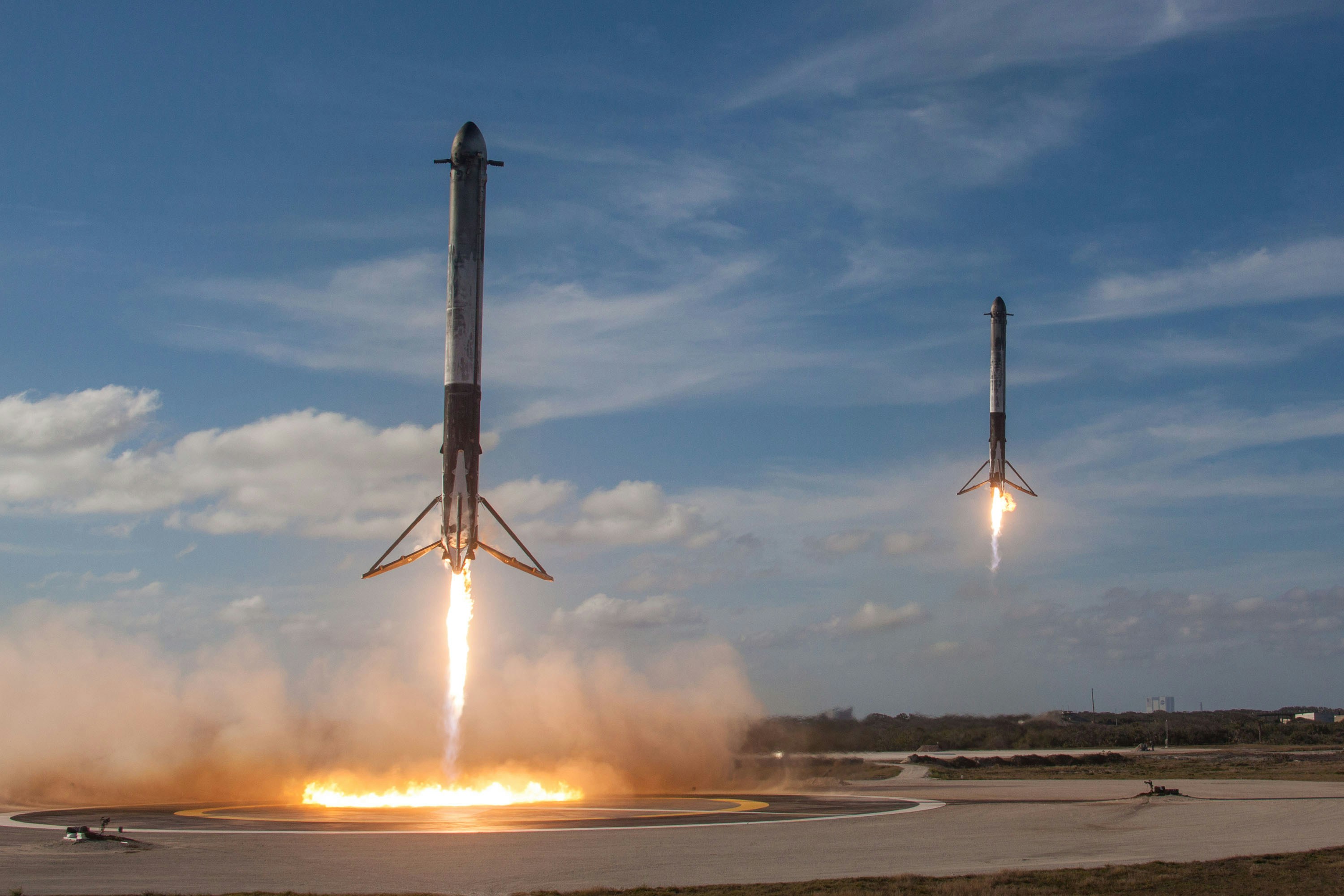
SpaceX successfully launched its ninth Starlink mission of the month, boosting broadband coverage with additional satellites deployed from both coasts. The latest missions underscore the company's commitment to expanding global internet access.
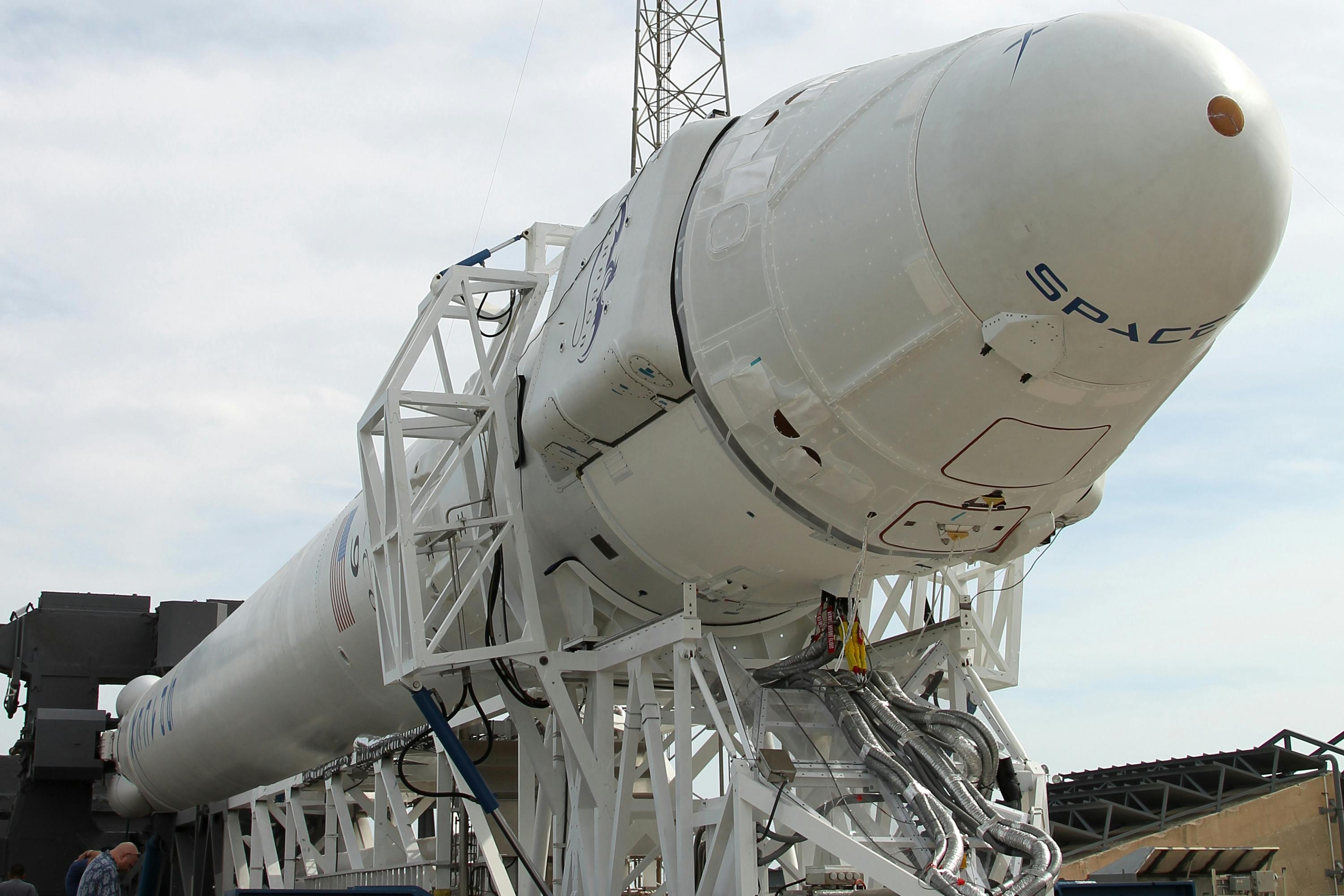
SpaceX targets July 16 for Starship Flight 13 from Starbase, aiming to fix Flight 12 issues and deploy working Starlink satellites.
Rocket Lab's successful Electron return to flight, China's third Shenlong mission, lessons from Virgin Orbit's failure in the UK, Hubble's 30-year post-repair anniversary, and a summary of recent global launches.