

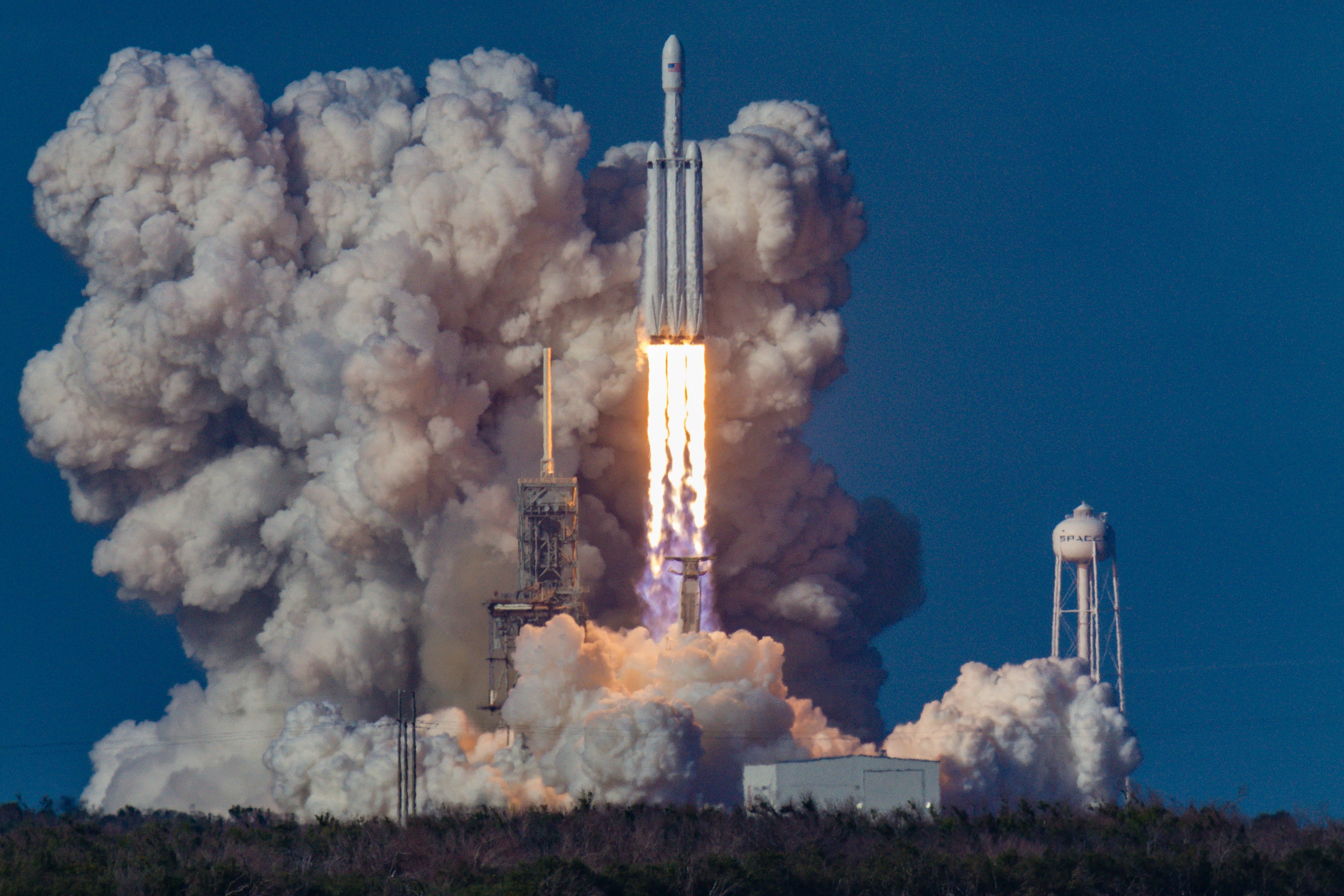
X Report 1 Jul 2025
SpaceX gears up for an exciting July with a doubleheader launch planned for the east coast and ongoing advancements in Starlink technology.



Launch Date
May 28, 1987
Launch Site
PLMSC
Launch Pad
LC43/4
Launch Vehicle
Soyuz-U
NORAD ID
18100
International Designator
1987-047G
Decay Date
11/18/1987
Name
COSMOS 1848 DEB
Alternative Name
Blenda
Type
Status
Owner
UNKS
Country
USSR
Constellation
N/A
Related Satellites
Major Events
N/A
Length
1
Diameter
0.4
Span
1
Dry Mass
20
Launch Mass
20
Shape
Box
Radar Cross Section
3.33
Visual Magnitude
Unknown
Color
Unknown
Material Composition
Unknown
Payload
Sunshade
Purpose
Unknown
Mission
Unknown
Manufacturer
TSSKB
Life Expectancy
Unknown
Bus
Zenit BZA
Configuration
Unknown
Motor
Unknown
Equipment
Unknown
Power System
Unknown
ADCS
Unknown
Transmitter Frequency
Unknown
Learn more about satellites and other related topics.
SpaceX gears up for an exciting July with a doubleheader launch planned for the east coast and ongoing advancements in Starlink technology.

Today's brief highlights the launch of United Airlines' Starlink Wi-Fi on passenger flights, updates on Starship development, and SpaceX's push to position Starlink as a GPS alternative in recent FCC discussions.
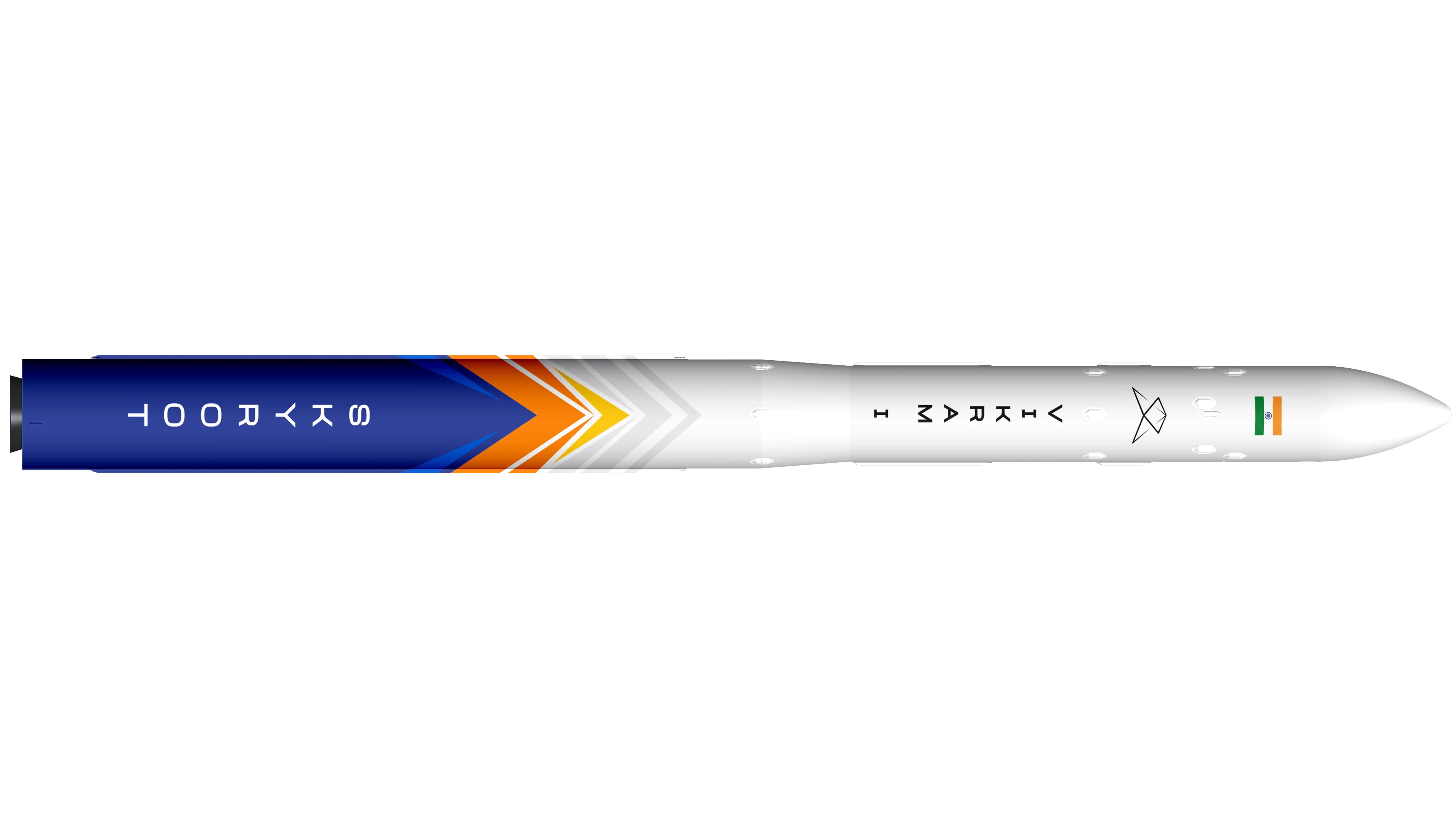
SpaceX rideshare Falcon 9 deployed 81 payloads including military tech demos to sun-synchronous orbit. China's Long March 10B and India's Vikram-I both debut this week among 6 scheduled launches.
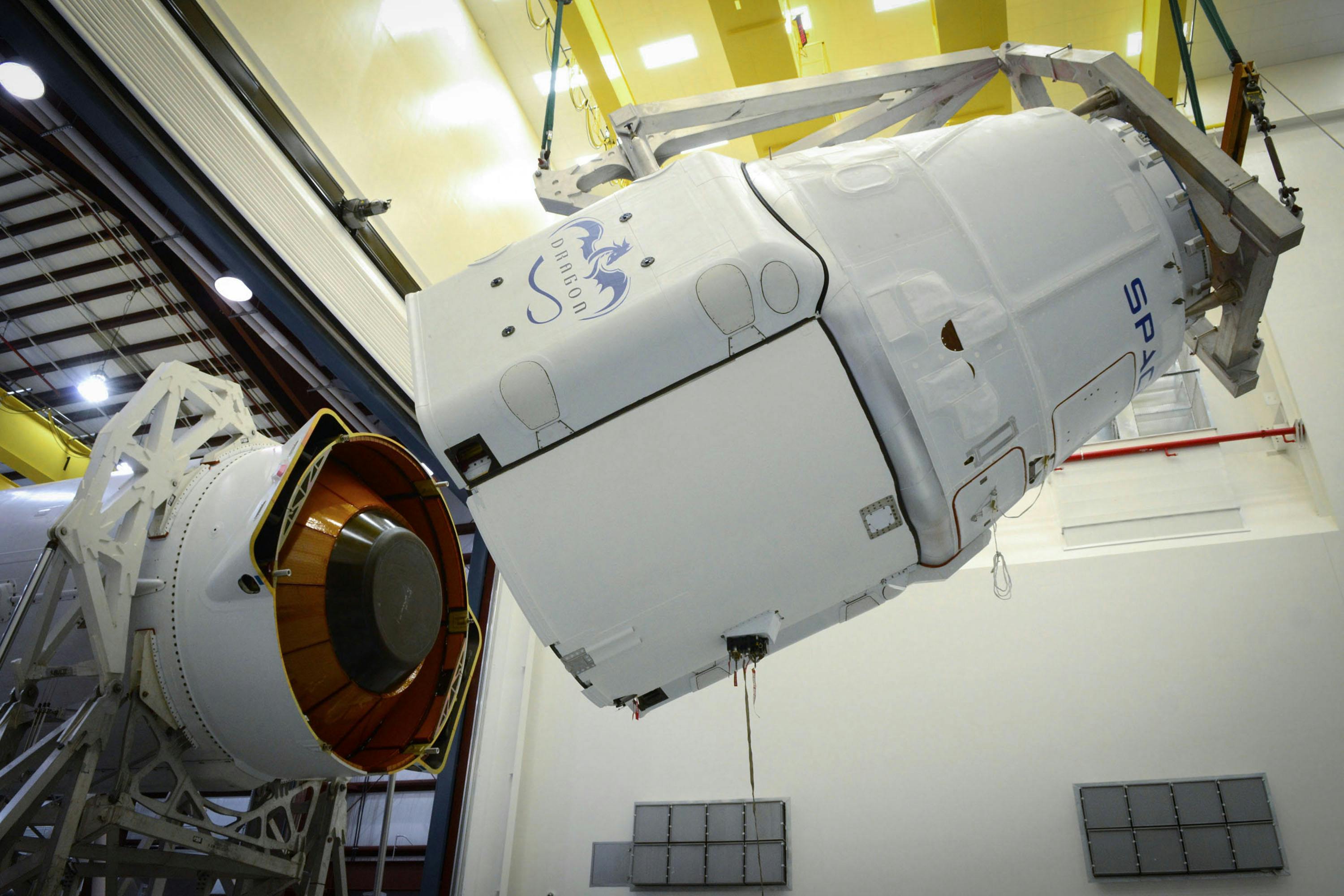
ESA is purchasing a dedicated SpaceX Crew Dragon flight to send 4 European astronauts to the ISS ahead of the station's planned retirement.

Learn which satellites take photos and why we can't get updates instantly.
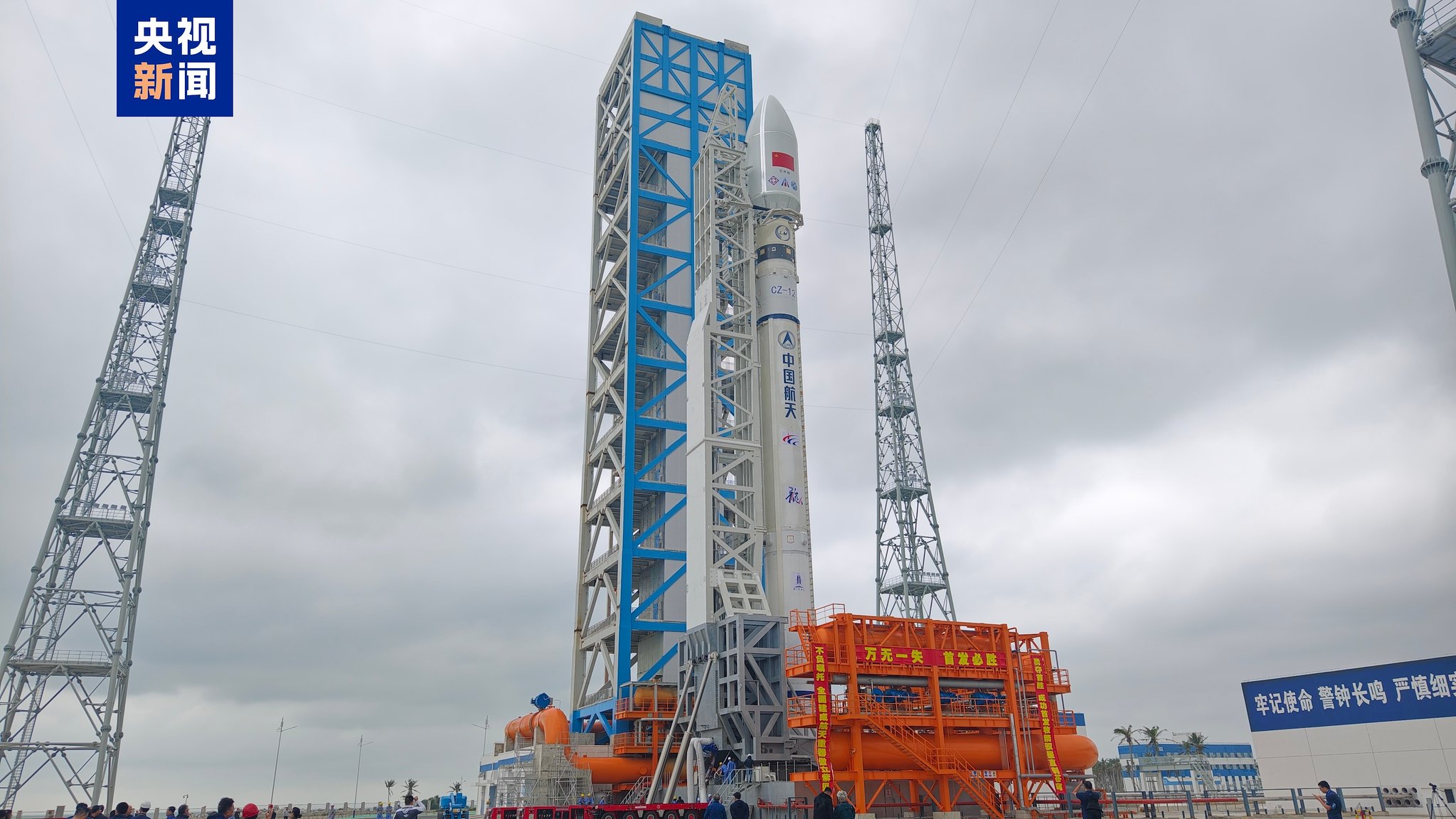
Today's brief covers China's new GEO Yaogan satellite launch, India's record-mass commsat, military tech updates, autonomous systems for maritime security, and insights from satellite imagery of Hurricane Melissa's impact in Jamaica.
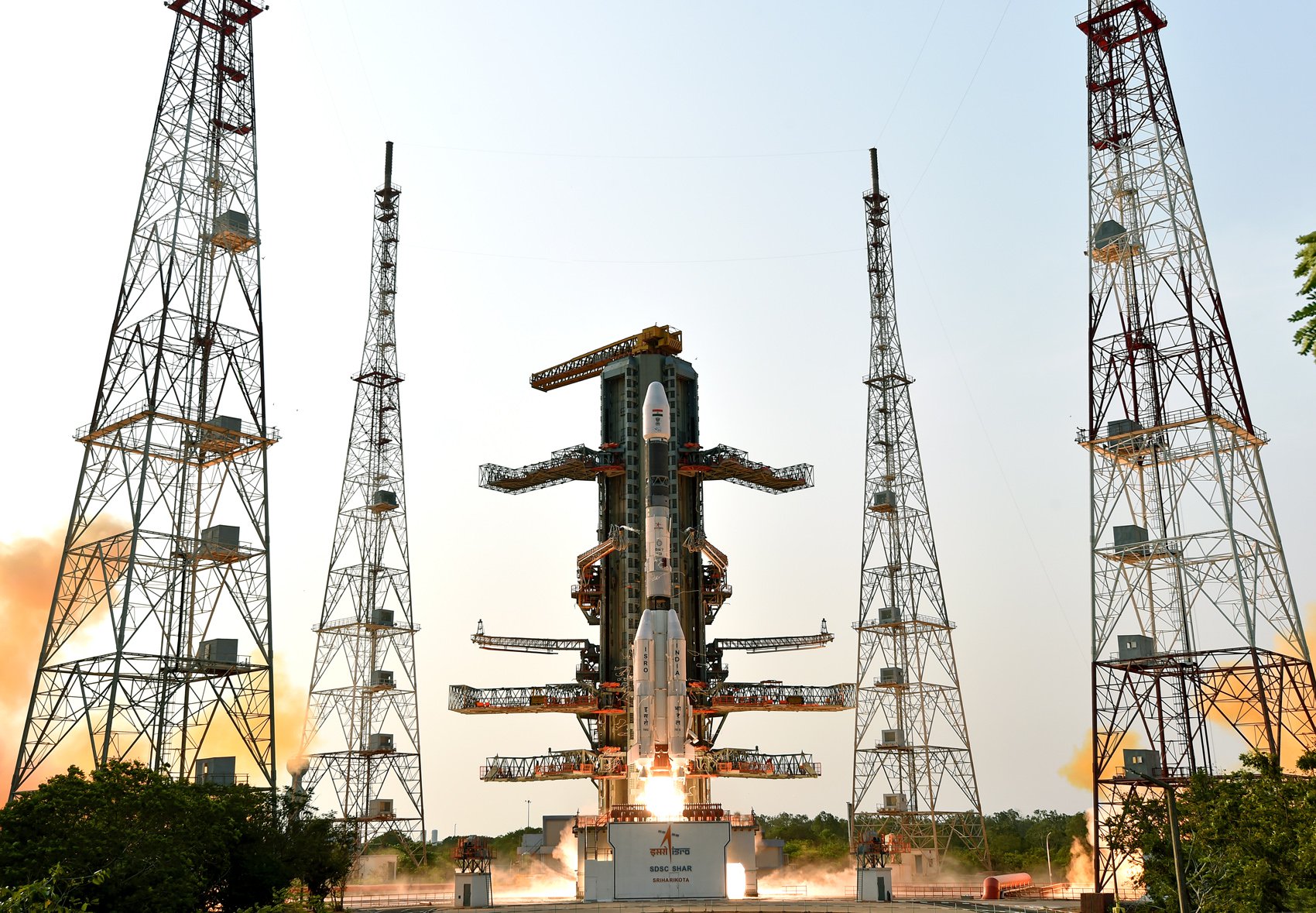
Today's briefing covers Spire Global's new intelligence products, a significant military buildup in the Pacific, Space Force organizational changes, and more.
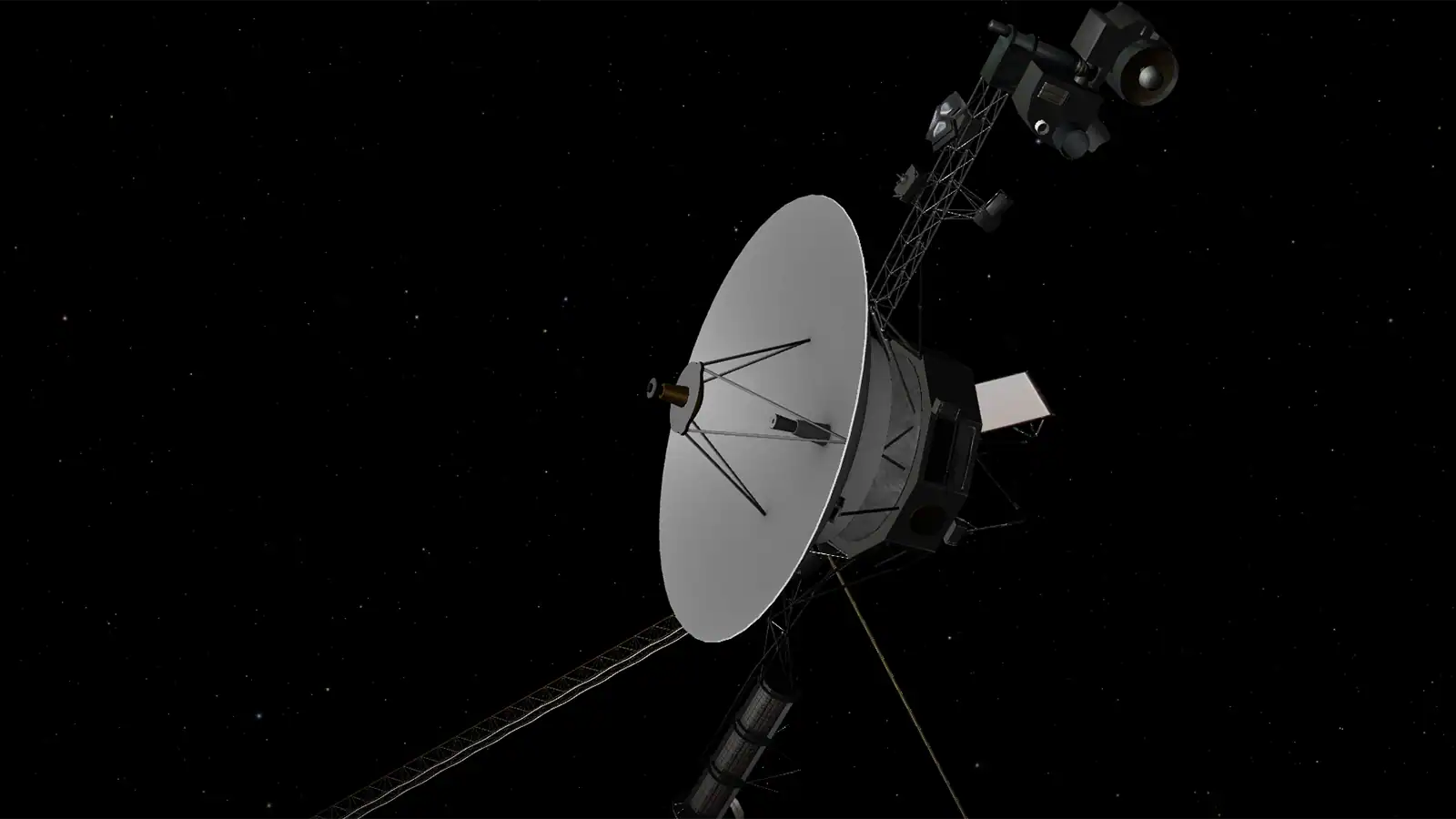
In November 2023, Earth's most distant spacecraft started speaking gibberish. Five months, one dead memory chip, and 30 billion miles of round-trip troubleshooting later, engineers got it talking again - using code written before most of them were born.