

X Report 16 Apr 2025
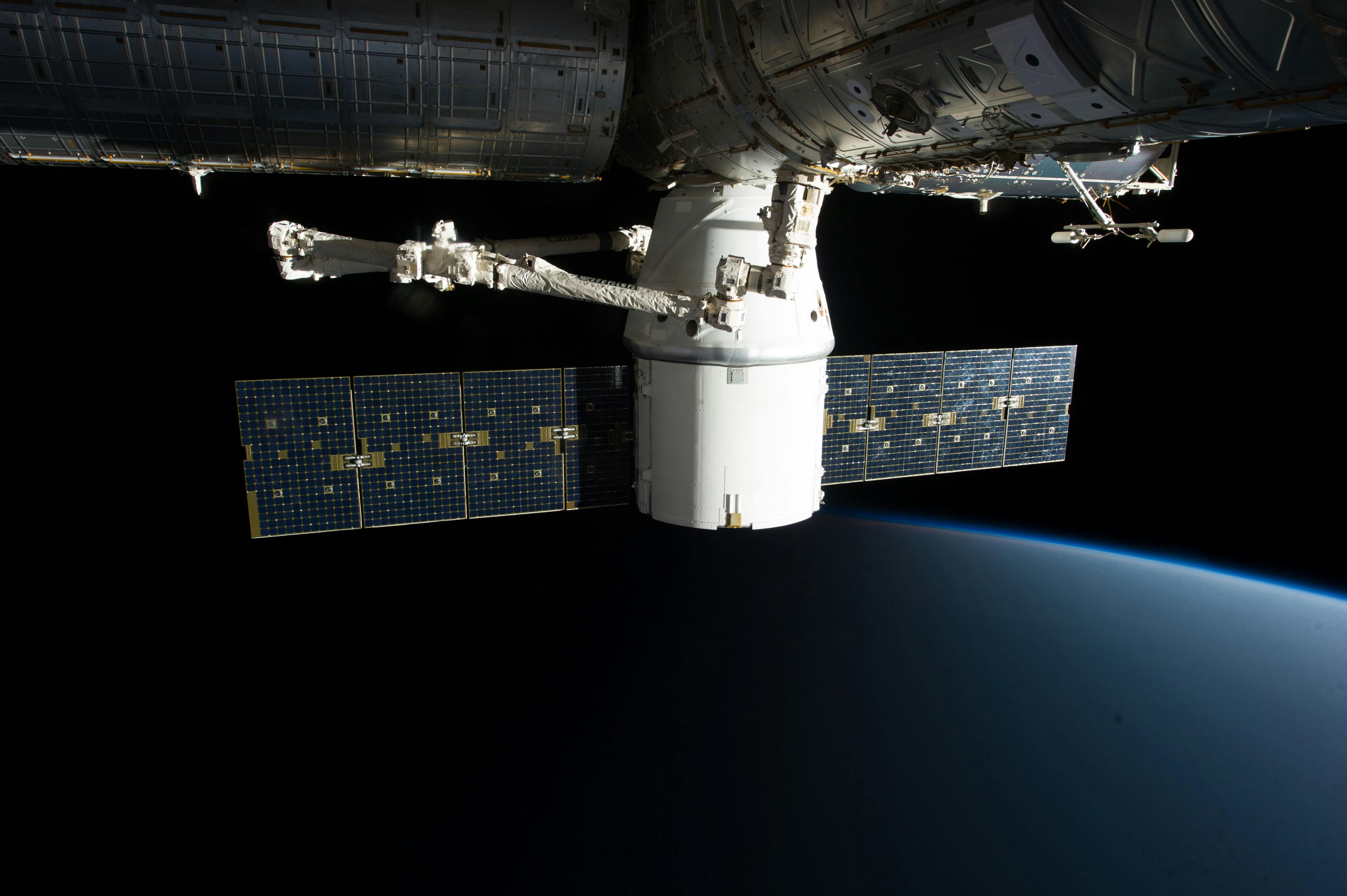
SpaceX gears up for another busy week with a Falcon 9 launch to the ISS while Vast Space expands its Haven-1 payload roster.



Launch Date
January 15, 1987
Launch Site
PLMSC
Launch Pad
LC43/3
Launch Vehicle
Soyuz-U
NORAD ID
18034
International Designator
1987-004EM
Decay Date
10/30/1987
Name
COSMOS 1813 DEB
Alternative Name
deb Kosmos-1813
Type
Status
Owner
UNKS
Country
USSR
Constellation
N/A
Related Satellites
Major Events
N/A
Length
0
Diameter
0
Span
0
Dry Mass
0
Launch Mass
0
Shape
N/A
Radar Cross Section
0.18
Visual Magnitude
Unknown
Color
Unknown
Material Composition
Unknown
Payload
Unknown
Purpose
Unknown
Mission
Unknown
Manufacturer
Unknown
Life Expectancy
Unknown
Bus
Unknown
Configuration
Unknown
Motor
Unknown
Equipment
Unknown
Power System
Unknown
ADCS
Unknown
Transmitter Frequency
Unknown
Learn more about satellites and other related topics.
SpaceX gears up for another busy week with a Falcon 9 launch to the ISS while Vast Space expands its Haven-1 payload roster.
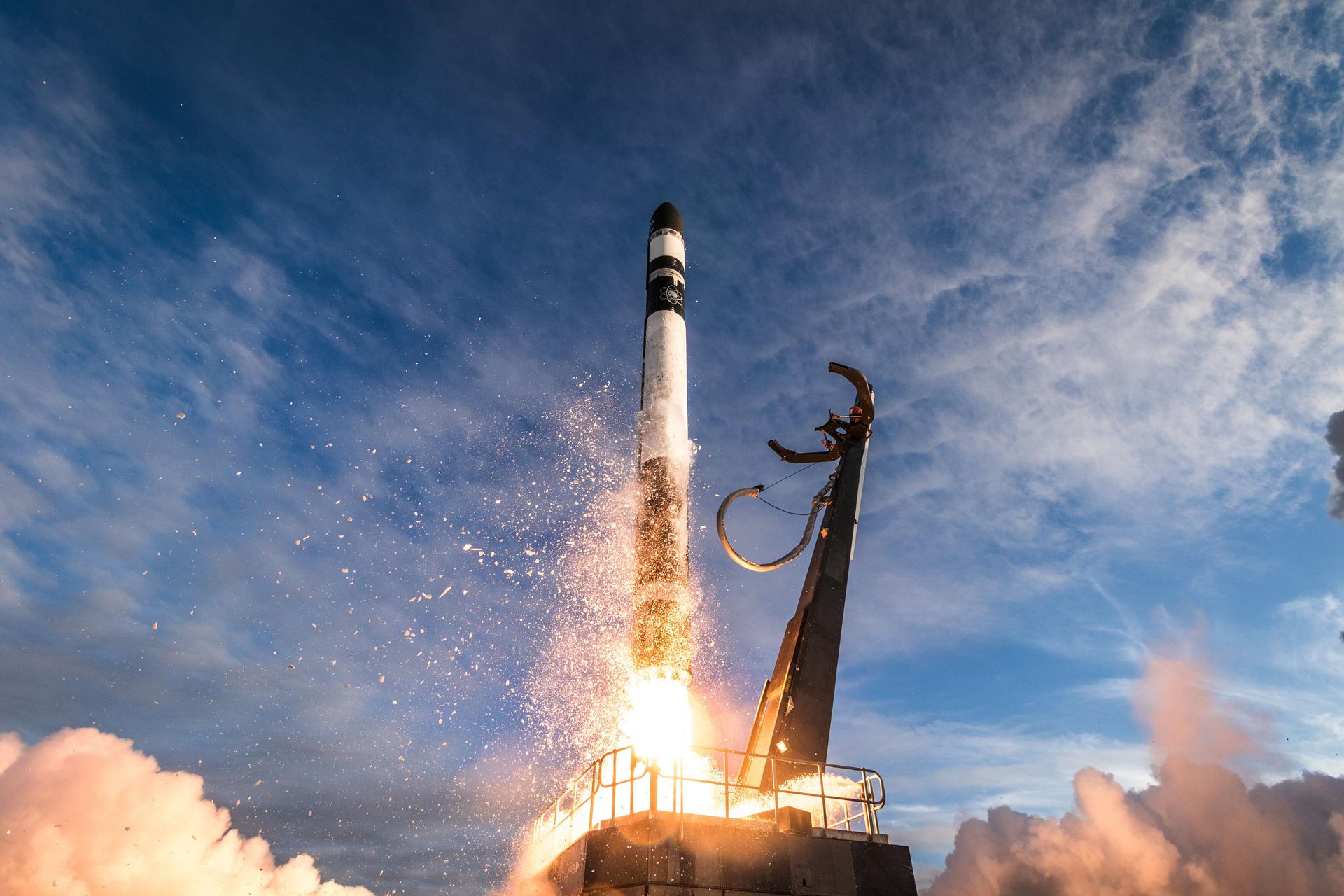
Artemis II SLS/Orion rolls to Launch Complex 39B for first crewed lunar mission since 1972. China suffers dual launch failures on the same day. SpainSat NG 2 declared total loss from debris strike.

Discover the latest developments in space defense, innovative satellite technologies, nuclear advancements in space travel, and strategic military updates.

Today's space brief covers SpaceX's latest Starlink missions, Satellogic's contract with Brazilian Air Force, OCX, and ATLAS project updates, and DARPA's insights on cybersecurity vulnerabilities.
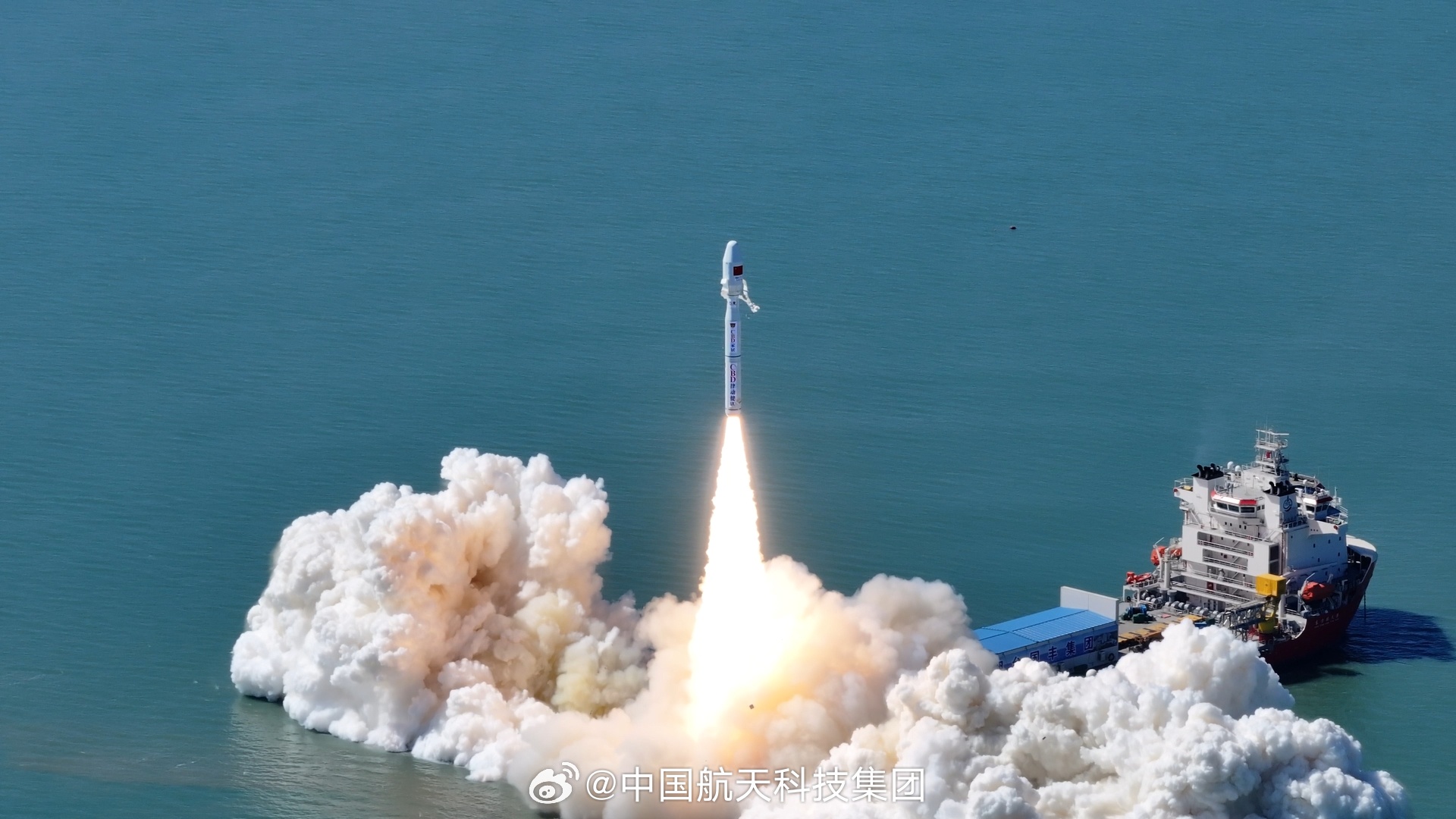
SpaceX launches NROL-105 spy satellite from Vandenberg in first national security mission of 2026. GE and Lockheed validate compact rotating detonation ramjet for hypersonic missiles.
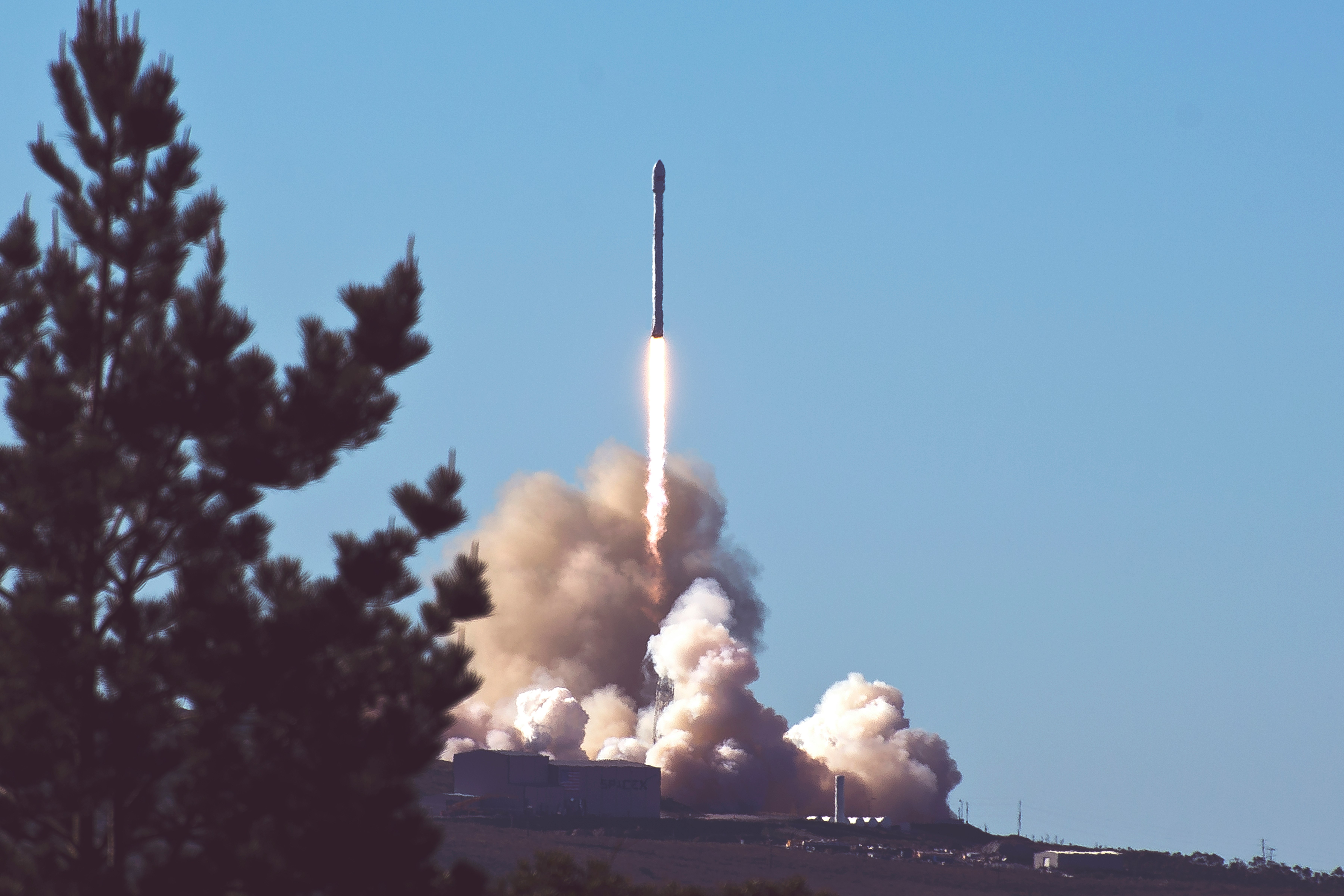
SpaceX successfully completes a critical test flight of its Starship vehicle while gearing up for another Starlink satellite launch, showcasing significant advancements in their launch capabilities.
SpaceX Falcon 9 launches Starlink 10-50 with two Besxar semiconductor manufacturing test pods. In-space fabrication experiment explores cost reduction for commercial payloads.

In today's briefing: China accelerates its satellite megaconstellation. A comprehensive ESA-led optical data network is in the works, marking a key step in satellite communications. NASA's Artemis II crew visits Ohio in preparation for their lunar journey. SpaceX's record-breaking rocket launches continue. Plus, insights into nuclear rockets that could drastically shorten Mars missions.