COSMOS 1843 DEB (18022)

COSPAR: 1987-039G | Alt Name: PTDU cover
DECAYED

Image
COSMOS 1843 DEB Satellite Image
Additional Sources
Launch Details

Launch Date

May 5, 1987

Launch Pad

LC31

Launch Vehicle

Soyuz-U

Orbital Elements

NORAD ID

18022

International Designator

1987-039G

Decay Date

11/22/1987

Basic Satellite Info

Name

COSMOS 1843 DEB

Alternative Name

PTDU cover

Type

Debris

Status

Space Junk

Owner

UNKS

Country

USSR

Constellation

N/A

Related Satellites

Major Events

N/A

Summary
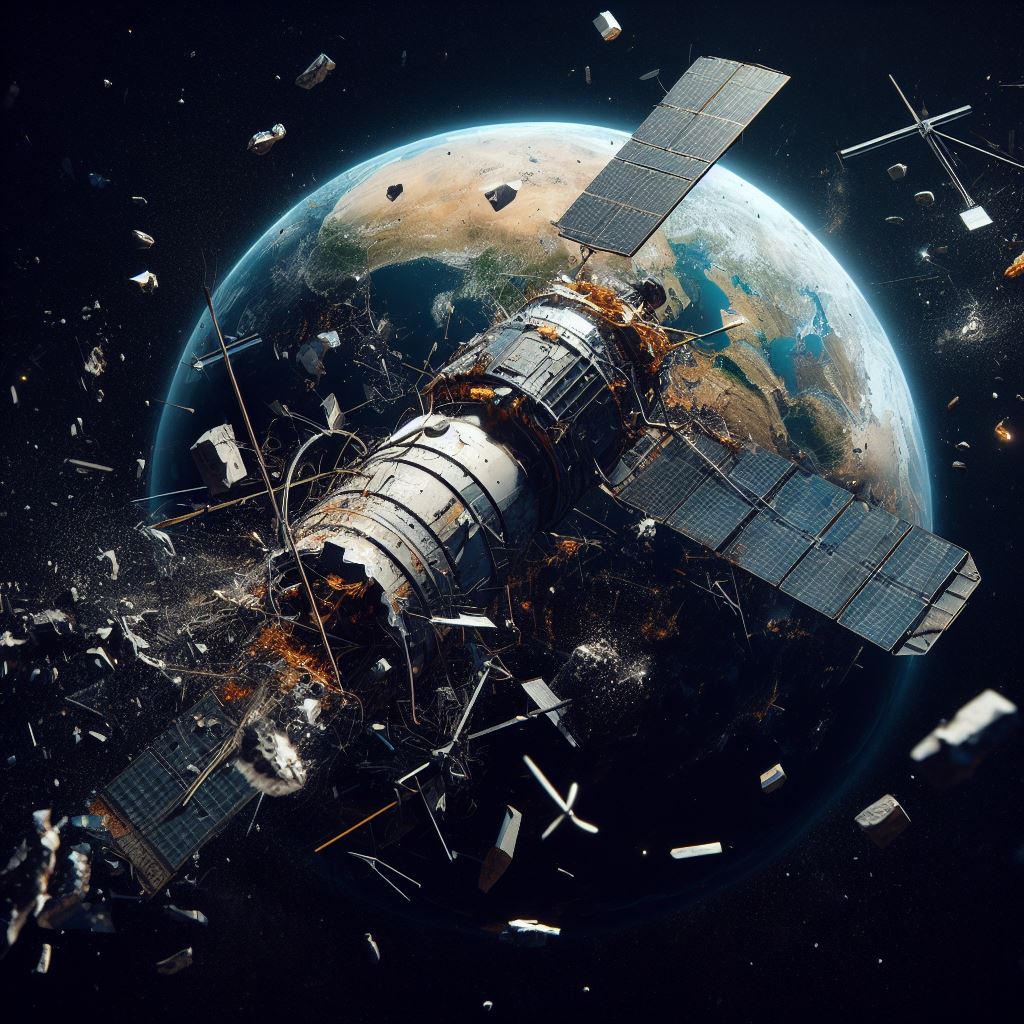
Space debris, also known as space junk, encompasses all non-functional objects orbiting Earth such as defunct satellites, spent rocket stages, and fragments from collisions or disintegrations. Over time, this debris can accumulate and create an increasingly hazardous environment in orbit. Even tiny fragments, traveling at extremely high velocities, can inflict significant damage on operational satellites and spacecraft. If left unmanaged, the density of debris raises the risk of catastrophic collisions and further fragmentation, compounding the problem and threatening the safety and sustainability of space activities.
Physical Characteristics

Length

0

Diameter

0

Span

0

Dry Mass

0

Launch Mass

0

Shape

N/A

Radar Cross Section

1.98

Visual Magnitude

Unknown

Color

Unknown

Material Composition

Unknown

Technical Details

Payload

Unknown

Purpose

Unknown

Mission

Unknown

Manufacturer

TSSKB

Life Expectancy

Unknown

Bus

Zenit deb

Configuration

Unknown

Motor

Unknown

Equipment

Unknown

Power System

Unknown

ADCS

Unknown

Transmitter Frequency

Unknown

Satellite Articles

View All Posts »

Learn more about satellites and other related topics.

First Graviton Detector Concept Proposed, Space Force Shelves R-GPS Program | KeepTrack Space Brief

First Graviton Detector Concept Proposed, Space Force Shelves R-GPS Program | KeepTrack Space Brief

Keck Foundation team proposes first-ever graviton detector concept. Space Force shelves Resilient GPS program. China advances Long March 12B reusable rocket with static fire test at Jiuquan.

Apophis 2029 Flyby: ESA-JAXA Joint Mission Locked In | KeepTrack Space Brief

Apophis 2029 Flyby: ESA-JAXA Joint Mission Locked In | KeepTrack Space Brief

ESA and JAXA finalize collaboration for asteroid Apophis 2029 flyby at 32,000 km—closer than geostationary orbit. Historic near-Earth encounter being heavily observed.

X Report 6 Dec 2024

X Report 6 Dec 2024

SpaceX achieves a milestone with its 350th successful mission, including a significant Starlink launch, while Starship advances in testing. Meanwhile, SpaceX boosts SiriusXM's satellite fleet and industry competitors make strides.

Space Brief 9 Jun 2025

Space Brief 9 Jun 2025

Key space events for today include potential changes in US space policy involving SpaceX, uncertainties regarding NASA's Starliner, and China's new steps in asteroid exploration.

Space Brief 1 Dec 2024

Space Brief 1 Dec 2024

Today's highlights: China's Long March 12 boosts lunar ambitions, SpaceX supports NRO's satellite infrastructure, Firefly prepares lunar mission, and NASA partners with SpaceX for Titan exploration.

Space Brief 30 Oct 2024

Space Brief 30 Oct 2024

Today's briefing covers China's successful Shenzhou 19 launch to the Tiangong space station, NASA's upcoming spacewalks plan after a spacesuit issue, and innovative propulsion research for space journeys.

X Report 5 May 2025

X Report 5 May 2025

SpaceX celebrated Star Wars Day with a successful launch of Starlink satellites, furthering its mission to enhance global internet access. Lego also revealed a new collectible set tied to the franchise.

The Satellite That Found 22 Photons and Changed Astronomy

The Satellite That Found 22 Photons and Changed Astronomy

On April 27, 1961, a Scout rocket lifted a 37-kilogram NASA satellite into orbit from Wallops Island carrying the first serious instrument for detecting cosmic gamma rays. Explorer 11 operated for seven months before its tape recorder failed. In that time it registered 22 gamma-ray photons - a pitiful number by modern standards, but enough to launch an entire branch of astronomy.