COSMOS 1840 [GLONASS] (17904)

COSPAR: 1987-036C | Alt Name: Kosmos-1840
DECAYED

Image
COSMOS 1840 [GLONASS] Satellite Image
Additional Sources
Launch Details

Launch Date

April 24, 1987

Launch Pad

LC200/40

Launch Vehicle

Proton-K/DM-2

Orbital Elements

NORAD ID

17904

International Designator

1987-036C

Decay Date

9/13/1991

Basic Satellite Info

Name

COSMOS 1840 [GLONASS]

Alternative Name

Kosmos-1840

Type

Payload

Status

Decayed

Owner

UNKS

Country

USSR

Constellation

N/A

Related Satellites

Major Events

N/A

Summary
COSMOS 1840 [GLONASS], also known as Kosmos-1840, is a navigation satellite launched on April 24, 1987, from the TYMSC launch site using a Proton-K/DM-2 vehicle. It was part of the Uragan series and has a configuration of 3-Axis stabilized. The satellite measures 4 meters in length with a diameter of 1.5 meters and spans 7.8 meters. Its dry mass is 1,200 kg, while its launch mass was 1,300 kg. Launched by the Soviet Union (SU), it was manufactured by OAZ for navigation purposes. The satellite's power system includes two deployable solar arrays and batteries. It was designed to have a lifetime of about three years and is equipped with Uragan No. 32L payload. The shape of the spacecraft consists of a cylinder with antennas and two panels, with an RCS (Reflective Cross Section) value of 7.4381 square meters.
Physical Characteristics

Length

4

Diameter

1.5

Span

7.8

Dry Mass

1200

Launch Mass

1300

Shape

Cyl + Ant + 2 Pan

Radar Cross Section

7.4381

Visual Magnitude

Unknown

Color

Unknown

Material Composition

Unknown

Technical Details

Payload

Uragan No. 32L

Purpose

Navigation

Mission

Navigation

Manufacturer

OAZ

Life Expectancy

3 years

Bus

Uragan

Configuration

3-Axis stabilized

Motor

?

Equipment

?

Power System

2 deployable solar arrays, batteries

ADCS

Unknown

Transmitter Frequency

Unknown

Satellite Articles

View All Posts »

Learn more about satellites and other related topics.

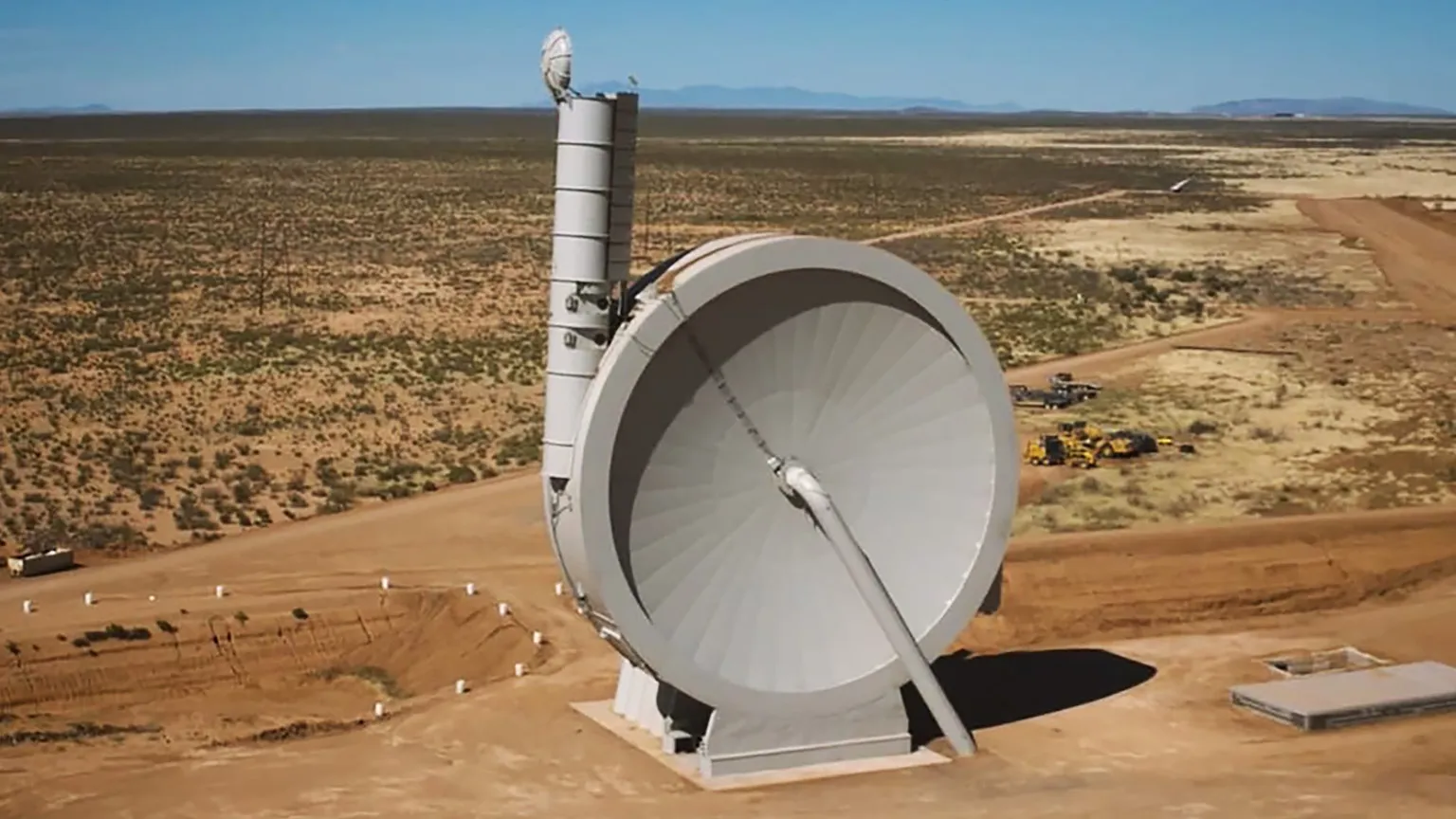
SpinLaunch's Kinetic Launch System

SpinLaunch's Kinetic Launch System

How a California startup's massive centrifuge could transform space access by eliminating rocket fuel, reducing costs by 70%, and enabling daily satellite launches - if it can overcome the physics of scaling from suborbital tests to orbital reality

Crew-12 Set for Launch, Starlink Wins New Airline Customer | KeepTrack X Report

Crew-12 Set for Launch, Starlink Wins New Airline Customer | KeepTrack X Report

SpaceX Crew-12 mission set to launch astronauts to ISS on Feb 13. Starlink gains another airline partner for in-flight internet. Musk tops Forbes' 250 Greatest Innovators list.

Starlink V2: 100x Faster, 5G Direct-to-Phone for Europe | KeepTrack X Report

Starlink V2: 100x Faster, 5G Direct-to-Phone for Europe | KeepTrack X Report

SpaceX's Starlink V2 promises 100x data density for 5G direct-to-phone service. Deutsche Telekom targets 10 European countries by 2028.

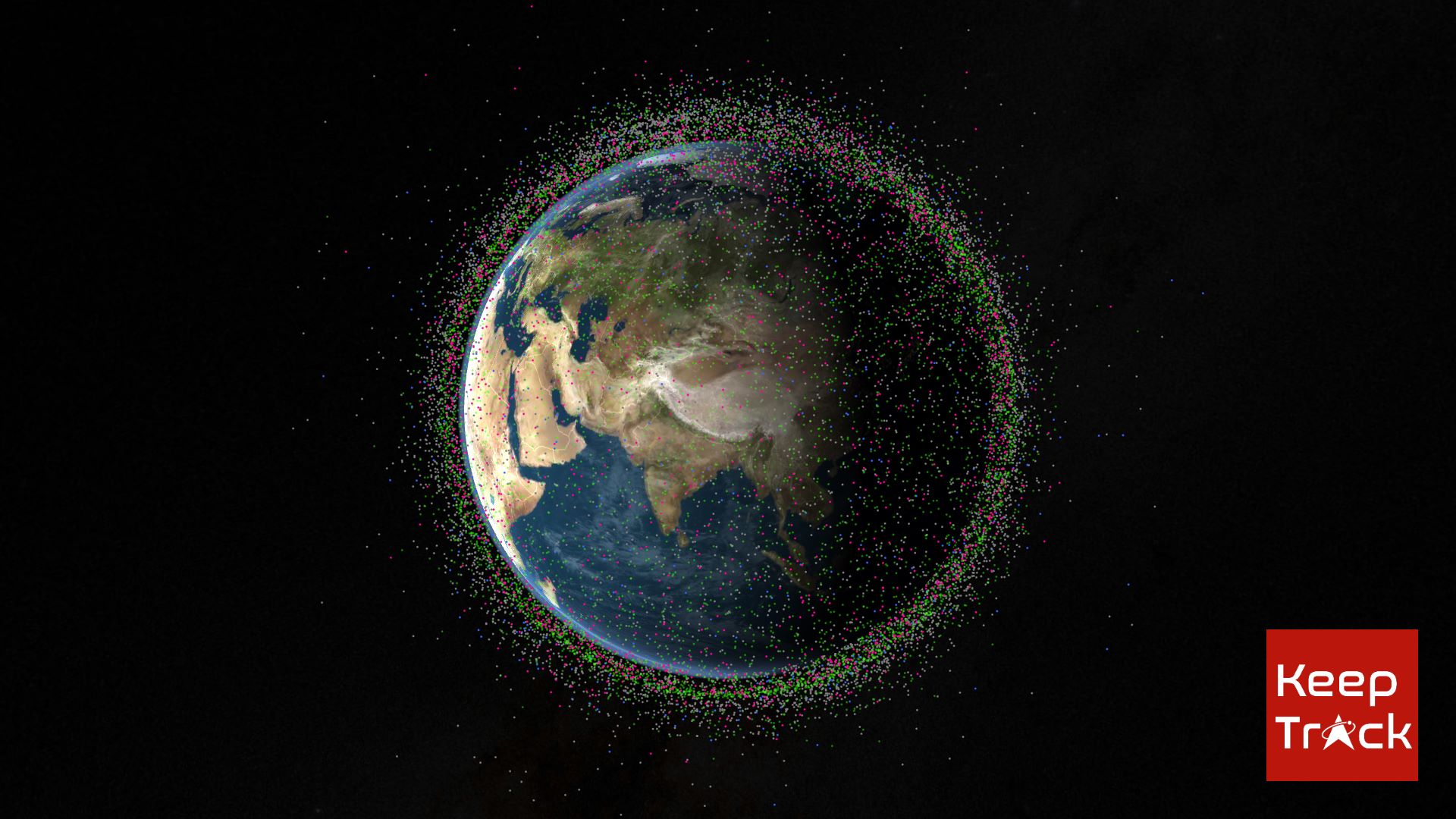
Low Earth Orbit (LEO)

Low Earth Orbit (LEO)

The bustling downtown of space: where most satellites operate, communication networks bloom, and the challenges of atmospheric drag and radiation shape our approach to space operations

X Report 14 Jul 2025

X Report 14 Jul 2025

SpaceX successfully launched the Dror 1 satellite for Israel Aerospace Industries, marking another step forward in their launch capabilities.

Space Brief 12 Jul 2025

Space Brief 12 Jul 2025

Today's focus spans from major military training initiatives in orbit to key updates on drone policies and crucial satellite launches.

Starlink Restrictions Disrupt Russian Battlefield Communications | KeepTrack Space Brief

Starlink Restrictions Disrupt Russian Battlefield Communications | KeepTrack Space Brief

Starlink restrictions reportedly hit Moscow's drone coordination and frontline comms. SpaceX and xAI enter Pentagon's $100M drone contest. Sentinel ICBM to clear key review this year.

X Report 3 Feb 2025

X Report 3 Feb 2025

SpaceX prepares for another Starlink launch from Florida, while recent Starship incident raises environmental concerns.