


Space Brief 18 Jul 2025
Today's highlights include Space Force prioritizing military missions, testing new GPS satellite software, and international defense collaborations impacting space assets.


Launch Date
February 24, 1979
Launch Site
AFWTR
Launch Pad
SLC3W
Launch Vehicle
Atlas F/OIS
NORAD ID
17827
International Designator
1979-017KP
Decay Date
10/7/1988
Name
SOLWIND DEB
Alternative Name
deb P78-1
Type
Status
Owner
AFSD
Country
United States
Constellation
N/A
Related Satellites
Major Events
N/A
Length
0
Diameter
0
Span
0
Dry Mass
0
Launch Mass
0
Shape
N/A
Radar Cross Section
0.0143
Visual Magnitude
Unknown
Color
Unknown
Material Composition
Unknown
Payload
Unknown
Purpose
Unknown
Mission
Unknown
Manufacturer
Unknown
Life Expectancy
Unknown
Bus
Unknown
Configuration
Unknown
Motor
Unknown
Equipment
Unknown
Power System
Unknown
ADCS
Unknown
Transmitter Frequency
Unknown
Learn more about satellites and other related topics.
Today's highlights include Space Force prioritizing military missions, testing new GPS satellite software, and international defense collaborations impacting space assets.
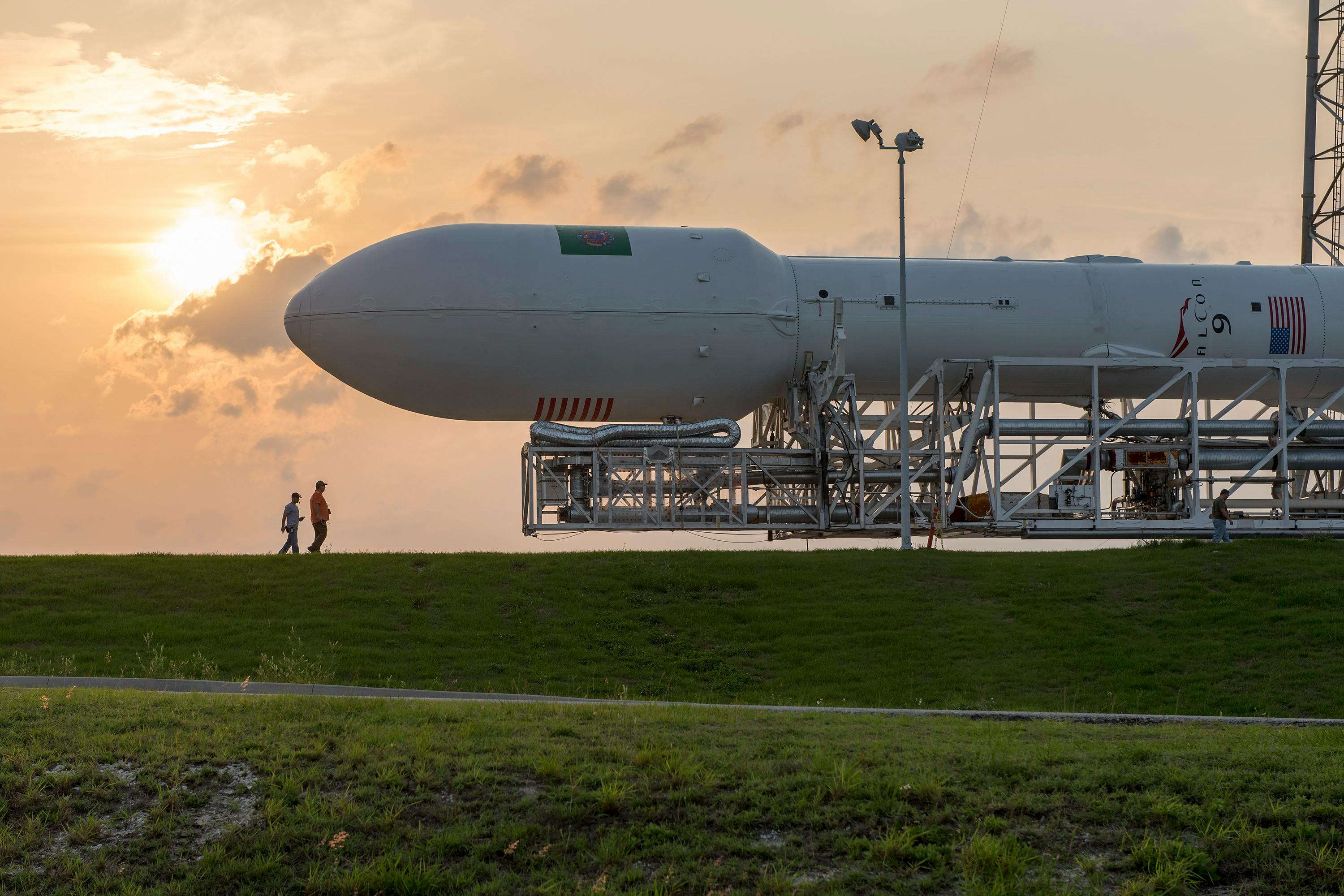
SpaceX faces a launch delay at Cape Canaveral and continues to advance Starship development.
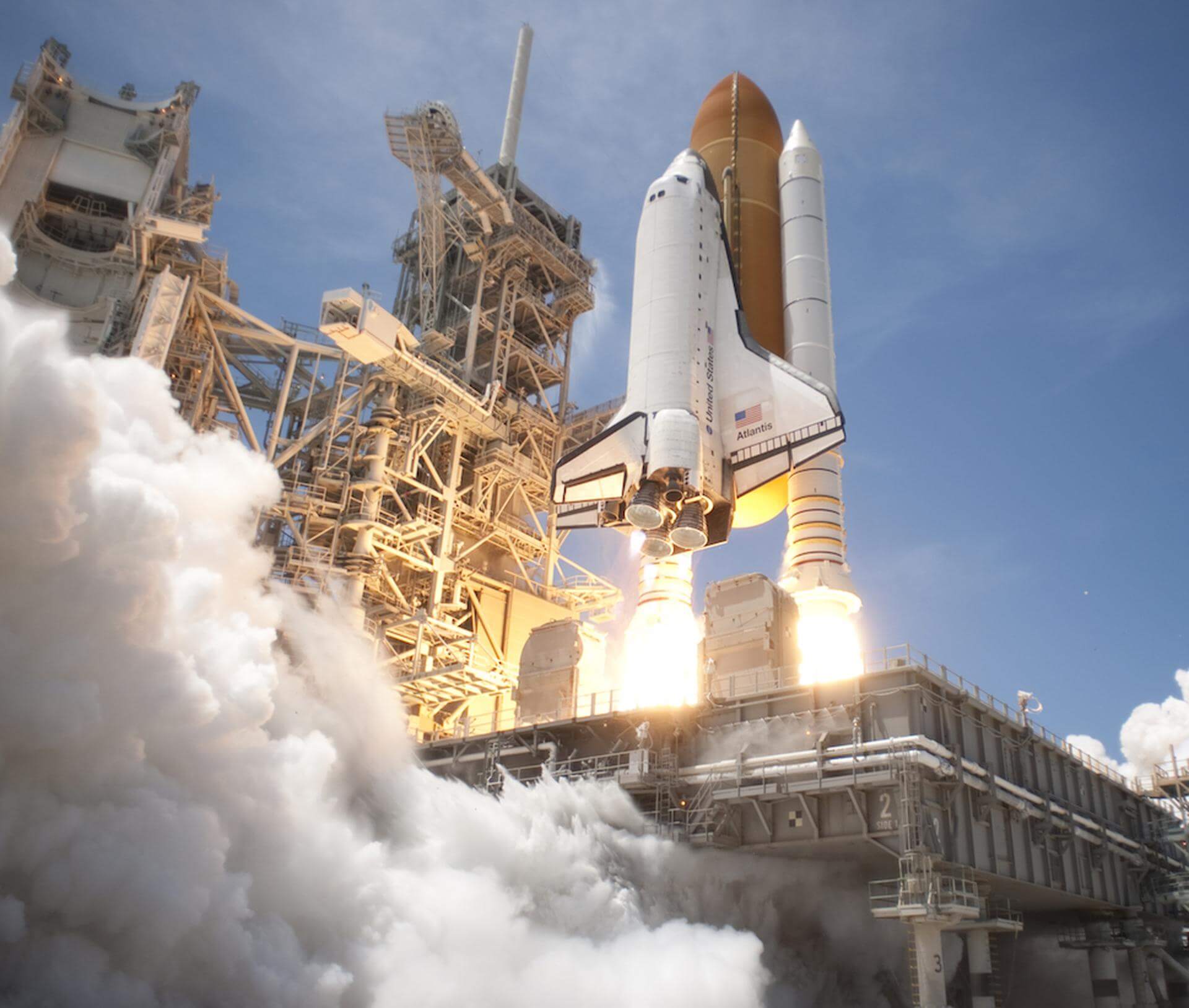
Nearly €140 million in ESA launcher development funds faces forfeiture with no replacement mechanism. Europe's independent launch capacity under pressure as Arianespace struggles.
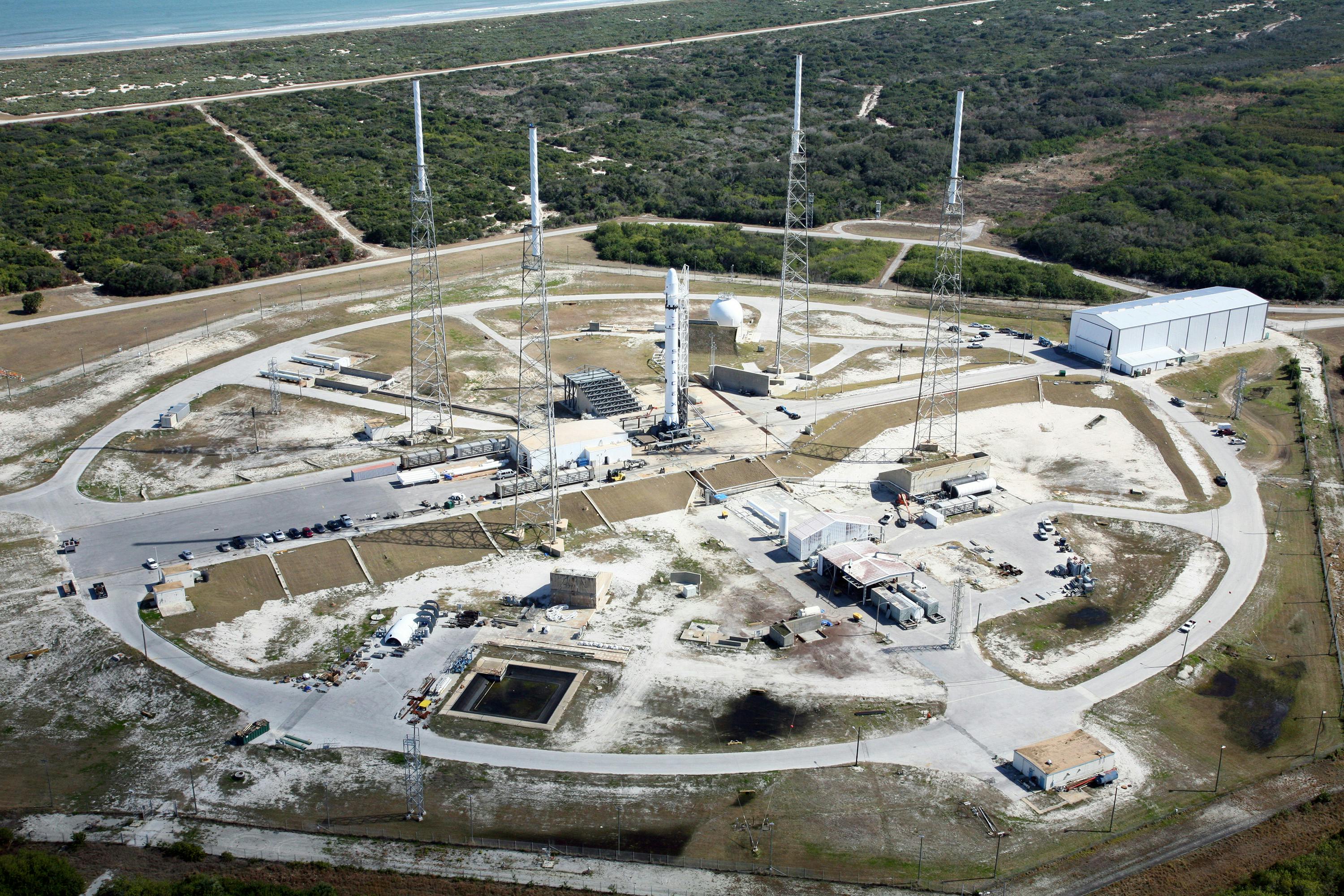
SpaceX's Transporter-17 rideshare carried 81 payloads including history's first nuclear-powered commercial satellite on July 7.

SpaceX celebrates significant milestones in satellite launches and contemplates a historic IPO while actively participating in the competitive landscape of space technology and services.

Blue Origin aiming for 2nd New Glenn launch by end of 2026 after LC-36 pad explosion at Cape Canaveral. Repair timeline still unclear; mission critical for national security payloads.
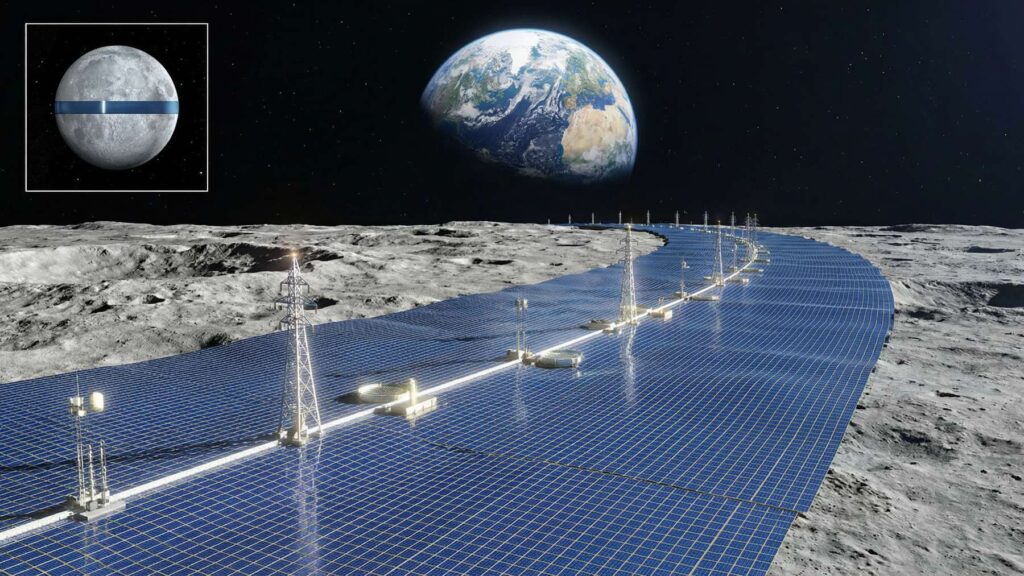
A 220-year-old Japanese construction company wants to build an 11,000-kilometer belt of solar cells around the lunar equator and beam the power back to Earth. The physics checks out. Everything else is another story.
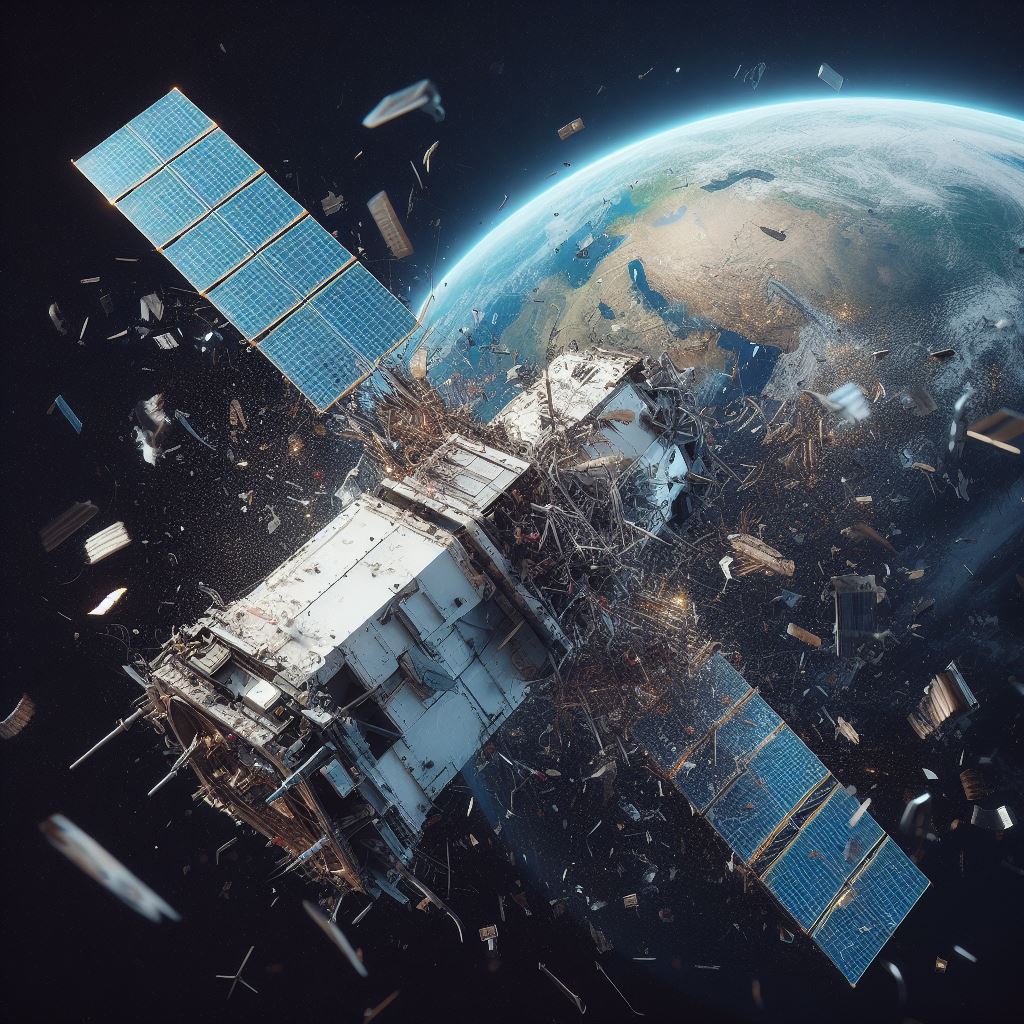
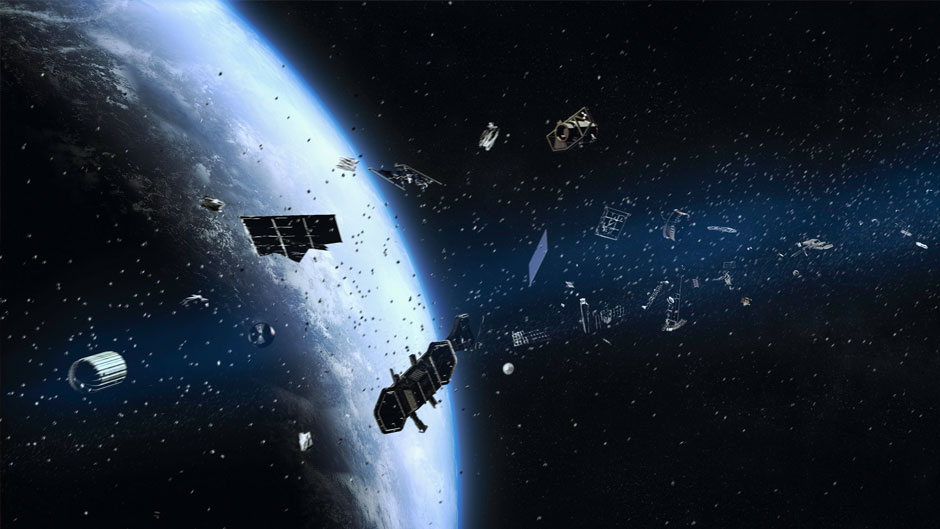
Space debris poses a mounting threat to both satellites and space missions. As we send more objects into orbit, the likelihood of collisions and subsequent breakups producing dangerous space debris increases. Recognizing the major events that have generated this dangerous space junk is pivotal in ensuring the safety of future space missions.