

Space Brief 8 Feb 2025
Stay updated on key orbital events including Rocket Lab's upcoming launch, significant legislative moves in space traffic management, and changes in defense policies impacting space operations.


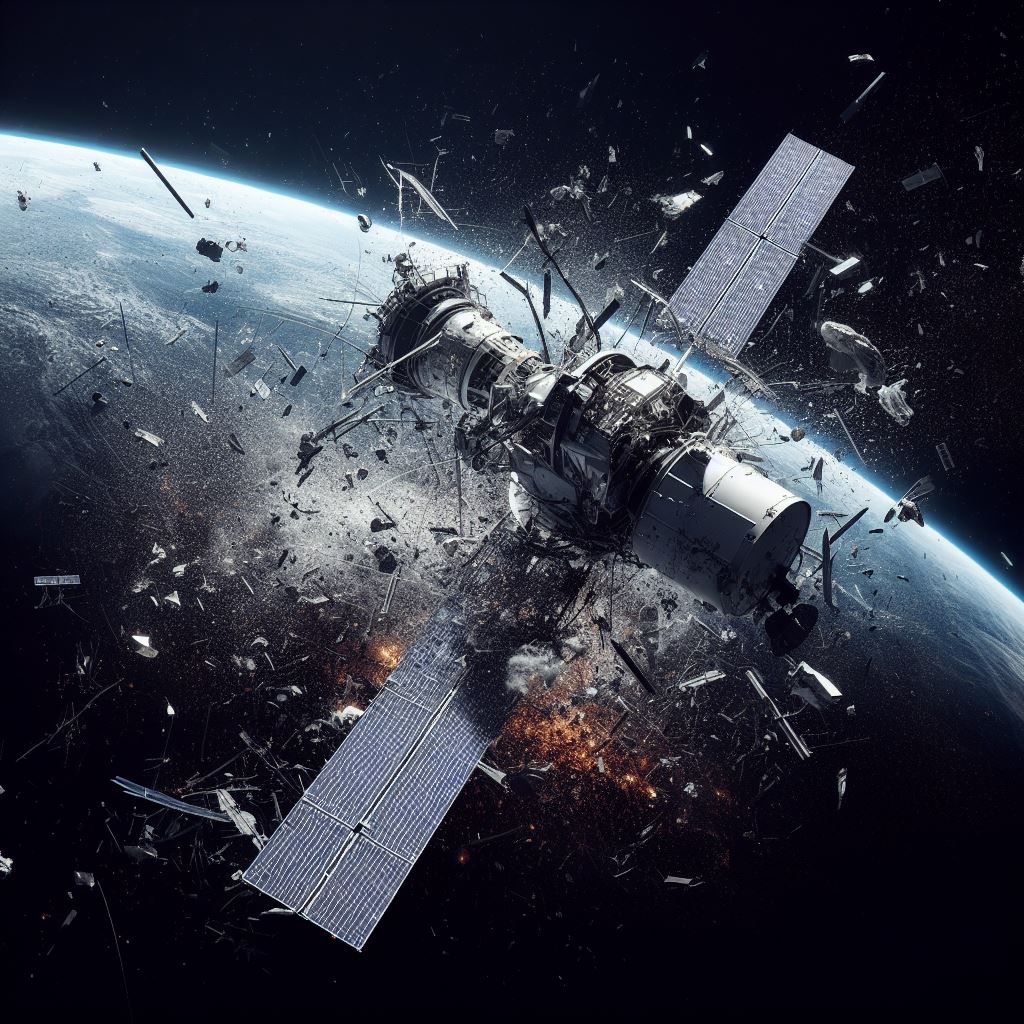
Launch Date
February 22, 1986
Launch Site
FRGUI
Launch Pad
ELA1
Launch Vehicle
Ariane 1
NORAD ID
17677
International Designator
1986-019KT
Decay Date
5/4/1988
Name
ARIANE 1 DEB
Alternative Name
deb Ariane V16
Type
Status
Owner
AE
Country
France
Constellation
N/A
Related Satellites
Major Events
N/A
Length
0
Diameter
0
Span
0
Dry Mass
0
Launch Mass
0
Shape
N/A
Radar Cross Section
0.046
Visual Magnitude
Unknown
Color
Unknown
Material Composition
Unknown
Payload
Unknown
Purpose
Unknown
Mission
Unknown
Manufacturer
Unknown
Life Expectancy
Unknown
Bus
Unknown
Configuration
Unknown
Motor
Unknown
Equipment
Unknown
Power System
Unknown
ADCS
Unknown
Transmitter Frequency
Unknown
Learn more about satellites and other related topics.
Stay updated on key orbital events including Rocket Lab's upcoming launch, significant legislative moves in space traffic management, and changes in defense policies impacting space operations.
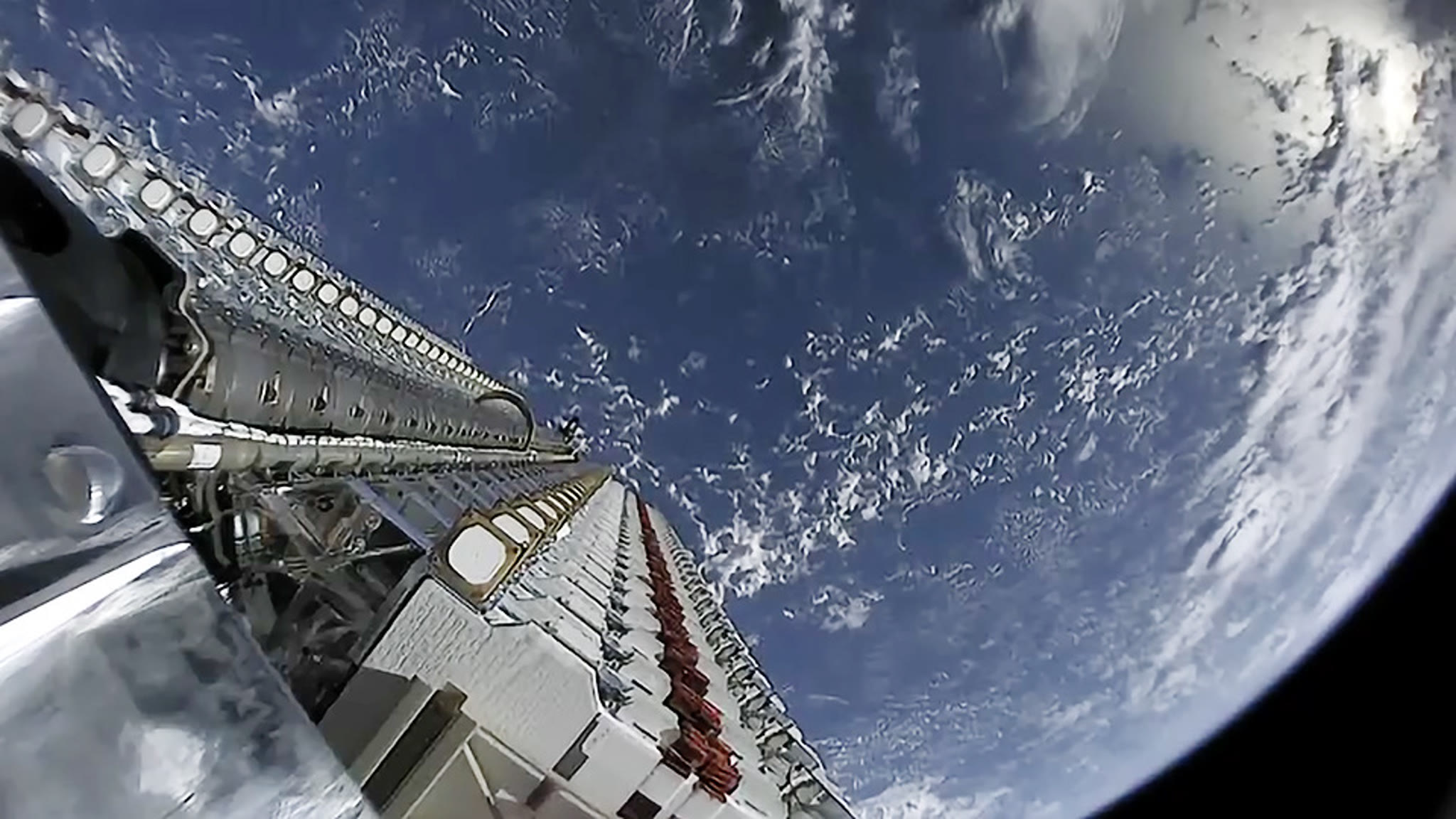
Starlink satellites fired their thrusters to dodge a collision roughly 300,000 times in 2025, about 822 times a day. Behind that number is a fragile, half-automated system of warnings, probabilities, and judgment calls that decides which close approaches are worth a maneuver and which are just noise.

Explore the latest in satellite launches and space reconnaissance as Lockheed Martin, SpaceX, and military entities push forward with innovative missions. A new propulsion clean room marks growth in satellite tech.

German defense giant Rheinmetall may bid for laser-comm firm Mynaric, challenging Rocket Lab's plans. SpaceX sets Falcon 9 reuse record. Juno reveals Europa ice sheet data.

SpaceX launches multiple Starlink batches, FAA updates for Starship, and NASA plans lunar cargo deliveries involving SpaceX and Blue Origin.

The Kessler Syndrome threatens humanity's future in space as cascading satellite collisions create exponential debris growth. With 36,000+ tracked objects and recent incidents accelerating risks, we face a critical juncture: implement solutions now or potentially lose access to low Earth orbit forever.
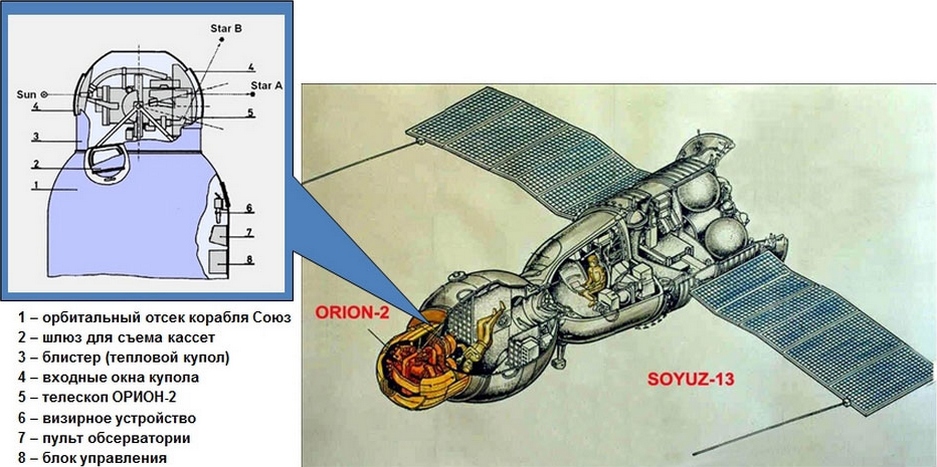
Exactly 52 years ago today, the Soviet Union launched Soyuz 13 - a scientific mission that marked the first time American astronauts and Soviet cosmonauts orbited Earth simultaneously. Armed with a revolutionary ultraviolet telescope, Pyotr Klimuk and Valentin Lebedev would discover elements never before seen in distant nebulae.
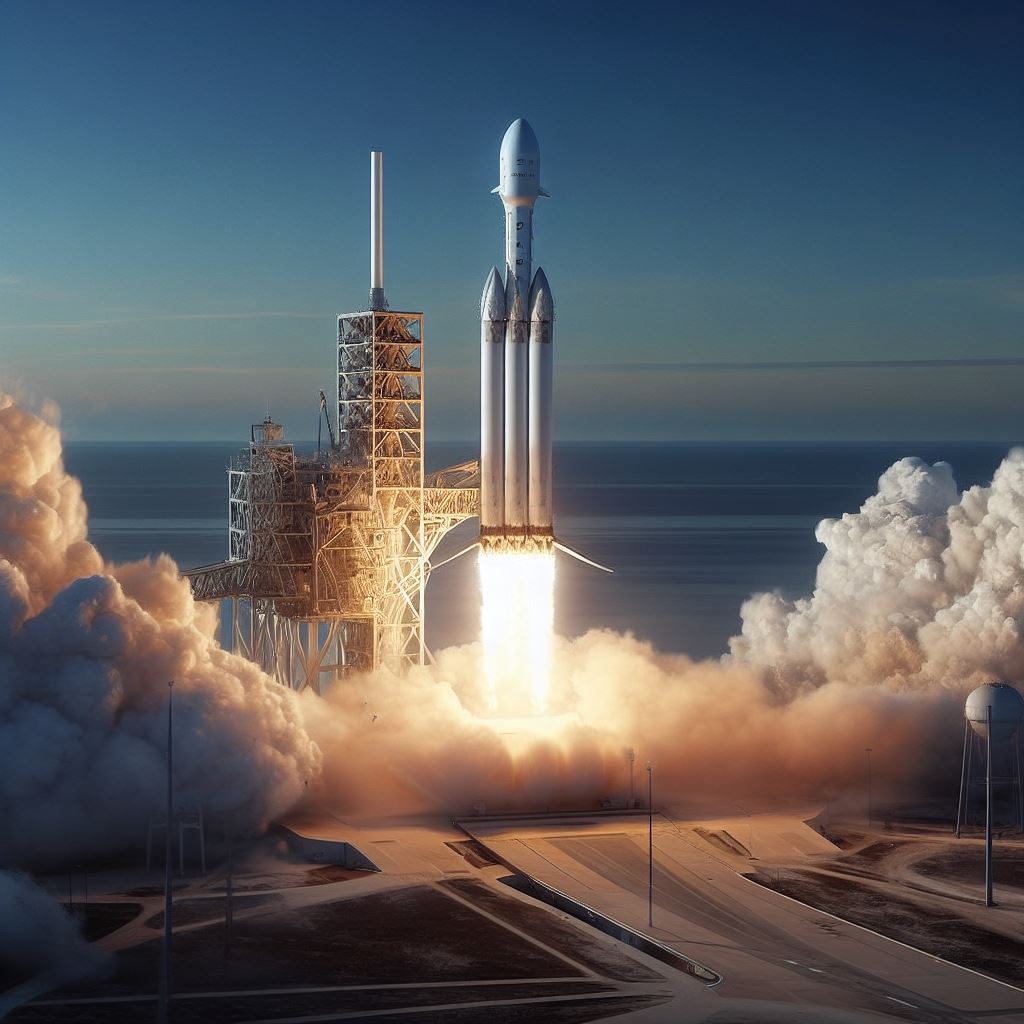
Polaris Dawn's upcoming commercial spacewalk, successful lunar orbit by Chinese spacecraft, and more space news including SpaceX's Starlink mission, RFA's static-fire failure, and advances in satellite technology.