


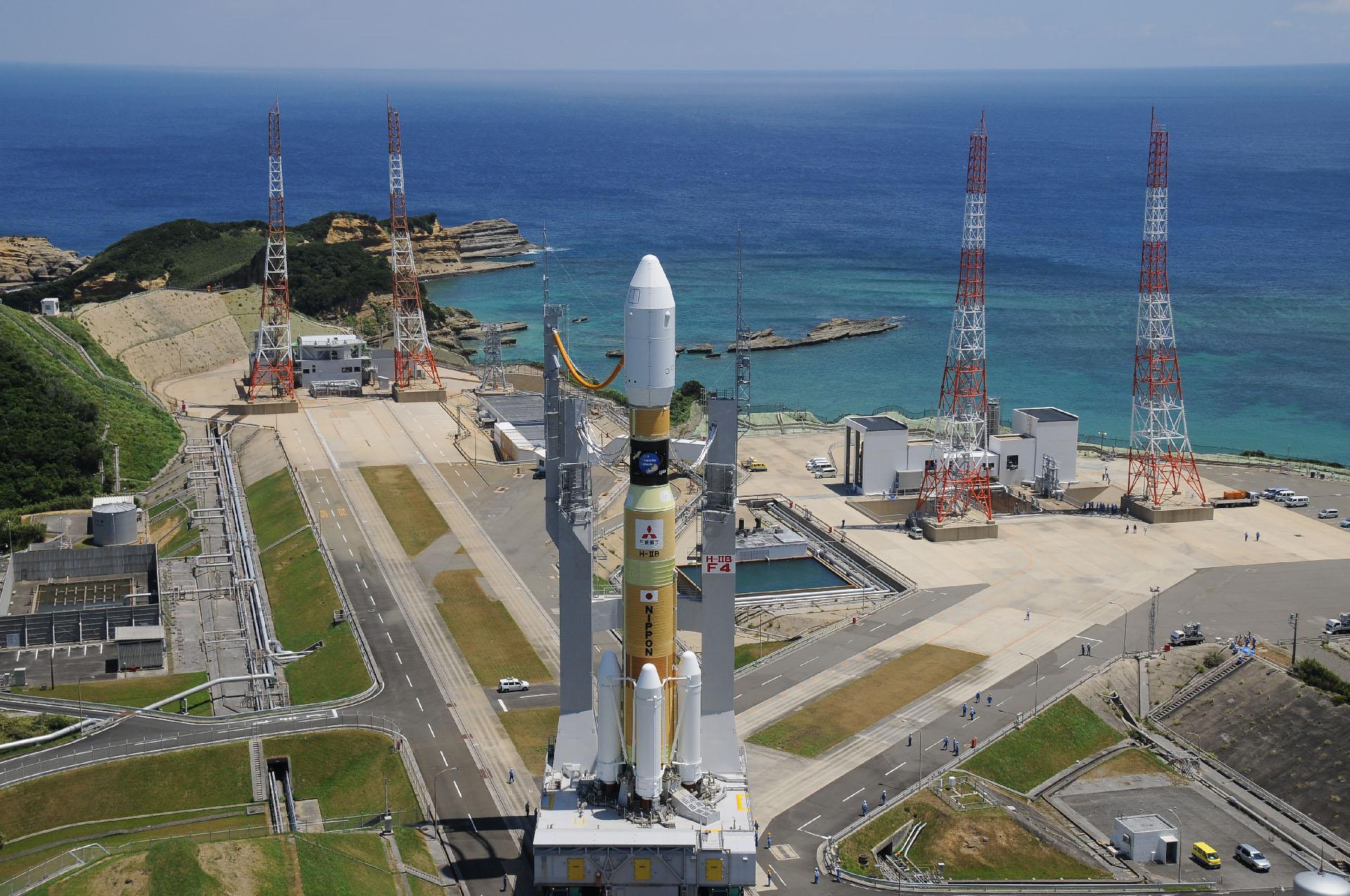
Space Brief 26 Nov 2025
Today's update covers new military space initiatives, impacts of drone threats in Europe, and advancements in secure cloud technology for NATO and Ukraine.



Launch Date
June 4, 1981
Launch Site
PLMSC
Launch Pad
LC132/2
Launch Vehicle
Kosmos 11K65M
NORAD ID
17620
International Designator
1981-053KP
Epoch
Fri, 03 Jul 2026 18:43:54 GMT
Apogee
Calculating...
Perigee
Calculating...
Inclination
83.17°
Right Ascension
91.79°
Eccentricity
Calculating...
Argument of Perigee
200.46°
Period
99.83 min
Mean Motion
14.43 rev/day
Latitude
Calculating...
Longitude
Calculating...
Altitude
Calculating...
Velocity
Calculating...
Name
COSMOS 1275 DEB
Alternative Name
deb Kosmos-1275
Type
Status
Owner
GUKOS
Country
USSR
Constellation
N/A
Related Satellites
Major Events
N/A
1 17620U 81053KP 26184.78049136 .00005706 00000-0 17129-2 0 9992
2 17620 83.1693 91.7891 0017070 200.4576 159.5937 14.42524110116058
Source: Celestrak
Length
0
Diameter
0
Span
0
Dry Mass
0
Launch Mass
0
Shape
N/A
Radar Cross Section
0.0169
Visual Magnitude
Unknown
Color
Unknown
Material Composition
Unknown
Payload
Unknown
Purpose
Unknown
Mission
Unknown
Manufacturer
Unknown
Life Expectancy
Unknown
Bus
Unknown
Configuration
Unknown
Motor
Unknown
Equipment
Unknown
Power System
Unknown
ADCS
Unknown
Transmitter Frequency
Unknown
Learn more about satellites and other related topics.
Today's update covers new military space initiatives, impacts of drone threats in Europe, and advancements in secure cloud technology for NATO and Ukraine.

Space Force contracts Viasat and SES for $437M Protected Tactical Satcom-Global program. Blue Origin clears New Glenn for flights after Flight 3 investigation.
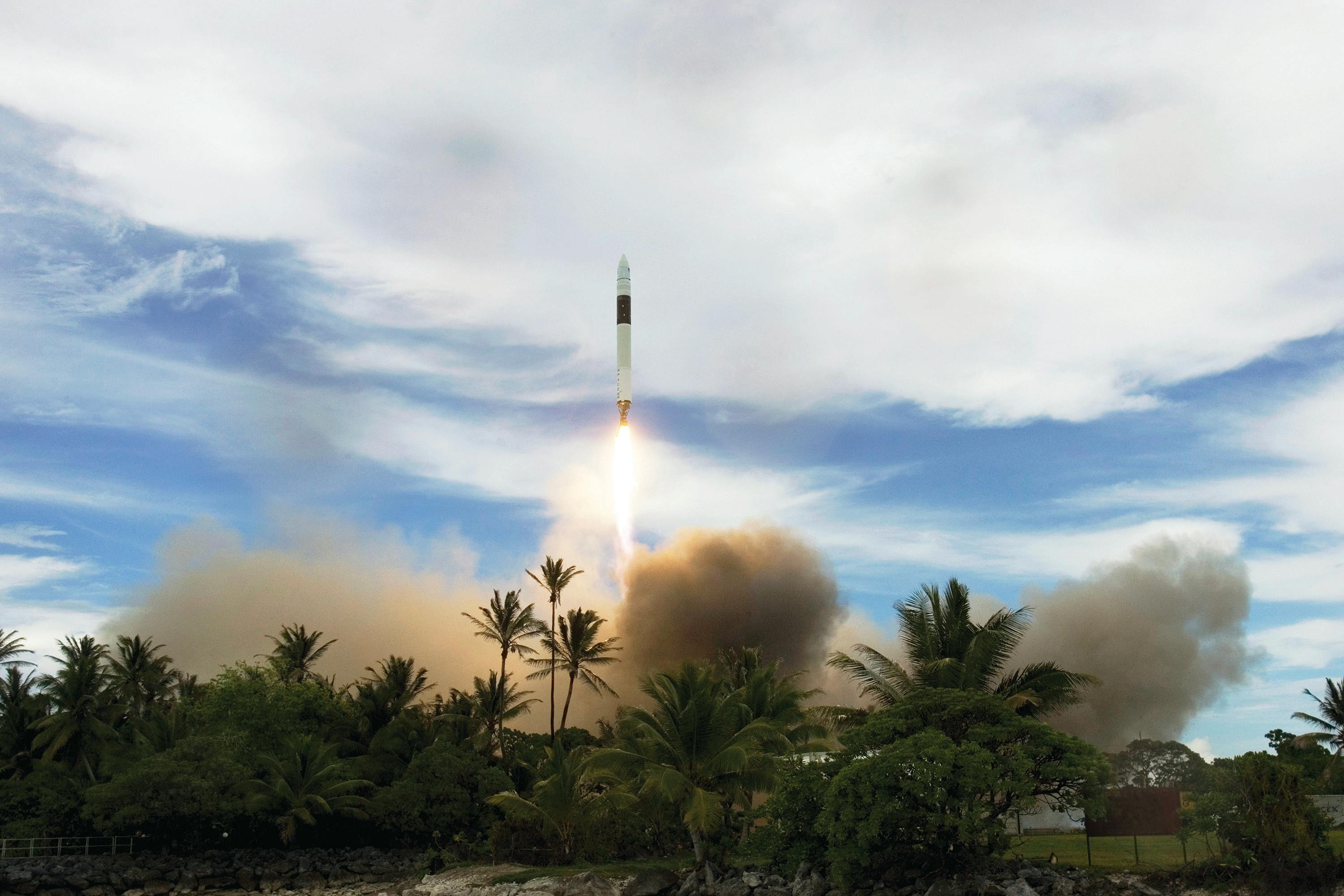
SpaceX prepares for sixth Starship flight, slated for mid-November, following successful fifth test in October.
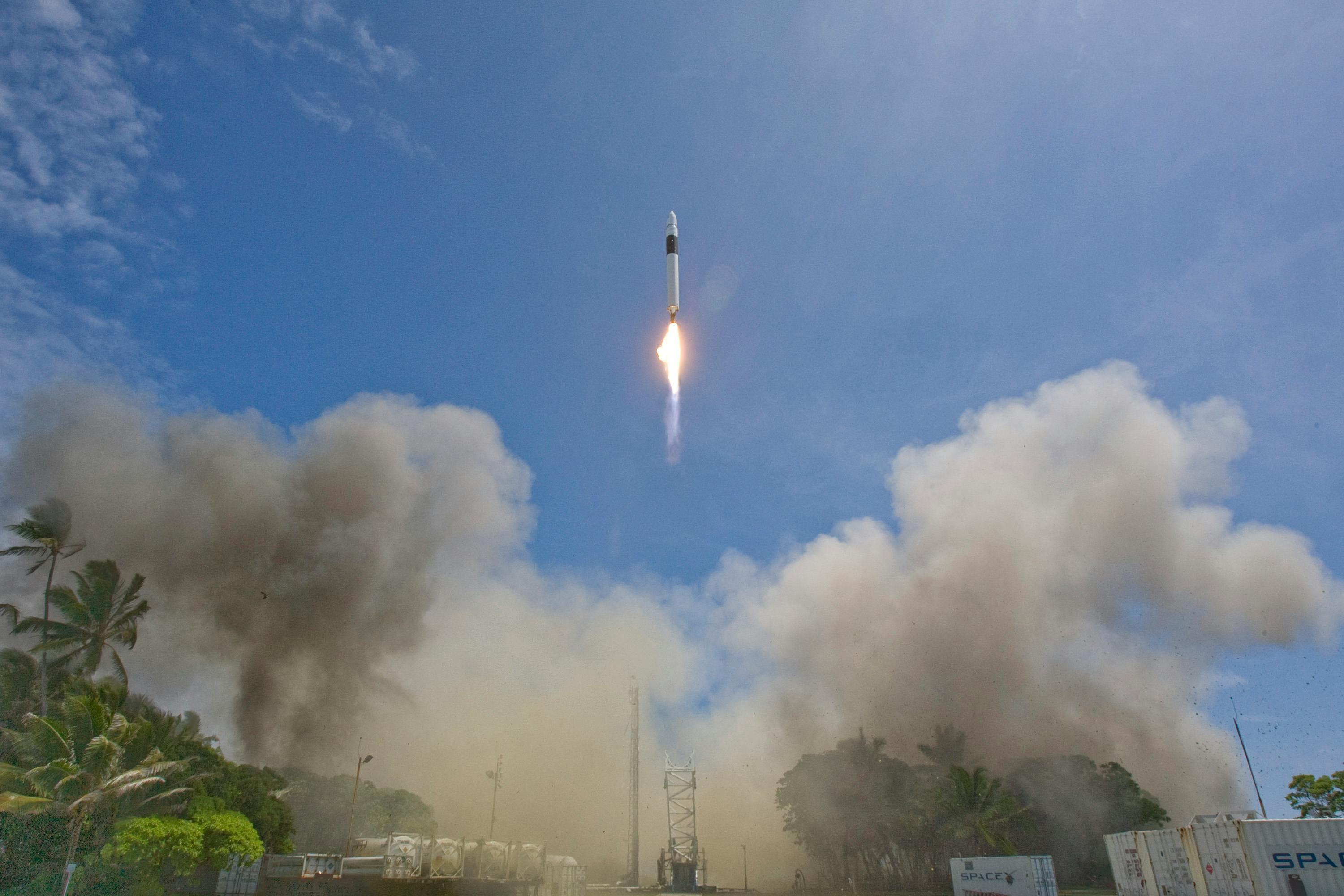
SpaceX successfully launched 29 Starlink satellites, marking the start of a busy month for their satellite deployment efforts. The mission is part of an ongoing expansion of their broadband internet constellation.
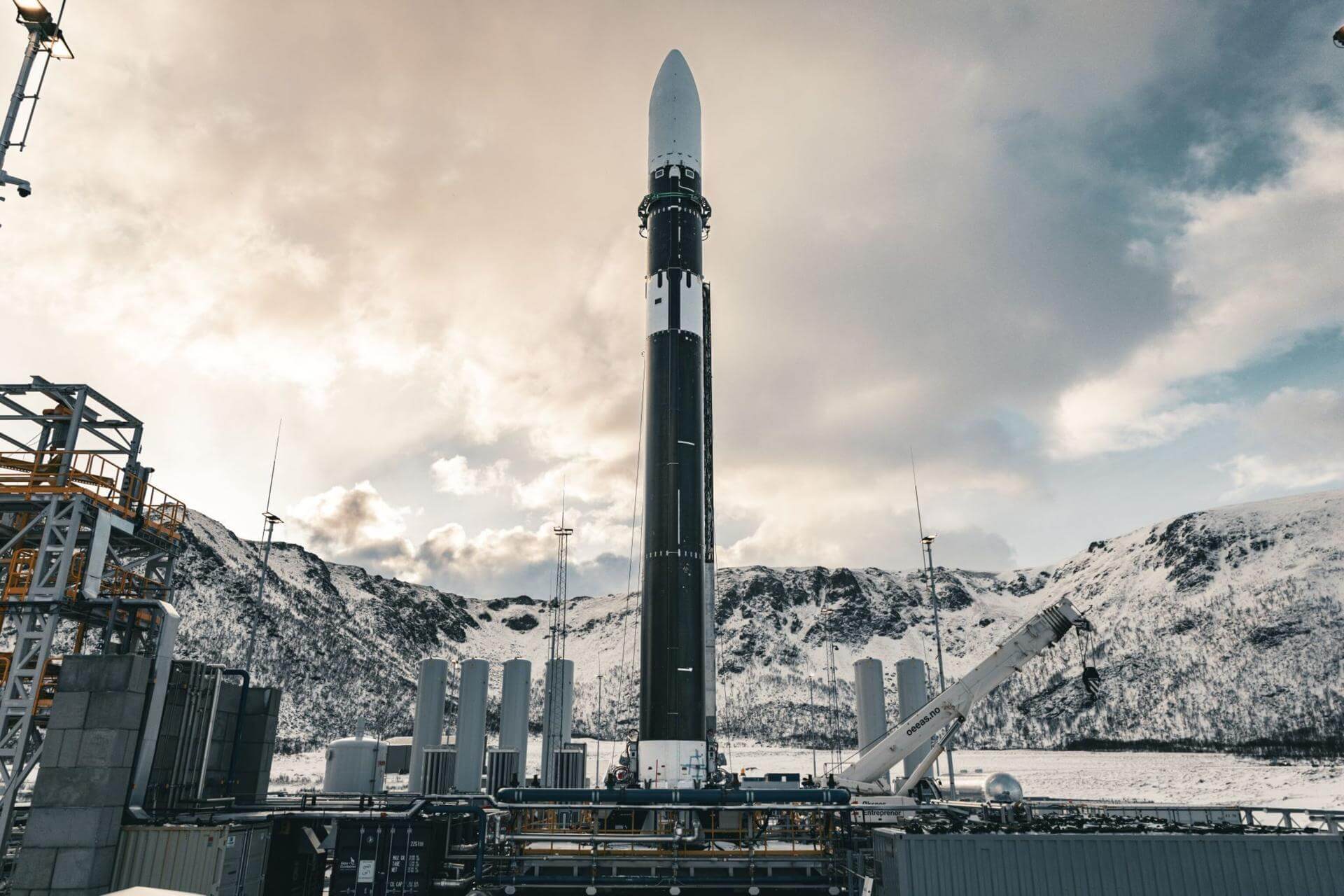
Exploring the future of space with concerns on space debris, rapid growth in orbital data centers, and new developments at launch sites.
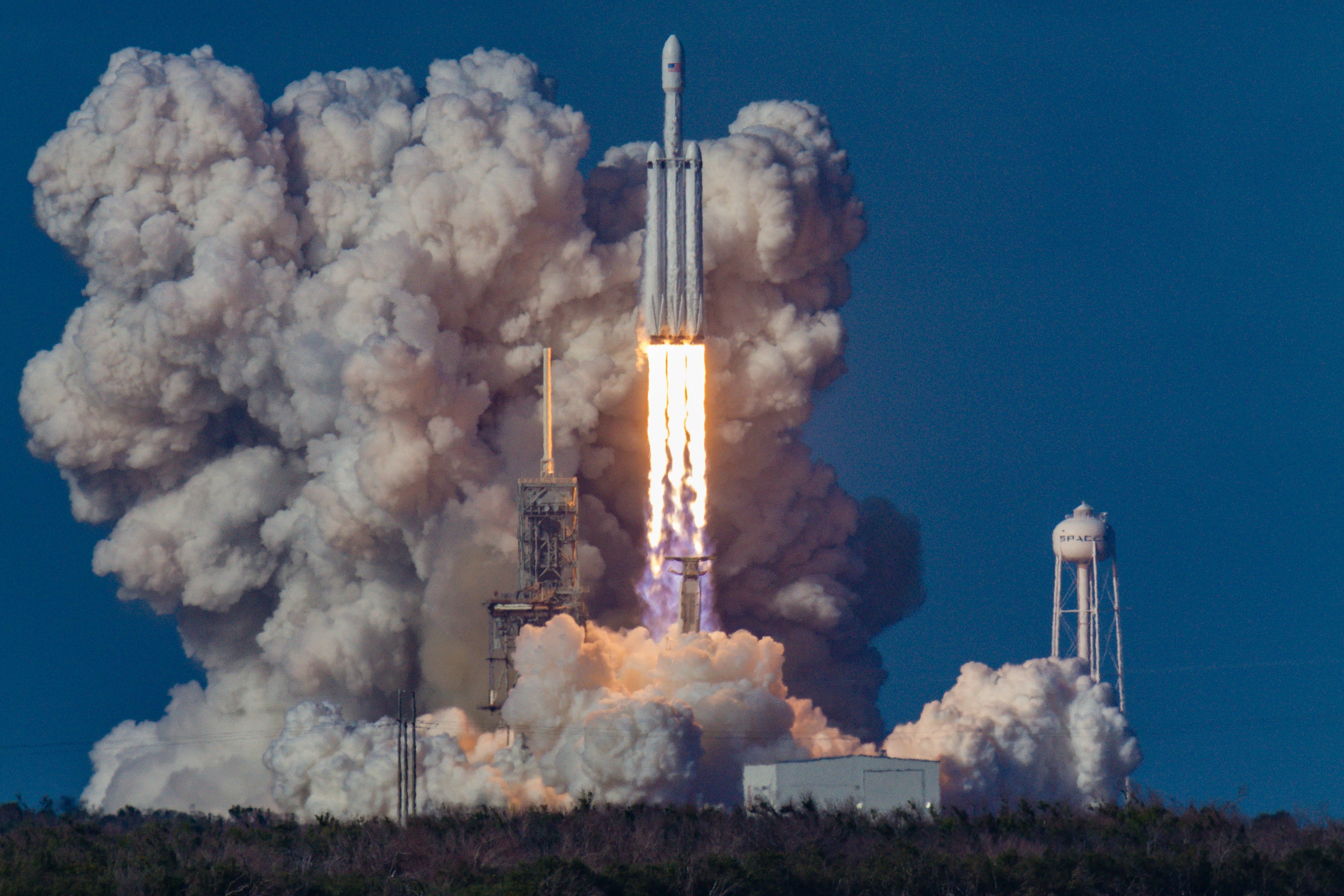
SpaceX successfully completed its 100th Starlink mission of the year and launched the 'Haven Demo' private space station along with 17 other satellites. The company also made strides in lunar lander development for Artemis III.
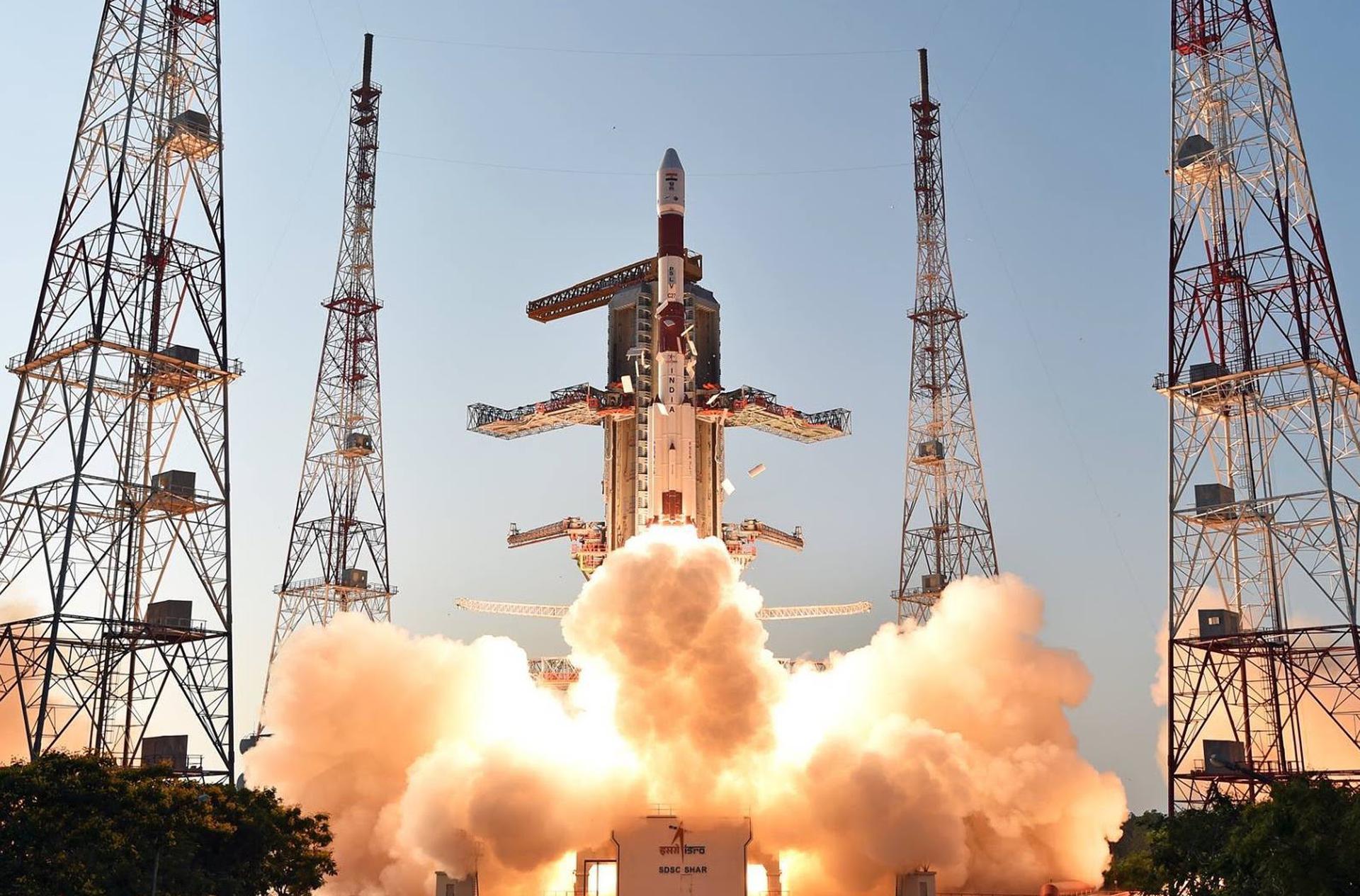
Highlighting ExLabs' Space Force contract, Starlink advances, and developments in orbital communication tech.
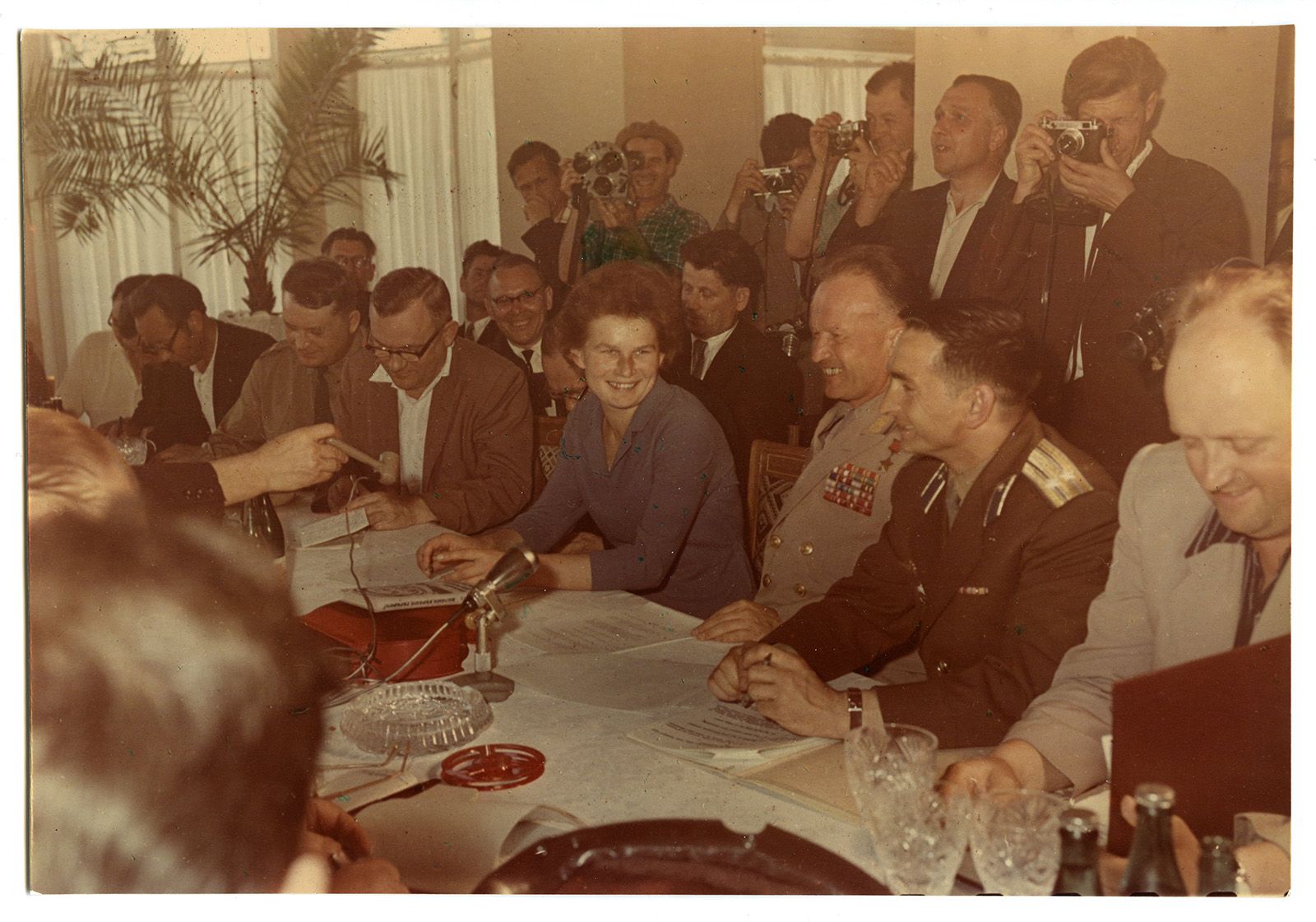
On 16 June 1963, a 26-year-old former textile worker named Valentina Tereshkova launched aboard Vostok 6 and spent nearly three days alone in orbit. She flew 48 times around the Earth, longer than every American astronaut combined, and spotted a dangerous flaw in her descent program that ground controllers had missed.