GOES 7 (17561)

COSPAR: 1987-022A | Alt Name: GOES 7

Image
GOES 7 Satellite Image
Additional Sources
Launch Details

Launch Date

February 26, 1987

Launch Pad

LC17A

Launch Vehicle

Delta 3924

Orbital Elements

NORAD ID

17561

International Designator

1987-022A

Epoch

Sat, 04 Jul 2026 00:30:09 GMT

Apogee

Calculating...

Perigee

Calculating...

Inclination

12.91°

Right Ascension

337.53°

Eccentricity

Calculating...

Argument of Perigee

47.62°

Period

1441.59 min

Mean Motion

1.00 rev/day

Latitude

Calculating...

Longitude

Calculating...

Altitude

Calculating...

Velocity

Calculating...

Polar Plot
3D Visualization
Basic Satellite Info

Name

GOES 7

Alternative Name

GOES 7

Type

Payload

Status

Non-operational

Owner

NOAA

Country

United States

Constellation

N/A

Related Satellites

Major Events

N/A

Latest TLEs
1 17561U 87022A   26185.02093904  .00000059  00000-0  00000-0 0  9992
2 17561  12.9102 337.5262 0003014  47.6242 328.5450  0.99889835127138

Source: Celestrak

Summary
GOES 7 is a meteorological satellite launched by NOAA on February 26, 1987, from Cape Canaveral Air Force Station's Launch Complex 17A using a Delta 3924 launch vehicle. The spacecraft, manufactured by HSES, has dimensions of 3.7 meters in length and 2.2 meters in diameter with a span of 4.5 meters. It carries an improved VISSR equipment for meteorological observations and was equipped with solar cells (body-mounted) and batteries for power. GOES 7 has a dry mass of 356 kilograms and a launch mass of 456 kilograms, with the satellite's shape described as cylindrical with antennas. The mission of GOES 7 is focused on meteorology to enhance weather forecasting capabilities.
Physical Characteristics

Length

3.7

Diameter

2.2

Span

4.5

Dry Mass

356

Launch Mass

456

Shape

Cyl + Ant

Radar Cross Section

10.2783

Visual Magnitude

Unknown

Color

Unknown

Material Composition

Unknown

Technical Details

Payload

GOES H

Purpose

Meteorology

Mission

Meteorology

Manufacturer

HSES

Life Expectancy

Unknown

Bus

HS-371

Configuration

HS-371

Motor

Star 27

Equipment

improved VISSR,

Power System

Solar cells (body mounted), batteries

ADCS

Unknown

Transmitter Frequency

Unknown

Map
This tool will help you track the satellite's position and predict its upcoming passes over your location. Simply input the coordinates or click the geolocation button to get started.
Next Pass
Azimuth Elevation Time (Local)
Start Azimuth
Max Elevation
Stop Azimuth
Time Until
Pass Duration

Satellite Articles

View All Posts »

Learn more about satellites and other related topics.

Pentagon Allocates $8B for Space-Based Moving Target Tracking | KeepTrack Space Brief

Pentagon Allocates $8B for Space-Based Moving Target Tracking | KeepTrack Space Brief

Pentagon requests $8 billion for space-based moving target tracking constellation in FY2027 budget. New NORAD IDs expected as Space Force expands orbital ISR capabilities.
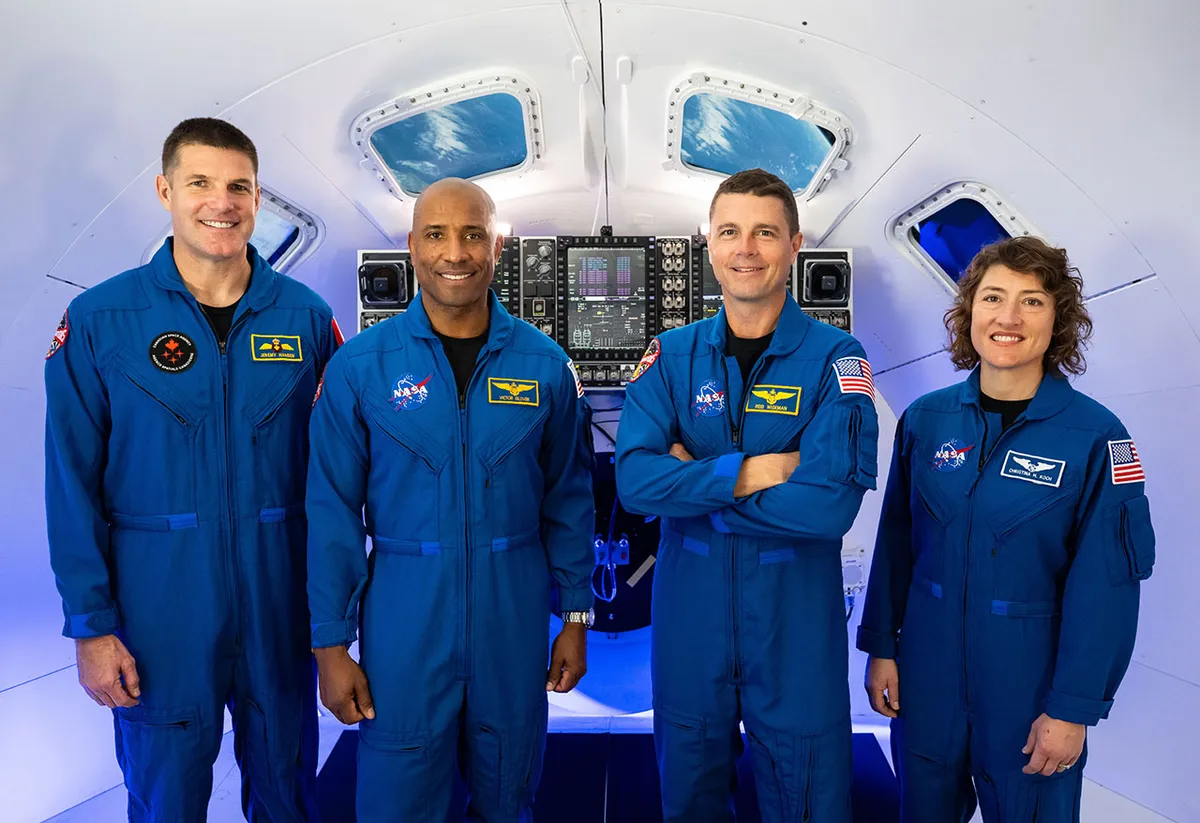
Artemis II

Artemis II

Four astronauts, a patched-together heat shield, and a $50 billion question: whether NASA can still send humans beyond low Earth orbit. Tomorrow, we find out.

Space Brief 8 Jul 2025

Space Brief 8 Jul 2025

Today's highlights include the cancellation of Starship landing plans, Planet Labs' defense expansion, and cutting-edge radiation-hardened tech for space and defense.

SpaceX Launches 1,500th Starlink of 2026, Space Brief 15 Jun 2026

SpaceX Launches 1,500th Starlink of 2026, Space Brief 15 Jun 2026

SpaceX launches its 1,500th Starlink satellite of 2026 as shares jump 19% on Nasdaq debut day. Musk targets $1 trillion in annual revenue by 2030.

Space Brief 29 Jan 2025

Space Brief 29 Jan 2025

Today's briefing covers the Space Force's plans for future launches, new initiatives in missile defense, and the latest on military and aerospace advancements.

X Report 15 Aug 2025

X Report 15 Aug 2025

SpaceX achieves significant milestones with multiple satellite launches and ongoing challenges in rural broadband funding. Noteworthy advances in Starlink capabilities enhance international connectivity.

The Telescope That Needed Glasses

The Telescope That Needed Glasses

On April 25, 1990, the Space Shuttle Discovery's robotic arm lifted a 11,110-kilogram barrel of mirrors and instruments out of the payload bay and released it into orbit. Six weeks later, the first images came back badly out of focus. The Hubble Space Telescope had been ground to the wrong prescription, and America had just spent $2.5 billion on what the press was calling a 'technoturkey.'

X Report 23 Oct 2025

X Report 23 Oct 2025

SpaceX continues to break records with its Falcon 9 missions while facing public scrutiny from Elon Musk regarding NASA's leadership. Meanwhile, satellite spectrum battles heat up as Lynk Global and Omnispace prepare to merge.