


Falcon 9 Booster Flies 35th Mission, Deploys 29 Starlinks | KeepTrack X Report
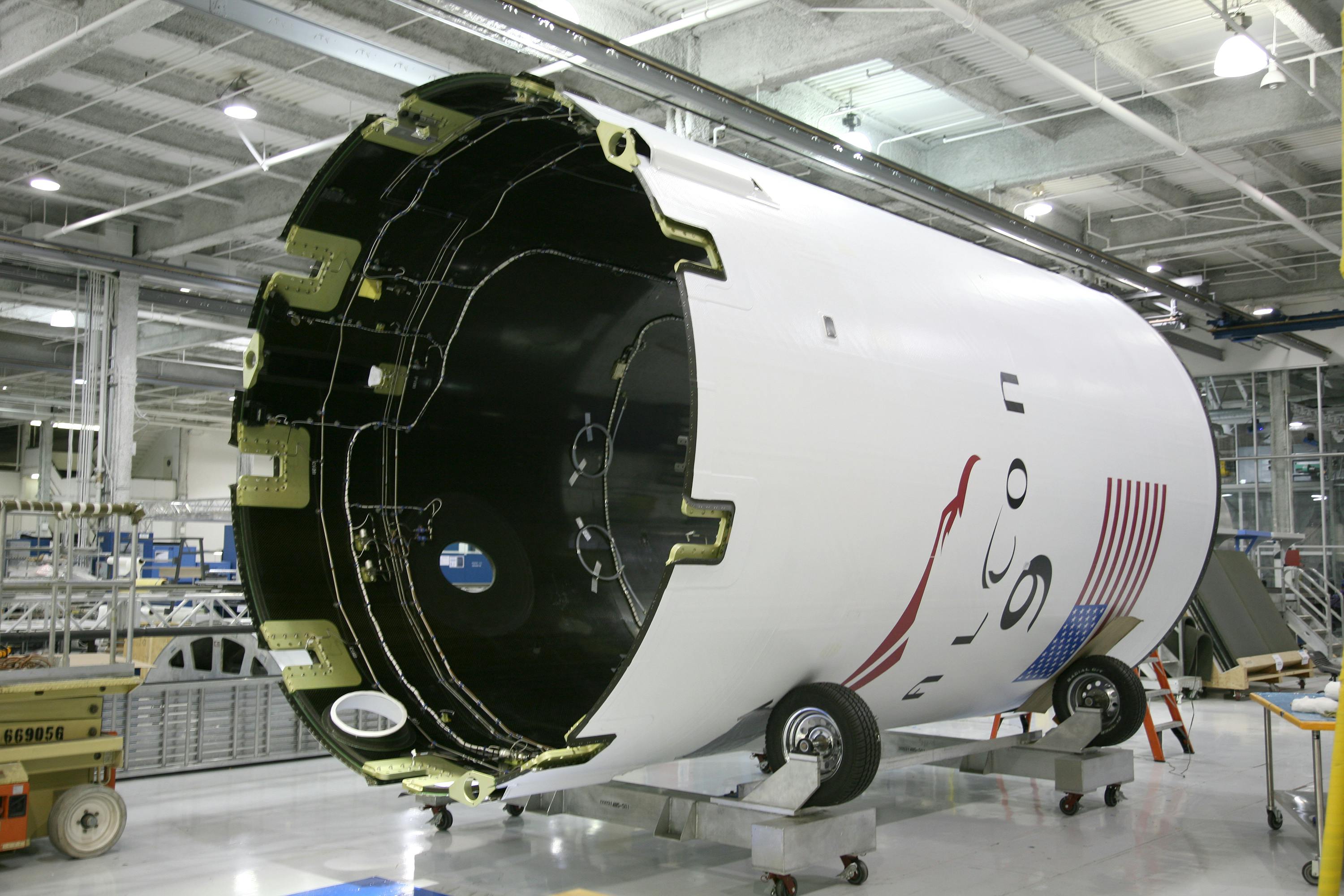
SpaceX flew a Falcon 9 booster for a record 35th time on July 10, deploying 29 Starlink satellites as direct-to-cell tech expands to pet collars.


Launch Date
February 20, 1987
Launch Site
PLMSC
Launch Pad
LC32/2
Launch Vehicle
Tsiklon-3
NORAD ID
17535
International Designator
1987-020A
Epoch
Sat, 04 Jul 2026 06:54:55 GMT
Apogee
Calculating...
Perigee
Calculating...
Inclination
73.60°
Right Ascension
19.97°
Eccentricity
Calculating...
Argument of Perigee
222.59°
Period
116.00 min
Mean Motion
12.41 rev/day
Latitude
Calculating...
Longitude
Calculating...
Altitude
Calculating...
Velocity
Calculating...
Name
COSMOS 1823
Alternative Name
Kosmos-1823
Type
Status
Owner
VTS
Country
USSR
Constellation
N/A
Related Satellites
Major Events
N/A
1 17535U 87020A 26185.28814763 -.00000038 00000-0 -14828-3 0 9998
2 17535 73.6015 19.9744 0028473 222.5939 310.3937 12.41380239783989
Source: Celestrak
Length
5.8
Diameter
2.4
Span
17.8
Dry Mass
1545
Launch Mass
1545
Shape
Cyl + 2 Pan + Ant
Radar Cross Section
12.8194
Visual Magnitude
Unknown
Color
Unknown
Material Composition
Unknown
Payload
Musson No. 19L
Purpose
Geodesy
Mission
Geodesy
Manufacturer
NPOPM
Life Expectancy
1 - 2 years
Bus
KAUR-1 11F666
Configuration
KAUR-1
Motor
Unknown
Equipment
Unknown
Power System
8 deployable fixed solar arrays, solar cells, batteries
ADCS
Unknown
Transmitter Frequency
Unknown
Learn more about satellites and other related topics.
SpaceX flew a Falcon 9 booster for a record 35th time on July 10, deploying 29 Starlink satellites as direct-to-cell tech expands to pet collars.
SpaceX prepares for a historic Falcon 9 landing attempt in The Bahamas, while also contributing to FAA air traffic control modernization.
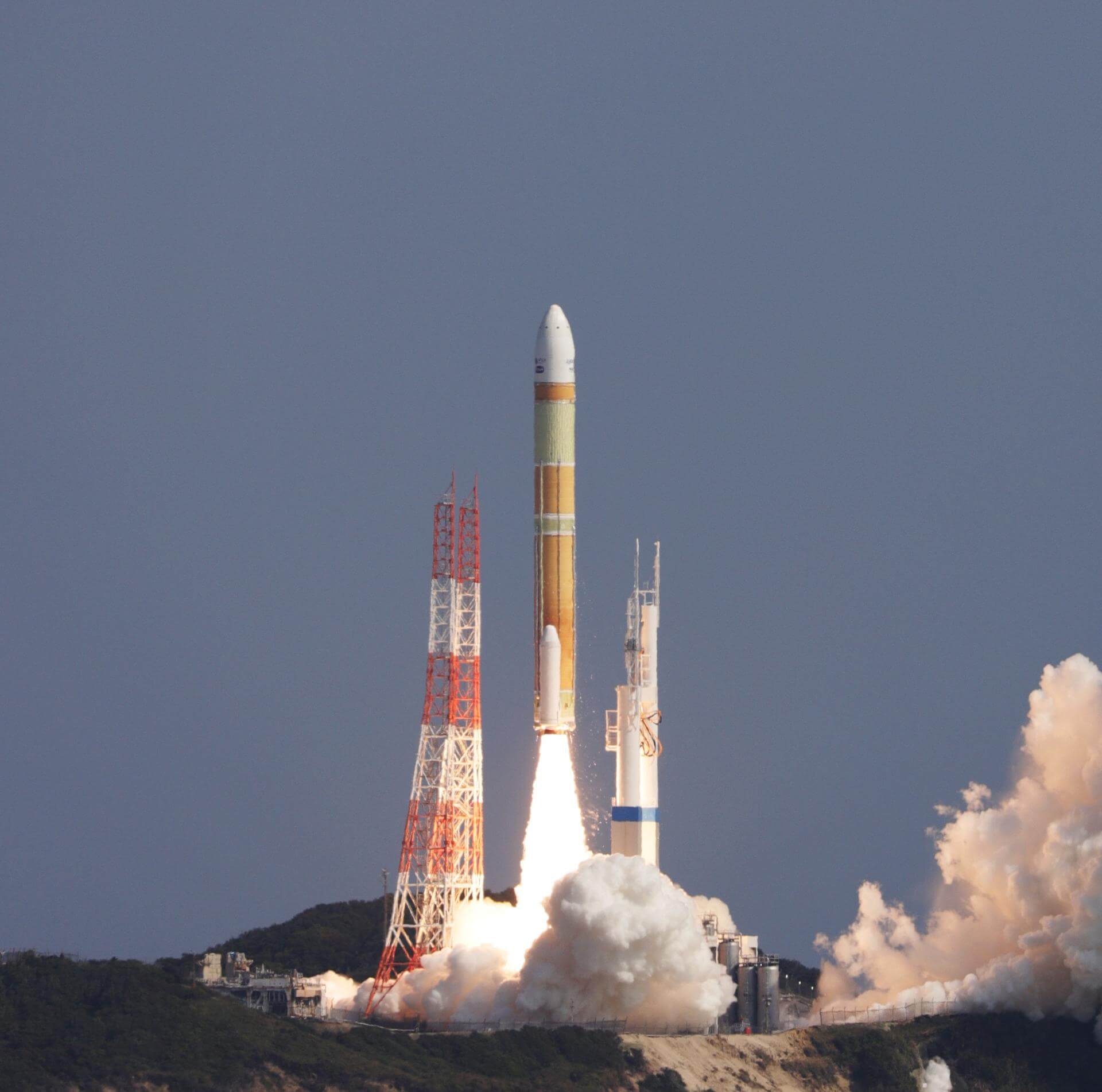
Explore today's pivotal news in space with highlights on record government space budgets, military satellite developments, and significant industry shifts.
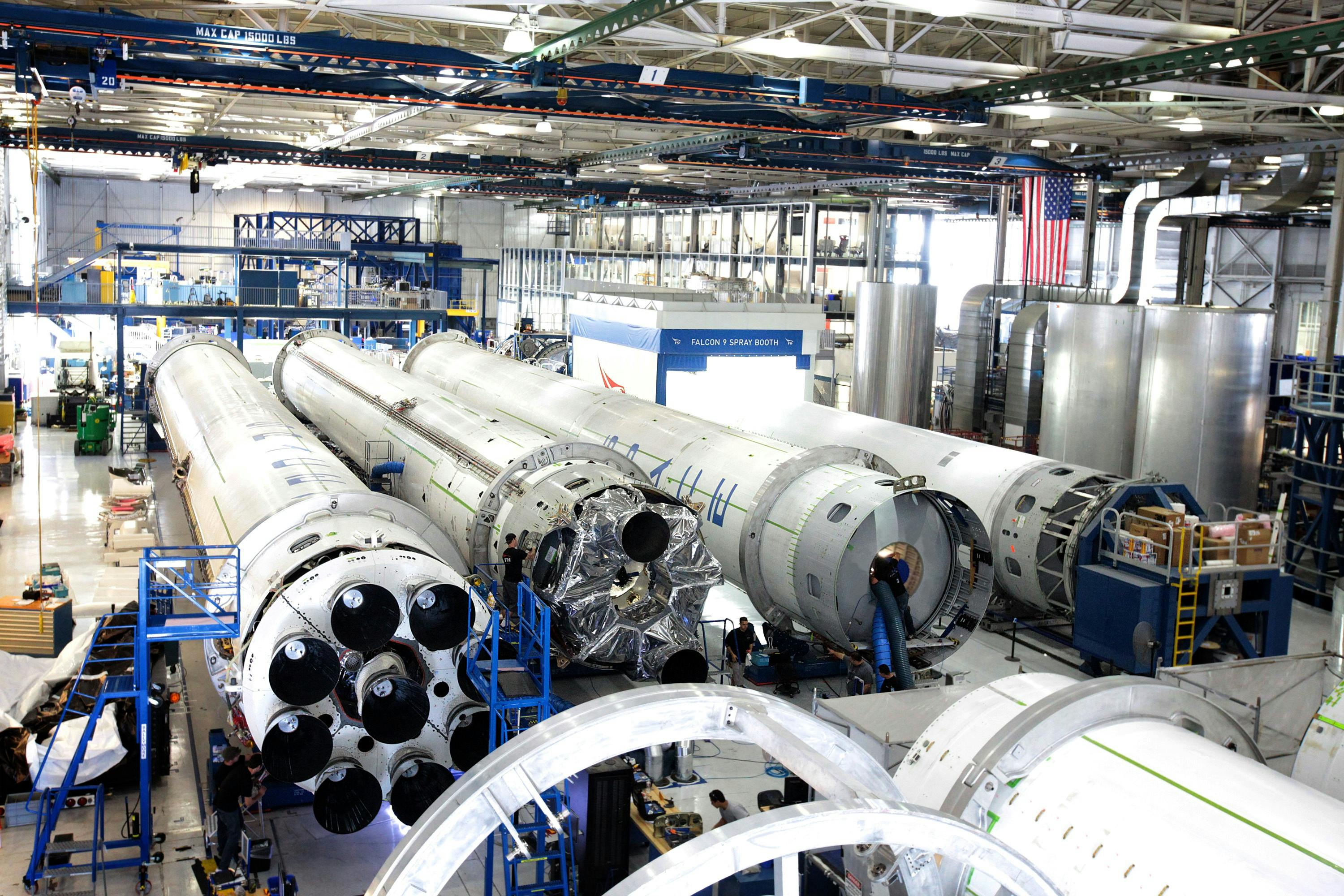
SpaceX achieves a new milestone with a Falcon 9 landing near The Bahamas, closely following Rocket Lab's successful satellite launch.
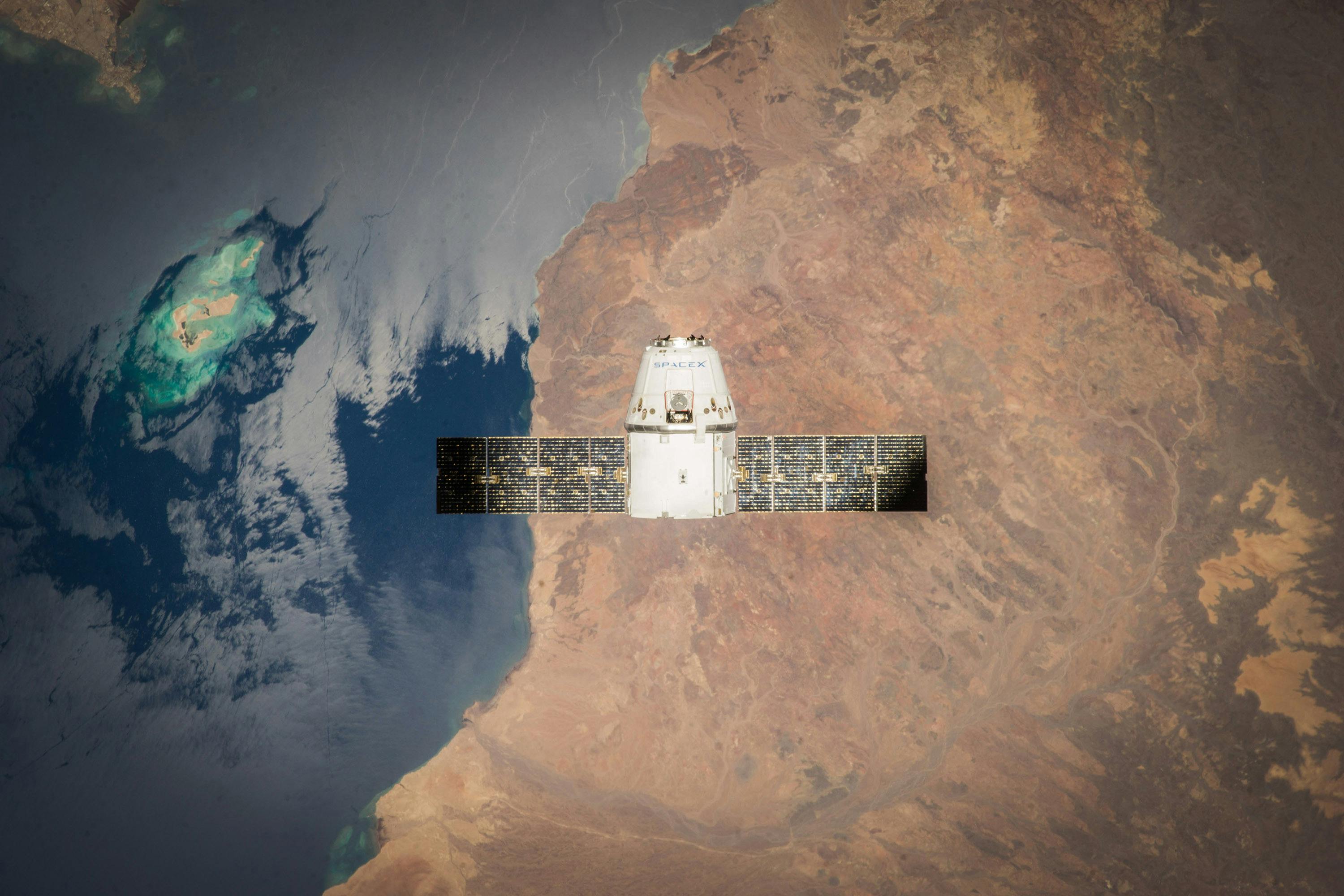
SpaceX sees another successful Starlink launch and faces strategic contract discussions as NASA pivots to reliable Dragon missions.

Tensions between SpaceX and the U.S. government escalate as President Trump's threats could have significant implications on the company's operations and future plans. Meanwhile, India takes a significant step in its space endeavors with a historic astronaut launch.

Today's brief highlights a landmark cooperation between NASA and China to prevent satellite collision, strategic steps in American space leadership through nuclear energy, a U.S. military missile test, and more.
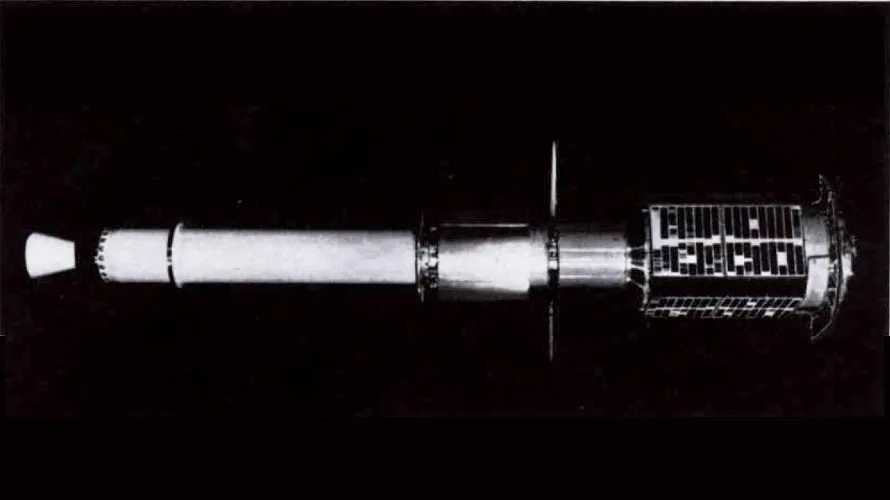
On April 27, 1961, a Scout rocket lifted a 37-kilogram NASA satellite into orbit from Wallops Island carrying the first serious instrument for detecting cosmic gamma rays. Explorer 11 operated for seven months before its tape recorder failed. In that time it registered 22 gamma-ray photons - a pitiful number by modern standards, but enough to launch an entire branch of astronomy.