COSMOS 1813 DEB (17515)

COSPAR: 1987-004BD | Alt Name: deb Kosmos-1813
DECAYED

Image
COSMOS 1813 DEB Satellite Image
Additional Sources
Launch Details

Launch Date

January 15, 1987

Launch Site

PLMSC

Launch Pad

LC43/3

Launch Vehicle

Soyuz-U

Orbital Elements

NORAD ID

17515

International Designator

1987-004BD

Decay Date

5/17/1987

Basic Satellite Info

Name

COSMOS 1813 DEB

Alternative Name

deb Kosmos-1813

Type

Debris

Status

Space Junk

Owner

UNKS

Country

USSR

Constellation

N/A

Related Satellites

Major Events

N/A

Summary
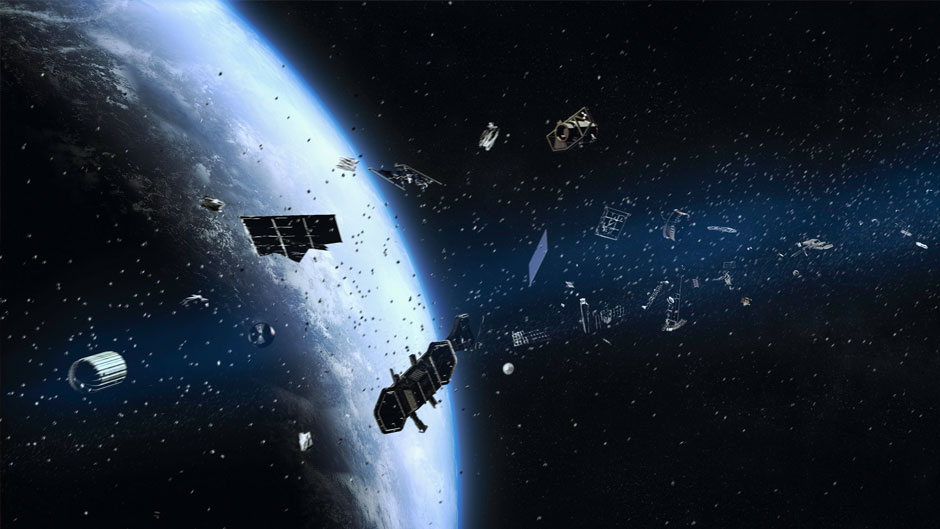
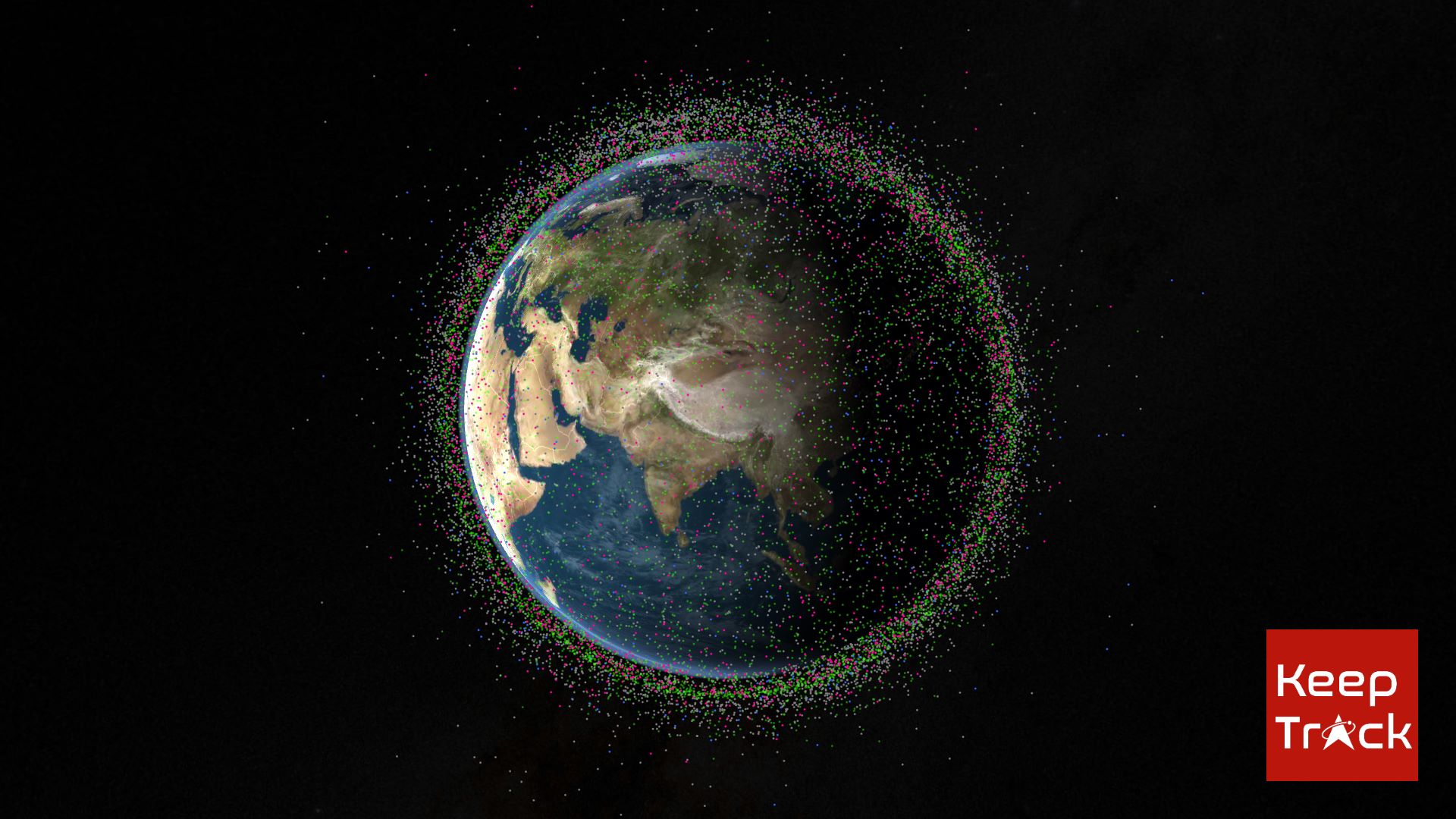
Space debris, also known as space junk, encompasses all non-functional objects orbiting Earth such as defunct satellites, spent rocket stages, and fragments from collisions or disintegrations. Over time, this debris can accumulate and create an increasingly hazardous environment in orbit. Even tiny fragments, traveling at extremely high velocities, can inflict significant damage on operational satellites and spacecraft. If left unmanaged, the density of debris raises the risk of catastrophic collisions and further fragmentation, compounding the problem and threatening the safety and sustainability of space activities.
Physical Characteristics

Length

0

Diameter

0

Span

0

Dry Mass

0

Launch Mass

0

Shape

N/A

Radar Cross Section

1.47

Visual Magnitude

Unknown

Color

Unknown

Material Composition

Unknown

Technical Details

Payload

Unknown

Purpose

Unknown

Mission

Unknown

Manufacturer

Unknown

Life Expectancy

Unknown

Bus

Unknown

Configuration

Unknown

Motor

Unknown

Equipment

Unknown

Power System

Unknown

ADCS

Unknown

Transmitter Frequency

Unknown

Satellite Articles

View All Posts »

Learn more about satellites and other related topics.

York Space Goes Public at $629M, Cold War JUMPSEAT Spy Satellites Declassified | KeepTrack Space Brief

York Space Goes Public at $629M, Cold War JUMPSEAT Spy Satellites Declassified | KeepTrack Space Brief

York Space raises $629M in IPO to expand satellite manufacturing. NRO declassifies Cold War-era JUMPSEAT spy satellites. Lockheed to boost THAAD interceptor production from 96 to 400 per year.

Low Earth Orbit (LEO)

Low Earth Orbit (LEO)

The bustling downtown of space: where most satellites operate, communication networks bloom, and the challenges of atmospheric drag and radiation shape our approach to space operations

Space Brief 18 Sep 2024

Space Brief 18 Sep 2024

Today's Space Brief covers Rocket Lab's IoT satellite launch, SpaceX's European Galileo satellites, FAA's fine on SpaceX, Polaris Dawn mission achievements, and more.

SpaceX Launches NROL-105 Spy Satellite, GE Validates Hypersonic Ramjet Engine | KeepTrack Space Brief

SpaceX Launches NROL-105 Spy Satellite, GE Validates Hypersonic Ramjet Engine | KeepTrack Space Brief

SpaceX launches NROL-105 spy satellite from Vandenberg in first national security mission of 2026. GE and Lockheed validate compact rotating detonation ramjet for hypersonic missiles.

Starship V3 Debut Slips as Booster 19 Rolls to Pad 2 | KeepTrack X Report

Starship V3 Debut Slips as Booster 19 Rolls to Pad 2 | KeepTrack X Report

Starship V3's maiden flight is delayed as SpaceX rolls Booster 19 to Pad 2 for Flight 9, while Falcon 9 completes its 30th mission of 2026.

X Report 5 Jan 2025

X Report 5 Jan 2025

SpaceX prepares for the next Starship test flight with significant vehicle upgrades, launches UAE's Thuraya-4 satellite, and reflects on a record-breaking 2024 while planning for a promising 2025.

X Report 11 Jun 2025

X Report 11 Jun 2025

SpaceX successfully launched 23 Starlink satellites while facing delays in launching the Axiom Space mission due to a propellant leak. Additionally, new US broadband rules favor Starlink's expansion into rural markets.

Starcloud Files 88,000-Satellite Constellation Plan | KeepTrack Space Brief

Starcloud Files 88,000-Satellite Constellation Plan | KeepTrack Space Brief

Starcloud files FCC plans for 88,000-satellite orbital data center constellation, matching scale of Starlink and Amazon Kuiper expansions. Massive LEO conjunction risk implications.