

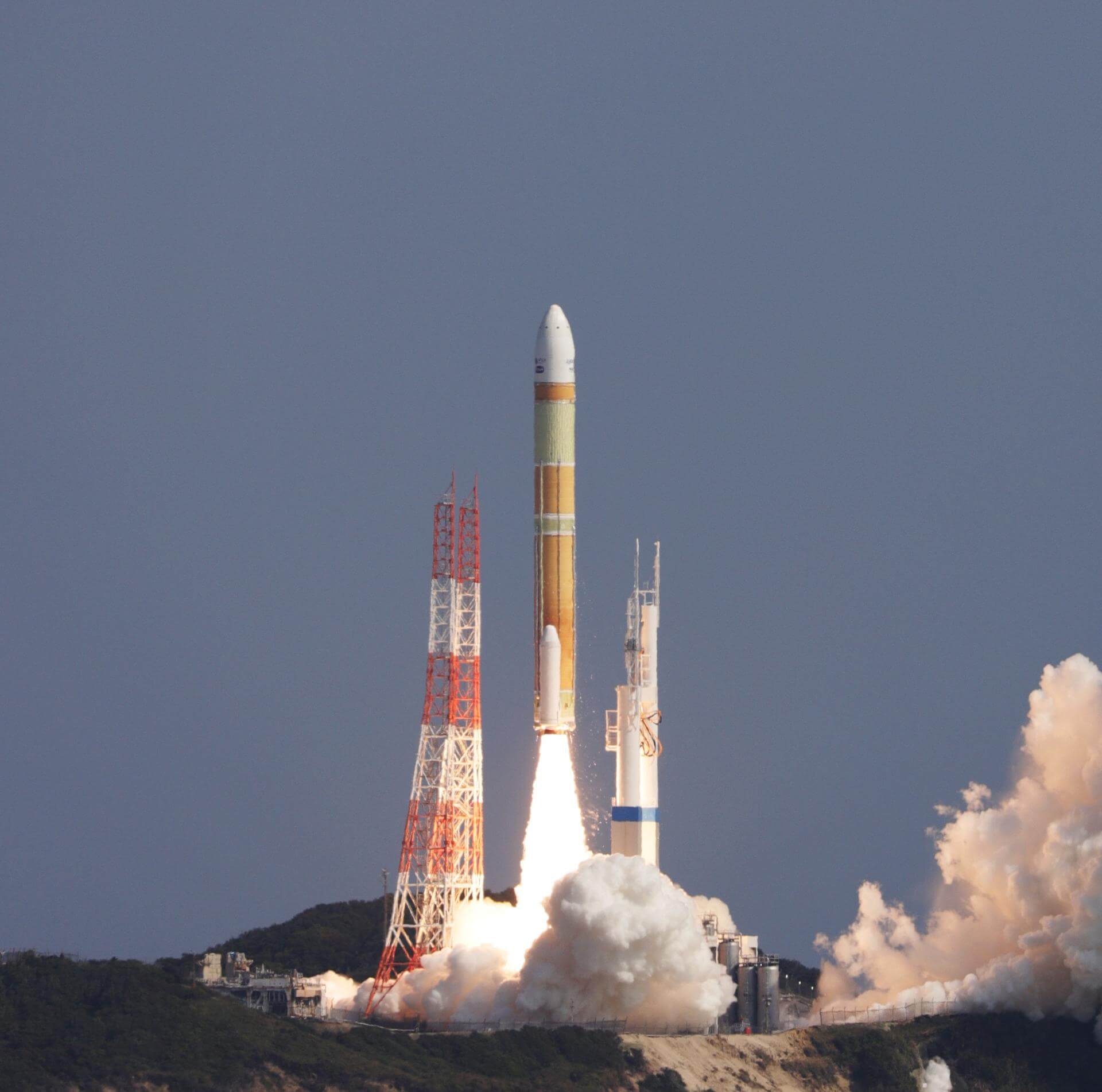
Space Brief 16 Jan 2025
Explore today's pivotal news in space with highlights on record government space budgets, military satellite developments, and significant industry shifts.


Launch Date
February 7, 1987
Launch Site
PLMSC
Launch Pad
LC43/4
Launch Vehicle
Soyuz-U
NORAD ID
17484
International Designator
1987-014A
Decay Date
2/18/1987
Name
COSMOS 1819
Alternative Name
Kosmos-1819
Type
Status
Owner
UNKS
Country
USSR
Constellation
N/A
Related Satellites
Major Events
N/A
Length
6
Diameter
2.2
Span
6
Dry Mass
2655
Launch Mass
2655
Shape
Sphere + DCone
Radar Cross Section
13.89
Visual Magnitude
Unknown
Color
Unknown
Material Composition
Unknown
Payload
Oblik No. 352
Purpose
Reconnaissance, photo (film return type)
Mission
Reconnaissance, photo (film return type)
Manufacturer
TSSKB
Life Expectancy
Unknown
Bus
Oblik
Configuration
Zenit bus
Motor
11D82M; S5.120 (maneuver module)
Equipment
Unknown
Power System
Batteries
ADCS
Unknown
Transmitter Frequency
Unknown
Learn more about satellites and other related topics.
Explore today's pivotal news in space with highlights on record government space budgets, military satellite developments, and significant industry shifts.
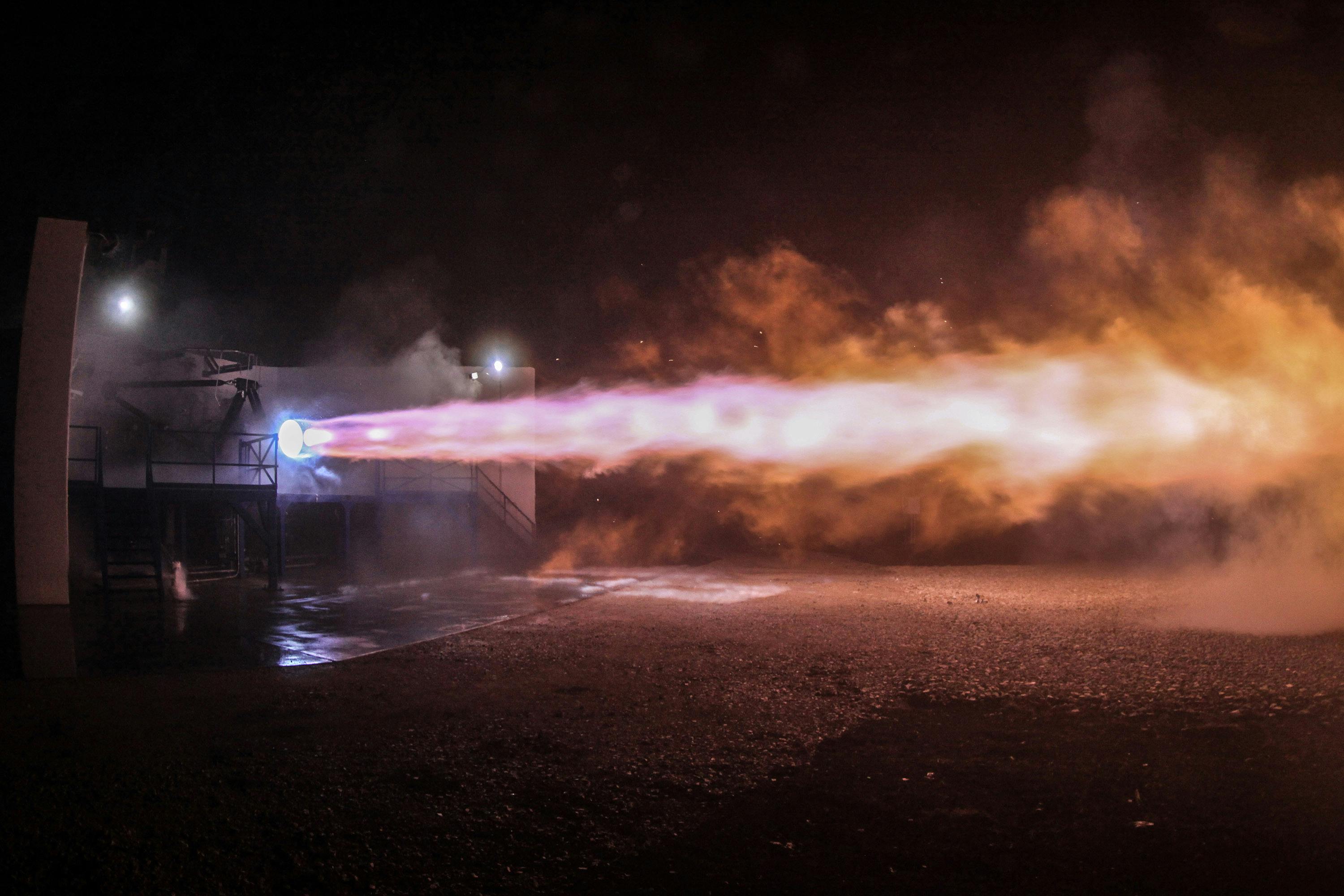
Canada reconsiders Starlink contract amidst US tariff delays, and new concerns arise over falling space debris.

Northrop Grumman's GEM 63XL solid rocket booster passed static fire testing, but ULA's investigation into a February 2026 Vulcan in-flight anomaly remains open. No RTF date set.
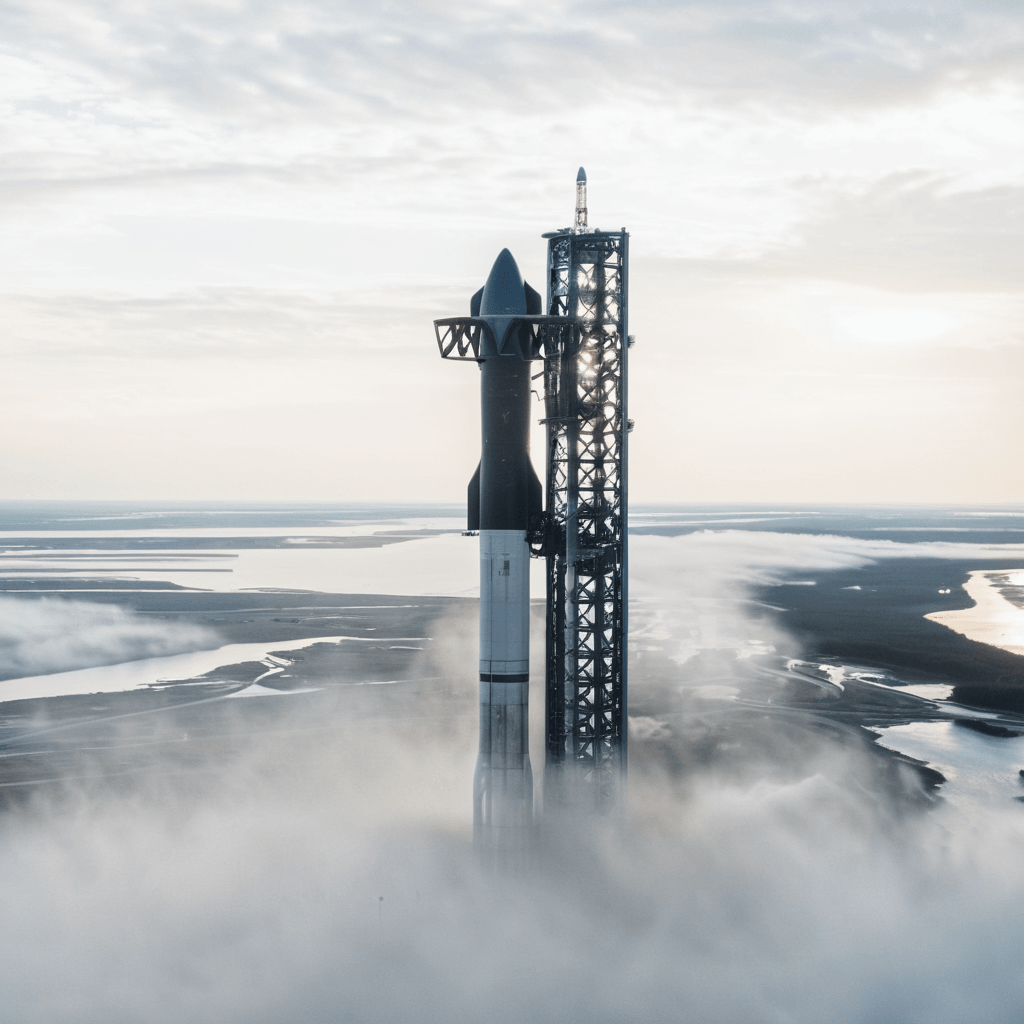
As the largest and most powerful rocket ever built, it's designed for full reusability and rapid launch turnaround. SpaceX claims it could carry over 100 tons to low Earth orbit at a fraction of current costs.

SpaceX continues to ramp up its operations with the launch of 29 more Starlink satellites, while significant upgrades at its Starbase facility signify ambitious future plans.

Discover the history and significance of Two-Line Element Sets (TLEs) in satellite tracking. Dive into their components, applications, and how they are evolving to meet future space challenges.
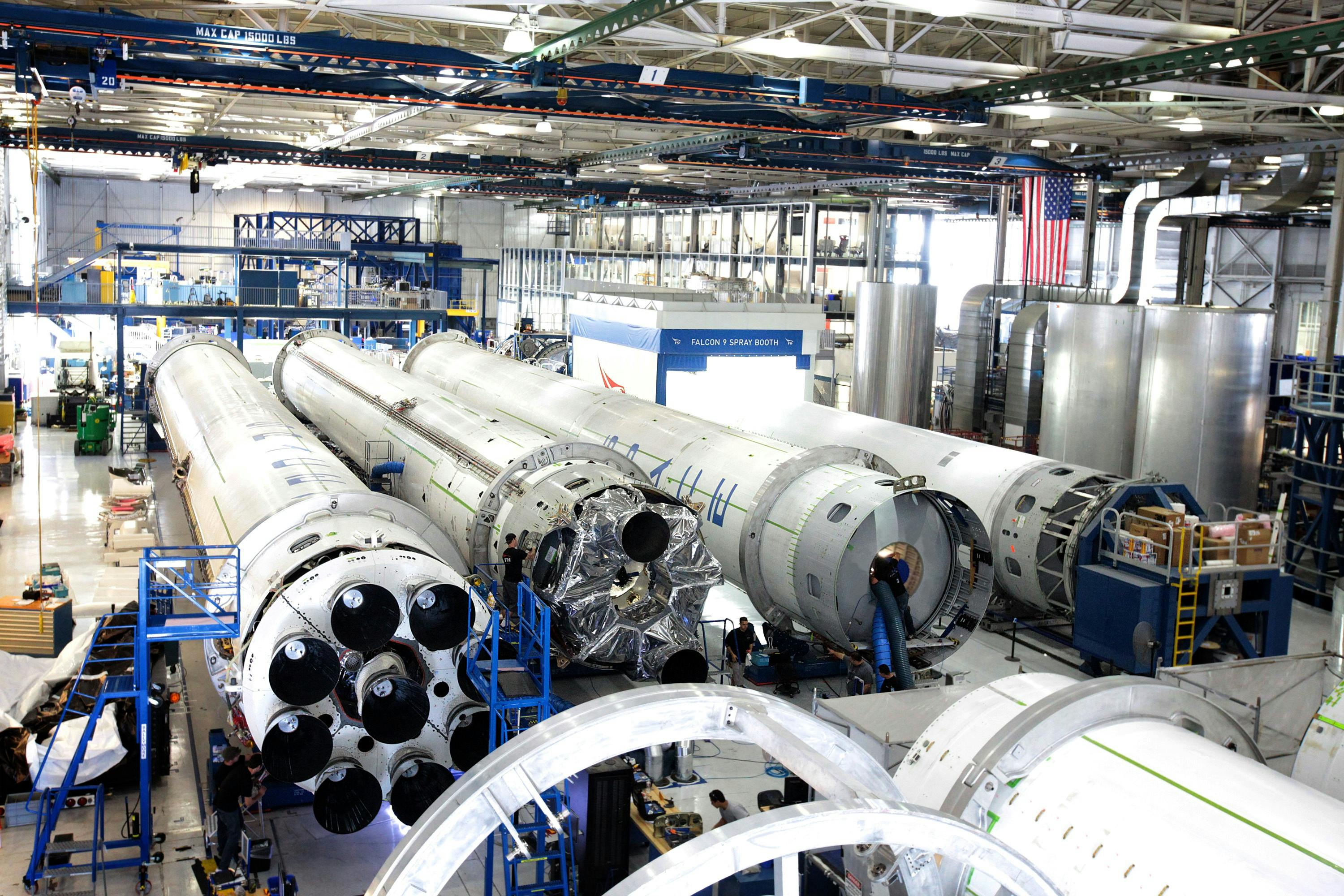
SpaceX's Falcon 9 delivered GPS III SV-10 at 0653 UTC, capping Lockheed Martin's 10-satellite series as SpaceX eyes a $60B AI coding acquisition pre-IPO.
Today's key topics include the halting of the U.S. Air Force's rocket landing pad plans, the Space Force's shift to a flexible satellite strategy, delays in Australia's Eris 1 rocket launch, and the controversial cut of satellite sea-ice data to climate scientists.