


Space Brief 5 Aug 2025
Today's Space Brief covers Lockheed Martin's pursuits in missile interception, key military advancements in space integration, the UK launch license for Skyrora, and much more.


Launch Date
February 5, 1987
Launch Site
Launch Pad
LC1
Launch Vehicle
Soyuz-U2
NORAD ID
17482
International Designator
1987-013A
Decay Date
7/30/1987
Name
SOYUZ-TM 2
Alternative Name
Soyuz TM-2
Type
Status
Owner
NPOE
Country
USSR
Constellation
N/A
Related Satellites
Major Events
N/A
Length
7.2
Diameter
2.2
Span
10.6
Dry Mass
2850
Launch Mass
2850
Shape
Sphere + Cone + Cyl + 2 Pan
Radar Cross Section
243.97
Visual Magnitude
Unknown
Color
Unknown
Material Composition
Unknown
Payload
Soyuz 7K-STM No. 52
Purpose
Crewed spacecraft
Mission
Crewed spacecraft
Manufacturer
NPOE
Life Expectancy
Unknown
Bus
7K-STM
Configuration
Unknown
Motor
KTDU-80 (S5.80)
Equipment
Unknown
Power System
2 deployable fixed solar arrays, batteries
ADCS
Unknown
Transmitter Frequency
Unknown
Learn more about satellites and other related topics.
Today's Space Brief covers Lockheed Martin's pursuits in missile interception, key military advancements in space integration, the UK launch license for Skyrora, and much more.
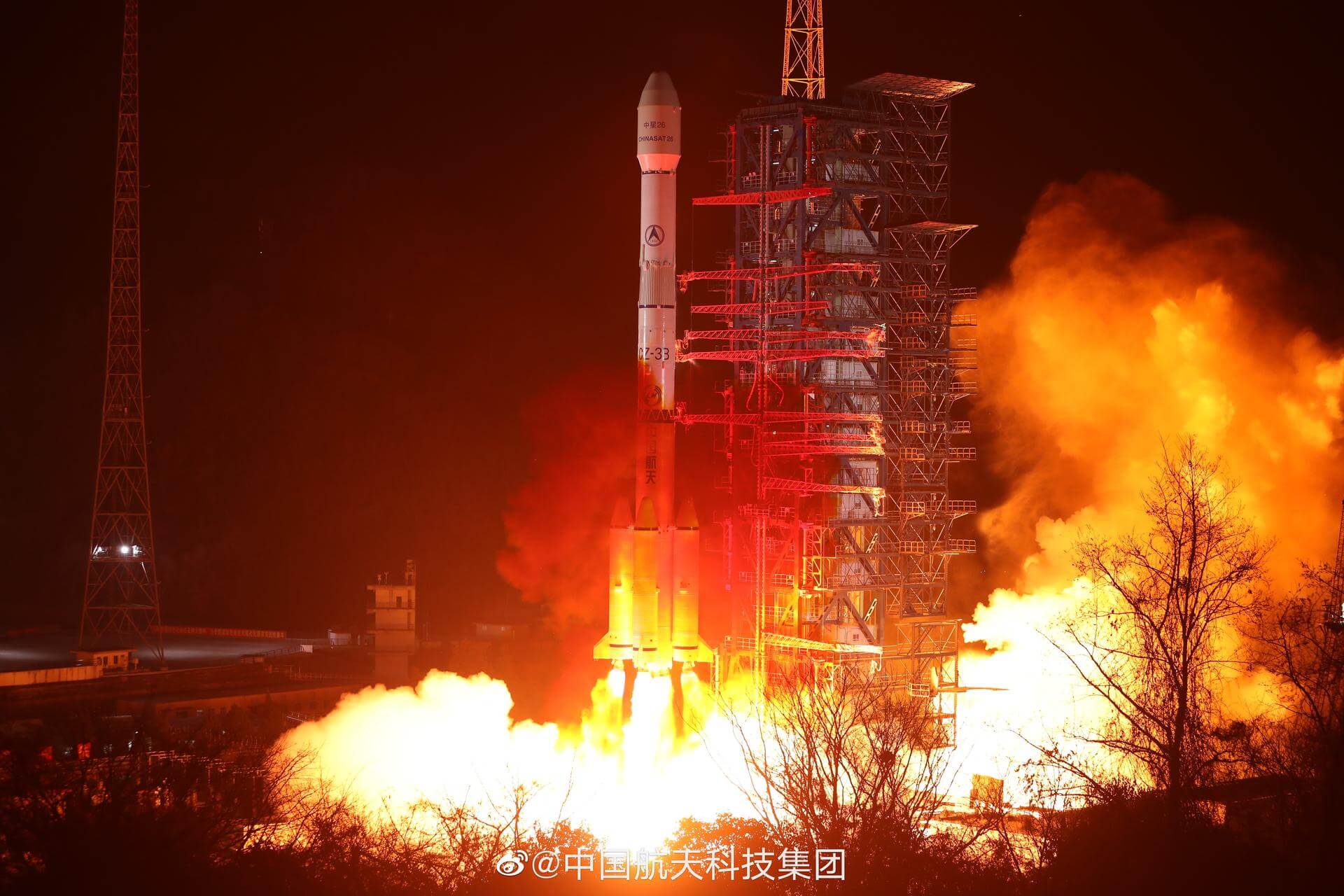
House appropriators approved $55.5 billion for Space Force but omitted $350 billion reconciliation funds, threatening Golden Dome and large-scale space programs' acquisition timelines.

SpaceX delays the launch of 23 Starlink satellites due to geomagnetic storm concerns, adjusting the schedule for an upcoming Falcon 9 mission.
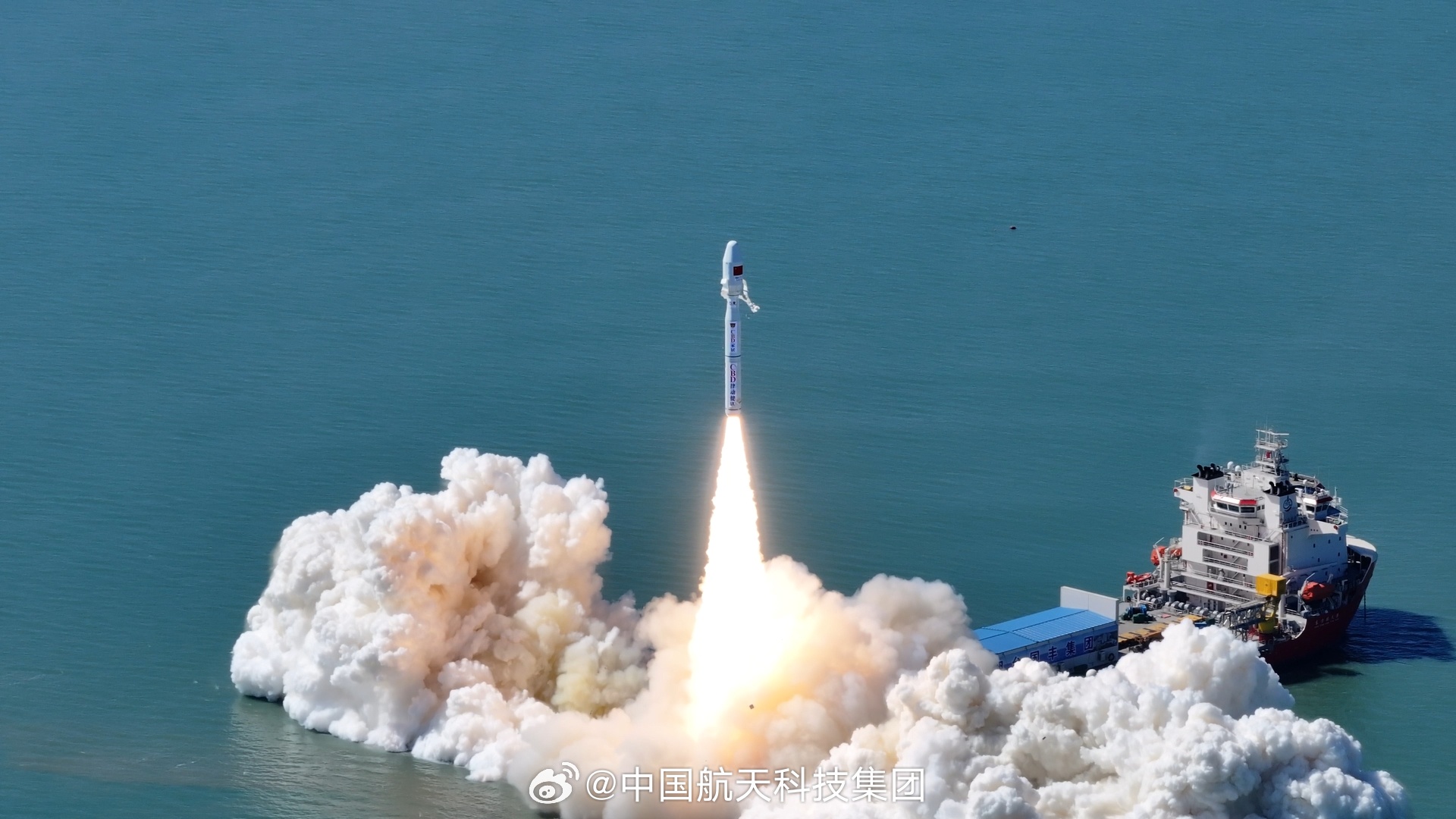
AI tools outperform human planners in Air Force battle management experiment. DARPA pursues quantum computing interoperability. Canada's Atlantic Spaceport Complex gets environmental approval.
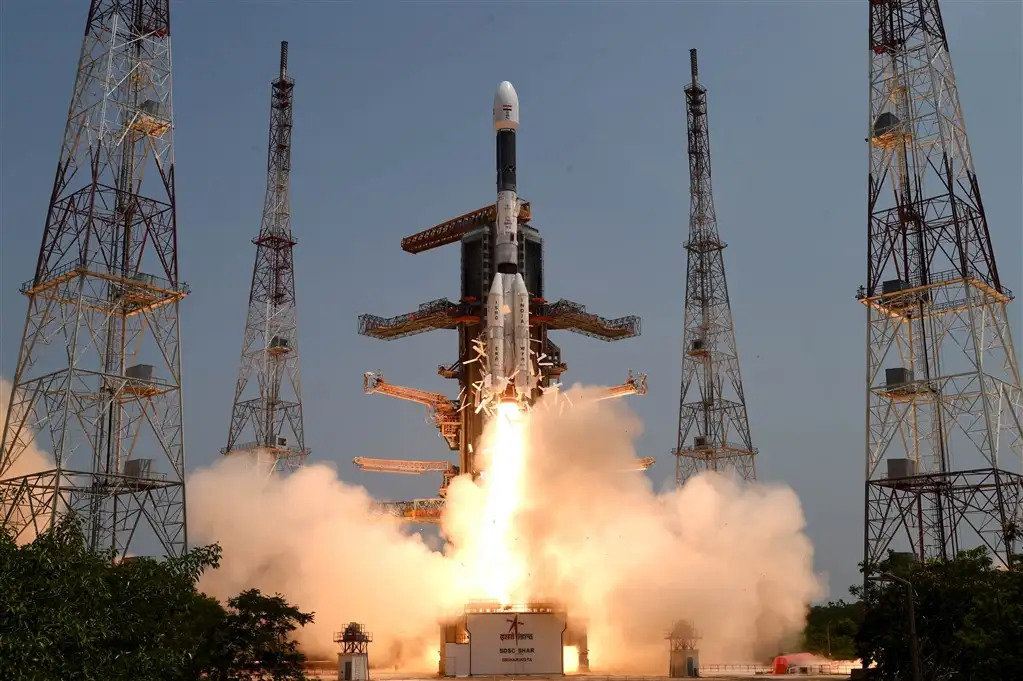
Focus on Varda's second mission launch, new U.S. Defense Department tool for satellite anomaly investigation, and a detailed Satellite Spotlight on CELESTIS 21/Varisat 1C.
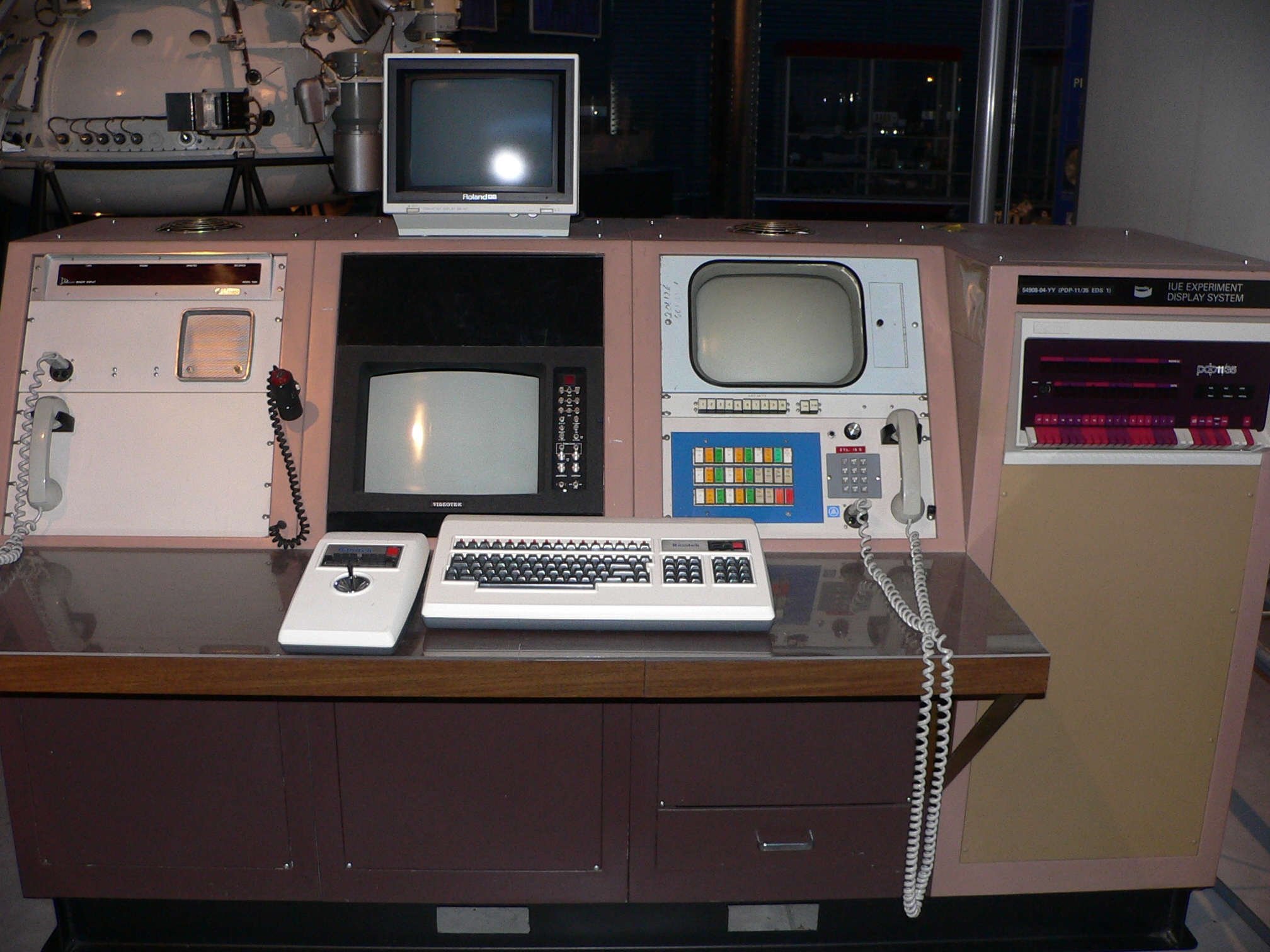
Forty-seven years ago, a revolutionary space telescope changed our view of the cosmos, pioneering international cooperation in space-based astronomy
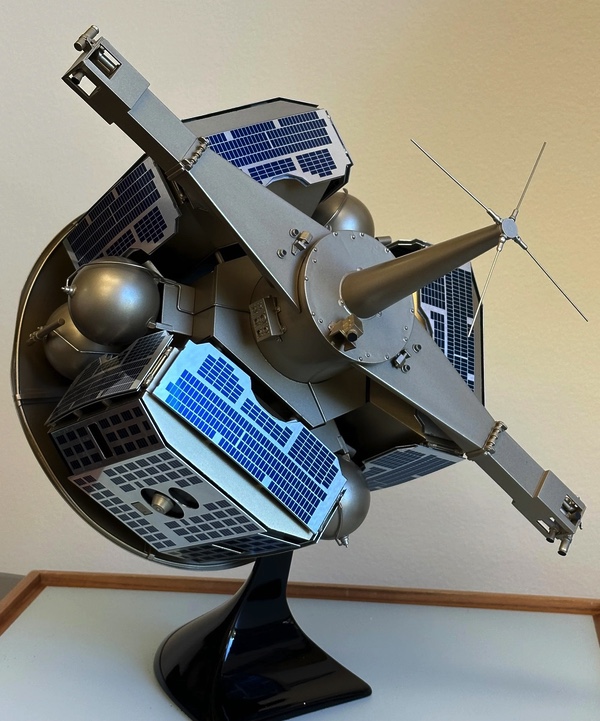
Forty-two years ago, an Atlas H rocket climbed into the California sky carrying four objects that would help the U.S. Navy track every Soviet warship on the planet - a mission so secret that even the satellites' true name wasn't declassified until 2023
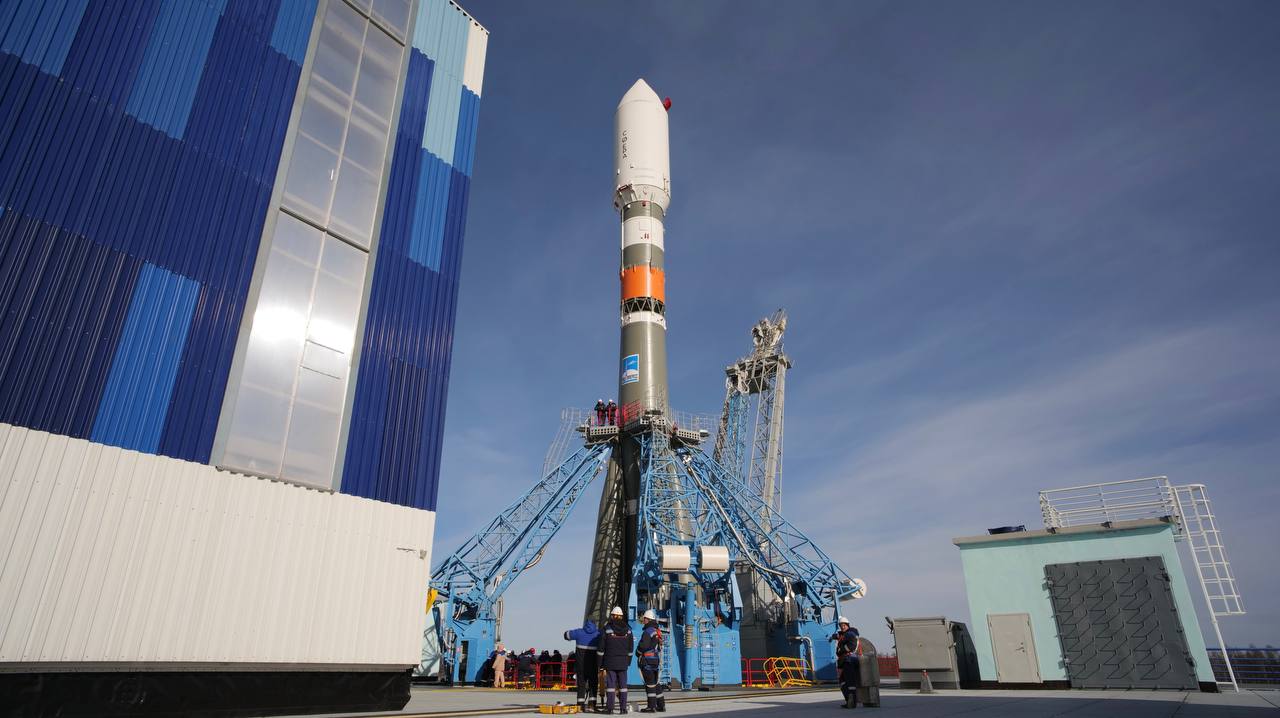
Today's brief covers influential space events including Space Force's interest in Starship, U.S. military constellation advancements, and technological developments in counter-drone capabilities.