

Space Brief 3 Nov 2025
Highlighting India's significant military satellite launch, real-time satellite tracking developments in Europe, SpaceX's new rideshare mission, and more space industry news.



Launch Date
February 22, 1986
Launch Site
FRGUI
Launch Pad
ELA1
Launch Vehicle
Ariane 1
NORAD ID
17460
International Designator
1986-019GX
Decay Date
3/16/1989
Name
ARIANE 1 DEB
Alternative Name
deb Ariane V16
Type
Status
Owner
AE
Country
France
Constellation
N/A
Related Satellites
Major Events
N/A
Length
0
Diameter
0
Span
0
Dry Mass
0
Launch Mass
0
Shape
N/A
Radar Cross Section
0.0115
Visual Magnitude
Unknown
Color
Unknown
Material Composition
Unknown
Payload
Unknown
Purpose
Unknown
Mission
Unknown
Manufacturer
Unknown
Life Expectancy
Unknown
Bus
Unknown
Configuration
Unknown
Motor
Unknown
Equipment
Unknown
Power System
Unknown
ADCS
Unknown
Transmitter Frequency
Unknown
Learn more about satellites and other related topics.
Highlighting India's significant military satellite launch, real-time satellite tracking developments in Europe, SpaceX's new rideshare mission, and more space industry news.
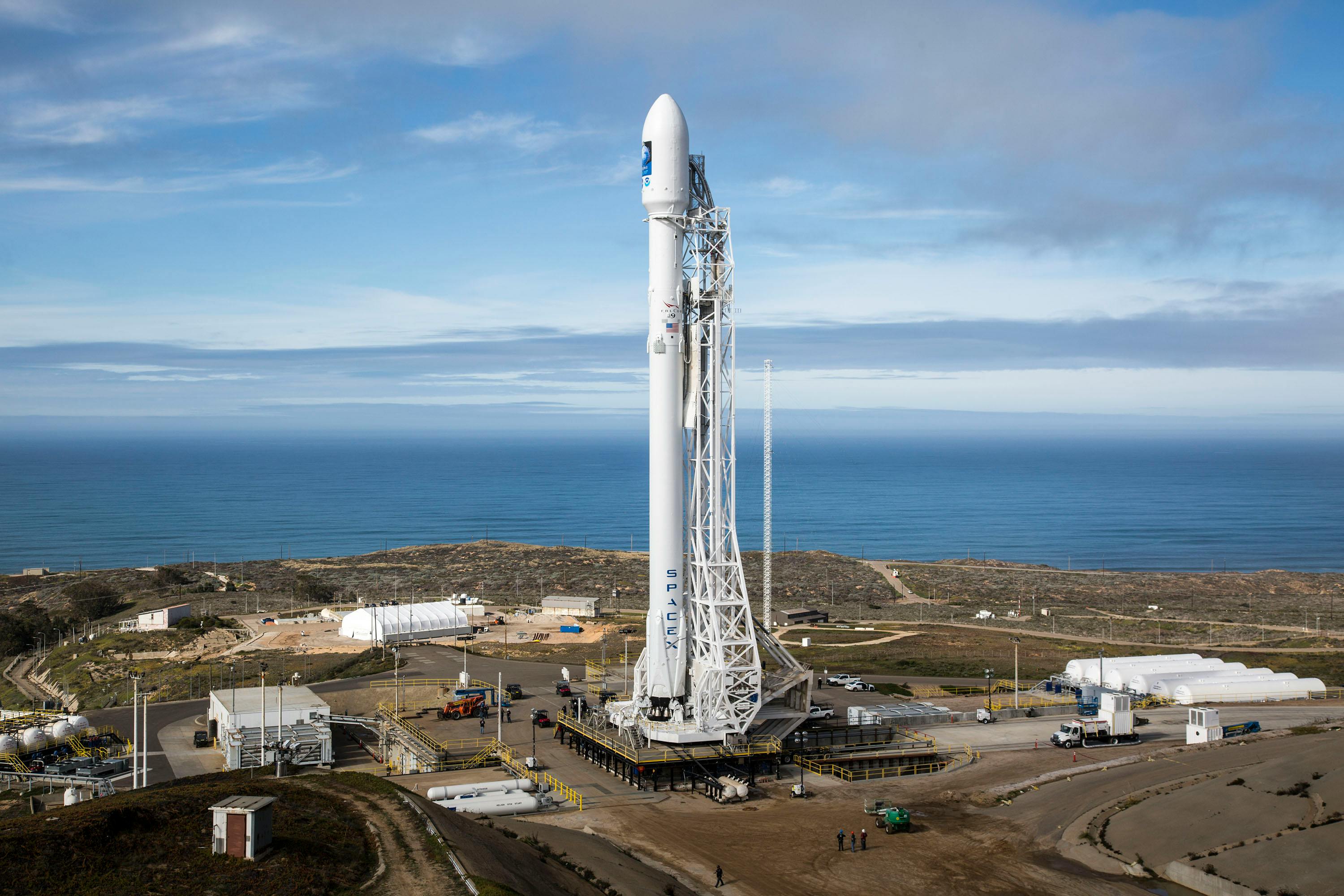
SpaceX readies Starlink 17-32 launch of 25 satellites from Vandenberg. Orbital data center economics draw attention from Musk and Bezos. 9,614 Starlink sats on orbit.

Transporter 16 carries 119 payloads: SpaceX's rideshare mission targets Sun-synchronous orbit from Vandenberg, one of its densest manifests yet.

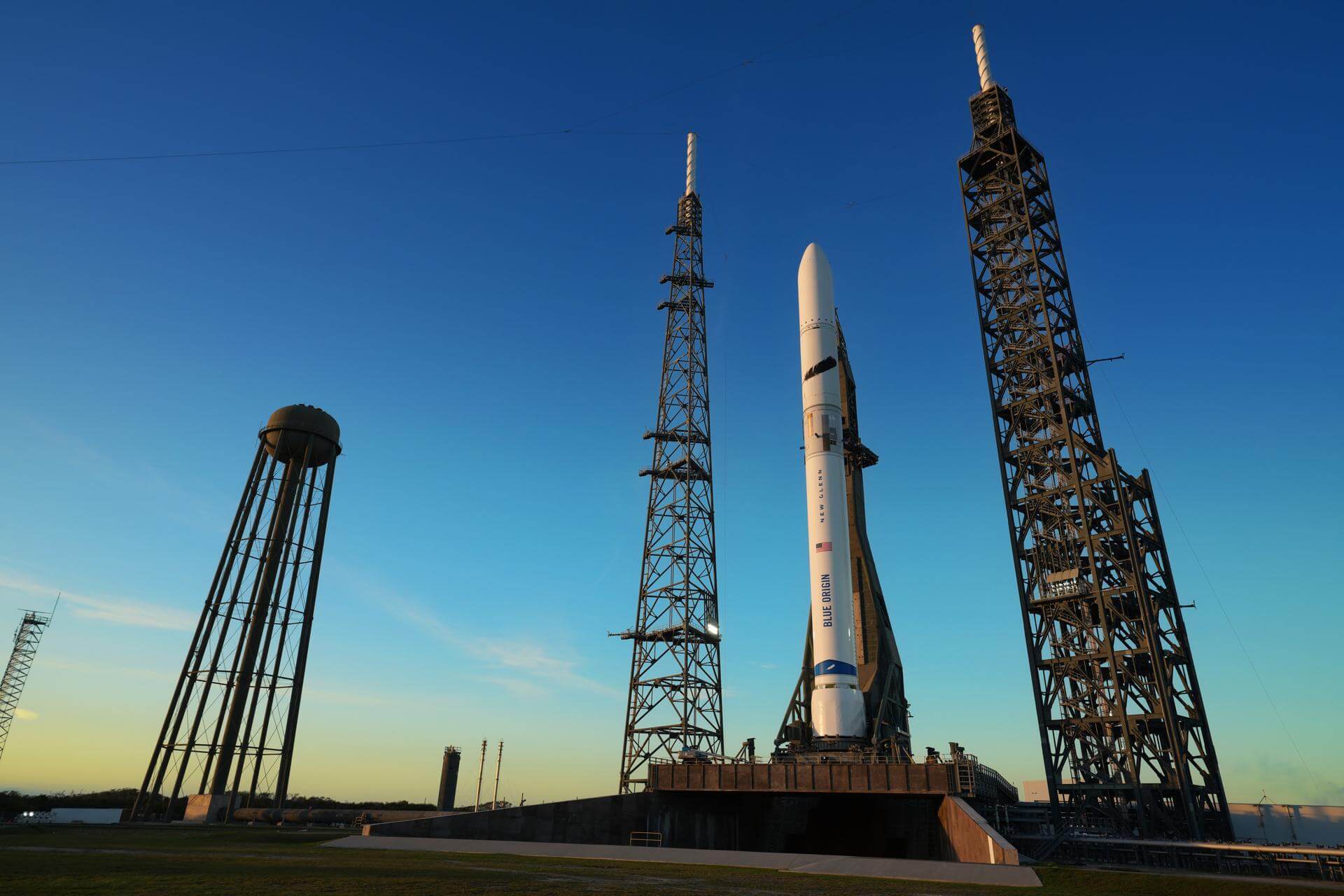
Today's brief focuses on Blue Origin's scrubbed New Glenn launch, SpaceX's reusability milestone, and a warning from the US Air Force about China's advancements in space capabilities. We're also highlighting a key satellite in orbit.
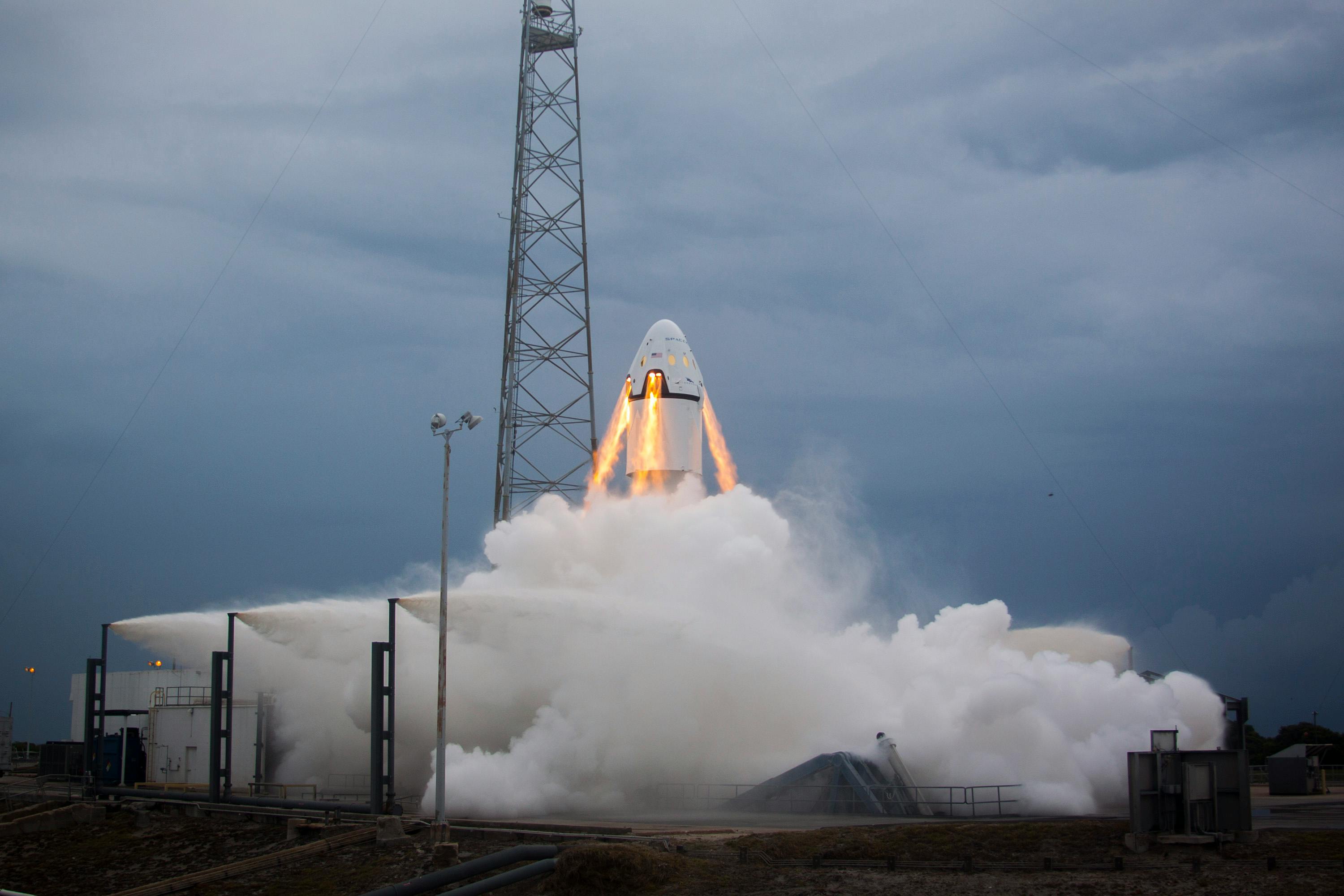
FAA advances environmental review for up to 44 Starship launches from Kennedy Space Center pad 39A. SpaceX wraps January with dual-coast Starlink launches. Crew-12 timeline tied to Artemis 2 schedule.
Today's brief covers the historic lunar touchdown by Firefly Aerospace's Blue Ghost lander, highlights in military space activity, and a reflection on Pearl Young's pioneering legacy at NASA.

In 2024, China launched 68 orbital missions. In 2025, the number jumped to 97. In 2026, state media and Western analysts agree the target is 140 or more. Most of that growth is being driven by two state-backed mega-constellations, a half-dozen private launch companies hitting stride, and a deliberate national pivot toward commercial space. Beijing is no longer trying to catch SpaceX. It is trying to build an industrial base that outlasts one.

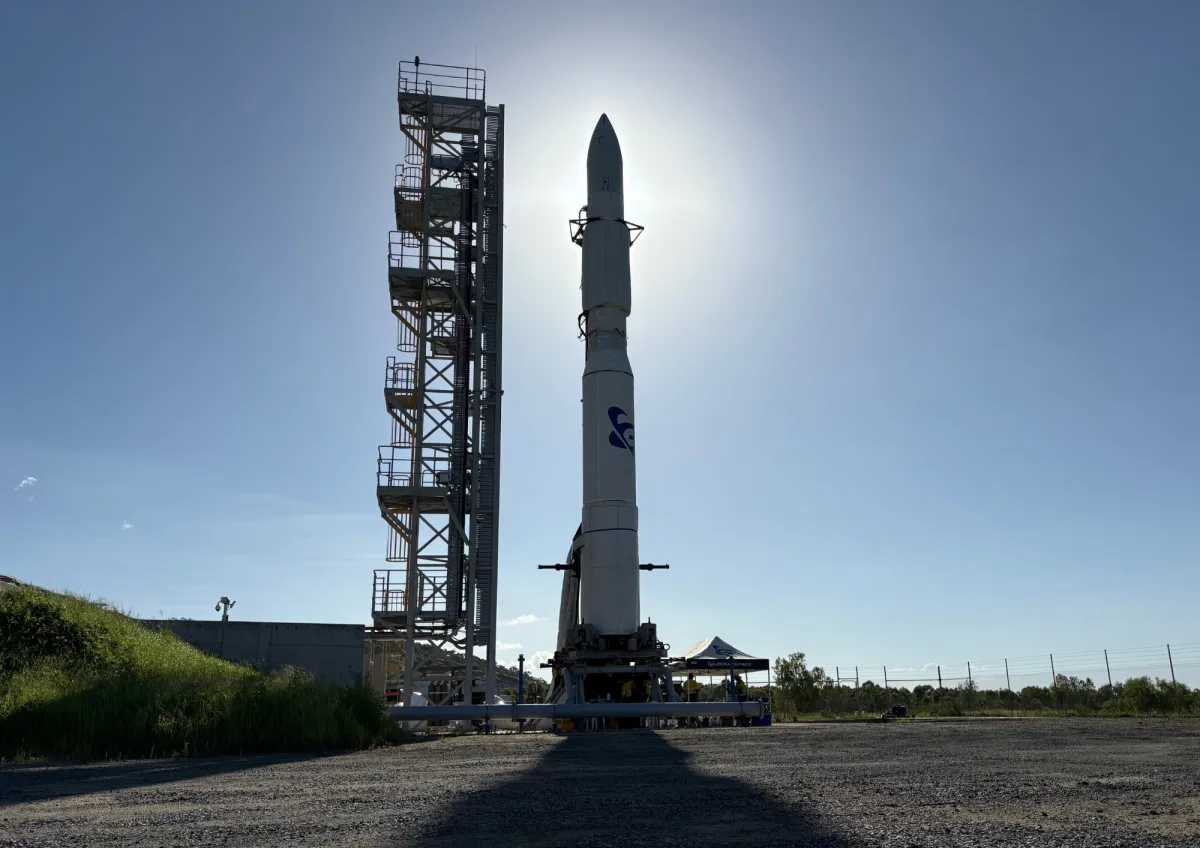
Today’s brief covers the delayed launch of Australia's first orbital rocket, China's reusability programs, and the snow-enforced shutdown of a Chilean radio telescope.