


The Day Discovery Took Her Final Flight
Fourteen years ago, Space Shuttle Discovery thundered into orbit one last time, carrying a robot astronaut and capping a remarkable 27-year career that revolutionized space exploration


Launch Date
January 30, 1987
Launch Site
Launch Pad
LC200/40
Launch Vehicle
Proton-K/DM-2
NORAD ID
17365
International Designator
1987-010A
Decay Date
3/18/1987
Name
COSMOS 1817
Alternative Name
Kosmos-1817
Type
Status
Owner
MSVYAZ
Country
USSR
Constellation
N/A
Related Satellites
Major Events
N/A
Length
5.5
Diameter
2.5
Span
9
Dry Mass
1900
Launch Mass
2100
Shape
Cyl + 2 Pan + Plate
Radar Cross Section
54.55
Visual Magnitude
Unknown
Color
Unknown
Material Composition
Unknown
Payload
Ekran-M No. 11L
Purpose
Communication, direct broadcasting
Mission
Communication, direct broadcasting
Manufacturer
NPOPM
Life Expectancy
9 years
Bus
Ekran
Configuration
KAUR-3
Motor
Unknown
Equipment
1 (+1) UHF 200 W transponder, C-band uplink
Power System
2 deployable solar arrays, batteries
ADCS
Unknown
Transmitter Frequency
Unknown
Learn more about satellites and other related topics.
Fourteen years ago, Space Shuttle Discovery thundered into orbit one last time, carrying a robot astronaut and capping a remarkable 27-year career that revolutionized space exploration
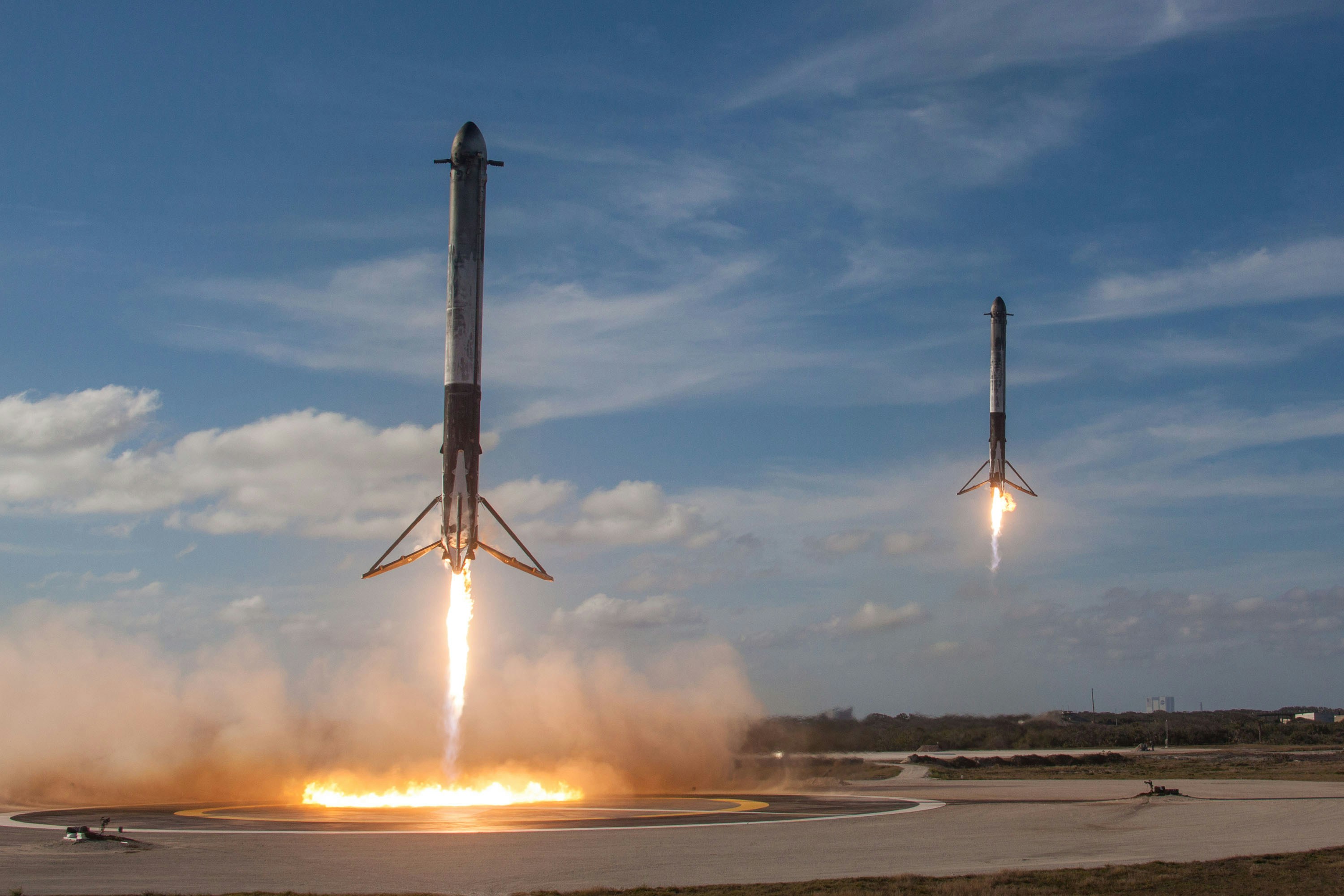
SpaceX launches 500th Starlink satellite of 2026 on 540th reused booster flight. Microsoft partners with Starlink for rural internet expansion. NASA reveals first ISS medical evacuation details.
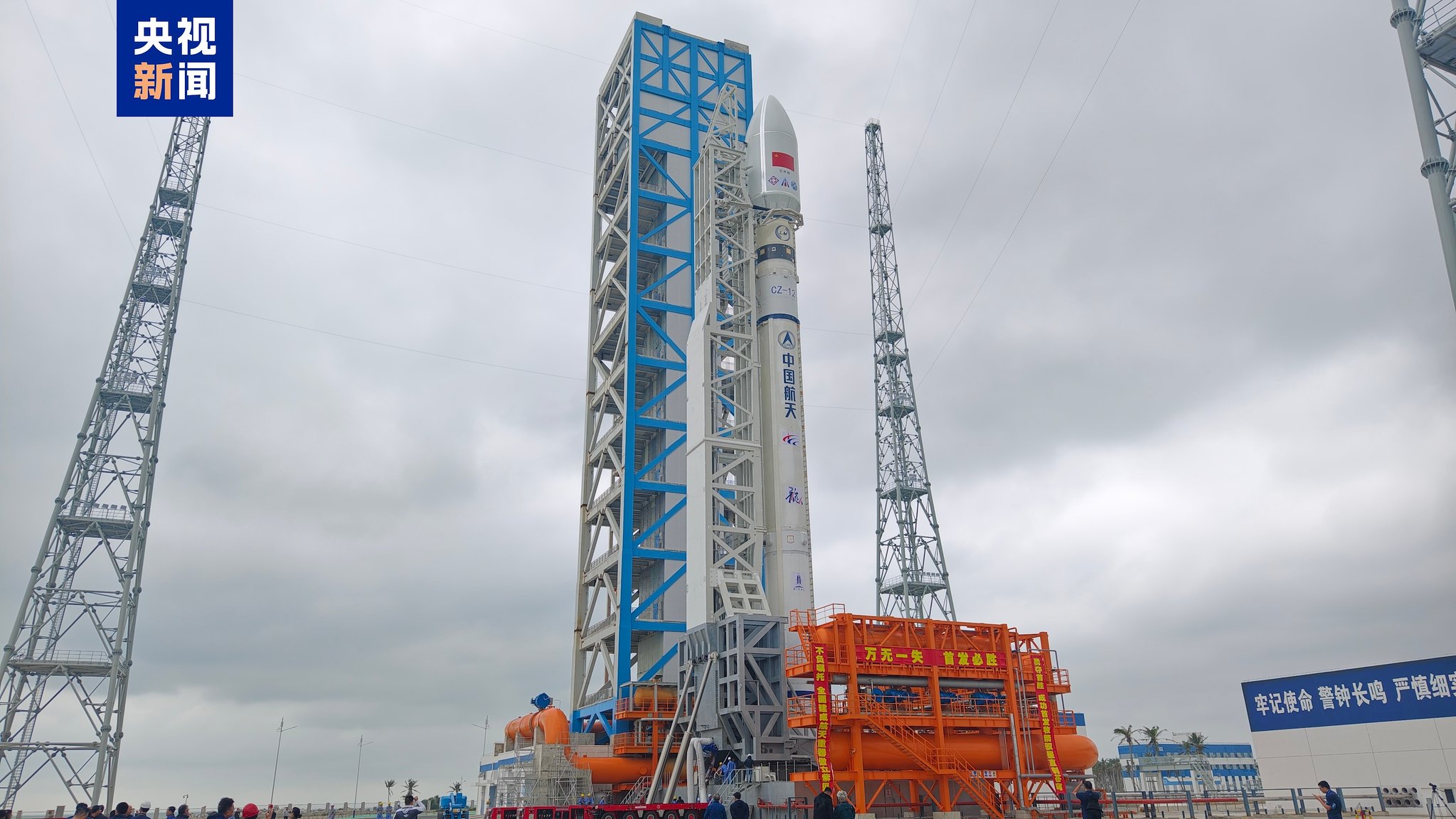
Today's edition covers significant military space developments, including DIU tech consolidation discussions, NDAA budget expansions, and new military commands.

SpaceX's rapid advancements continued this weekend with two consecutive Starlink missions and preparations for the upcoming Crew-11 launch, showcasing its efficiency and commitment to expanding satellite broadband coverage.

Booster B1067 sets new Falcon 9 reuse record with 35th successful flight, deploying 29 Starlink satellites. Quantum Space pursues public markets via SPAC.
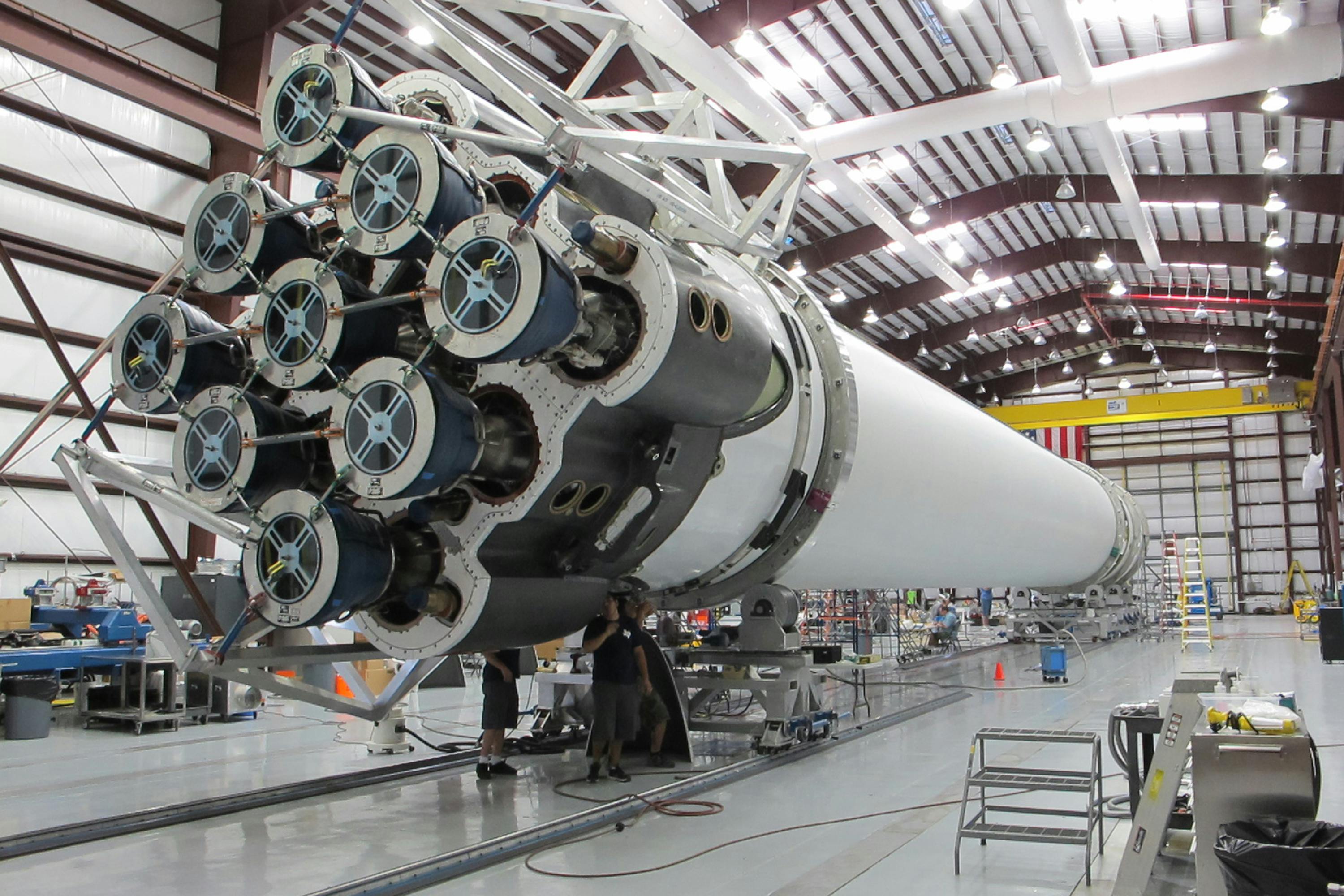
SpaceX Starlink updates for 2026 open with Starlink 6-88: 29 satellites from Cape Canaveral on Jan 4, after a record 165-launch 2025.

SpaceX set to launch GPS 3-9 for Space Force after strategic switch from ULA's Vulcan to Falcon 9. 25 Starlink satellites deployed to polar orbit. Musk explains SpaceX exponential growth trajectory.
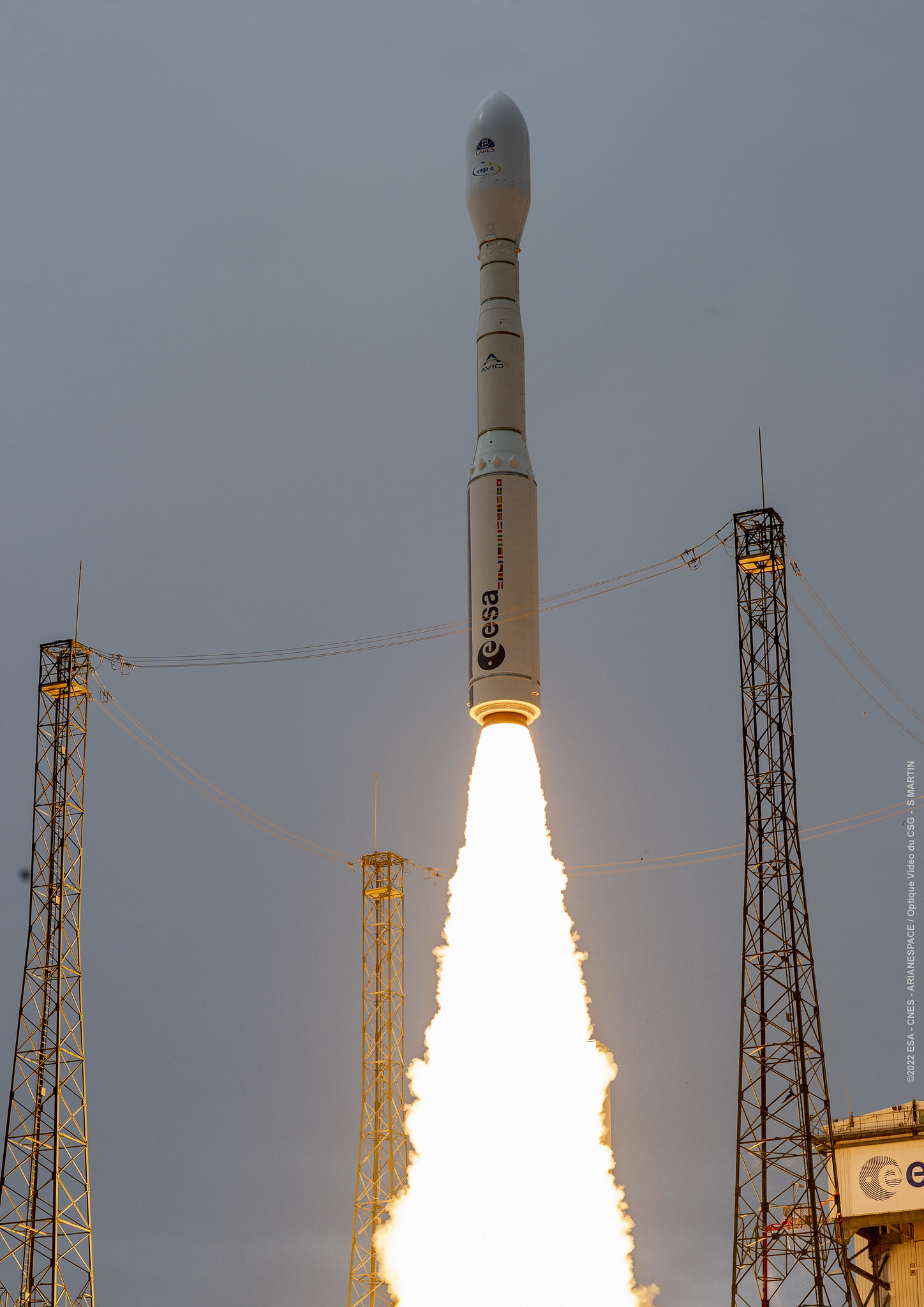
Today's space brief covers SpaceX's new contract with the U.S. Space Force, multiple Starlink launches, Rocket Lab's rapid launch success, and the final mission of Japan's H-IIA rocket.