


X Report 7 Oct 2025
SpaceX successfully launched 28 Starlink satellites on October 7, further expanding its broadband constellation while hosting an active launch schedule this week.


Launch Date
January 21, 1987
Launch Site
PLMSC
Launch Pad
LC132/2
Launch Vehicle
Kosmos 11K65M
NORAD ID
17303
International Designator
1987-006A
Epoch
Sat, 04 Jul 2026 01:59:00 GMT
Apogee
Calculating...
Perigee
Calculating...
Inclination
74.05°
Right Ascension
226.64°
Eccentricity
Calculating...
Argument of Perigee
319.16°
Period
100.28 min
Mean Motion
14.36 rev/day
Latitude
Calculating...
Longitude
Calculating...
Altitude
Calculating...
Velocity
Calculating...
Name
COSMOS 1814
Alternative Name
Kosmos-1814
Type
Status
Owner
UNKS
Country
USSR
Constellation
N/A
Related Satellites
Major Events
N/A
1 17303U 87006A 26185.08264713 .00000122 00000-0 50893-4 0 9992
2 17303 74.0542 226.6407 0025473 319.1582 40.7661 14.36010374 64660
Source: Celestrak
Length
3
Diameter
2
Span
3
Dry Mass
800
Launch Mass
800
Shape
Cyl
Radar Cross Section
2.0525
Visual Magnitude
Unknown
Color
Unknown
Material Composition
Unknown
Payload
Strela-2M No. [51]
Purpose
Military Communication, store dump
Mission
Military Communication, store dump
Manufacturer
NPOPM
Life Expectancy
6 months
Bus
Strela-2M
Configuration
Unknown
Motor
Unknown
Equipment
Unknown
Power System
Solar cells, batteries
ADCS
Unknown
Transmitter Frequency
Unknown
Learn more about satellites and other related topics.
SpaceX successfully launched 28 Starlink satellites on October 7, further expanding its broadband constellation while hosting an active launch schedule this week.

Discover the latest innovations from Rocket Lab, new developments in hypersonic flight, and significant advances in satellite technology with BlackSky. Gain insights into the Space Force's mission and MIT physicists' breakthroughs in observing atoms.

Tensions between SpaceX and the U.S. government escalate as President Trump's threats could have significant implications on the company's operations and future plans. Meanwhile, India takes a significant step in its space endeavors with a historic astronaut launch.
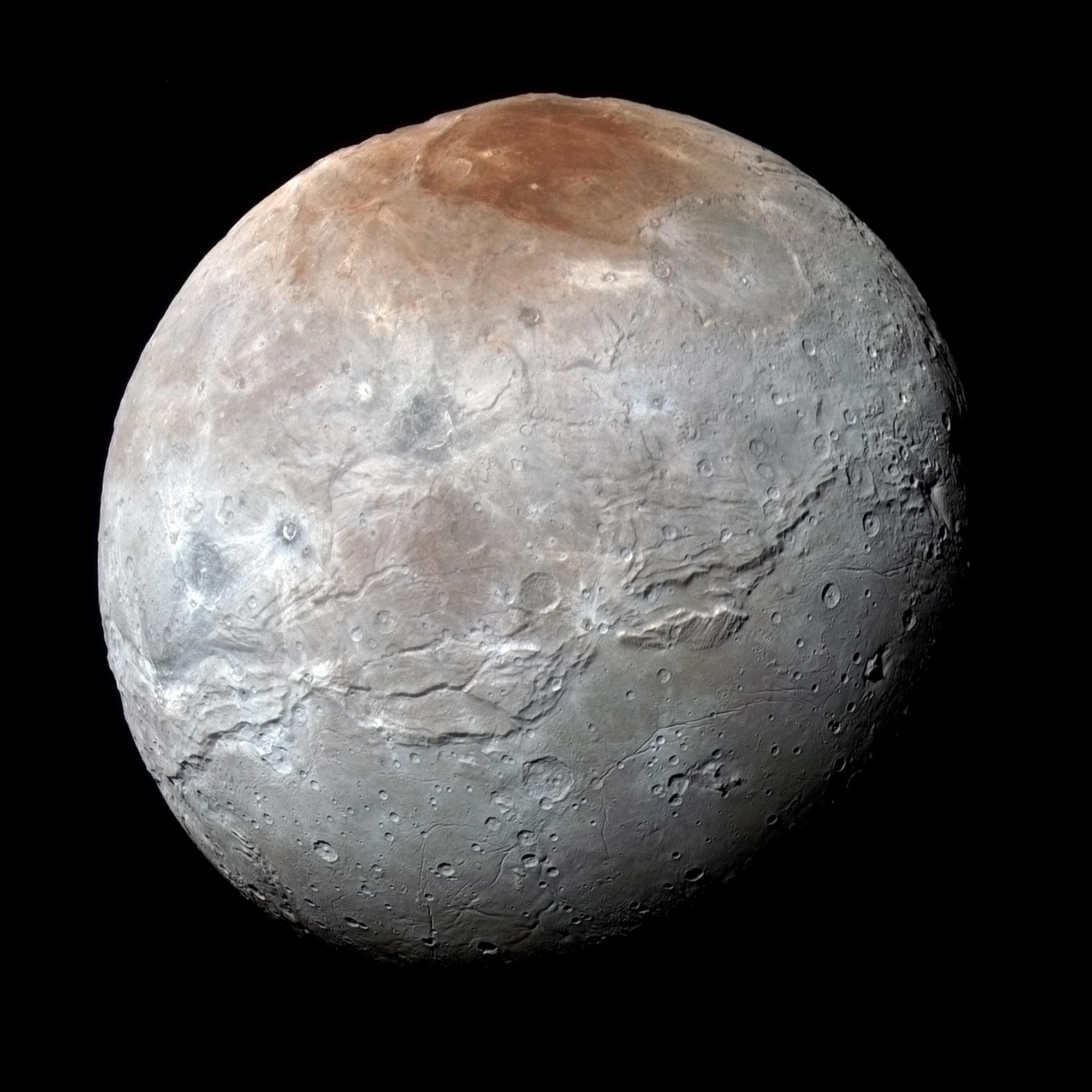
On 22 June 1978, an astronomer at the U.S. Naval Observatory looked at photographic plates that had been stamped 'image defective' and noticed a small bump on the side of Pluto. The bump was a moon, and finding it finally let astronomers weigh a planet that had fooled them for half a century.
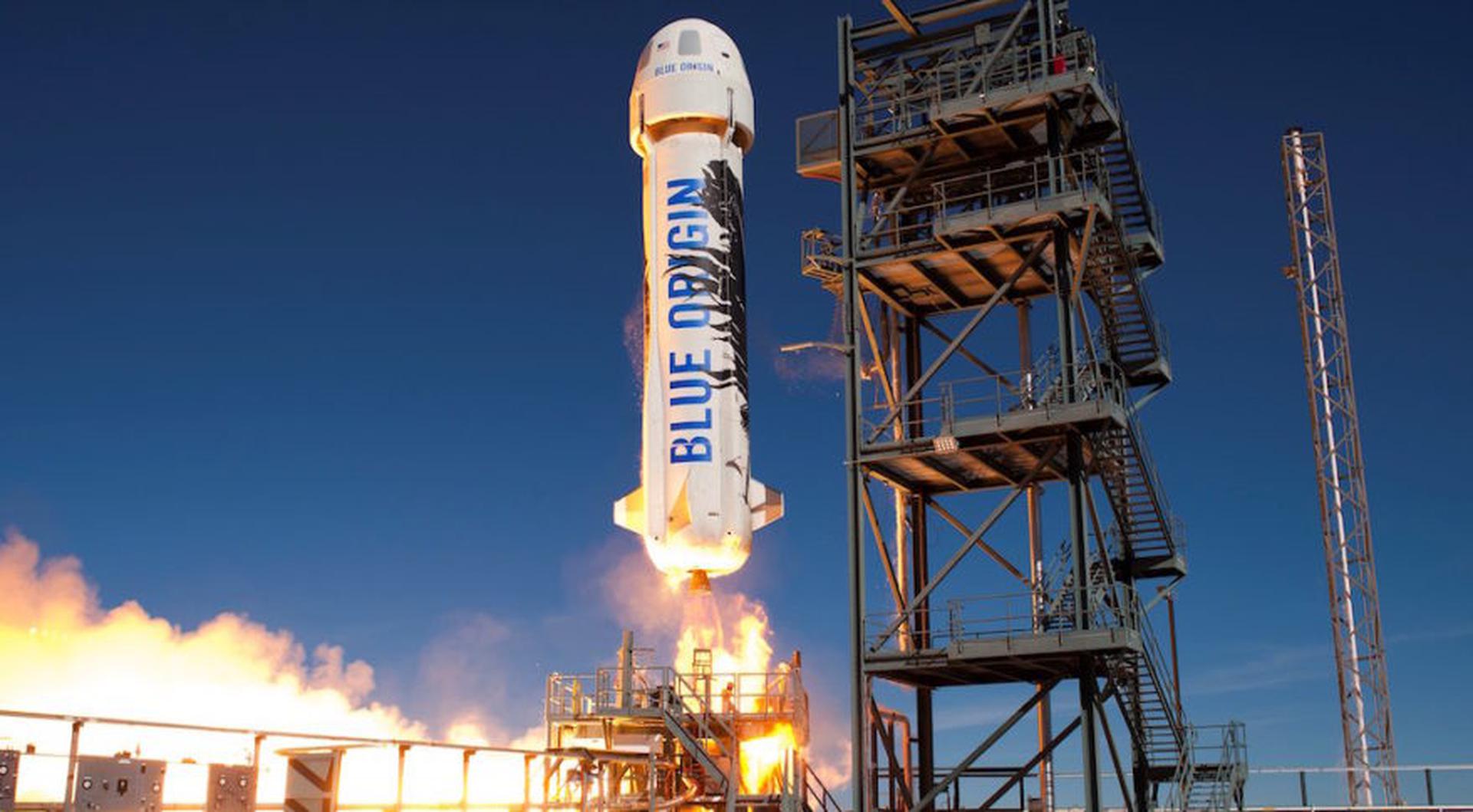
China launches Yaogan spacecraft into unusual orbit and Guowang constellation satellites to start 2026. NASA and DOE plan lunar nuclear reactor by 2030. Space Force switches GPS launch rocket.

SpaceX achieves new milestones with back-to-back launches for the NRO while preparing for groundbreaking crewed polar mission FRAM2.

Thirty-five years ago, NASA's Galileo spacecraft made a crucial flyby of Venus, pioneering a complex path through the inner solar system that would revolutionize planetary exploration

Today's brief highlights a significant geospatial data collaboration between Maxar and Saab, defense budget discussions affecting satellite deployments, and the naming of new military command chiefs.