

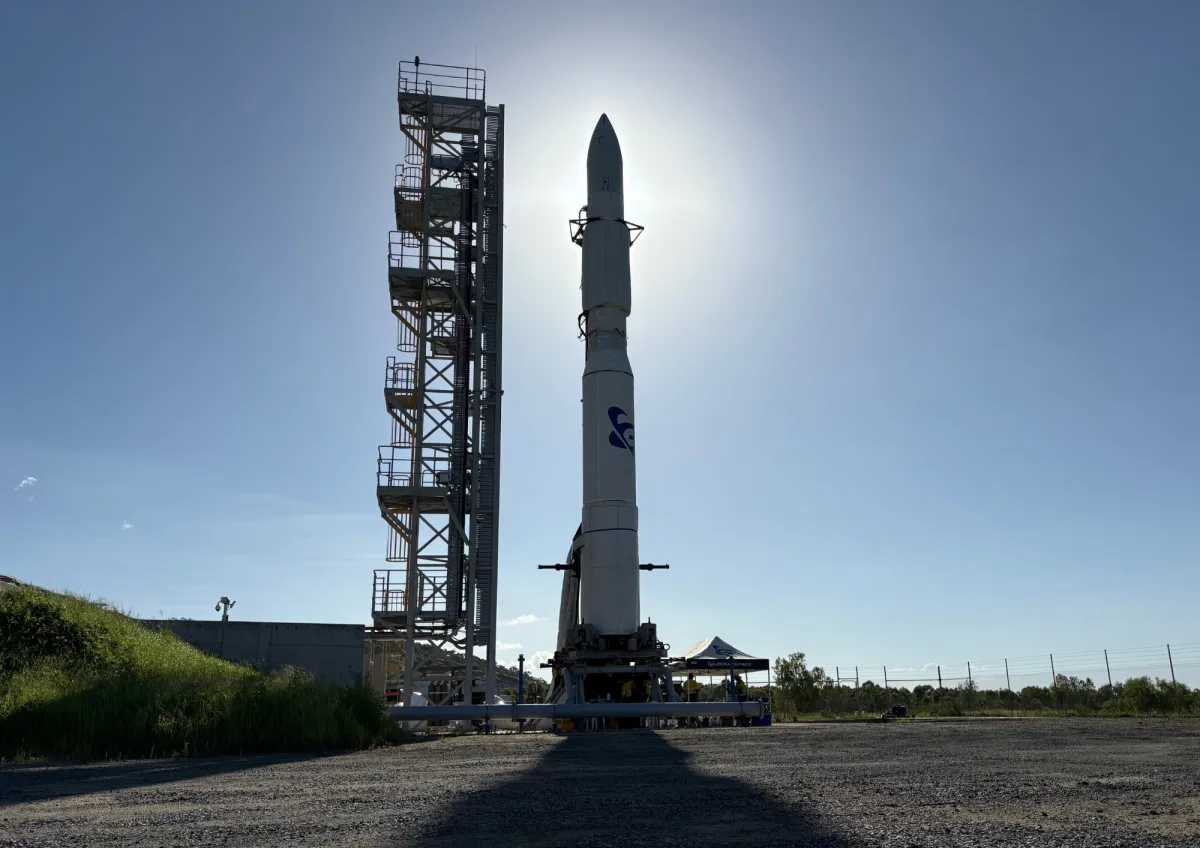
Space Brief 8 Apr 2025
Key highlights include the launch of a Navy SEAL astronaut to the ISS, multi-billion dollar contracts awarded by the US Space Force, advancements in secure GPS technology, and a strategic ISR arrangement.



Launch Date
December 4, 1986
Launch Site
Launch Pad
LC1
Launch Vehicle
Soyuz-U
NORAD ID
17244
International Designator
1986-095D
Decay Date
4/13/1988
Name
COSMOS 1804 DEB
Alternative Name
KDU
Type
Status
Owner
UNKS
Country
USSR
Constellation
N/A
Related Satellites
Major Events
N/A
Length
1
Diameter
0.4
Span
1
Dry Mass
140
Launch Mass
425
Shape
Frust
Radar Cross Section
0.4165
Visual Magnitude
Unknown
Color
Unknown
Material Composition
Unknown
Payload
KDU
Purpose
Unknown
Mission
Unknown
Manufacturer
TSSKB
Life Expectancy
Unknown
Bus
Zenit KDU
Configuration
Unknown
Motor
Unknown
Equipment
Unknown
Power System
Unknown
ADCS
Unknown
Transmitter Frequency
Unknown
Learn more about satellites and other related topics.
Key highlights include the launch of a Navy SEAL astronaut to the ISS, multi-billion dollar contracts awarded by the US Space Force, advancements in secure GPS technology, and a strategic ISR arrangement.

SpaceX successfully launched NASA's TRACERS mission while Starlink faced a brief global outage, affecting users worldwide.

Starship testing progresses at the Cape; Lynk Global secures funding amidst rising satellite competition.
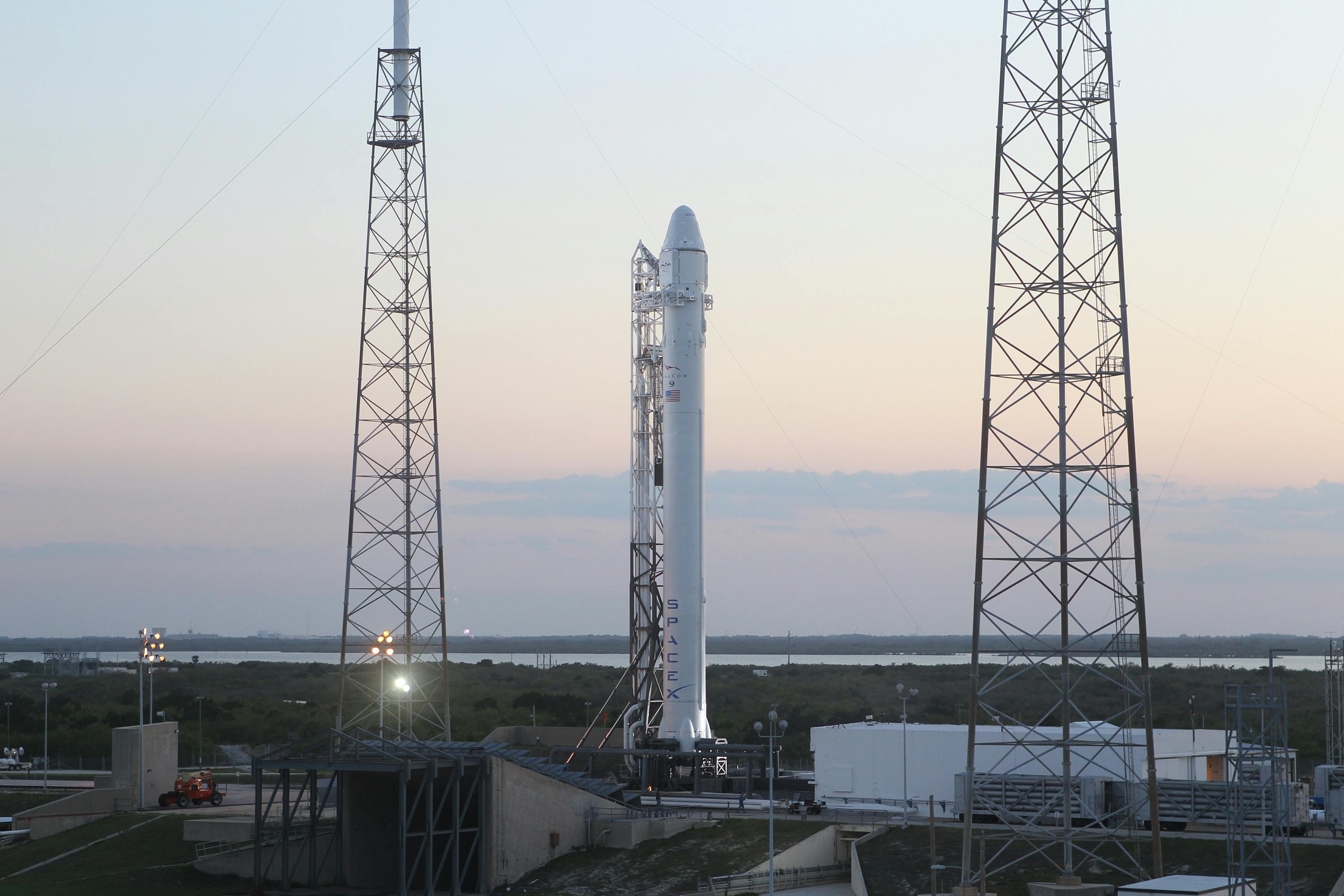
SpaceX continues to expand its Starlink network with multiple launches and gains momentum in international markets, while revisiting launch tariffs and new regulations.
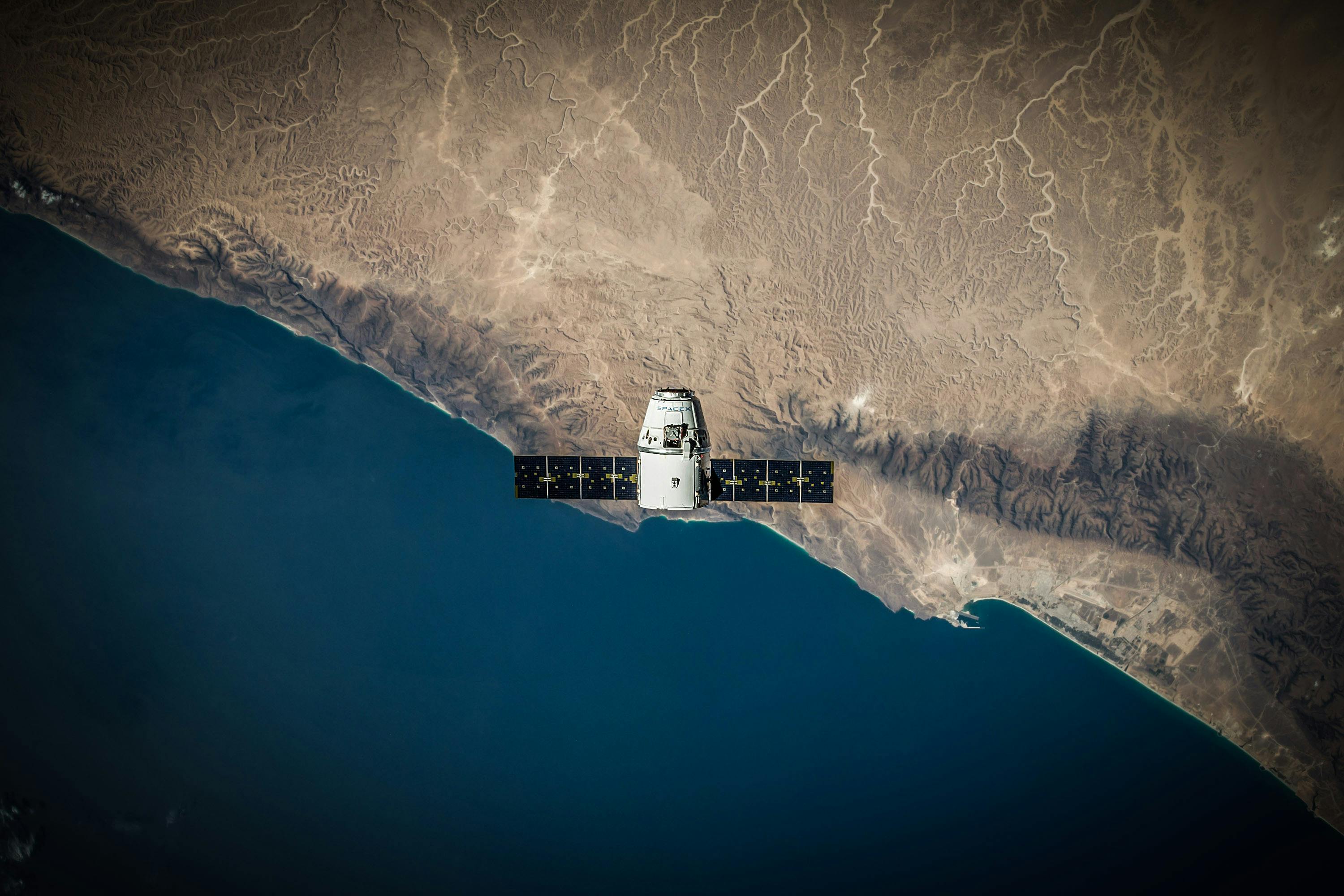
SpaceX successfully launched 23 Starlink satellites while facing delays in launching the Axiom Space mission due to a propellant leak. Additionally, new US broadband rules favor Starlink's expansion into rural markets.
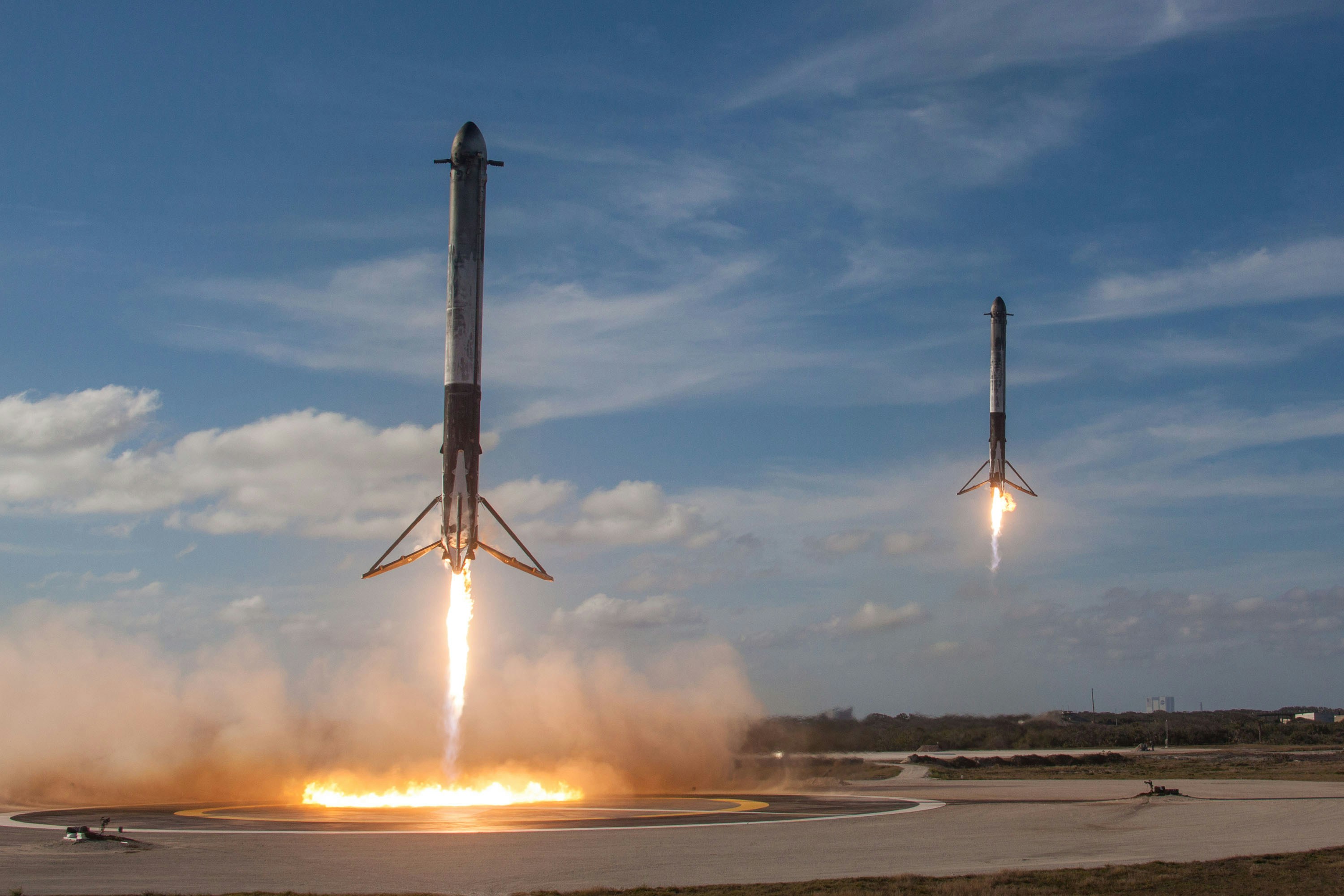
SpaceX progresses with Starship Flight 8 preparations, completes investigation into Flight 7 mishap, and prepares for upcoming launches.

Major challenges emerged with SpaceX's next-generation Starship booster testing, while Starlink deployments continued with successful launches.

AST SpaceMobile's BlueBird constellation is a bet that raw aperture size wins. Each satellite unfolds a 64-square-meter phased-array antenna in orbit, the largest commercial antenna ever deployed. The company claims a stock smartphone on the ground can connect directly to it. The competition says the physics doesn't support that. Seventeen satellites in and a contract with AT&T, Verizon, and Vodafone, somebody's math is wrong.