


X Report 30 Dec 2024
SpaceX wraps up the year with significant launches, including a record-setting Astranis deployment and Starlink missions signaling the year's end.



Launch Date
February 22, 1986
Launch Site
FRGUI
Launch Pad
ELA1
Launch Vehicle
Ariane 1
NORAD ID
17209
International Designator
1986-019BM
Decay Date
4/29/1991
Name
ARIANE 1 DEB
Alternative Name
deb Ariane V16
Type
Status
Owner
AE
Country
France
Constellation
N/A
Related Satellites
Major Events
N/A
Length
0
Diameter
0
Span
0
Dry Mass
0
Launch Mass
0
Shape
N/A
Radar Cross Section
0.1258
Visual Magnitude
Unknown
Color
Unknown
Material Composition
Unknown
Payload
Unknown
Purpose
Unknown
Mission
Unknown
Manufacturer
Unknown
Life Expectancy
Unknown
Bus
Unknown
Configuration
Unknown
Motor
Unknown
Equipment
Unknown
Power System
Unknown
ADCS
Unknown
Transmitter Frequency
Unknown
Learn more about satellites and other related topics.
SpaceX wraps up the year with significant launches, including a record-setting Astranis deployment and Starlink missions signaling the year's end.
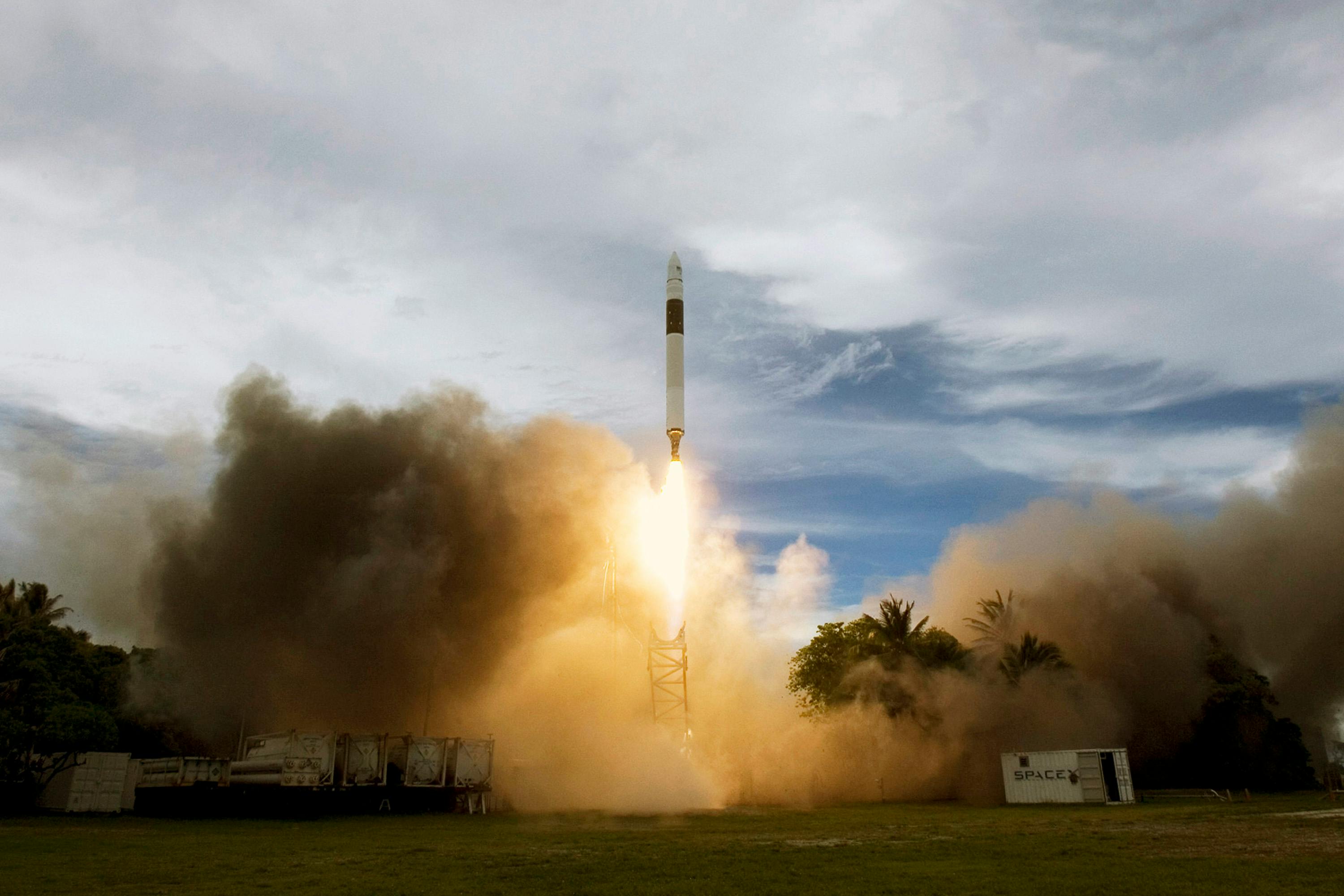
SpaceX celebrated Star Wars Day with a successful launch of Starlink satellites, furthering its mission to enhance global internet access. Lego also revealed a new collectible set tied to the franchise.
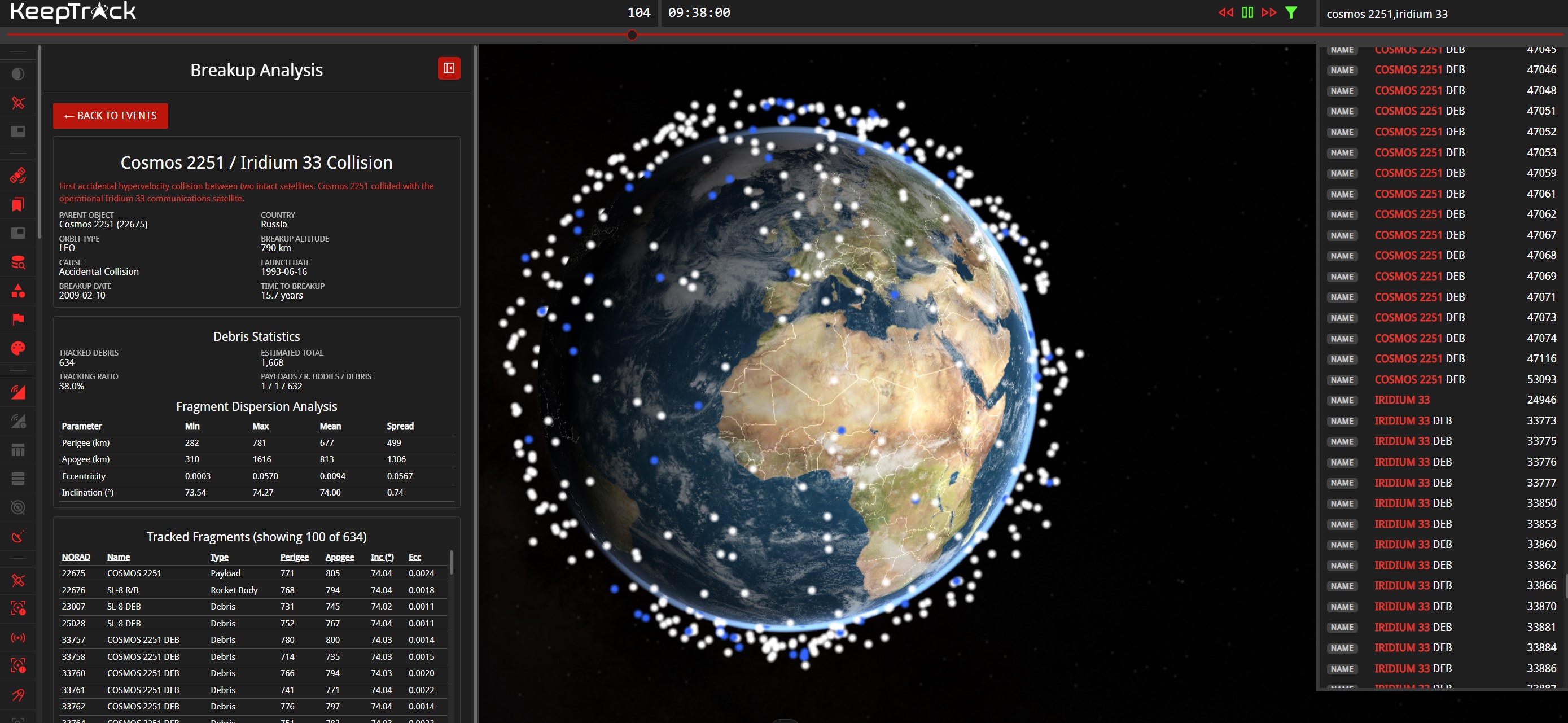
On February 10, 2009, an active Iridium communications satellite and a derelict Soviet military spacecraft slammed into each other 789 kilometers above Siberia. The collision produced more than 2,300 pieces of trackable debris that are still up there. Seventeen years later, the Iridium-Cosmos collision remains the event that made space debris a policy problem the world could no longer ignore.
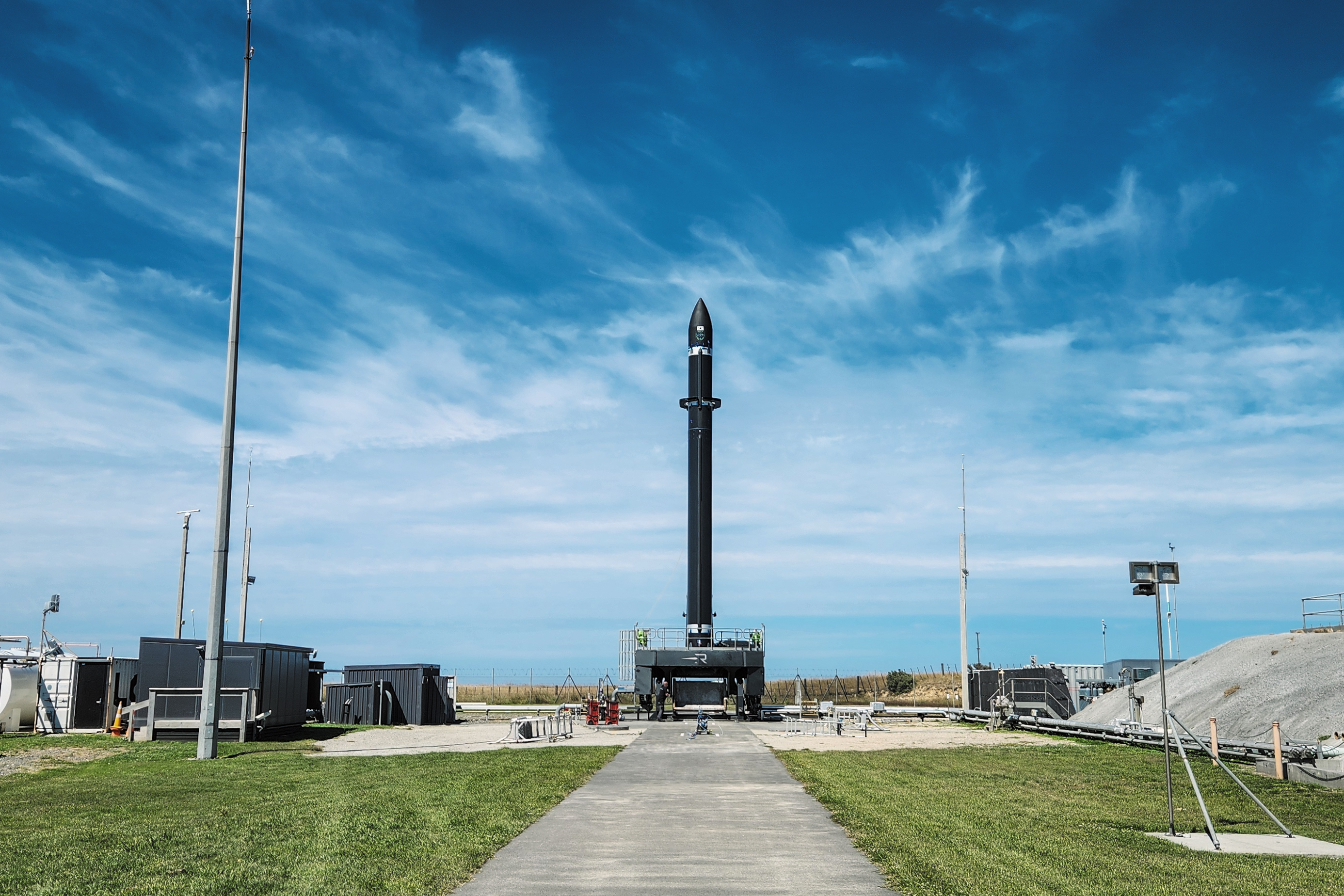
Space Force terminates Resilient GPS satellite program. China successfully tests Long March 12B reusable first stage at Jiuquan. GE and Lockheed validate detonation ramjet for hypersonic missiles.

Three Chinese rocket bodies have exploded over four years, creating debris clouds that will linger for decades to centuries, according to LeoLabs analysis. Fragmentation events threaten commercial and military operators.
Today's space news highlights include the proposed budget expansion for the U.S. Space Force, a new CubeSat milestone for ESA's asteroid mission, and challenges with SpaceX's Starlink launch. Also, we celebrate the one-year anniversary of the Aries SN1 satellite in orbit.

Today’s brief covers the delayed launch of Australia's first orbital rocket, China's reusability programs, and the snow-enforced shutdown of a Chilean radio telescope.
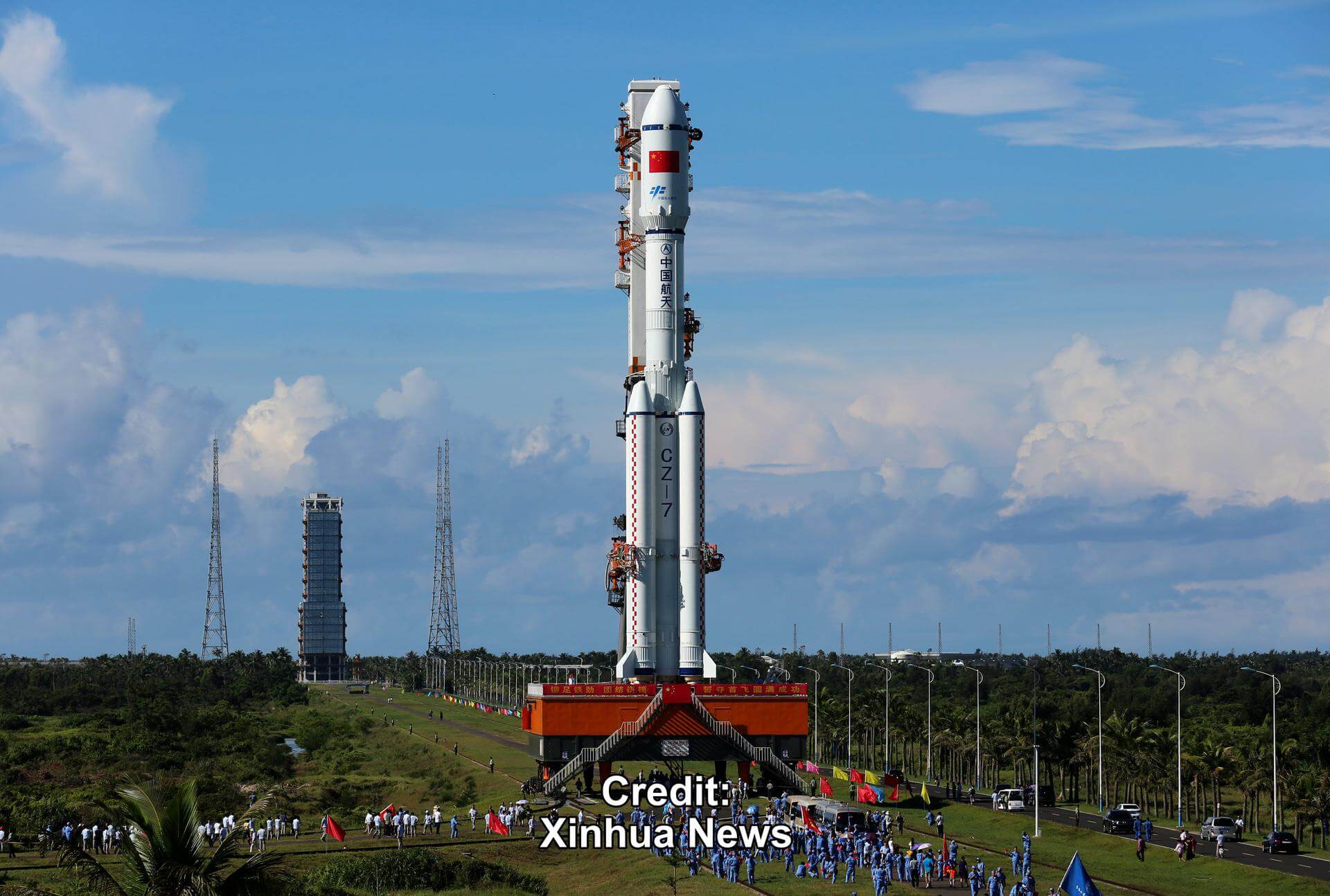
Today's space highlights include China's first classified Shiyan-28B launch, Boeing's major satellite contract, new NASA budget allocations, and plans for shuttle Discovery's relocation.