ARIANE 1 DEB (17114)

COSPAR: 1986-019J | Alt Name: deb Ariane V16
DECAYED

Image
ARIANE 1 DEB Satellite Image
Additional Sources
Launch Details

Launch Date

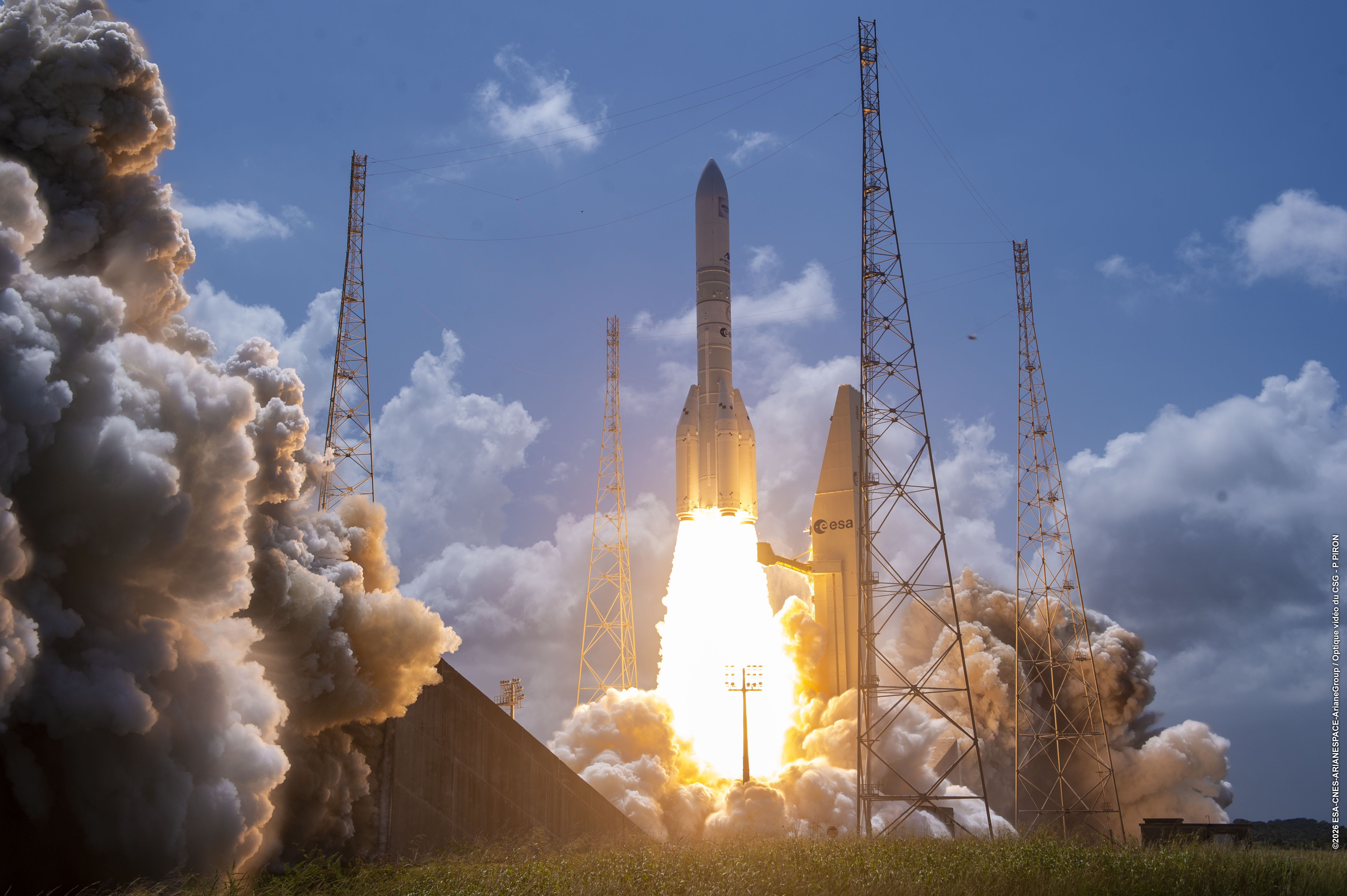
February 22, 1986

Launch Site

FRGUI

Launch Pad

ELA1

Launch Vehicle

Ariane 1

Orbital Elements

NORAD ID

17114

International Designator

1986-019J

Decay Date

4/5/1989

Basic Satellite Info

Name

ARIANE 1 DEB

Alternative Name

deb Ariane V16

Type

Debris

Status

Space Junk

Owner

AE

Country

France

Constellation

N/A

Related Satellites

Major Events

N/A

Summary
Space debris, also known as space junk, encompasses all non-functional objects orbiting Earth such as defunct satellites, spent rocket stages, and fragments from collisions or disintegrations. Over time, this debris can accumulate and create an increasingly hazardous environment in orbit. Even tiny fragments, traveling at extremely high velocities, can inflict significant damage on operational satellites and spacecraft. If left unmanaged, the density of debris raises the risk of catastrophic collisions and further fragmentation, compounding the problem and threatening the safety and sustainability of space activities.
Physical Characteristics

Length

0

Diameter

0

Span

0

Dry Mass

0

Launch Mass

0

Shape

N/A

Radar Cross Section

0.3352

Visual Magnitude

Unknown

Color

Unknown

Material Composition

Unknown

Technical Details

Payload

Unknown

Purpose

Unknown

Mission

Unknown

Manufacturer

Unknown

Life Expectancy

Unknown

Bus

Unknown

Configuration

Unknown

Motor

Unknown

Equipment

Unknown

Power System

Unknown

ADCS

Unknown

Transmitter Frequency

Unknown

Satellite Articles

View All Posts »

Learn more about satellites and other related topics.

NRO Expands Commercial Satellite Role to Military Tracking | KeepTrack Space Brief

NRO Expands Commercial Satellite Role to Military Tracking | KeepTrack Space Brief

NRO awards three commercial satellite contracts, expanding scope to dynamic military target tracking. Former NASA chief Bridenstine joins Quantum Space for cislunar operations.

Mike Melvill, 124 Meters, and the Morning Space Went Private

Mike Melvill, 124 Meters, and the Morning Space Went Private

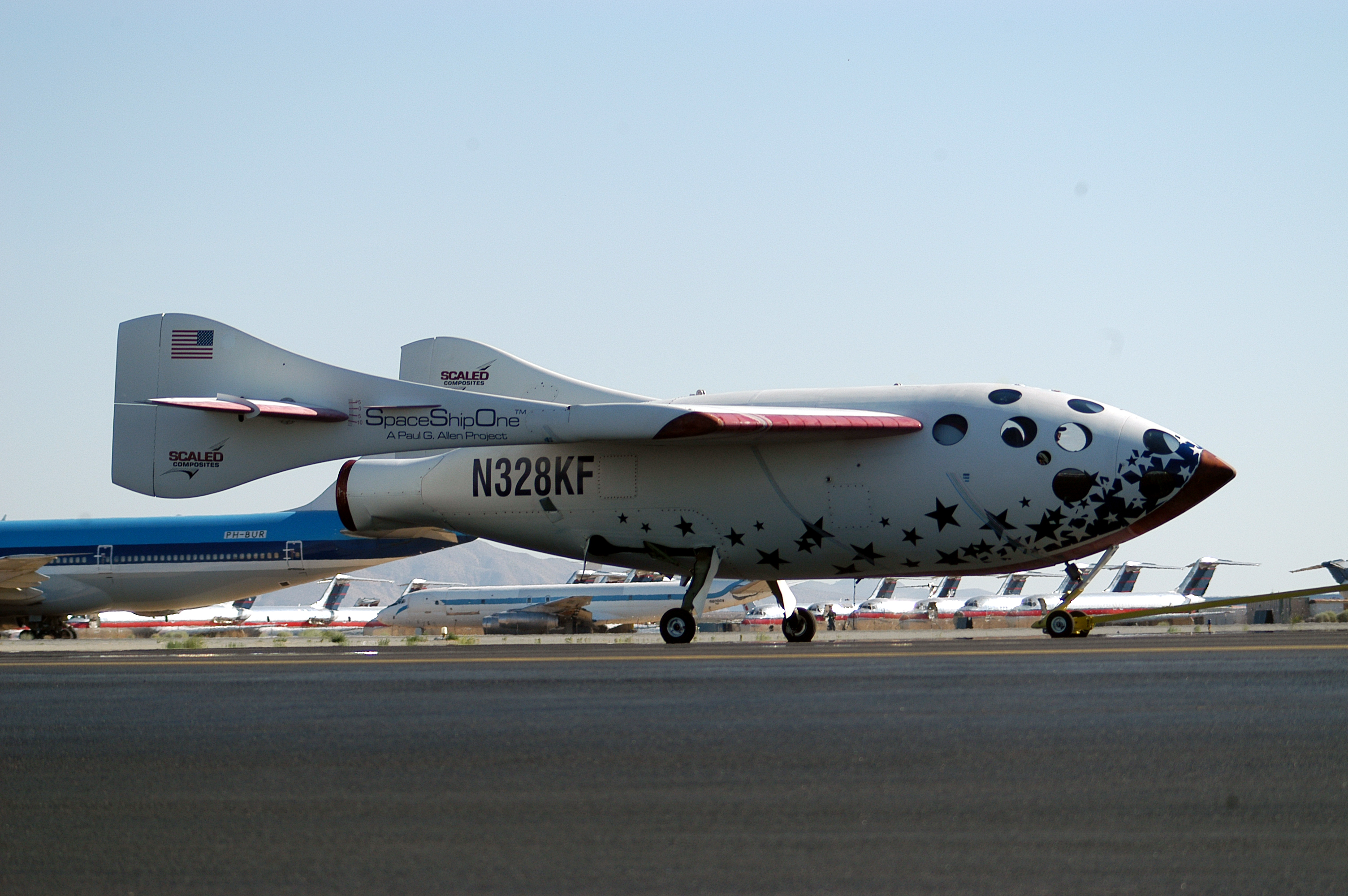
On 21 June 2004, a 63-year-old test pilot rode a homebuilt rocket plane to 100,124 meters above the Mojave Desert, clearing the edge of space by about the length of a city block. He came down the first private astronaut in history, holding a sign that read 'SpaceShipOne, GovernmentZero.'

108 Minutes That Changed Everything - and the 20-Year Echo That Followed

108 Minutes That Changed Everything - and the 20-Year Echo That Followed

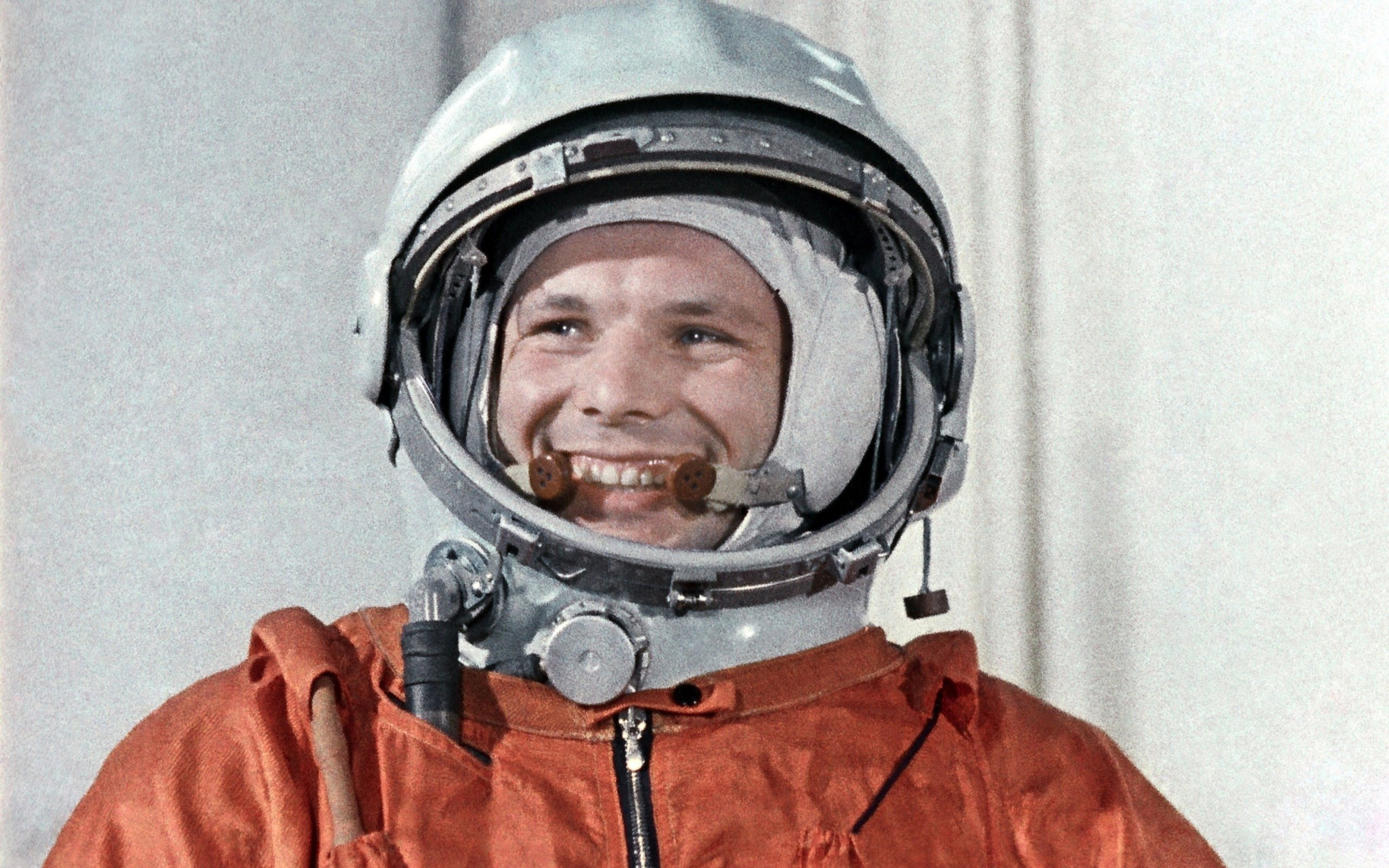
On April 12, 1961, a 27-year-old Soviet pilot rode a modified ICBM into orbit and came back alive after 108 minutes. Exactly twenty years later, two Americans climbed aboard an untested spacecraft covered in 31,000 ceramic tiles and bet their lives that the math was right.

X Report 5 Jun 2025

X Report 5 Jun 2025

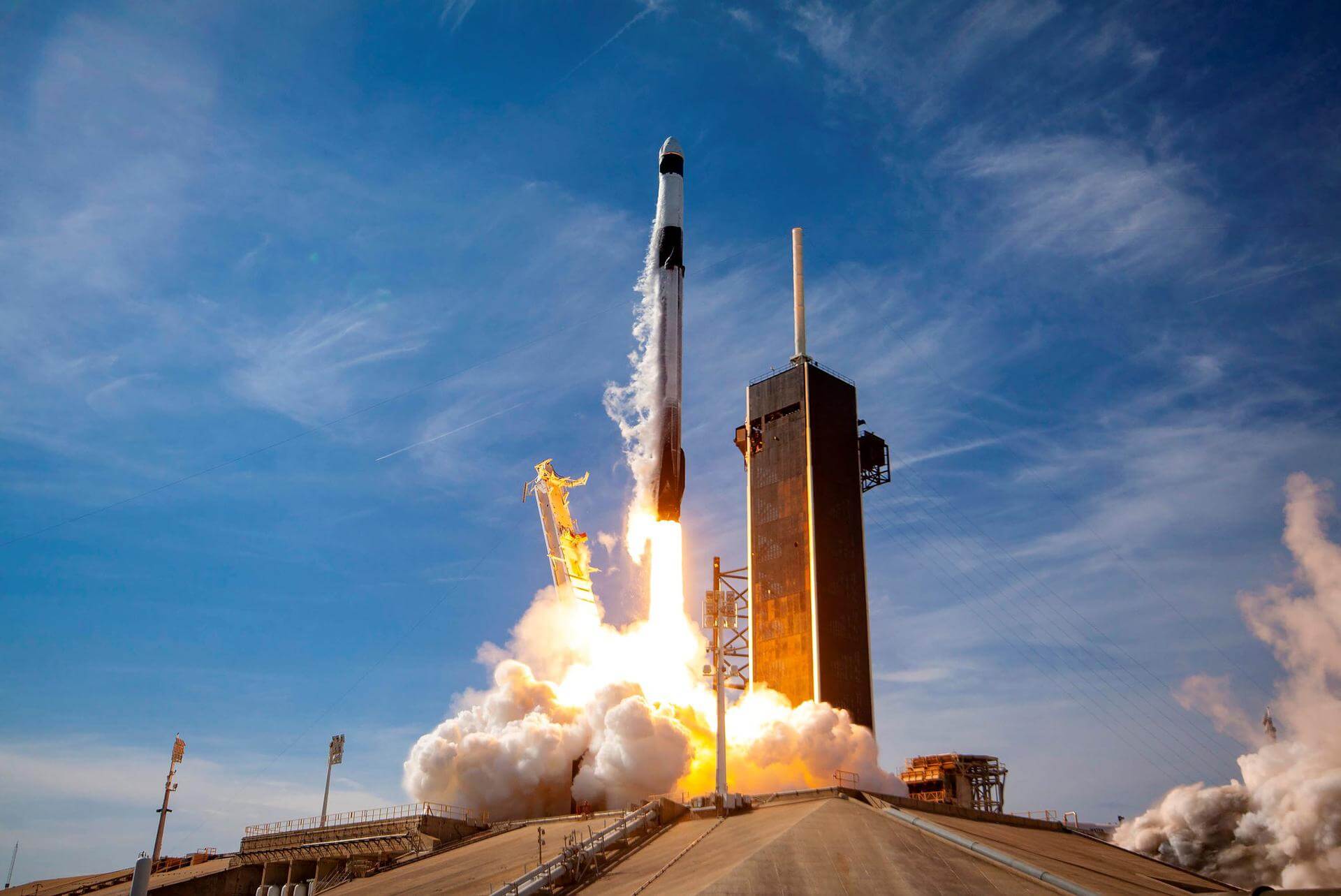
SpaceX celebrates significant milestones with its 500th Falcon launch and the continued expansion of Starlink connectivity.

Space Force Awards Counter-Surveillance Payload Contracts | KeepTrack Space Brief

Space Force Awards Counter-Surveillance Payload Contracts | KeepTrack Space Brief

Space Force RCO awarded SBIR contracts for radar-detection payloads to counter adversary surveillance of U.S. satellites. Follow-on miniaturization effort already planned.

X Report 14 Mar 2025

X Report 14 Mar 2025

SpaceX advances pre-launch tests amid Starlink deployment surge and strategic expansions in Texas.

ESA's Proba-3 Formation-Flyer Goes Silent | KeepTrack Space Brief

ESA's Proba-3 Formation-Flyer Goes Silent | KeepTrack Space Brief

ESA's Proba-3 spacecraft lost contact last month, grounding the dual-satellite solar eclipse mission. Formation flying between both craft is critical for coronagraph science.

Space Brief 21 Aug 2025

Space Brief 21 Aug 2025

Today's brief covers the launch of the X-37B, cutting-edge quantum navigation systems, and the future of space-based military technology. Discover the role of SpaceX and the advancements in inertial navigation.