COSMOS 1461 DEB (17099)

COSPAR: 1983-044CN | Alt Name: deb Kosmos-1461
DECAYED

Image
COSMOS 1461 DEB Satellite Image
Additional Sources
Launch Details

Launch Date

May 7, 1983

Launch Pad

LC90

Launch Vehicle

Tsiklon-2

Orbital Elements

NORAD ID

17099

International Designator

1983-044CN

Decay Date

3/28/1990

Basic Satellite Info

Name

COSMOS 1461 DEB

Alternative Name

deb Kosmos-1461

Type

Debris

Status

Space Junk

Owner

VMF

Country

USSR

Constellation

N/A

Related Satellites

Major Events

N/A

Summary
Space debris, also known as space junk, encompasses all non-functional objects orbiting Earth such as defunct satellites, spent rocket stages, and fragments from collisions or disintegrations. Over time, this debris can accumulate and create an increasingly hazardous environment in orbit. Even tiny fragments, traveling at extremely high velocities, can inflict significant damage on operational satellites and spacecraft. If left unmanaged, the density of debris raises the risk of catastrophic collisions and further fragmentation, compounding the problem and threatening the safety and sustainability of space activities.
Physical Characteristics

Length

0

Diameter

0

Span

0

Dry Mass

0

Launch Mass

0

Shape

N/A

Radar Cross Section

0.3984

Visual Magnitude

Unknown

Color

Unknown

Material Composition

Unknown

Technical Details

Payload

Unknown

Purpose

Unknown

Mission

Unknown

Manufacturer

Unknown

Life Expectancy

Unknown

Bus

Unknown

Configuration

Unknown

Motor

Unknown

Equipment

Unknown

Power System

Unknown

ADCS

Unknown

Transmitter Frequency

Unknown

Satellite Articles

View All Posts »

Learn more about satellites and other related topics.

South Korea Plans Defense Satellite Constellation With Hanwha Systems | KeepTrack Space Brief

South Korea Plans Defense Satellite Constellation With Hanwha Systems | KeepTrack Space Brief

Hanwha Systems in talks with MDA Space and Telesat for South Korean defense satellite constellation. SpaceX preps GPS satellite launch for Space Force. Seismic networks now track space junk reentry.

Space Force Orders 14 GPS 3F Satellites for $514M | KeepTrack Space Brief

Space Force Orders 14 GPS 3F Satellites for $514M | KeepTrack Space Brief

Space Force awards Lockheed Martin $514M for two additional GPS 3F satellites, bringing total orders to 14. New satellites add anti-jam features and upgraded civilian signals.

Space Brief 8 Nov 2025

Space Brief 8 Nov 2025

Today's Space Brief covers major developments in Pentagon procurement methods, strategic satellite intelligence advancements, and increasing interest in drone technology within the defense sector.

Space Force Awards $437M for Military Satcom; New Glenn Clears Return | KeepTrack Space Brief

Space Force Awards $437M for Military Satcom; New Glenn Clears Return | KeepTrack Space Brief

Space Force contracts Viasat and SES for $437M Protected Tactical Satcom-Global program. Blue Origin clears New Glenn for flights after Flight 3 investigation.

Space Brief 25 Oct 2025

Space Brief 25 Oct 2025

Today's brief covers significant growth forecasts for global defense satellite communications, the integration of hypersonic missiles, cyber authority expansion in the Army, and more pivotal military developments.

X Report 10 Jul 2025

X Report 10 Jul 2025

SpaceX continues to make strides with record-breaking Falcon launches while overcoming regulatory challenges for Starlink in India.

X Report 10 Apr 2025

X Report 10 Apr 2025

SpaceX gears up for multiple Falcon 9 launches, amidst challenges from Project Kuiper and environmental concerns.

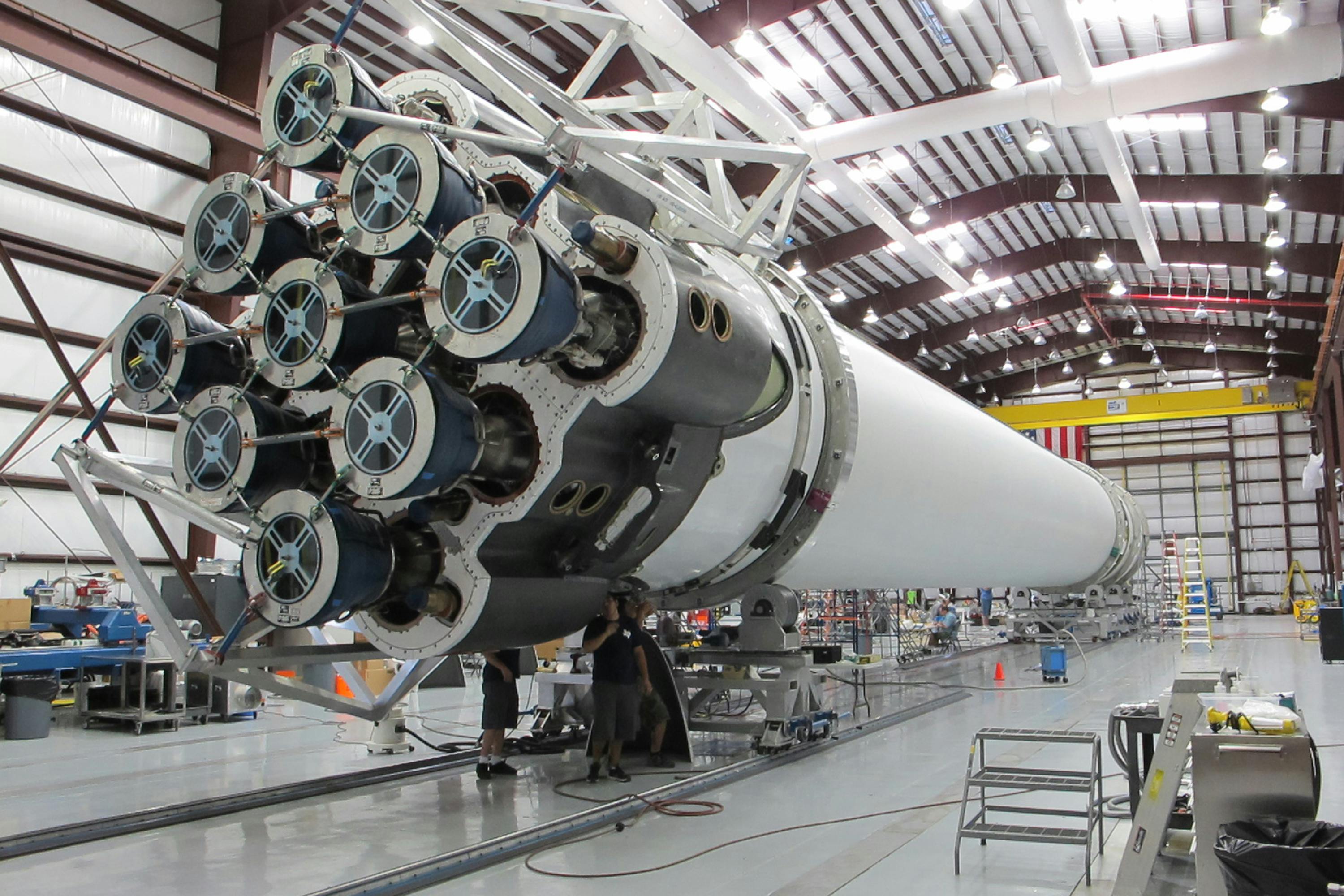
The Rocket That Refused to Sink

The Rocket That Refused to Sink

On April 18, 2014, a Falcon 9 first stage did something no orbital rocket had ever done before. It fired its engines on the way down, steered itself through the atmosphere using grid fins that did not yet exist, and touched the Atlantic Ocean softly enough to survive the impact. Nobody recovered it. The data was the whole point.