

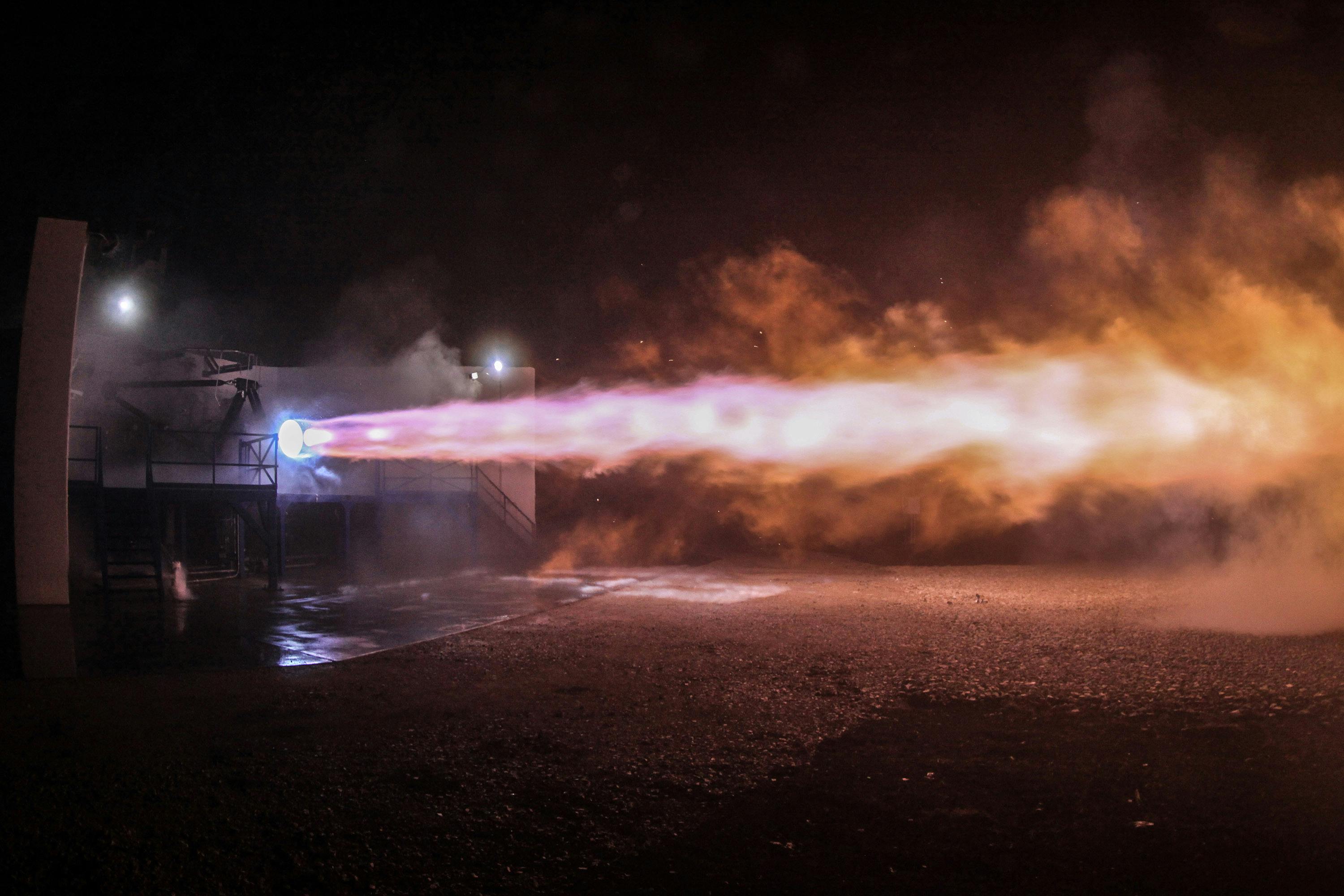
Falcon 9 to Lift Cygnus as Artemis II Hits Midpoint | KeepTrack X Report
Falcon 9 targets ISS Cygnus resupply as Artemis II reaches its halfway mark and SpaceX HLS commitment draws NASA praise.


Launch Date
November 13, 1986
Launch Site
Launch Pad
LC31
Launch Vehicle
Soyuz-U
NORAD ID
17068
International Designator
1986-087A
Decay Date
1/5/1987
Name
COSMOS 1792
Alternative Name
Kosmos-1792
Type
Status
Owner
UNKS
Country
USSR
Constellation
N/A
Related Satellites
Major Events
N/A
Length
6.3
Diameter
2.7
Span
6.3
Dry Mass
2886
Launch Mass
2886
Shape
Cyl + 2 Pan
Radar Cross Section
9.9
Visual Magnitude
Unknown
Color
Unknown
Material Composition
Unknown
Payload
Kobal't No. 851
Purpose
Reconnaissance, photo (film return type)
Mission
Reconnaissance, photo (film return type)
Manufacturer
TSSKB
Life Expectancy
Unknown
Bus
Yantar'-4K2
Configuration
Yantar Bus, main reentry module, 2 small reentry capsules
Motor
Unknown
Equipment
Unknown
Power System
2 deployable solar arrays, batteries
ADCS
Unknown
Transmitter Frequency
Unknown
Learn more about satellites and other related topics.
Falcon 9 targets ISS Cygnus resupply as Artemis II reaches its halfway mark and SpaceX HLS commitment draws NASA praise.

Space Force deploys new radar in Alaska for orbital tracking. SDA awards $3.5B for 72 missile defense satellites. Anysignal raises $24M for autonomous RF sensing technology.

SpaceX conducted significant test firings and further expanded its satellite fleet, while the EU scrutinizes Starlink's market impact amid ongoing space industry negotiations.
NASA delays Artemis 2 for SLS upper stage fix and pad rollback. SpaceX Falcon 9 booster shatters reuse record with 33rd flight. Tory Bruno joins Blue Origin for defense work.
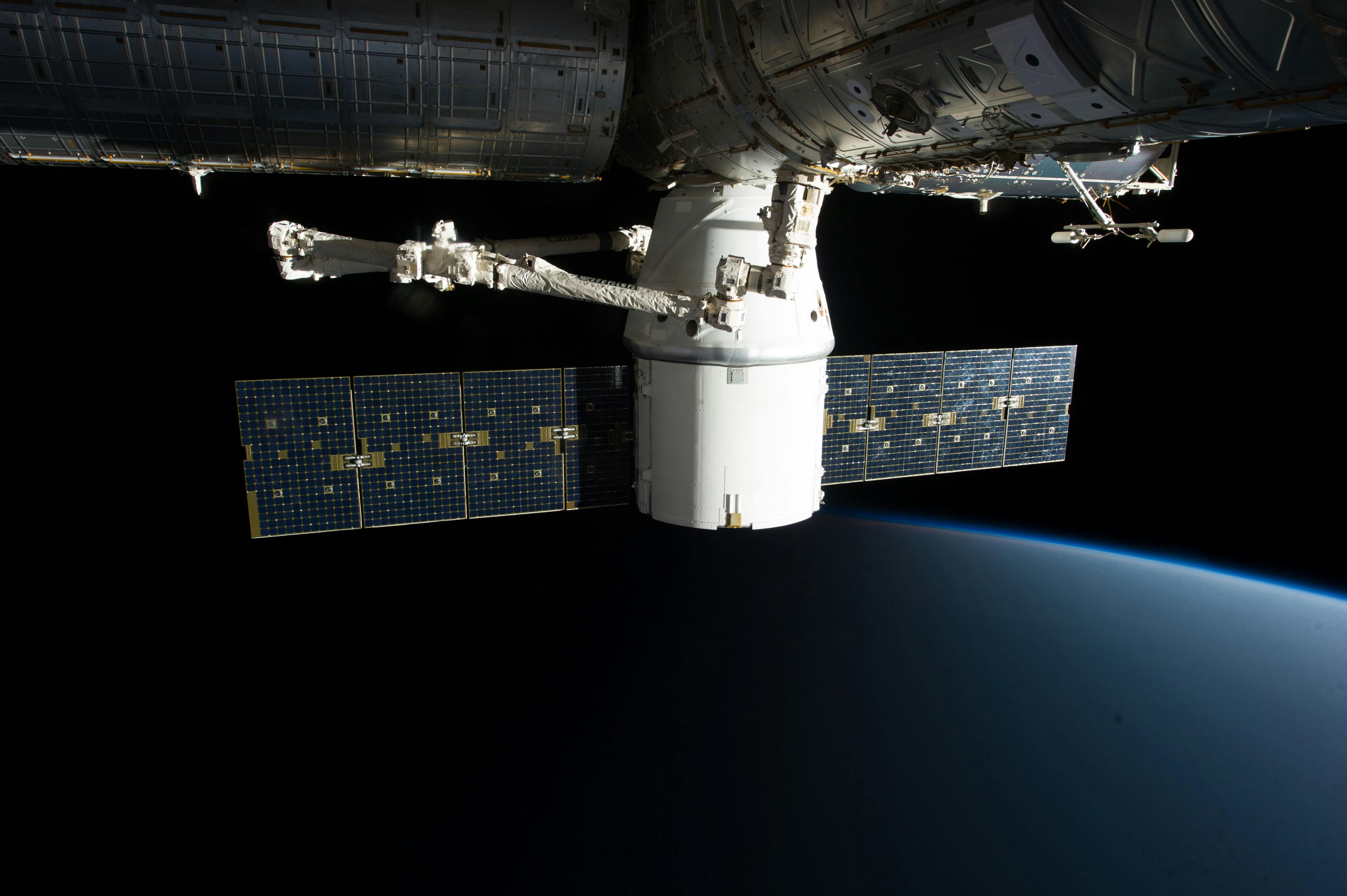
SpaceX and NASA swap Crew Dragon for Crew-10 mission; exciting 'space jellyfish' phenomena from recent launch.
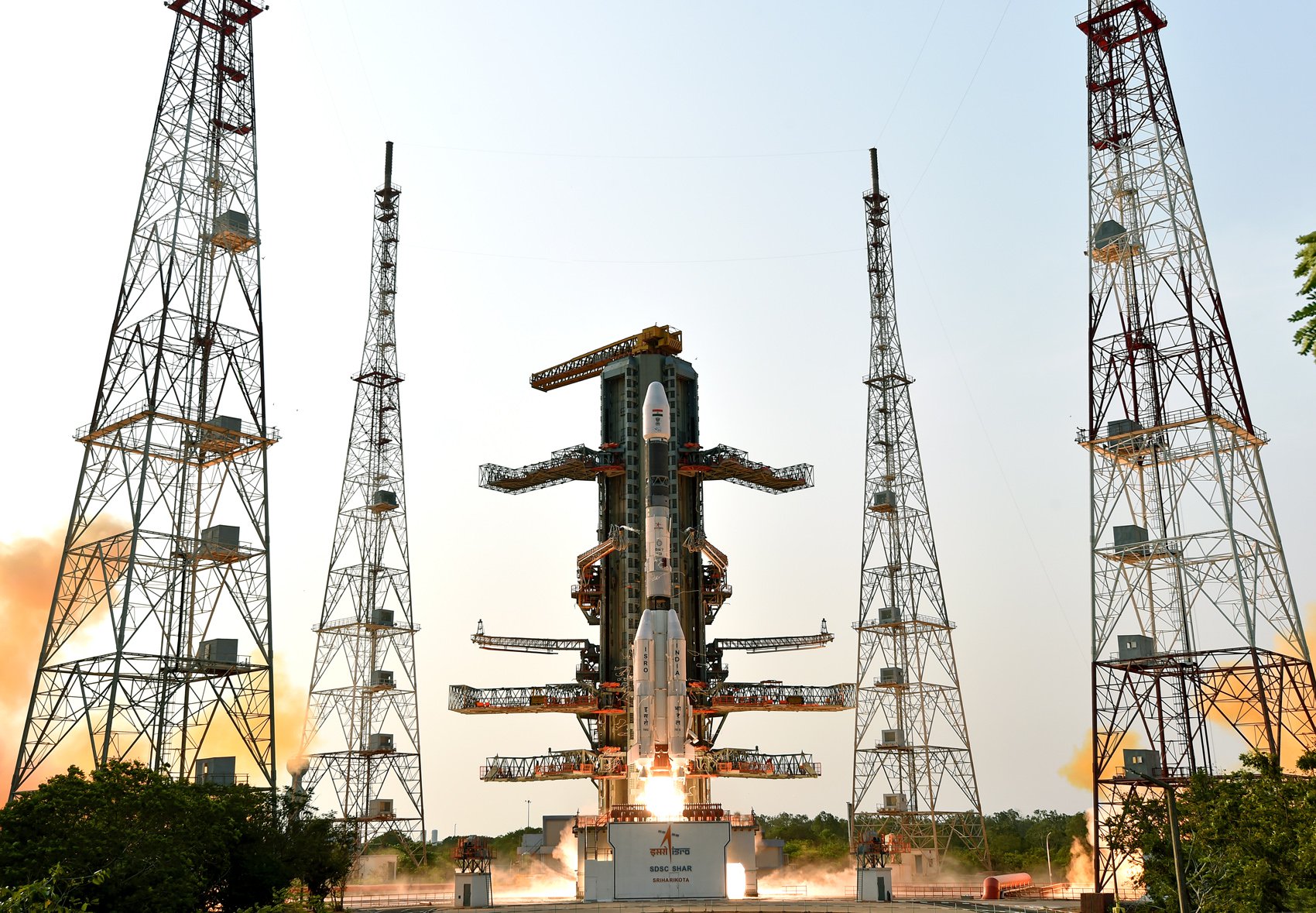
Today's highlights cover critical satellite launches including SpaceX's GPS III mission, advancements in SATCOM technology, and changes in NASA leadership.
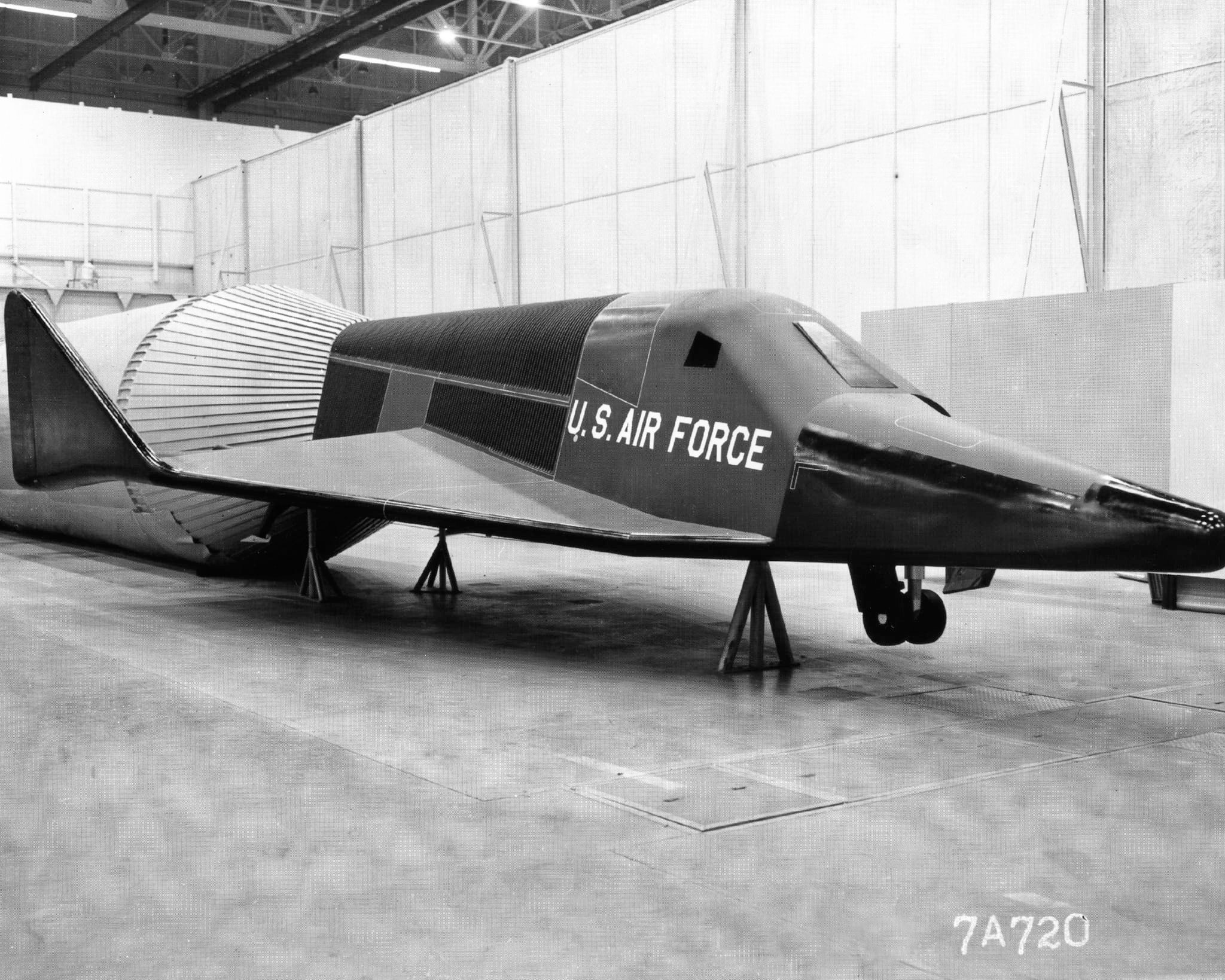
Exactly 62 years ago, Defense Secretary Robert McNamara ended the X-20 Dyna-Soar program, canceling one of the most ambitious spaceplane projects of the early Space Race - a vehicle that could have put aircraft in orbit decades before the Space Shuttle.
SpaceX successfully launched 21 military satellites, marking a key achievement in national security efforts, while preparations continue for the upcoming NASA mission and insights emerge from the Starship development process.