

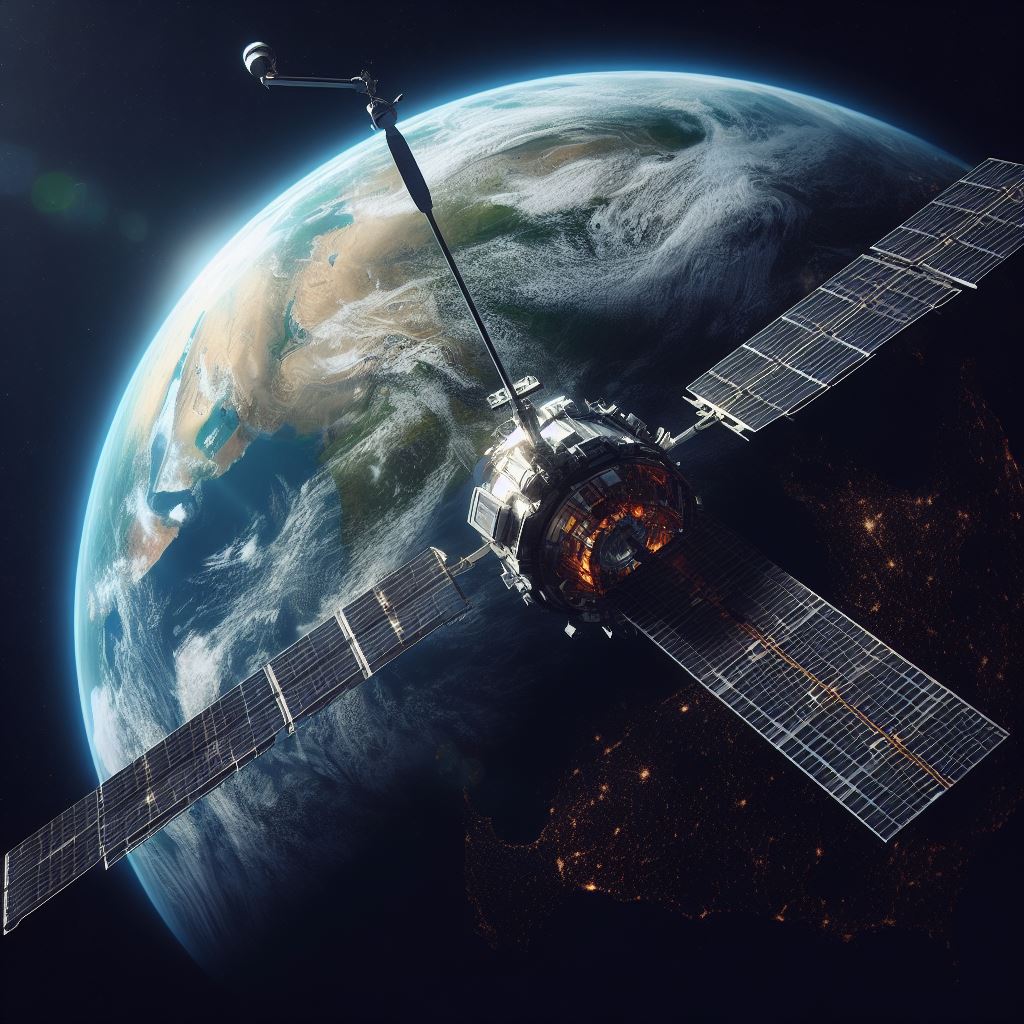
Satellites by Country
Explore a comprehensive breakdown of satellite counts by country, detailing the USA, Russia, China, and others.



Launch Date
September 17, 1986
Launch Site
Launch Pad
LC31
Launch Vehicle
Soyuz-U
NORAD ID
17049
International Designator
1986-072J
Decay Date
12/1/1986
Name
COSMOS 1781 DEB
Alternative Name
KDU part
Type
Status
Owner
UNKS
Country
USSR
Constellation
N/A
Related Satellites
Major Events
N/A
Length
0
Diameter
0
Span
0
Dry Mass
0
Launch Mass
0
Shape
N/A
Radar Cross Section
0.11
Visual Magnitude
Unknown
Color
Unknown
Material Composition
Unknown
Payload
KDU part
Purpose
Unknown
Mission
Unknown
Manufacturer
TSSKB
Life Expectancy
Unknown
Bus
Zenit deb
Configuration
Unknown
Motor
Unknown
Equipment
Unknown
Power System
Unknown
ADCS
Unknown
Transmitter Frequency
Unknown
Learn more about satellites and other related topics.
Explore a comprehensive breakdown of satellite counts by country, detailing the USA, Russia, China, and others.
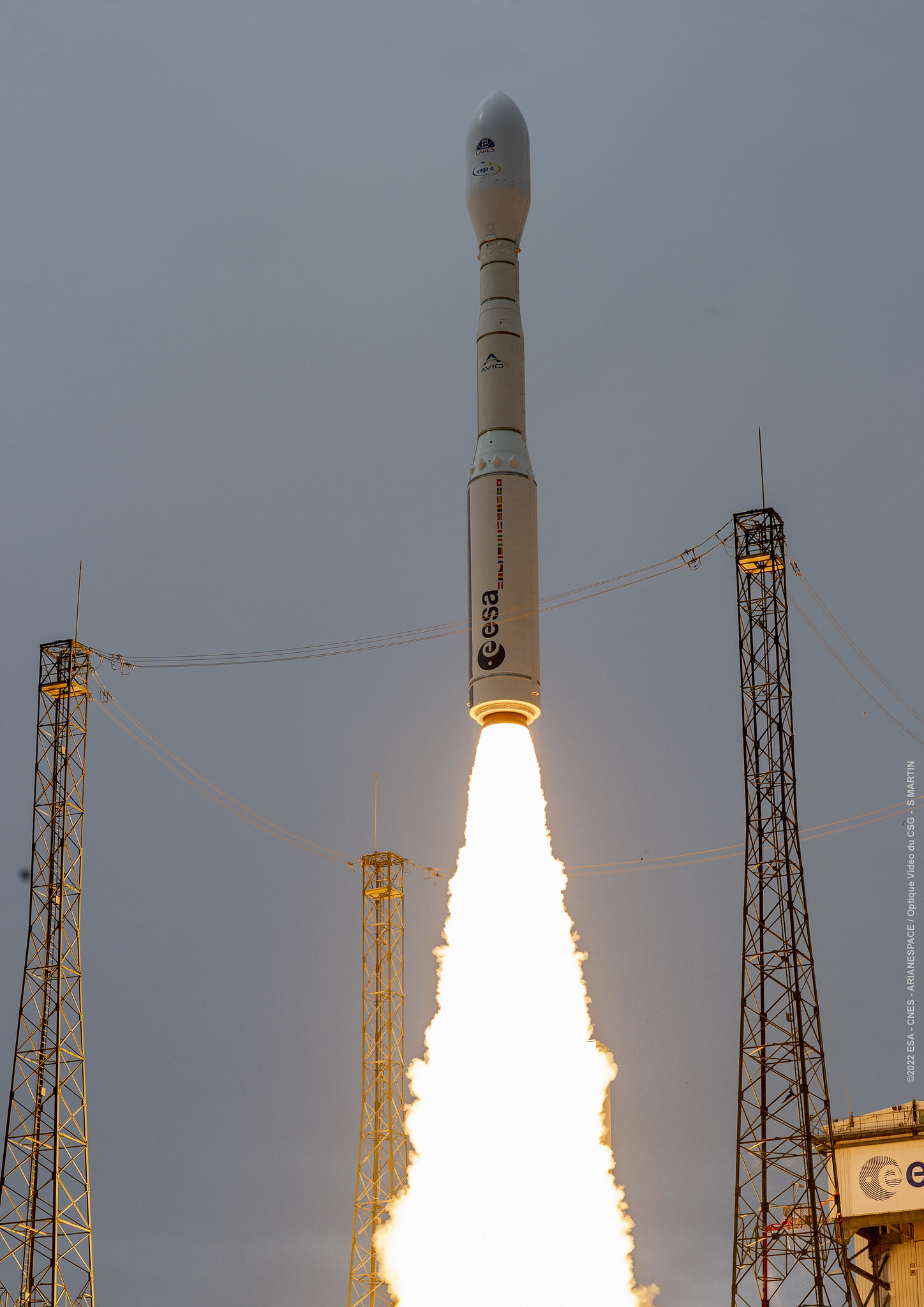
Today's brief covers South Korea's fourth spy satellite launch, potential changes in drone deployment strategies by the US Air Force, and the largest-ever spectrum-sharing demonstration set by the Pentagon.

Space Force contracts Viasat and SES for $437M Protected Tactical Satcom-Global program. Blue Origin clears New Glenn for flights after Flight 3 investigation.

Today's highlights include delayed satellite launches, SpaceX's Florida Starship expansion, a historic mission by Europe's Ariane 6, and NASA's twin missions to explore the ends of the Earth and the universe.

Today's highlights include China's launch of the Shijian-25 for on-orbit refueling tests, major Pentagon contracts for solid rocket motors and hypersonic testing, and the US Space Force's record-setting year of launches.
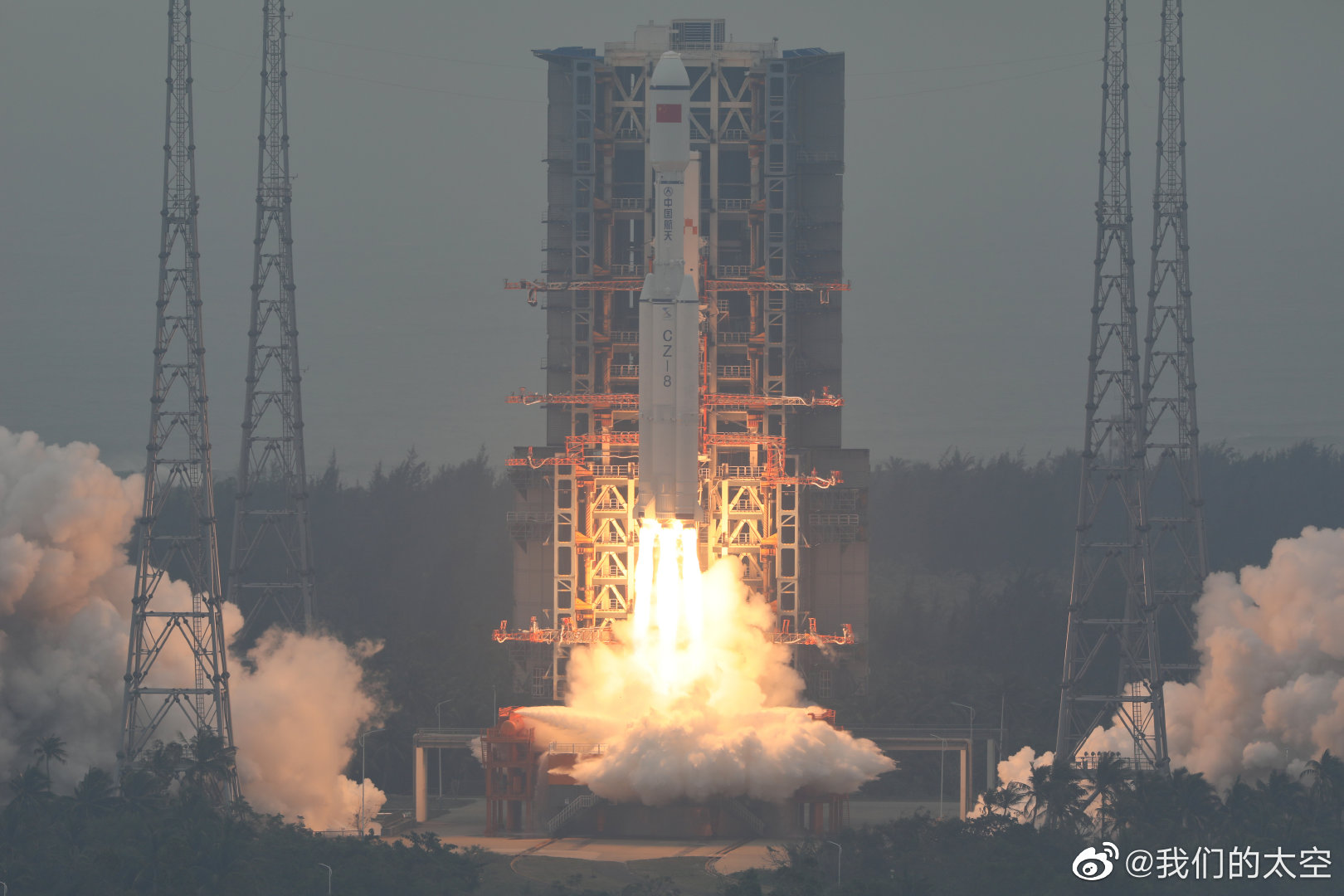
Artemis 2's four astronauts entered lunar sphere of influence April 6, first crewed arrival since Apollo 17. NASA simultaneously proposed 25% budget cut for FY2027.

Today's Space Brief highlights major developments including NASA's Dream Chaser contract modifications, Germany's significant investment in space capabilities, and advancements in hybrid satcom technology.

Falcon Heavy flew for the first time in eighteen months on April 29, 2026, expending its center core to push Viasat's final ViaSat-3 satellite toward geostationary orbit. The mission is a flagship rocket doing what only it can still do, for an operator betting six tons of high-throughput hardware on a market Starlink is rapidly redefining.