

Space Brief 29 Dec 2025
Today's highlights include Japan's new military satellite imagery initiative, NASA's SPHEREx map, and AST BlueBird 6's groundbreaking cellular array in low Earth orbit.


Launch Date
August 21, 1986
Launch Site
PLMSC
Launch Pad
LC43/4
Launch Vehicle
Soyuz-U
NORAD ID
16918
International Designator
1986-063A
Decay Date
9/3/1986
Name
COSMOS 1772
Alternative Name
Kosmos-1772
Type
Status
Owner
UNKS
Country
USSR
Constellation
N/A
Related Satellites
Major Events
N/A
Length
6
Diameter
2.2
Span
6
Dry Mass
2655
Launch Mass
2655
Shape
Sphere + DCone
Radar Cross Section
10.11
Visual Magnitude
Unknown
Color
Unknown
Material Composition
Unknown
Payload
Oblik No. 336
Purpose
Reconnaissance, photo (film return type)
Mission
Reconnaissance, photo (film return type)
Manufacturer
TSSKB
Life Expectancy
Unknown
Bus
Oblik
Configuration
Zenit bus
Motor
11D82M; S5.120 (maneuver module)
Equipment
Unknown
Power System
Batteries
ADCS
Unknown
Transmitter Frequency
Unknown
Learn more about satellites and other related topics.
Today's highlights include Japan's new military satellite imagery initiative, NASA's SPHEREx map, and AST BlueBird 6's groundbreaking cellular array in low Earth orbit.

NRO awards three commercial data contracts and explores vetting satellite firms for airborne target tracking via U.S. Space Force. Strategic expansion of GEOINT capabilities.
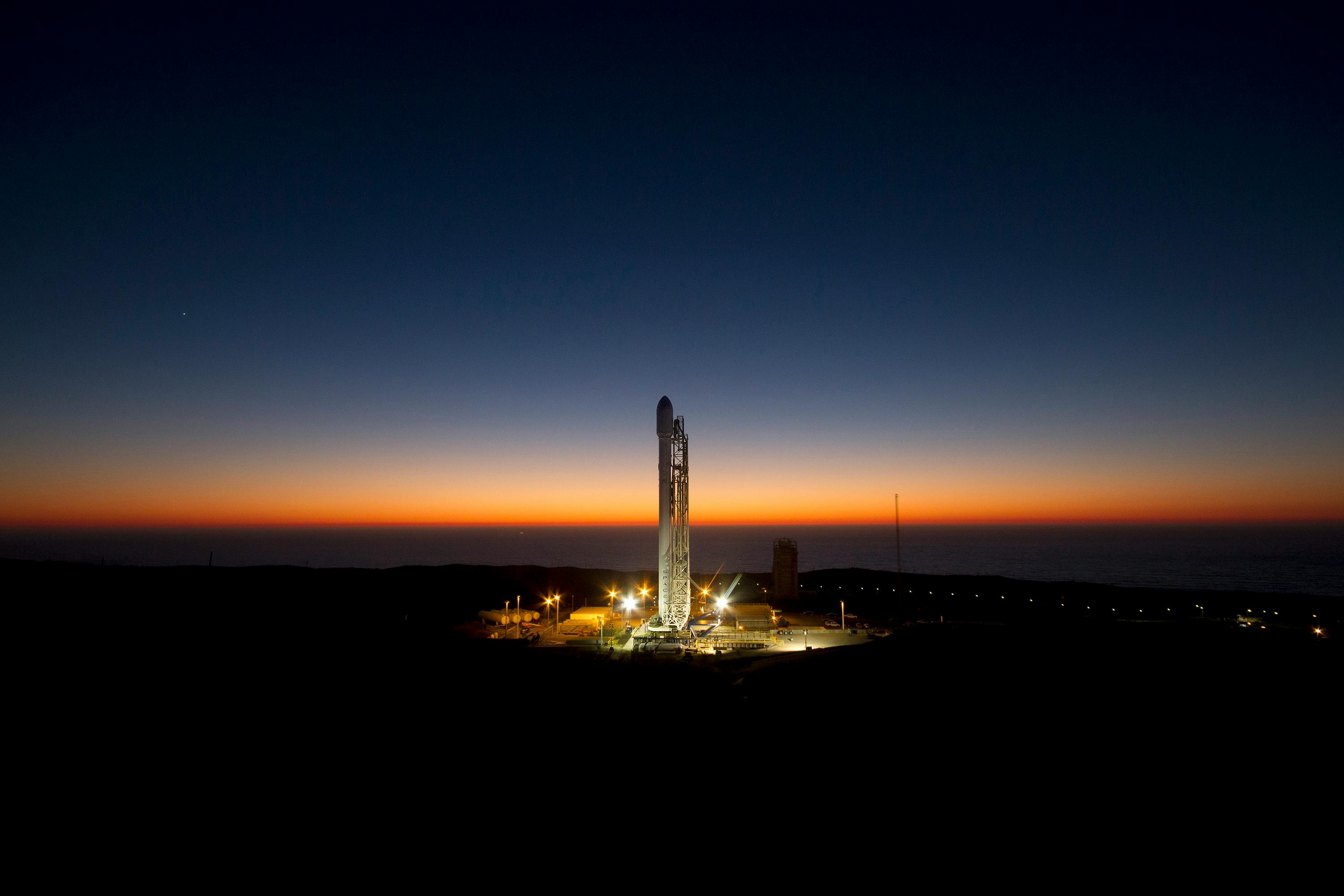
SpaceX accelerates Block 3 Starship pad work at Starbase as Russia preps Soyuz-5 debut alongside Falcon 9 internet satellite launches.
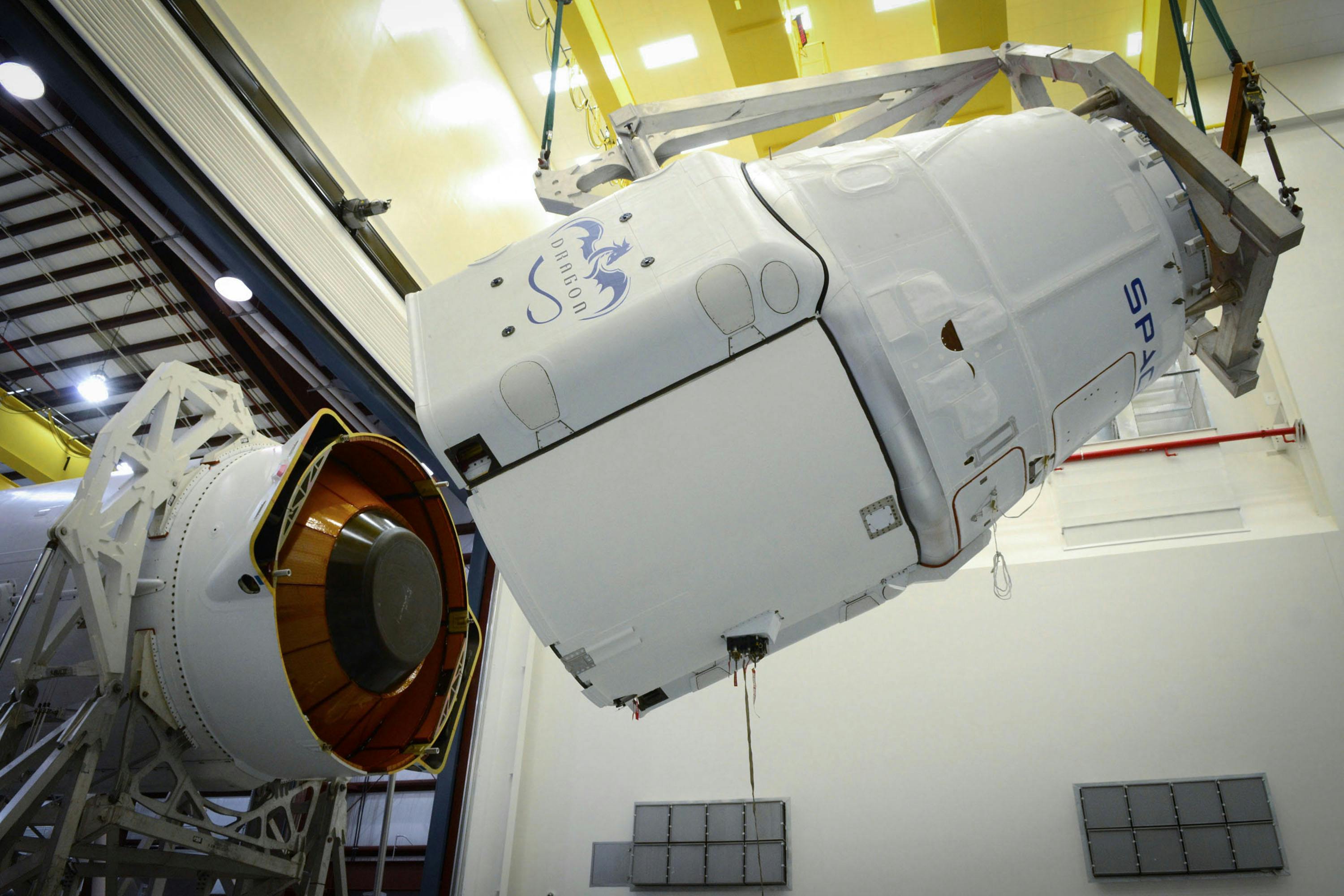
SpaceX successfully launched the Transporter-15 rideshare mission, deploying 140 payloads including significant international contributions. Meanwhile, the company progresses with Booster 19 stacking after the recent Booster 18 anomaly.

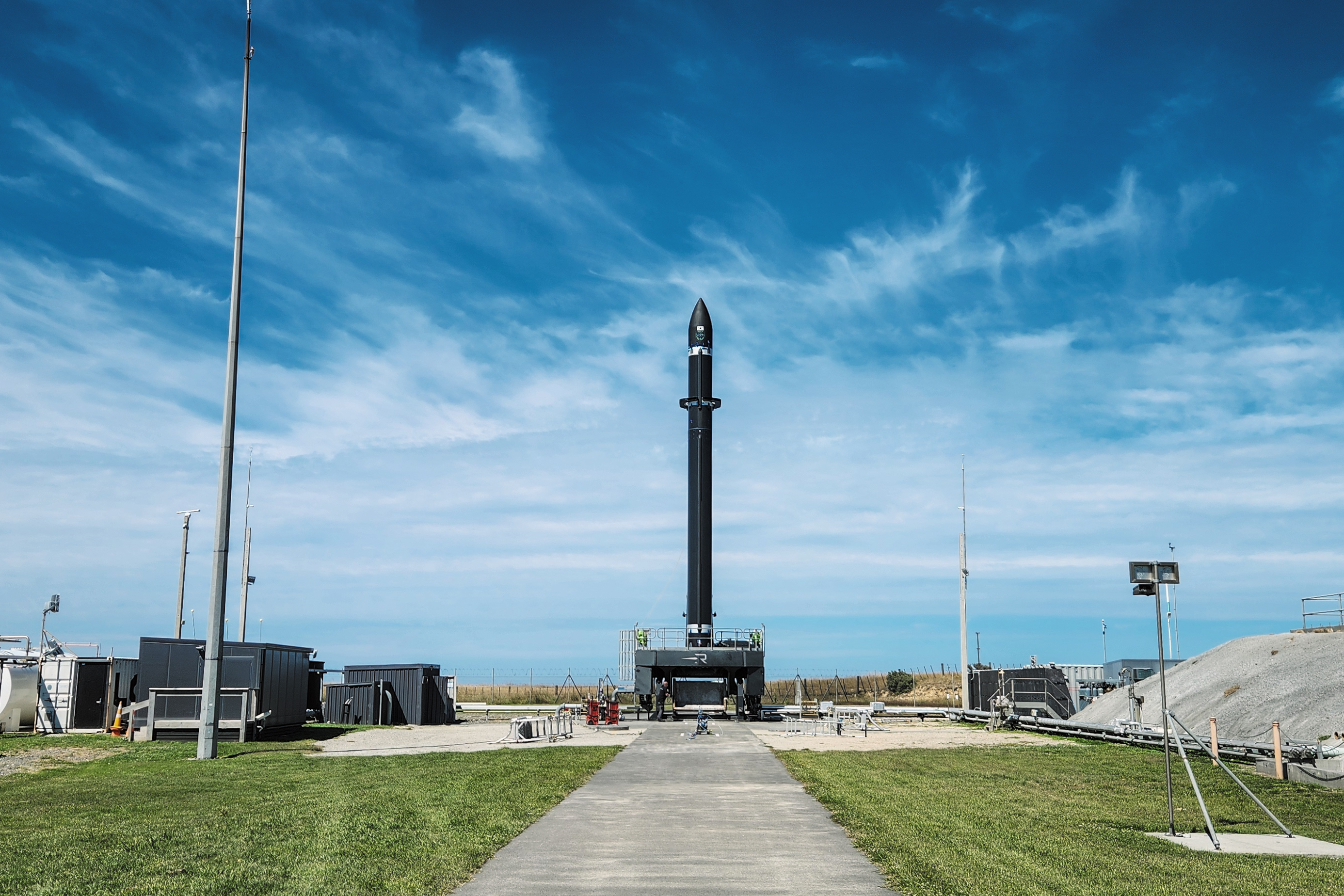
Rocket Lab secures $190M Pentagon deal for 20 hypersonic test flights over 4 years using Electron. Five missions annually trackable via Space-Track.

Today's space news roundup highlights a significant defense bill passed for the Space Force, a delay in the Axiom-4 mission due to ISS issues, and major satellite deals with NATO.
GAO flags growing cost problems across Space Force satellite portfolio with workforce reductions compounding risks to missile-warning constellations like NGG and SWAT.
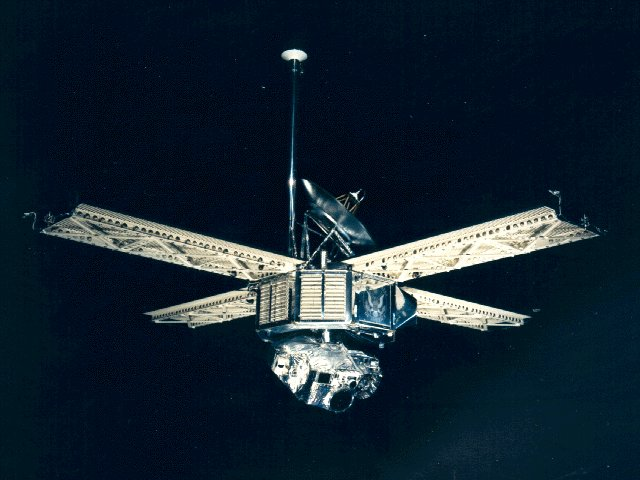
Fifty-six years ago, a revolutionary spacecraft launched toward the Red Planet after being saved from disaster by two quick-thinking technicians who risked their lives to prevent a rocket collapse