


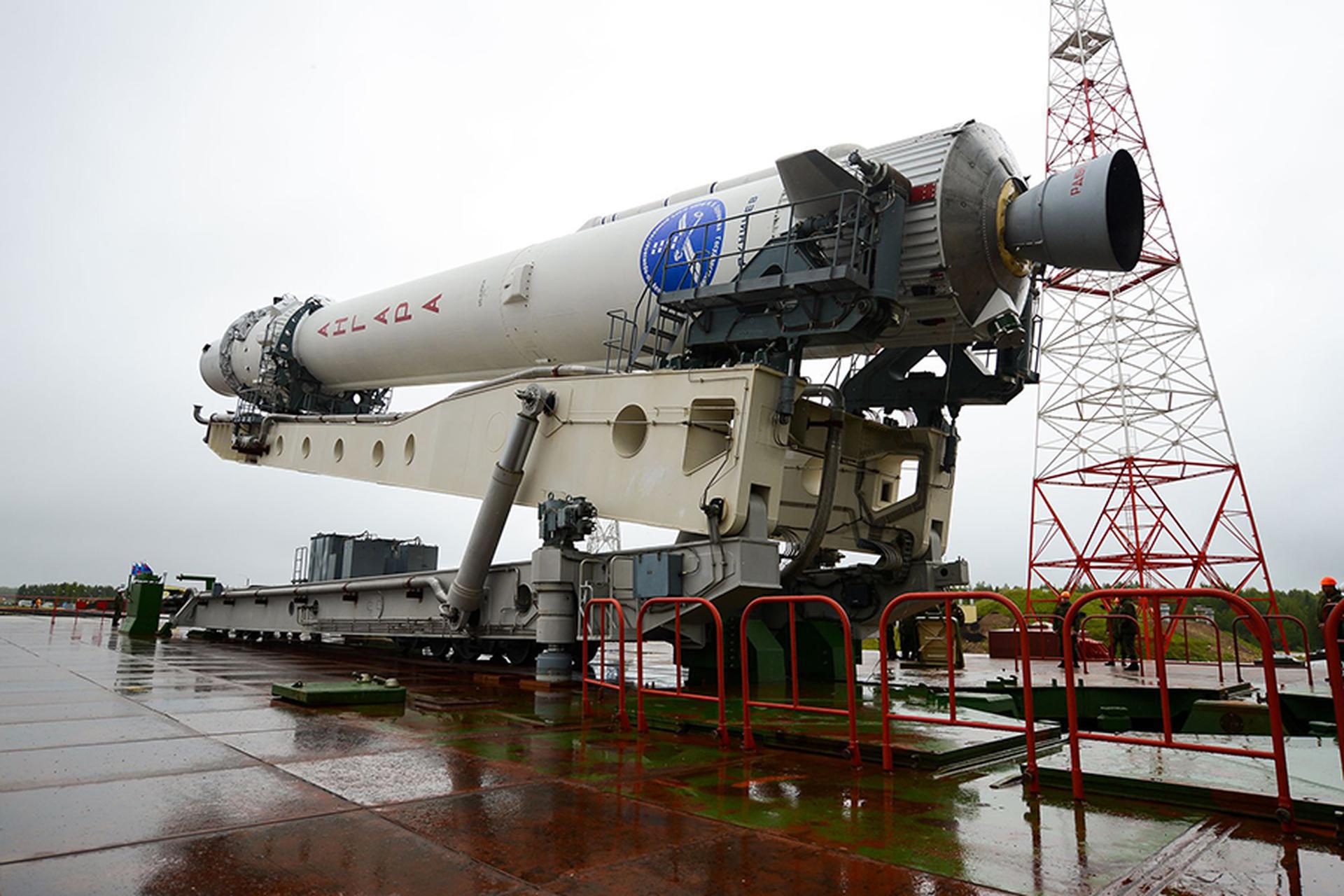
Space Brief 16 Nov 2025
Today's highlights include SpaceX's record-breaking Falcon 9 launches, Dream Chaser's testing success, and Blue Origin's latest New Glenn achievements.


Launch Date
August 12, 1986
Launch Site
TANSC
Launch Pad
N
Launch Vehicle
H-1
NORAD ID
16910
International Designator
1986-061C
Epoch
Fri, 03 Jul 2026 23:34:00 GMT
Apogee
Calculating...
Perigee
Calculating...
Inclination
50.01°
Right Ascension
6.17°
Eccentricity
Calculating...
Argument of Perigee
313.79°
Period
116.82 min
Mean Motion
12.33 rev/day
Latitude
Calculating...
Longitude
Calculating...
Altitude
Calculating...
Velocity
Calculating...
Name
H-1 R/B(MABES)
Alternative Name
Jindai
Type
Status
Owner
NASDA
Country
Japan
Constellation
N/A
Related Satellites
Major Events
N/A
1 16910U 86061C 26184.98194933 -.00000104 00000-0 -86165-4 0 9992
2 16910 50.0067 6.1724 0072390 313.7904 212.8961 12.32656936796515
Source: Celestrak
Length
1.5
Diameter
1
Span
1
Dry Mass
294
Launch Mass
294
Shape
Box
Radar Cross Section
11.34
Visual Magnitude
Unknown
Color
Unknown
Material Composition
Unknown
Payload
MABES
Purpose
Technology
Mission
Technology
Manufacturer
NAL
Life Expectancy
Unknown
Bus
NASDA Attached
Configuration
Experiment fixed to H-1 second stage
Motor
Unknown
Equipment
Unknown
Power System
Batteries
ADCS
Unknown
Transmitter Frequency
Unknown
Learn more about satellites and other related topics.
Today's highlights include SpaceX's record-breaking Falcon 9 launches, Dream Chaser's testing success, and Blue Origin's latest New Glenn achievements.

SpaceX continues to make strides with successful satellite launches and competitive maneuvering in the direct-to-device market, as AST SpaceMobile aligns with Verizon for space-based cellular services.

Kratos Defense awarded $446M Space Force contract for RMWT missile-warning ground systems. Rocket Lab secures $190M Pentagon deal for 20 hypersonic test flights.
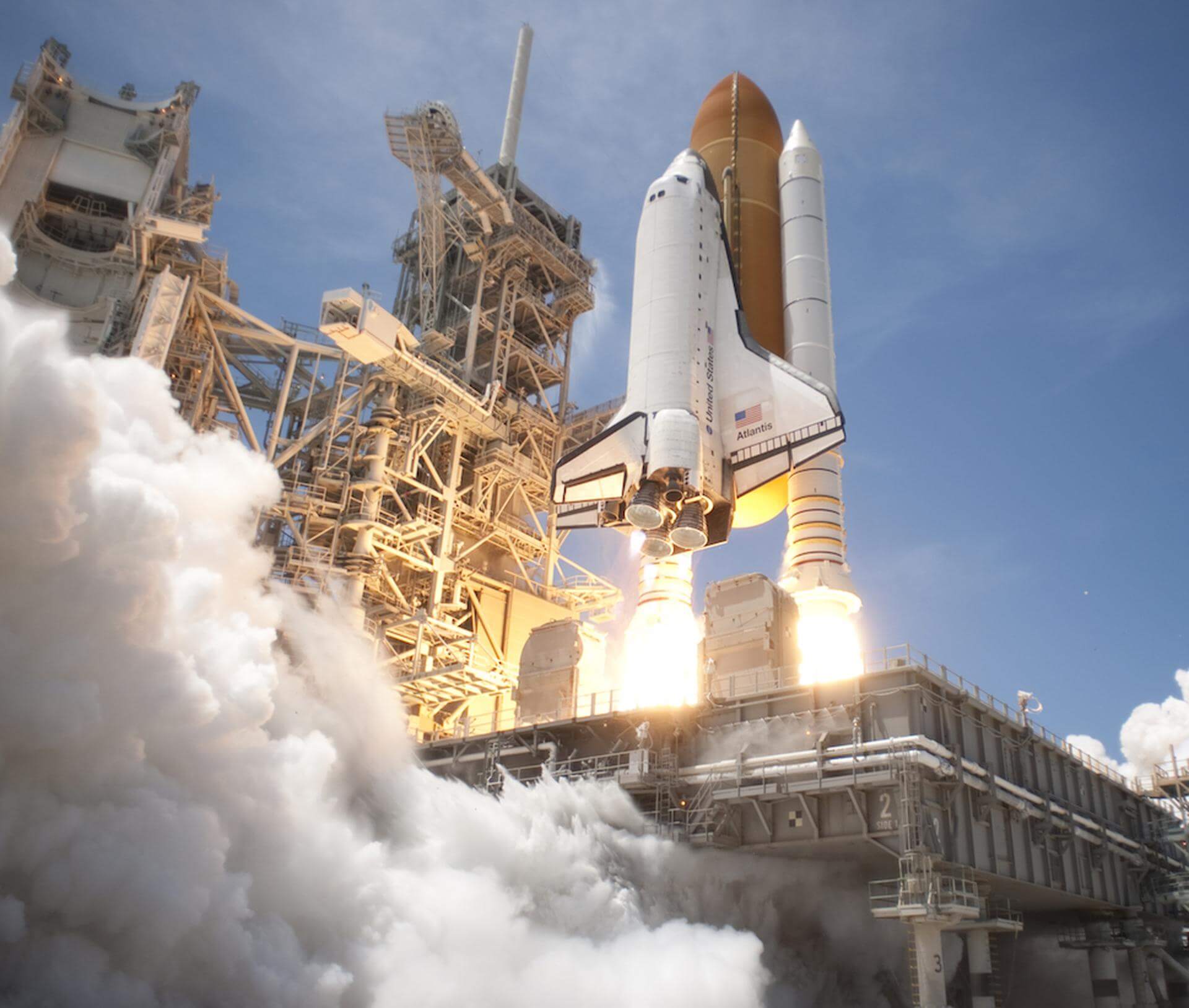
Artemis II crew surpassed Apollo 13's distance record during April 6 lunar flyby. Orion carried 4 astronauts—including Canadian Jeremy Hansen—farther from Earth than any humans.
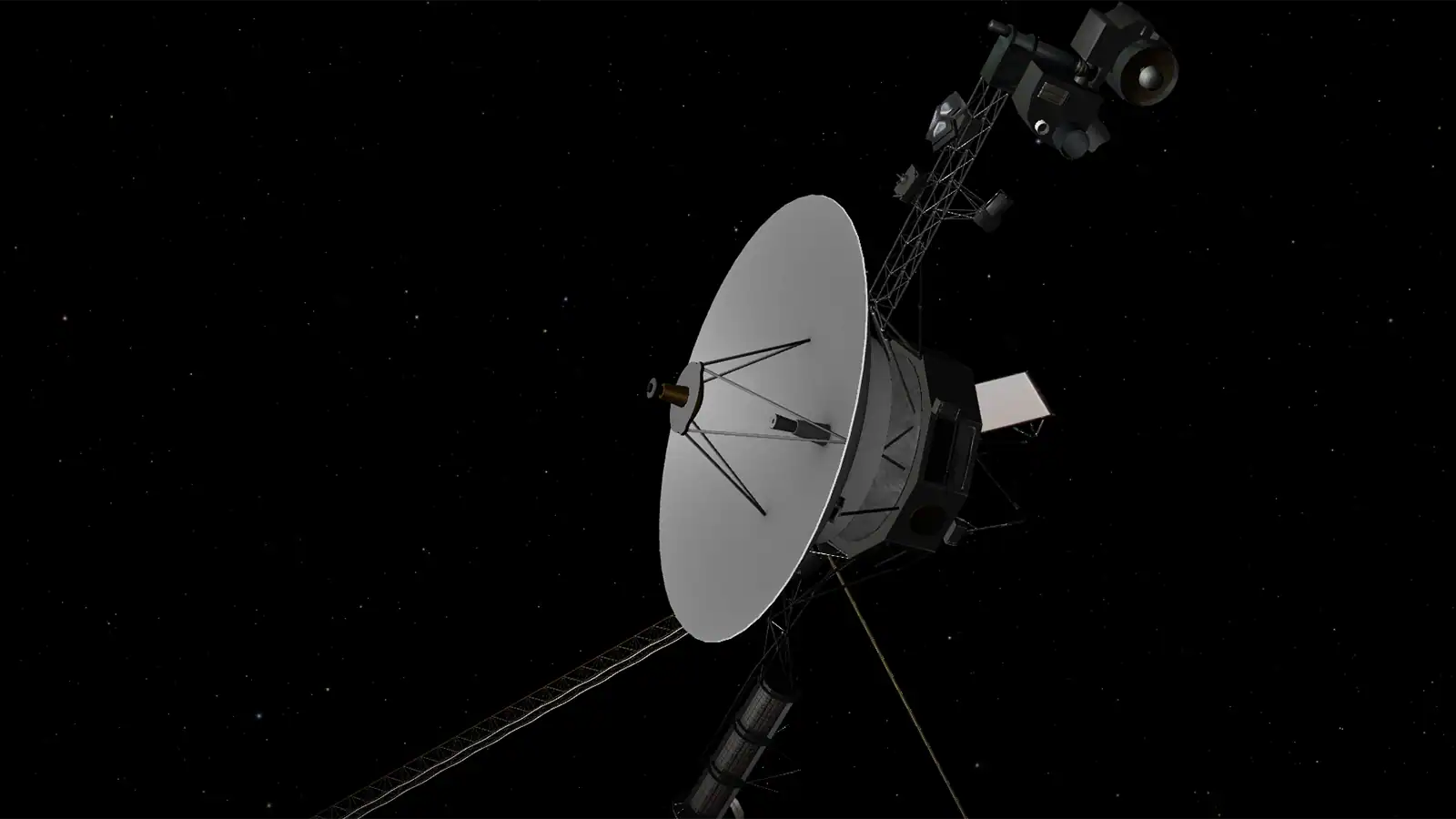
In November 2023, Earth's most distant spacecraft started speaking gibberish. Five months, one dead memory chip, and 30 billion miles of round-trip troubleshooting later, engineers got it talking again - using code written before most of them were born.

A second Starlink satellite has generated on-orbit debris in just over 3 months, threatening SpaceX's 10,151-satellite working constellation.
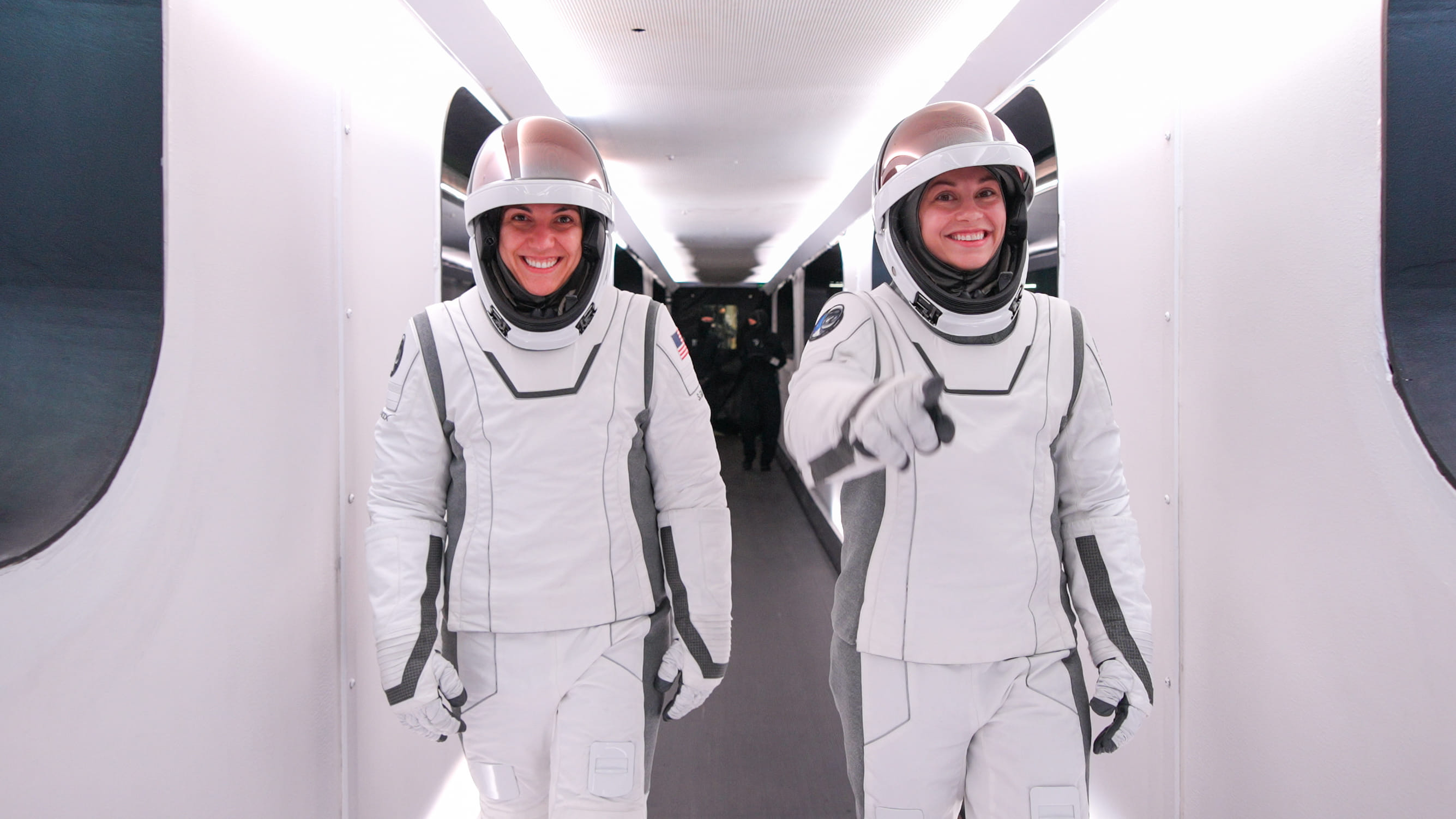
A recap of notable space events including the Soyuz MS-26 launch to the ISS, Polaris Dawn's altitude achievement, and satellite tracking updates.

Today's update highlights Boeing's challenges with the Starliner, Europe's IRIS2 constellation advancement, China's CAS Space's global ambitions, and vivid new telescope images of cosmic events.