


X Report 24 May 2025
SpaceX experiences a setback with Starship Flight 8 while continuing its Starlink deployment efforts with a successful launch from California.


Launch Date
August 6, 1986
Launch Site
Launch Pad
LC1
Launch Vehicle
Soyuz-U
NORAD ID
16897
International Designator
1986-060A
Decay Date
2/2/1987
Name
COSMOS 1770
Alternative Name
Kosmos-1770
Type
Status
Owner
UNKS
Country
USSR
Constellation
N/A
Related Satellites
Major Events
N/A
Length
7.5
Diameter
2.7
Span
8.5
Dry Mass
3390
Launch Mass
3390
Shape
Cyl + 2 Pan
Radar Cross Section
46.18
Visual Magnitude
Unknown
Color
Unknown
Material Composition
Unknown
Payload
Terilen No. 5L
Purpose
Reconnaissance, photo (data transmitting)
Mission
Reconnaissance, photo (data transmitting)
Manufacturer
TSSKB
Life Expectancy
Unknown
Bus
Yantar'-4KS1
Configuration
Yantar Bus
Motor
Unknown
Equipment
Unknown
Power System
2 deployable solar arrays, batteries
ADCS
Unknown
Transmitter Frequency
Unknown
Learn more about satellites and other related topics.
SpaceX experiences a setback with Starship Flight 8 while continuing its Starlink deployment efforts with a successful launch from California.
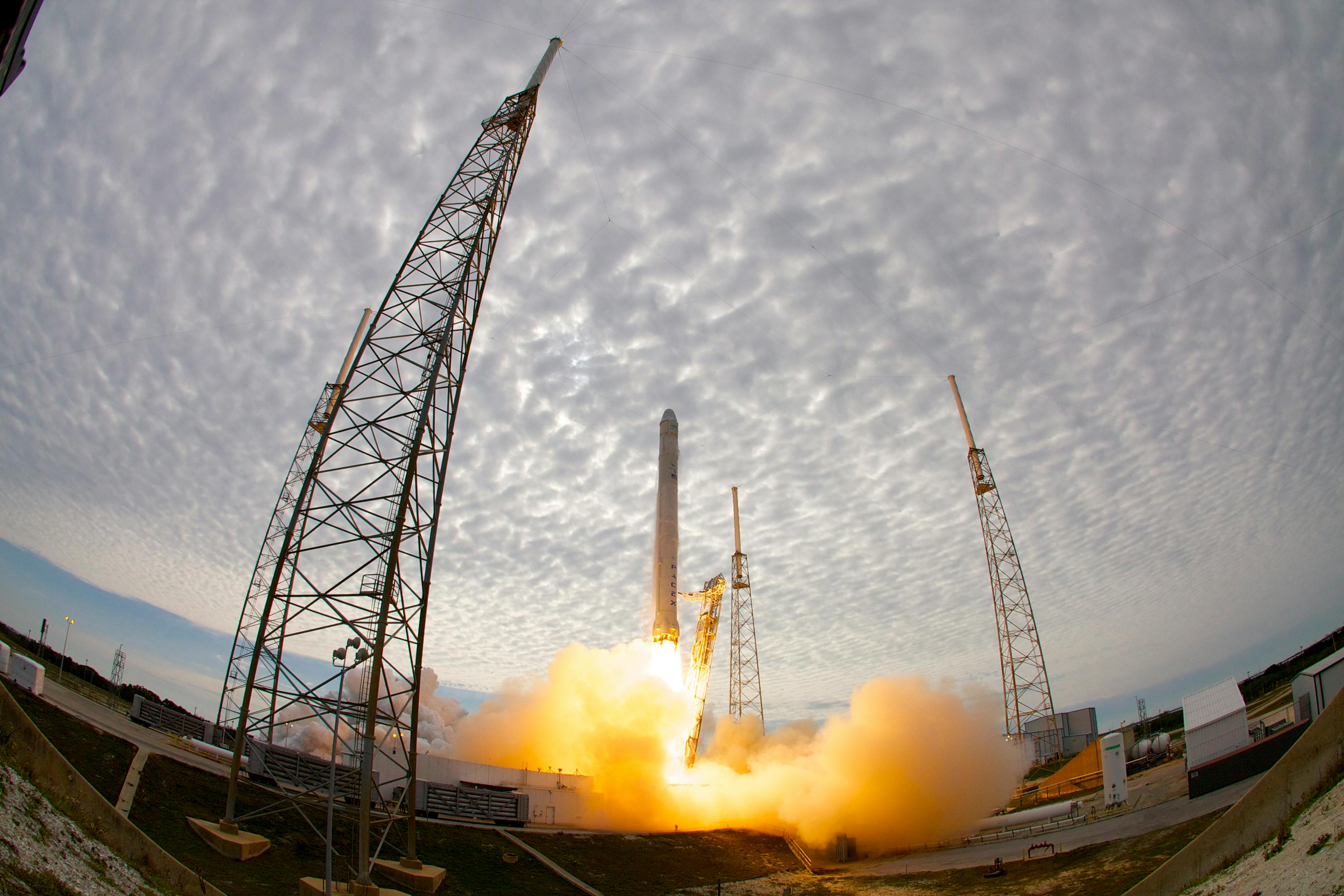
SpaceX successfully launches two lunar landers and clears another milestone with Transporter-12 rideshare mission.
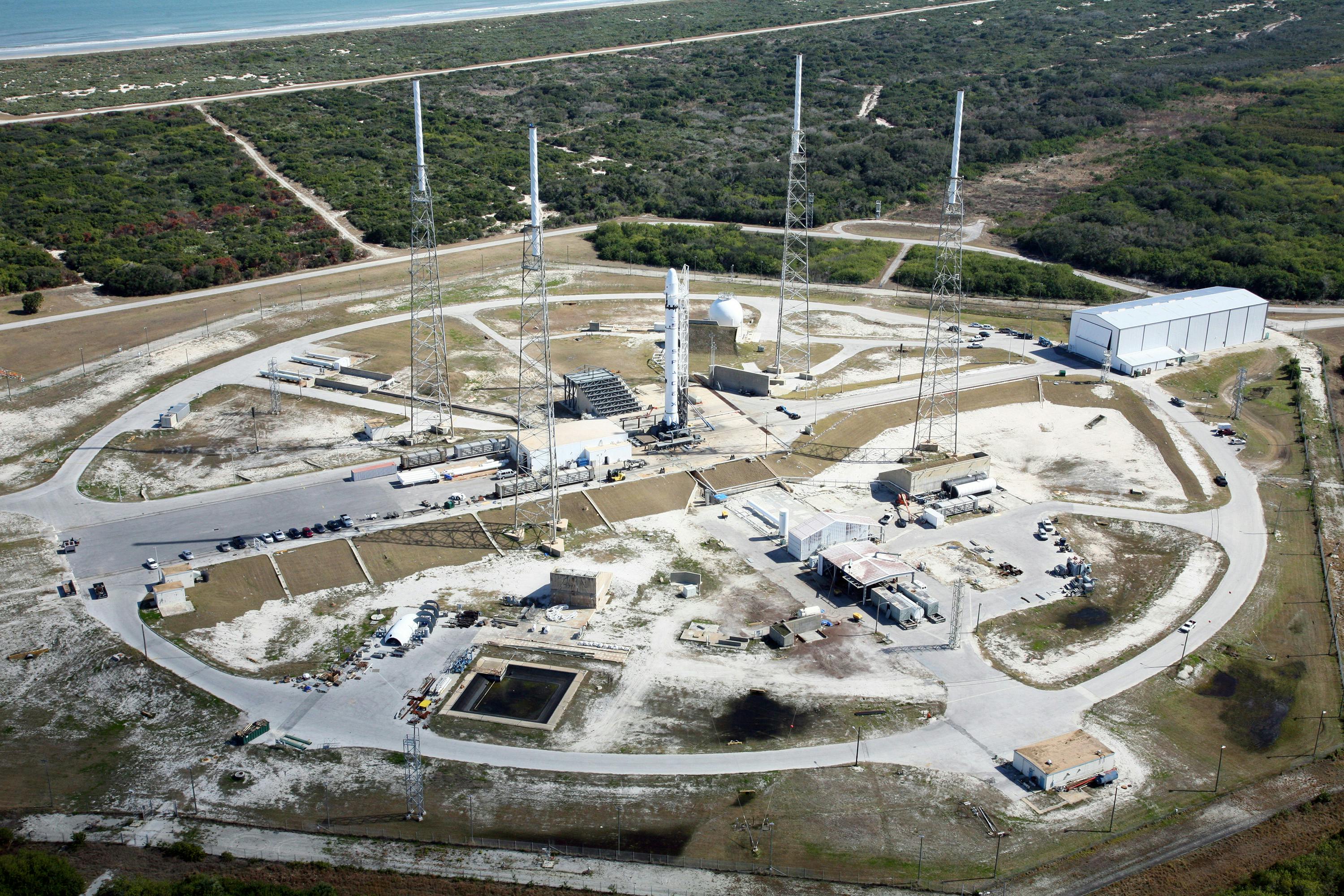
SpaceX's reported IPO structure grants Elon Musk unchecked control and forces 220,000-GPU Colossus AI deal into the spotlight.

SpaceX achieves significant milestones with the launch of 28 Starlink satellites and the final landing of the LZ-1 pad, marking key moments in their ongoing mission to expand satellite connectivity.
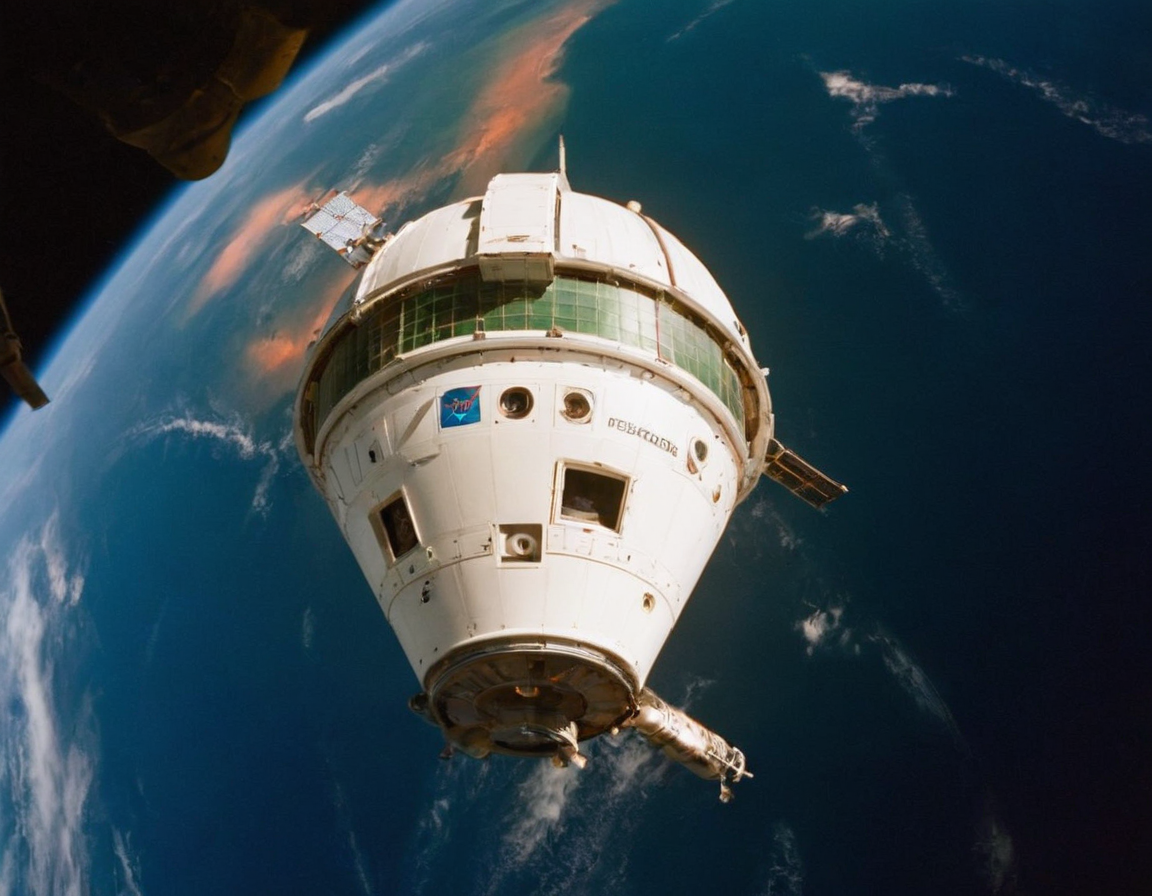
Boeing's Starliner spacecraft encounters thruster problems and helium leaks during its first crewed mission, potentially delaying the return of NASA astronauts from the International Space Station.

GPS III SV10 launched April 21 on a SpaceX Falcon 9 with 3x better accuracy and 8x anti-jamming. Starlink stands at 10,263 working satellites.
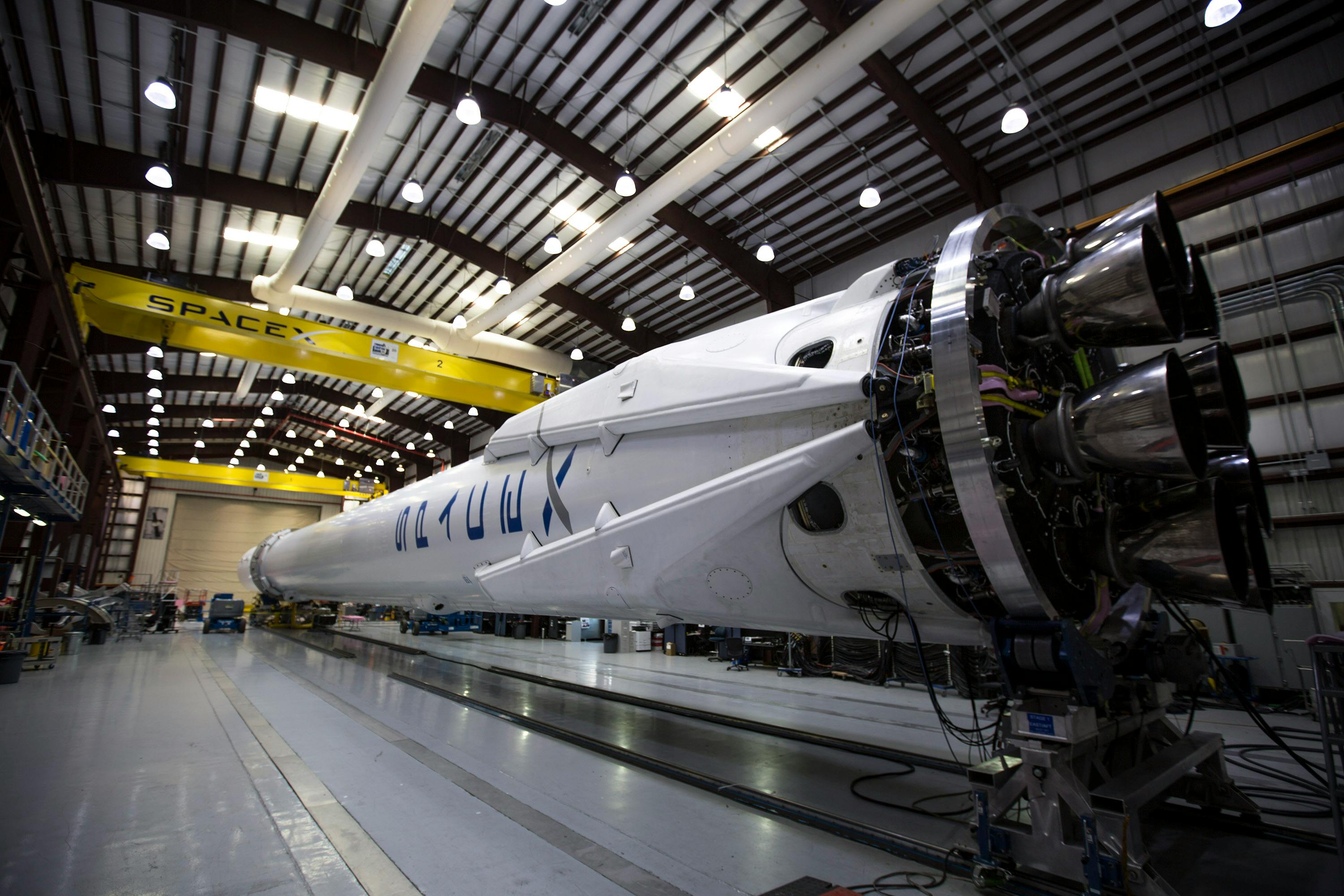
Today's highlights include SpaceX's Dragon cargo mission to the ISS, the first wooden satellite launch, and updates on NASA's Voyager mission. Additionally, the Space Force's X-37B space plane showcases unique aerobraking strategies.
China launches Yaogan spacecraft into unusual orbit and Guowang constellation satellites to start 2026. NASA and DOE plan lunar nuclear reactor by 2030. Space Force switches GPS launch rocket.