SL-11 R/B (16896)

COSPAR: 1986-059B | Alt Name: Tsiklon-2 99-805 Stage 2
DECAYED

Image
SL-11 R/B Satellite Image
Additional Sources
Launch Details

Launch Date

August 4, 1986

Launch Pad

LC90

Launch Vehicle

Tsiklon-2

Orbital Elements

NORAD ID

16896

International Designator

1986-059B

Decay Date

8/4/1986

Basic Satellite Info

Name

SL-11 R/B

Alternative Name

Tsiklon-2 99-805 Stage 2

Type

Rocket Body

Status

Space Junk

Owner

UNKS

Country

USSR

Constellation

N/A

Related Satellites

Major Events

N/A

Summary
A rocket body, also commonly referred to as an upper stage or spent rocket stage, is the structural shell left behind after a rocket has delivered its payload to orbit. These large and often heavy pieces of space hardware can remain in orbit for years, posing significant collision hazards as part of the growing space debris problem. If left uncontrolled, rocket bodies have the potential to reenter Earth's atmosphere unpredictably, which can lead to falling debris in populated areas. Additionally, they risk colliding with operational satellites or the International Space Station, creating more debris and putting human life at risk.
Physical Characteristics

Length

10.9

Diameter

3

Span

10.9

Dry Mass

4000

Launch Mass

4000

Shape

Cyl

Radar Cross Section

72.2

Visual Magnitude

Unknown

Color

Unknown

Material Composition

Unknown

Technical Details

Payload

11S692

Purpose

Unknown

Mission

Unknown

Manufacturer

YUZH

Life Expectancy

Unknown

Bus

11S692

Configuration

Unknown

Motor

Unknown

Equipment

Unknown

Power System

Unknown

ADCS

Unknown

Transmitter Frequency

Unknown

Satellite Articles

View All Posts »

Learn more about satellites and other related topics.

A Tribute to Albert Einstein

A Tribute to Albert Einstein

Ask anyone on the street who the smartest person ever was, and most will say Albert Einstein. Exactly 71 years ago today, this genius departed from the world. Today, we examine Einstein's innumerable contributions to astronomy and how he shaped space history for years to come.

The Day Superpowers Shared Space

The Day Superpowers Shared Space

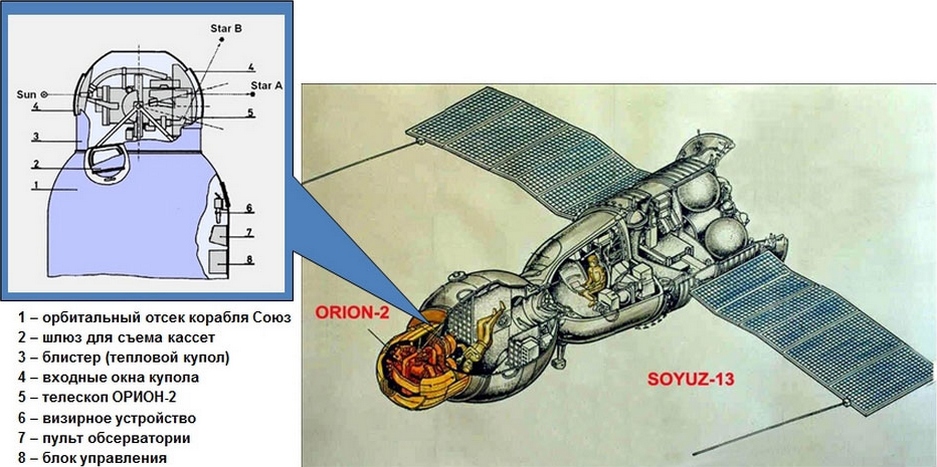
Exactly 52 years ago today, the Soviet Union launched Soyuz 13 - a scientific mission that marked the first time American astronauts and Soviet cosmonauts orbited Earth simultaneously. Armed with a revolutionary ultraviolet telescope, Pyotr Klimuk and Valentin Lebedev would discover elements never before seen in distant nebulae.

Space Brief 9 Jul 2025

Space Brief 9 Jul 2025

Today's brief covers the U.S. Space Force's new international strategy, Northrop Grumman's Golden Dome project, and ULA's Vulcan launches, alongside military budget priorities.

Artemis 2 Tracker - Follow Orion's Flight Path in 3D

Artemis 2 Tracker - Follow Orion's Flight Path in 3D

Follow the complete Artemis II mission in KeepTrack's 3D tracker. Replay Orion's full flight path from launch through the lunar flyby to Pacific splashdown, and scrub to any moment of the ten-day mission.

Falcon 9 Resumes Flights, Starbase Approved to Double in Size | KeepTrack X Report

Falcon 9 Resumes Flights, Starbase Approved to Double in Size | KeepTrack X Report

Falcon 9 resumes flights with 25 Starlink satellites from Vandenberg. SpaceX test-fires rocket ahead of Crew-12 launch. Starbase approved to nearly double its launch site footprint.

Space Brief 10 Mar 2025

Space Brief 10 Mar 2025

Today's briefing covers significant events, including advancements in US missile warning systems, SpaceX's Florida Starship plans, a European rocket's success, and NASA's upcoming missions.

The Dog They Never Planned to Bring Home

The Dog They Never Planned to Bring Home

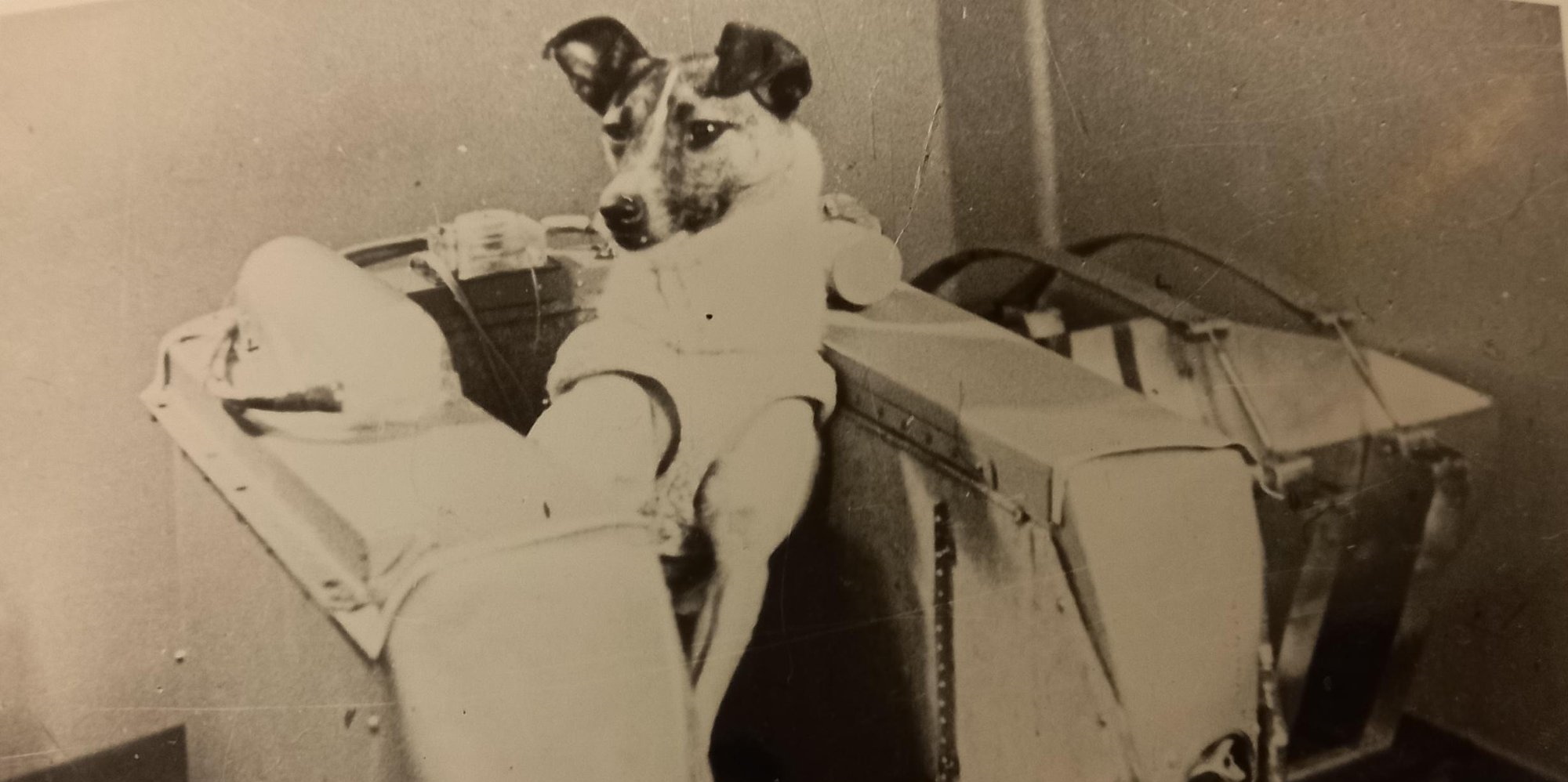
On April 14, 1958, Sputnik 2 burned up over the North Atlantic, carrying the remains of a stray dog from Moscow who had been dead for five months. The Soviet Union told the world she survived for days. It took forty-five years for the truth to come out.

X Report 1 Jan 2025

X Report 1 Jan 2025

SpaceX wraps up a record-breaking year with an impressive launch count, while the Starship program looks to make significant advancements in 2025.