

X Report 21 Jan 2025
SpaceX successfully launches 21 Starlink satellites, marking their return post-Starship explosion. Starship's recent test flight leaves debris washing ashore, while Blue Origin's New Glenn debut sparks discussion.


Launch Date
August 4, 1986
Launch Site
Launch Pad
LC90
Launch Vehicle
Tsiklon-2
NORAD ID
16895
International Designator
1986-059A
Decay Date
2/18/1988
Name
COSMOS 1769
Alternative Name
Kosmos-1769
Type
Status
Owner
VMF
Country
USSR
Constellation
N/A
Related Satellites
Major Events
N/A
Length
10
Diameter
1.3
Span
17
Dry Mass
3000
Launch Mass
3300
Shape
Cyl + 2 Pan
Radar Cross Section
40.57
Visual Magnitude
Unknown
Color
Unknown
Material Composition
Unknown
Payload
US-PM1 No. 126
Purpose
Ocean surveillance, passive
Mission
Ocean surveillance, passive
Manufacturer
ARSL/KOMET
Life Expectancy
Unknown
Bus
US-P
Configuration
US-Bus
Motor
Unknown
Equipment
Unknown
Power System
2 deployable fixed solar arrays, batteries
ADCS
Unknown
Transmitter Frequency
Unknown
Learn more about satellites and other related topics.
SpaceX successfully launches 21 Starlink satellites, marking their return post-Starship explosion. Starship's recent test flight leaves debris washing ashore, while Blue Origin's New Glenn debut sparks discussion.

SpaceX Starlink connectivity equips Trump's $400M interim Air Force One as Falcon 9 prepares to orbit 24 more satellites on mission 17-28.
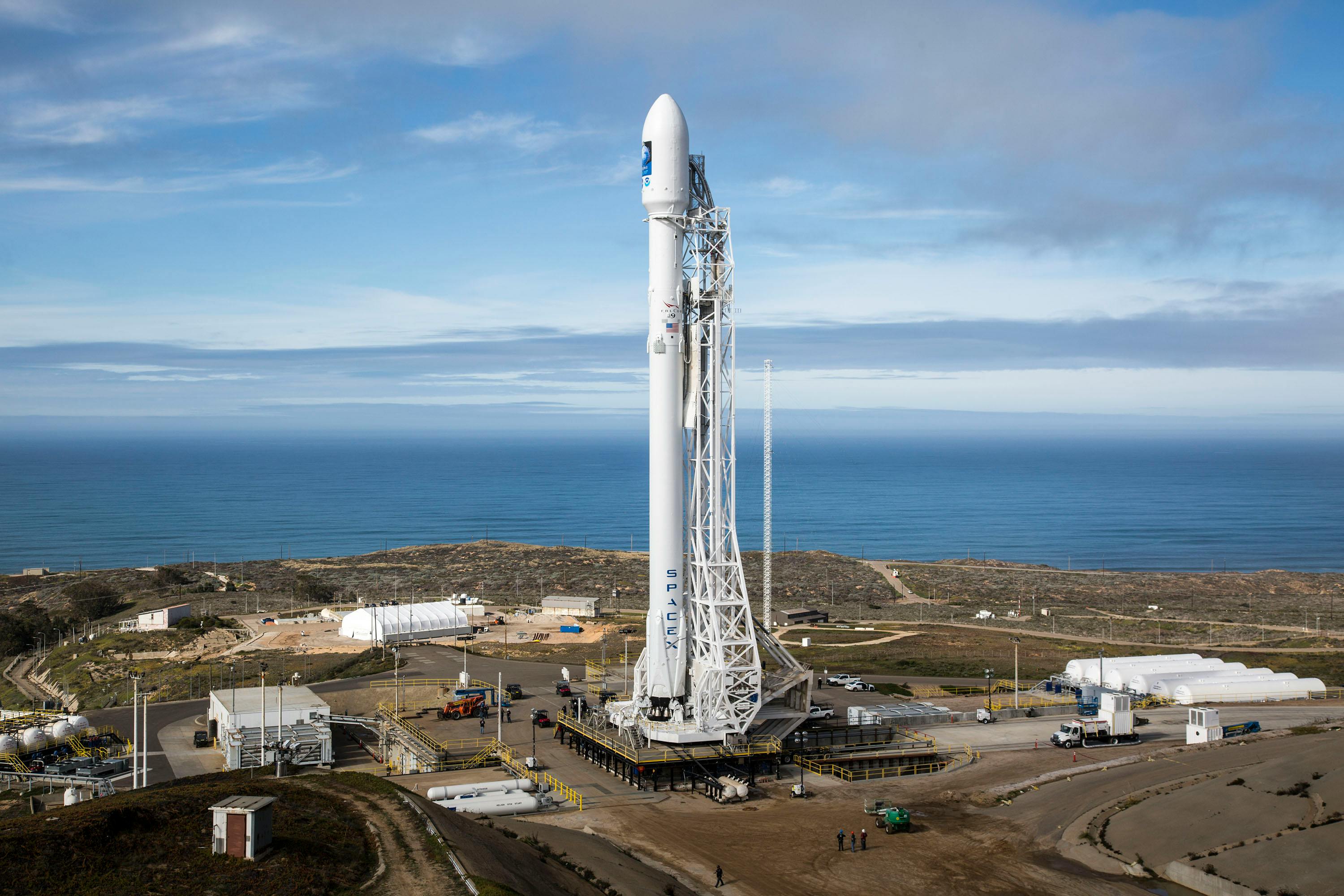
Today's SpaceX Brief highlights the imminent launch of the Ax-4 mission, notable milestones in Falcon rocket history, and the impact of political tensions on SpaceX operations.
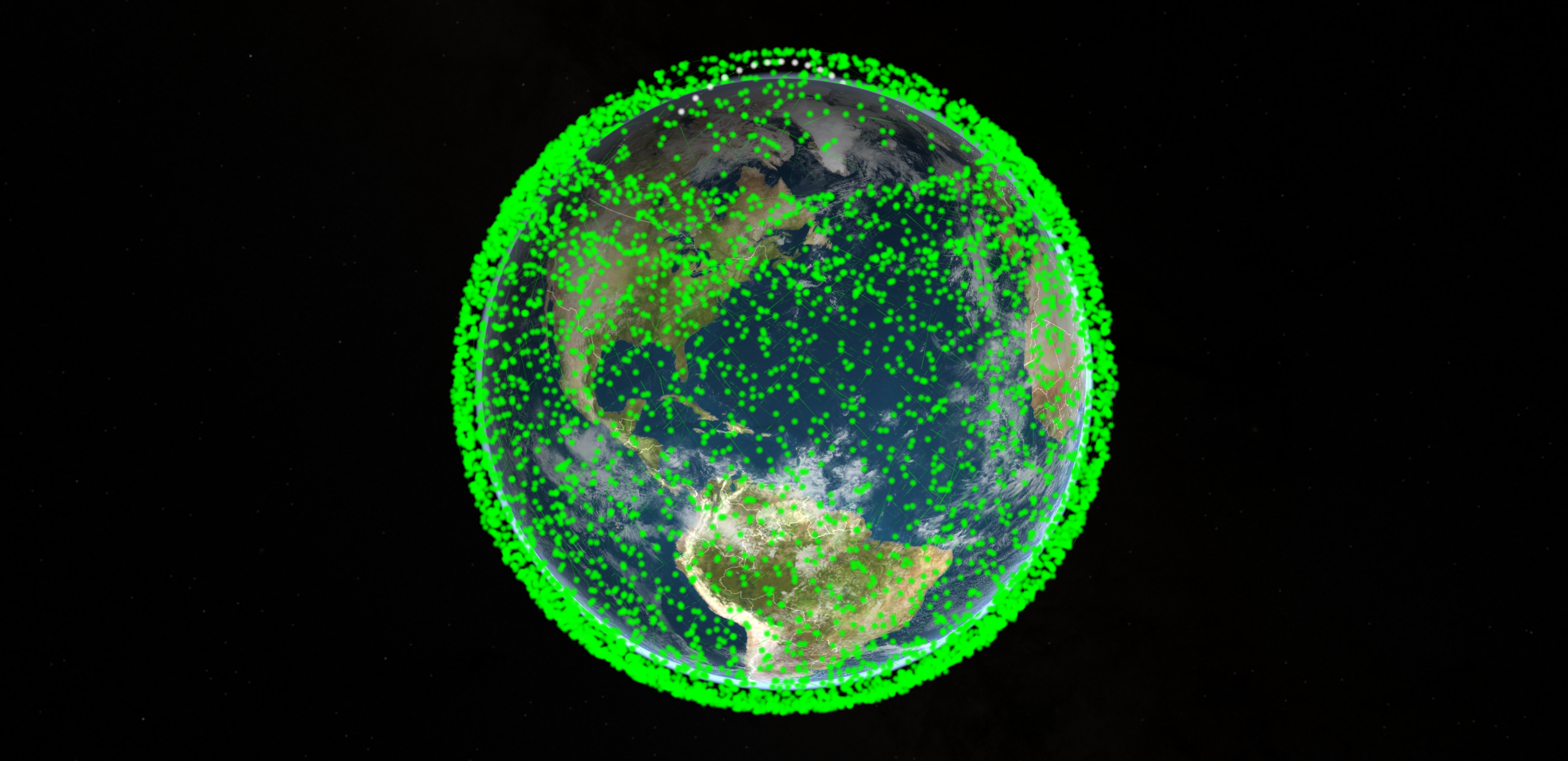
STARLINK-34343 broke apart at 560 kilometers. SpaceX's response - launch more satellites the next morning - tells you everything about the confidence gap between fleet statistics and individual failure modes.
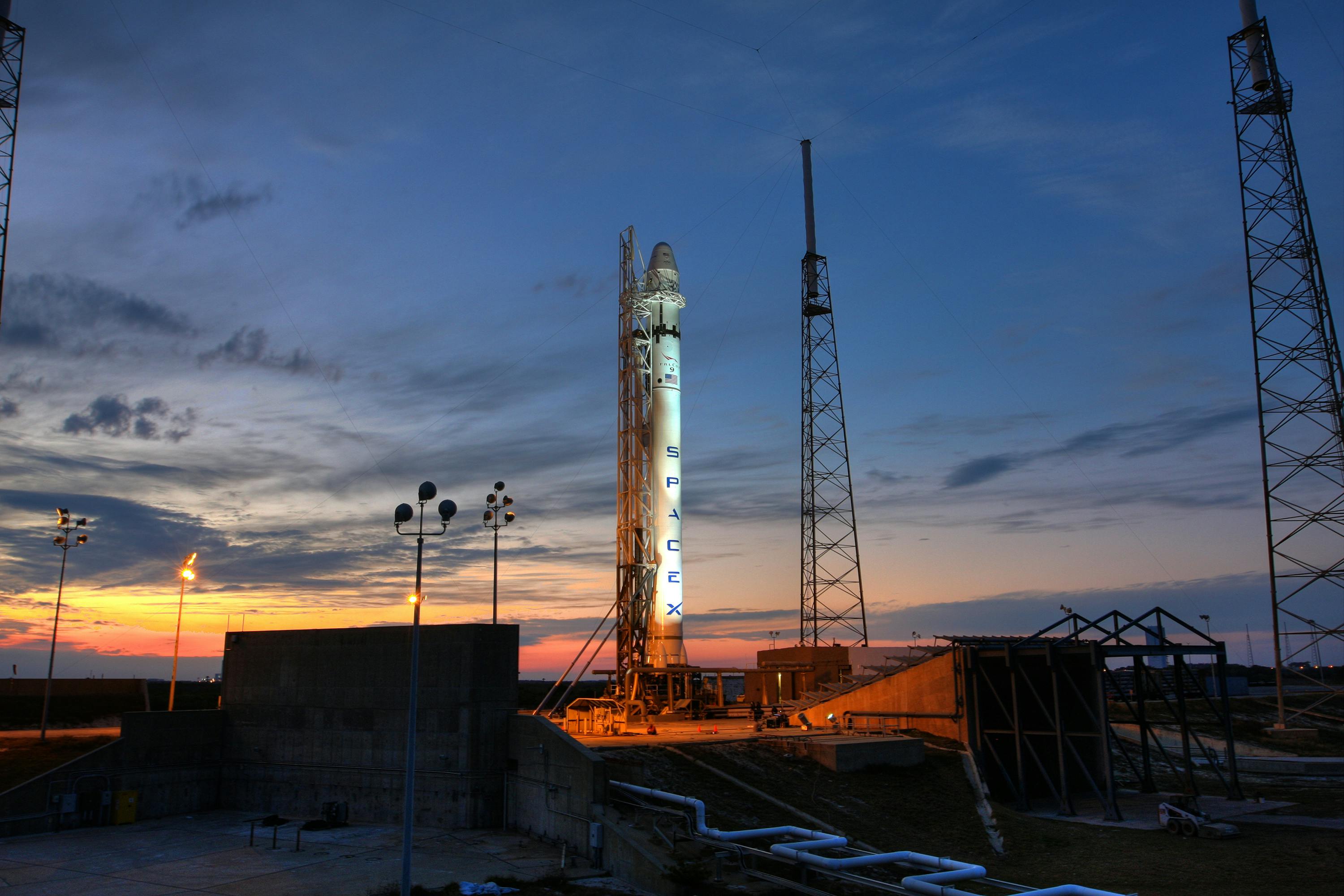
SpaceX successfully launched 28 Starlink satellites, marking a significant milestone with its 500th orbital mission. Both launches underscore the company's commitment to expanding its satellite internet constellation and solidifying its position in the space industry.

SpaceX set to launch 11,000th Starlink satellite on Starlink 17-19 from Vandenberg. NASA moves Crew-12 launch to Feb 11 after ISS medical evacuation. Starship V3 targets mid-March first flight.

Today's brief covers China's Gaofen-14 satellite launch, Europe's advancements in asteroid defense through GomSpace, and Russia's controversial Burevestnik missile test.

Today's highlights include SpaceX's rapid Starlink launches, insights into China's Mars sample return mission, and ULA's future launch plans. Also, a new Space Force general takes the reins of the U.S. missile defense program.