

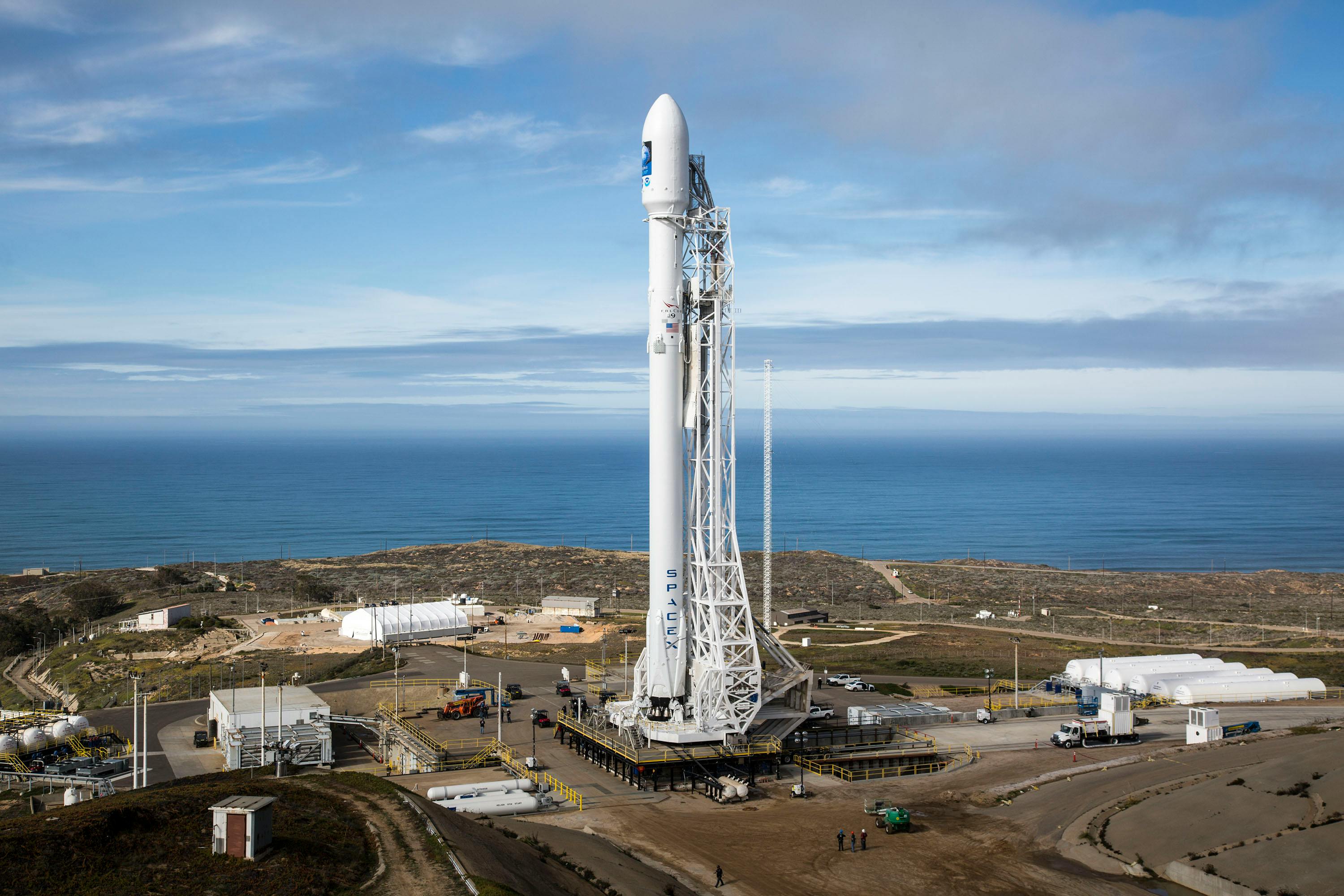
X Report 6 Jun 2025
Today's SpaceX Brief highlights the imminent launch of the Ax-4 mission, notable milestones in Falcon rocket history, and the impact of political tensions on SpaceX operations.


Launch Date
July 30, 1986
Launch Site
Launch Pad
LC45/1
Launch Vehicle
Zenit-2
NORAD ID
16883
International Designator
1986-056A
Decay Date
8/16/1986
Name
COSMOS 1767
Alternative Name
Kosmos-1767
Type
Status
Owner
YUZH
Country
USSR
Constellation
N/A
Related Satellites
Major Events
N/A
Length
10
Diameter
2.5
Span
10
Dry Mass
10350
Launch Mass
10350
Shape
Cyl
Radar Cross Section
41.15
Visual Magnitude
Unknown
Color
Unknown
Material Composition
Unknown
Payload
EPN No. 03.695
Purpose
Vehicle Evaluation
Mission
Vehicle Evaluation
Manufacturer
YUZH
Life Expectancy
Unknown
Bus
Orlets-2
Configuration
Unknown
Motor
None
Equipment
Unknown
Power System
Unknown
ADCS
Unknown
Transmitter Frequency
Unknown
Learn more about satellites and other related topics.
Today's SpaceX Brief highlights the imminent launch of the Ax-4 mission, notable milestones in Falcon rocket history, and the impact of political tensions on SpaceX operations.
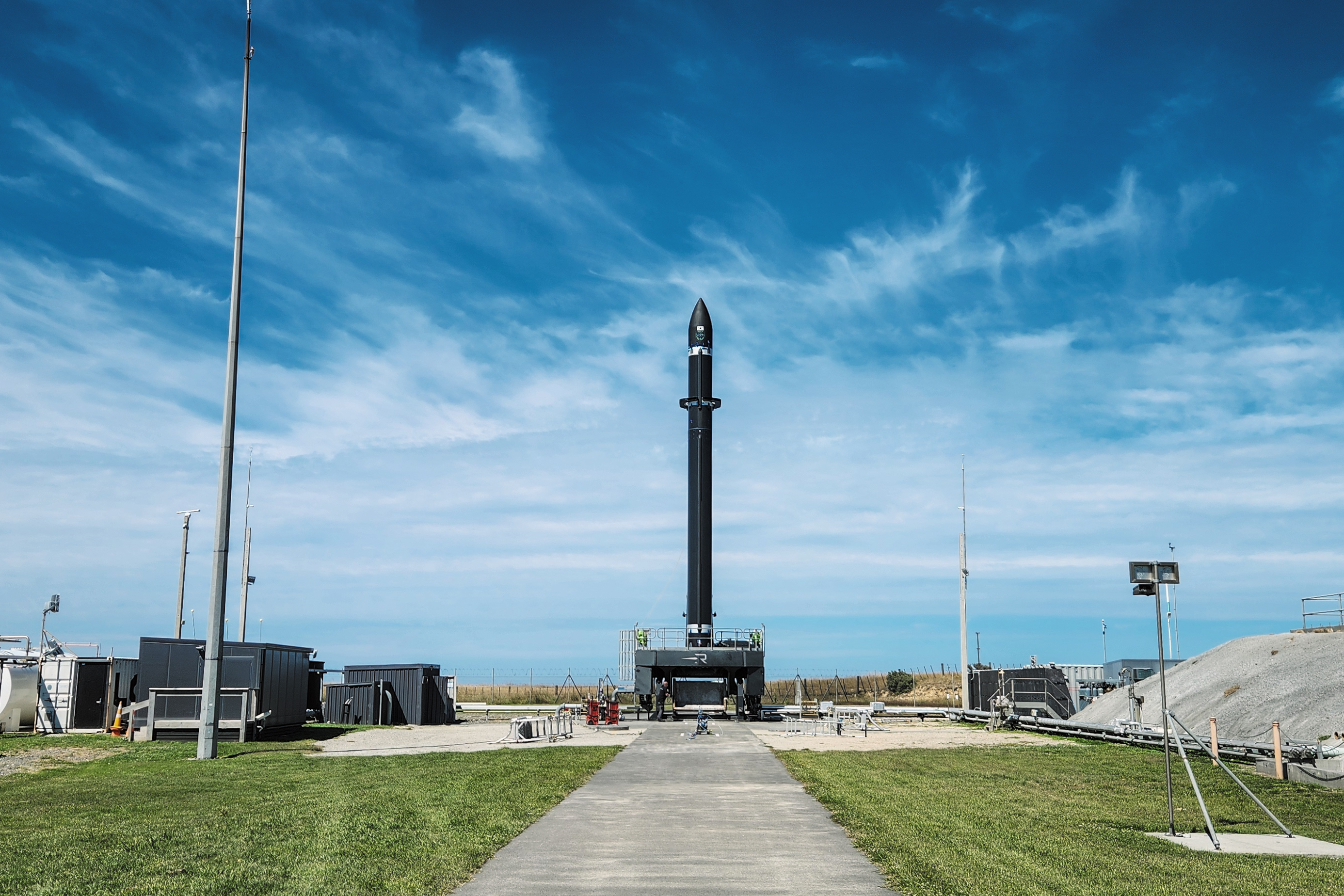
Space Force terminates Resilient GPS satellite program. China successfully tests Long March 12B reusable first stage at Jiuquan. GE and Lockheed validate detonation ramjet for hypersonic missiles.
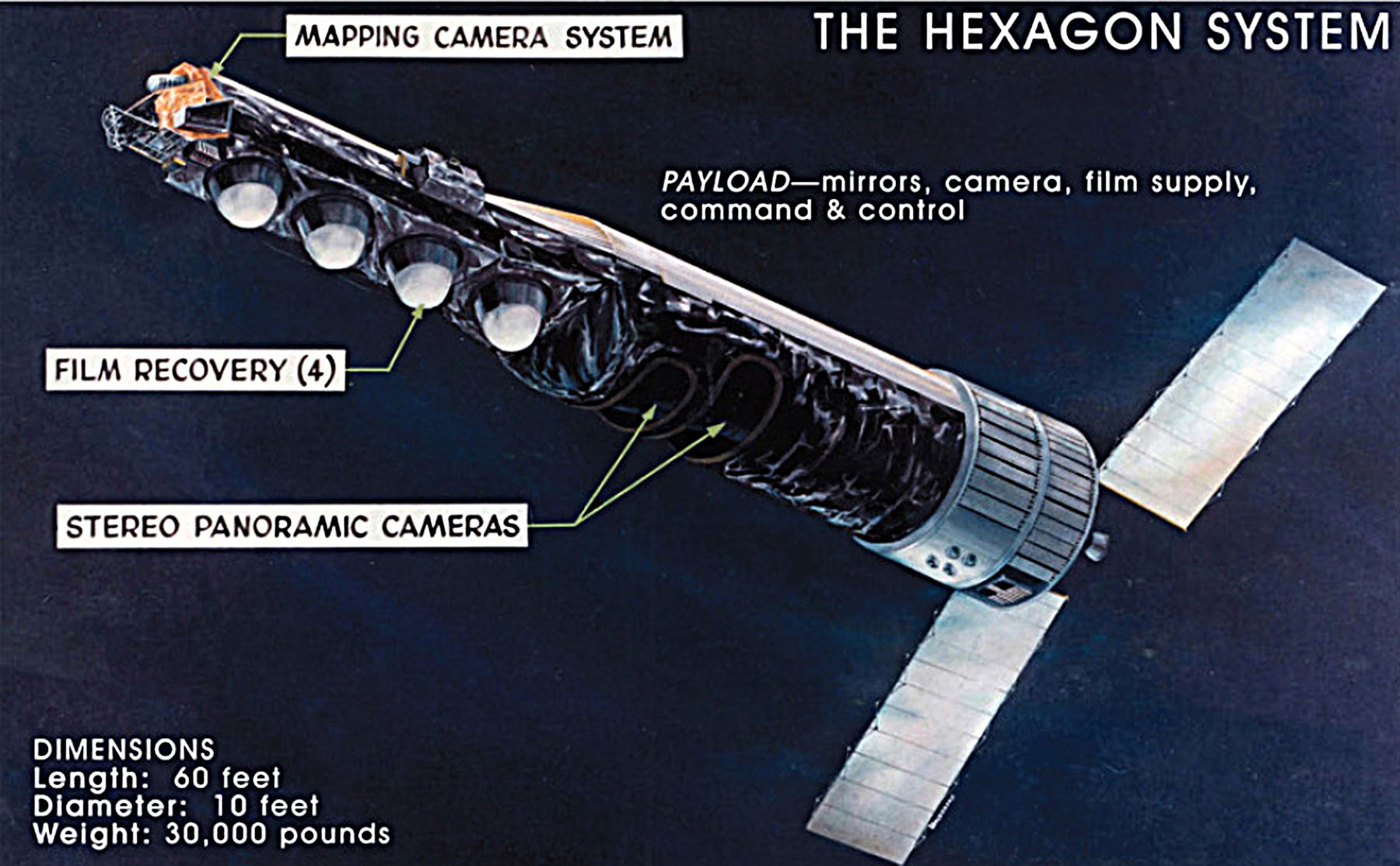
On January 20, 1972, the second KH-9 HEXAGON lifted off from Vandenberg - carrying the most sophisticated reconnaissance system ever built by engineers who weren't allowed to say 'film,' 'camera,' or even talk to each other about what they were doing.

Today’s highlights include new defense initiatives in the U.S., potential strategic shifts in Europe, and the establishment of council to counter security threats.
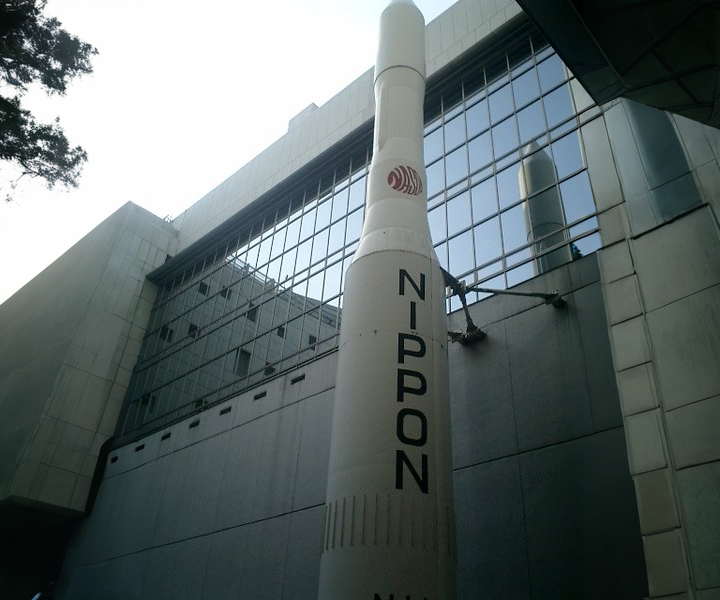
Forty-eight years ago, a pioneering satellite named Kiku 2 propelled Japan into the exclusive group of nations capable of operating satellites in geostationary orbit
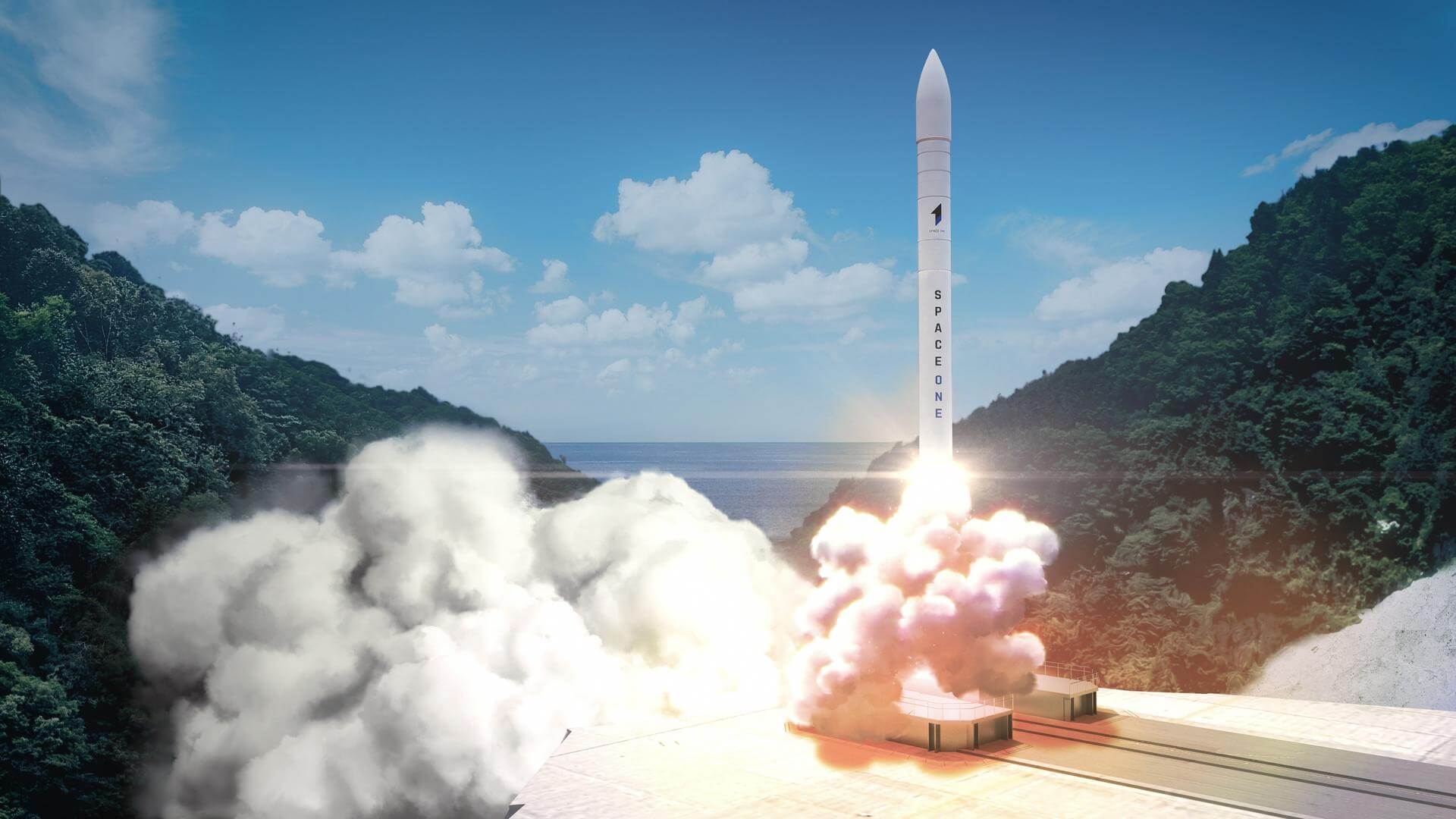
SpaceX reaches 600th Falcon 9 launch with Starlink 17-13 from Vandenberg. NASA SLS hydrogen leak repairs only partially successful. New book explores forces shaping space.
Today's brief covers advances in satellite docking technology, challenges faced by space companies with government navigation, and China's leap in space autonomy through AI developments.
Kratos awarded $447 million Space Force contract for Resilient Missile Warning Tracking ground ops center in Medium Earth Orbit, shifting missile detection away from vulnerable GEO satellites.