COSMOS 1765 (16874)

COSPAR: 1986-054A | Alt Name: Kosmos-1765
DECAYED

Image
COSMOS 1765 Satellite Image
Additional Sources
Launch Details

Launch Date

July 24, 1986

Launch Site

PLMSC

Launch Pad

LC16/2

Launch Vehicle

Soyuz-U

Orbital Elements

NORAD ID

16874

International Designator

1986-054A

Decay Date

8/7/1986

Basic Satellite Info

Name

COSMOS 1765

Alternative Name

Kosmos-1765

Type

Payload

Status

Decayed

Owner

UNKS

Country

USSR

Constellation

N/A

Related Satellites

Major Events

N/A

Summary
COSMOS 1765, also known as Kosmos-1765, is a reconnaissance satellite launched by the Soviet Union on July 24, 1986, from PLMSC LC16/2 using a Soyuz-U launch vehicle. It has a spherical and DCone shape with dimensions of 6 meters in length, 2.2 meters in diameter, and spans 6 meters. The satellite's dry mass is 2655 kg, which is also its launch mass. Equipped with batteries for power, COSMOS 1765 was designed for photo reconnaissance using the Oblik No. 334 payload. Its mission involved film return type operations, and it uses an 11D82M motor along with an S5.120 maneuver module. The satellite is owned by UNKS and manufactured by TSSKB.
Physical Characteristics

Length

6

Diameter

2.2

Span

6

Dry Mass

2655

Launch Mass

2655

Shape

Sphere + DCone

Radar Cross Section

24.24

Visual Magnitude

Unknown

Color

Unknown

Material Composition

Unknown

Technical Details

Payload

Oblik No. 334

Purpose

Reconnaissance, photo (film return type)

Mission

Reconnaissance, photo (film return type)

Manufacturer

TSSKB

Life Expectancy

Unknown

Bus

Oblik

Configuration

Zenit bus

Motor

11D82M; S5.120 (maneuver module)

Equipment

Unknown

Power System

Batteries

ADCS

Unknown

Transmitter Frequency

Unknown

Satellite Articles

View All Posts »

Learn more about satellites and other related topics.

Space Brief 20 Jun 2025

Space Brief 20 Jun 2025

Today's brief covers the nomination of a new Space Force leader, partnership efforts by Lockheed, Sweden's defense budget delay, Israeli military actions, Proba-3's imaging breakthrough, and Starlink's license to operate in India.

Ku-Band

Ku-Band

The frequency band that brought satellite TV to small dishes on rooftops and revolutionized direct-to-home broadcasting

How a Parachutist Named Seagull Became the First Woman in Space

How a Parachutist Named Seagull Became the First Woman in Space

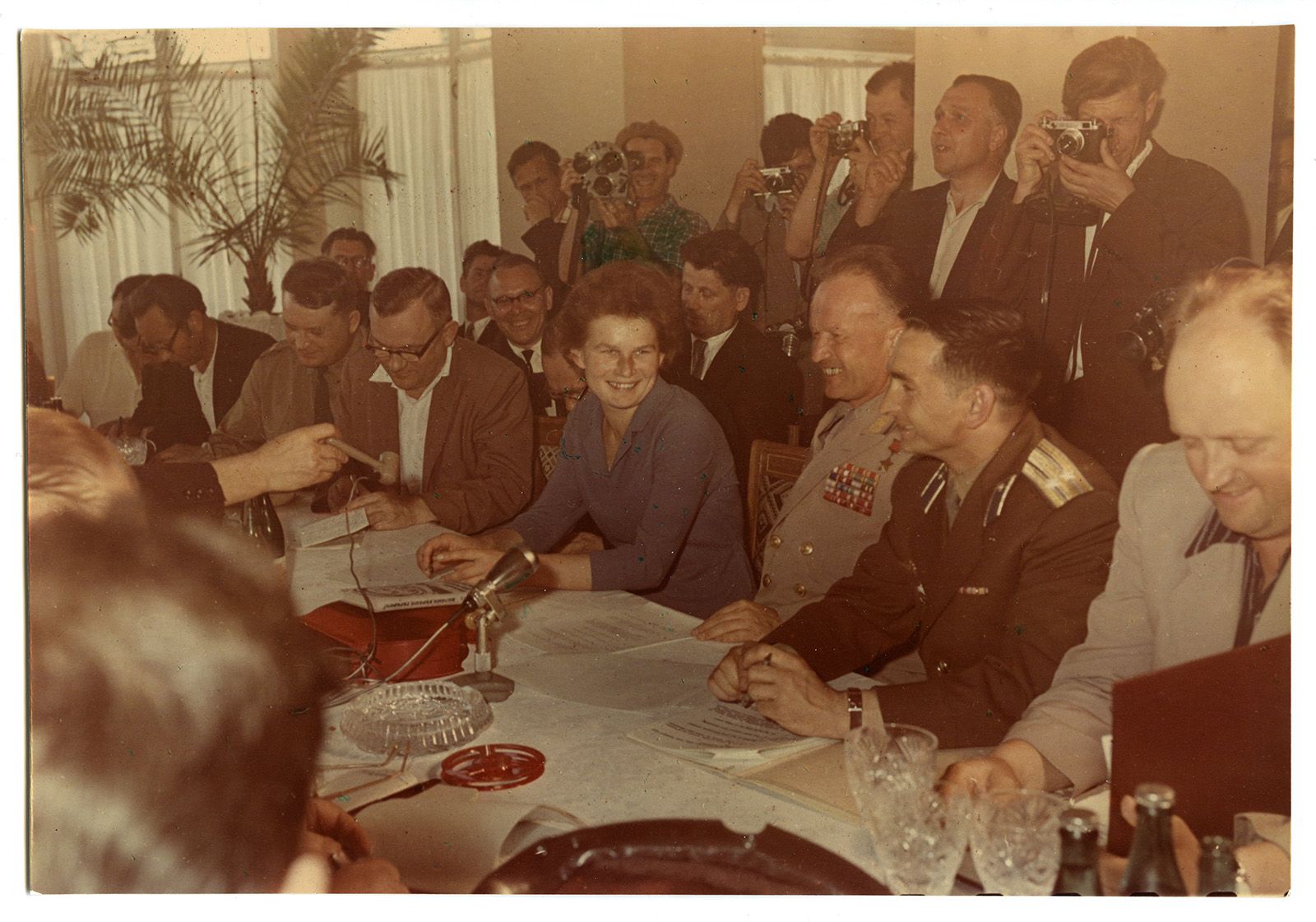
On 16 June 1963, a 26-year-old former textile worker named Valentina Tereshkova launched aboard Vostok 6 and spent nearly three days alone in orbit. She flew 48 times around the Earth, longer than every American astronaut combined, and spotted a dangerous flaw in her descent program that ground controllers had missed.

X Report 21 May 2025

X Report 21 May 2025

SpaceX successfully launched 23 Starlink satellites using a new Falcon 9 rocket, marking a significant milestone for the company as it expands its satellite internet constellation.

Space Brief 1 Jan 2025

Space Brief 1 Jan 2025

Today's brief covers a record-breaking Starlink launch, FCC's allocation of additional spectrum for launches, and more. Plus, explore the intricacies of satellite Rassvet-2 No. 1 in our Satellite Spotlight.

Space Brief 28 Mar 2025

Space Brief 28 Mar 2025

Today's updates focus on significant developments in U.S. national security space launches, Army space training, potential shifts in satellite procurement strategies, and the Meteor 2-21 satellite.

Air Force One Gets Starlink, Astrobotic Acquired | KeepTrack Space Brief

Air Force One Gets Starlink, Astrobotic Acquired | KeepTrack Space Brief

Trump's interim Air Force One—a $400M Boeing 747-8—equipped with Starlink for presidential communications. First confirmed LEO constellation use for White House comms.

Shimizu's Luna Ring - The Plan to Wrap the Moon in Solar Panels

Shimizu's Luna Ring - The Plan to Wrap the Moon in Solar Panels

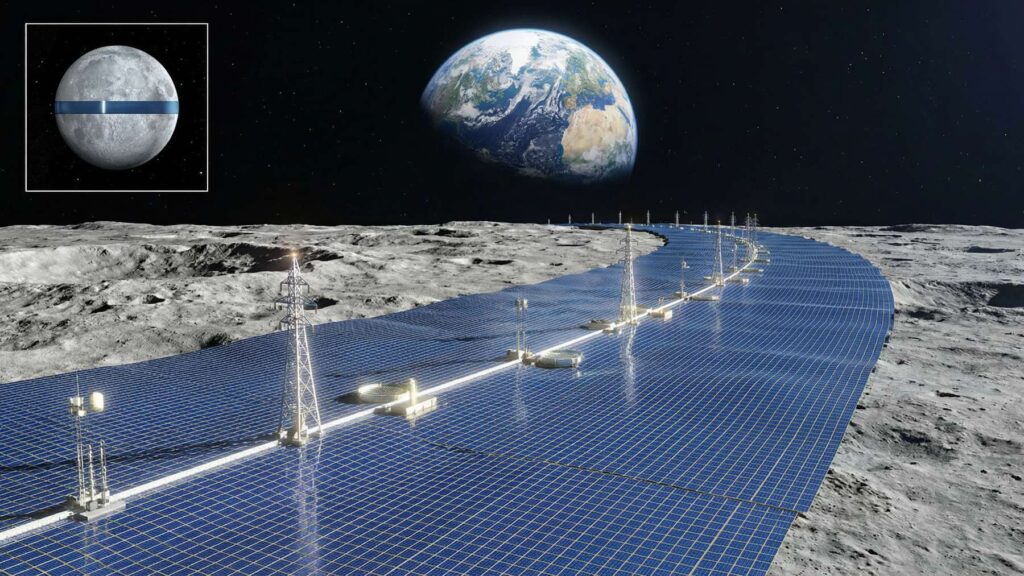
A 220-year-old Japanese construction company wants to build an 11,000-kilometer belt of solar cells around the lunar equator and beam the power back to Earth. The physics checks out. Everything else is another story.