


X Report 26 Dec 2024
Launch of 21 new Starlink satellites, featuring cell phone connectivity, and updates on NASA and SpaceX collaborative missions.



Launch Date
April 19, 1982
Launch Site
Launch Pad
LC1
Launch Vehicle
Soyuz-U
NORAD ID
16815
International Designator
1982-033HD
Decay Date
10/10/1986
Name
SALYUT 7 DEB
Alternative Name
Garbage bag
Type
Status
Owner
NPOE
Country
USSR
Constellation
N/A
Related Satellites
Major Events
N/A
Length
0
Diameter
0
Span
0
Dry Mass
0
Launch Mass
0
Shape
N/A
Radar Cross Section
0.31
Visual Magnitude
Unknown
Color
Unknown
Material Composition
Unknown
Payload
Unknown
Purpose
Unknown
Mission
Unknown
Manufacturer
Unknown
Life Expectancy
Unknown
Bus
Unknown
Configuration
Unknown
Motor
Unknown
Equipment
Unknown
Power System
Unknown
ADCS
Unknown
Transmitter Frequency
Unknown
Learn more about satellites and other related topics.
Launch of 21 new Starlink satellites, featuring cell phone connectivity, and updates on NASA and SpaceX collaborative missions.
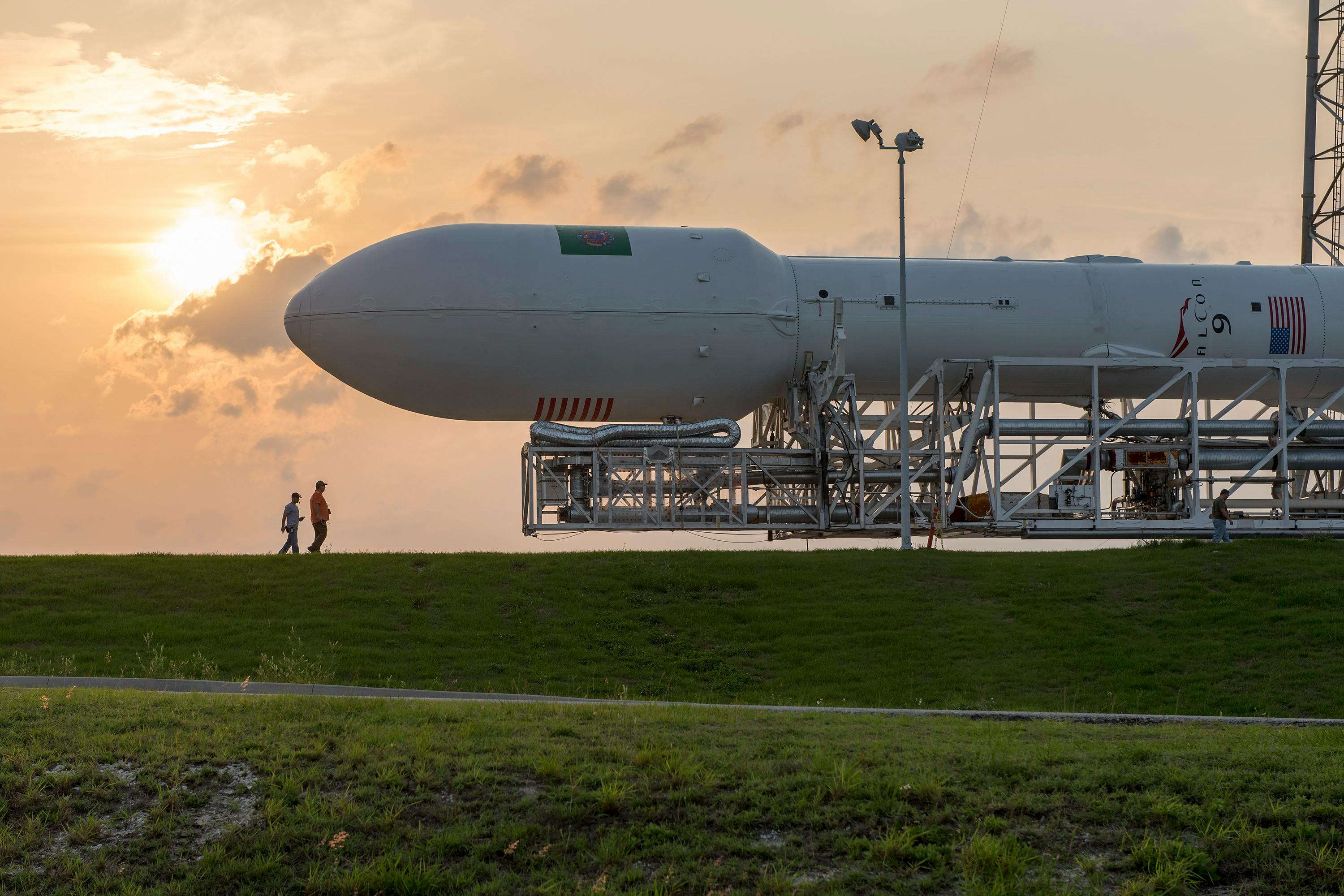
SpaceX successfully launched its 100th Falcon 9 flight, deploying 29 Starlink satellites, while NASA plans to test SpaceX’s Starshield. Additionally, SpaceX engages in social media commentary regarding American Airlines' interest in Amazon's Starlink rival.
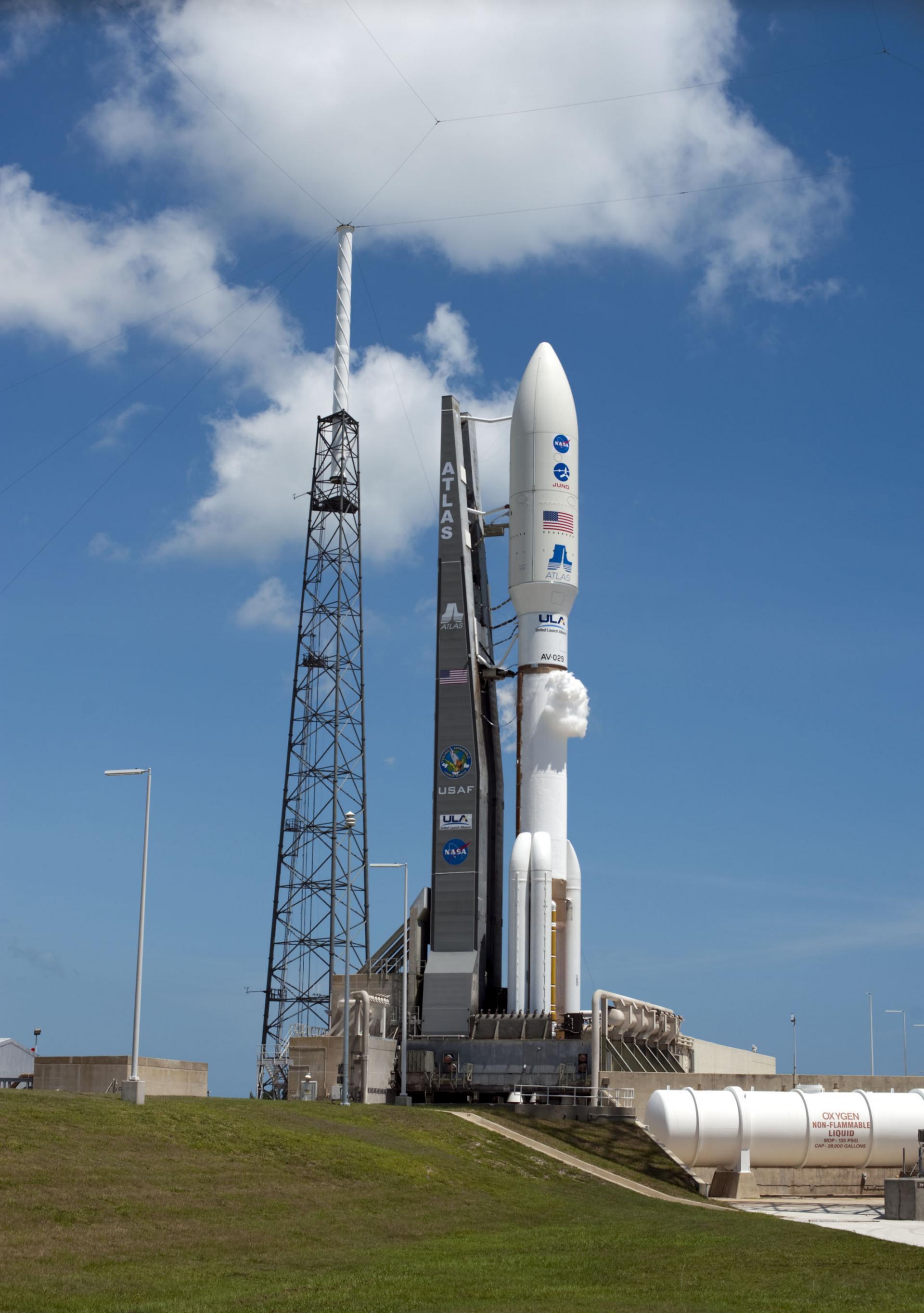
Falcon Heavy launched ViaSat-3 F3 on April 27, its 12th flight, with the first dual landing zone recovery. Plus Soyuz-5's demo flight nears at Baikonur.
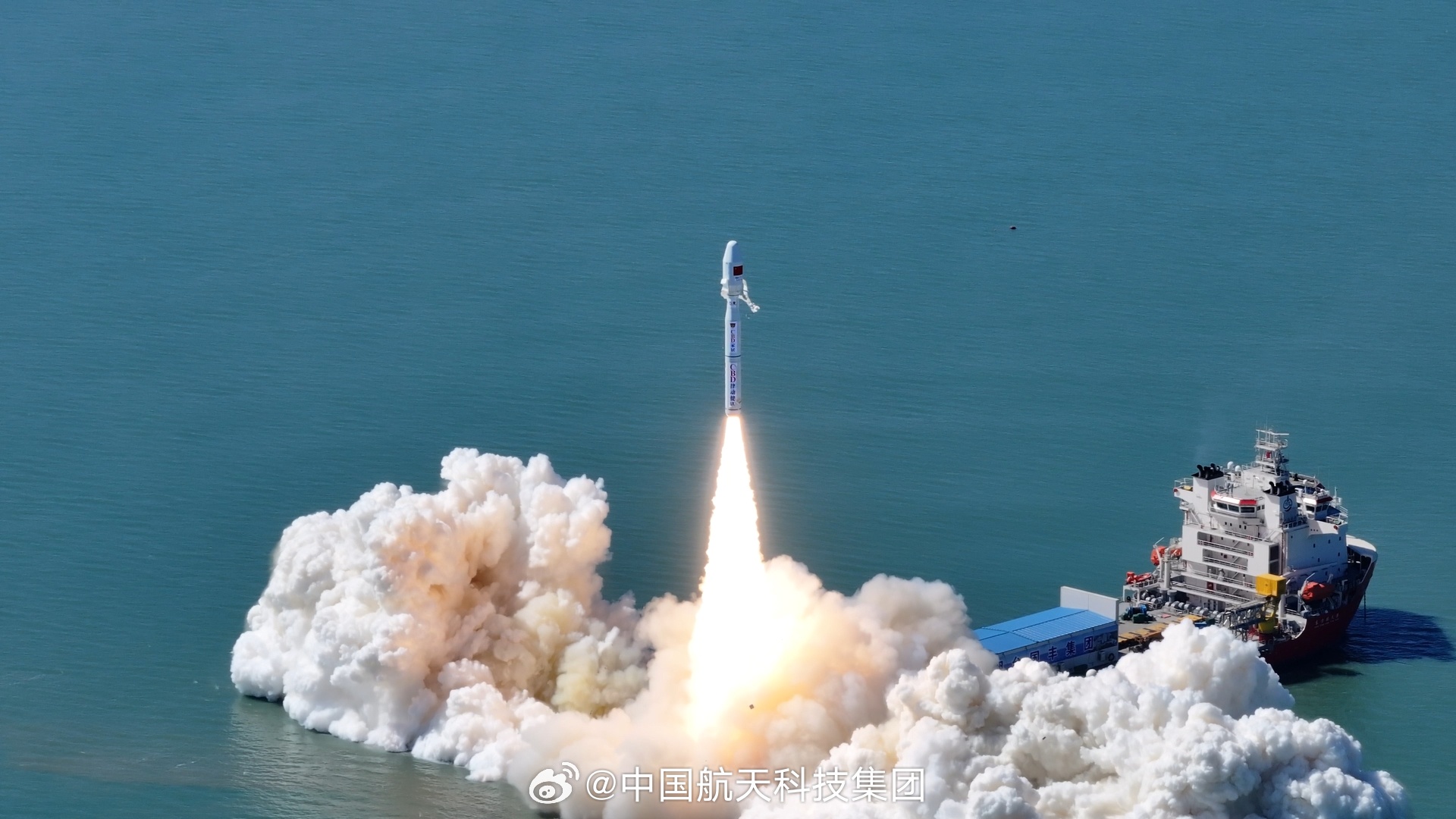
NASA delays first 2026 spacewalk due to ISS crew medical issue. Sierra Space completes SDA Tranche 2 satellite structures ahead of schedule. Space Force advances Handle 2.0 standardization.

SpaceX's Starship V3 targets Flight 12 with an unprecedented self-inspection maneuver, while Delta Air Lines walks away from Starlink inflight Wi-Fi.
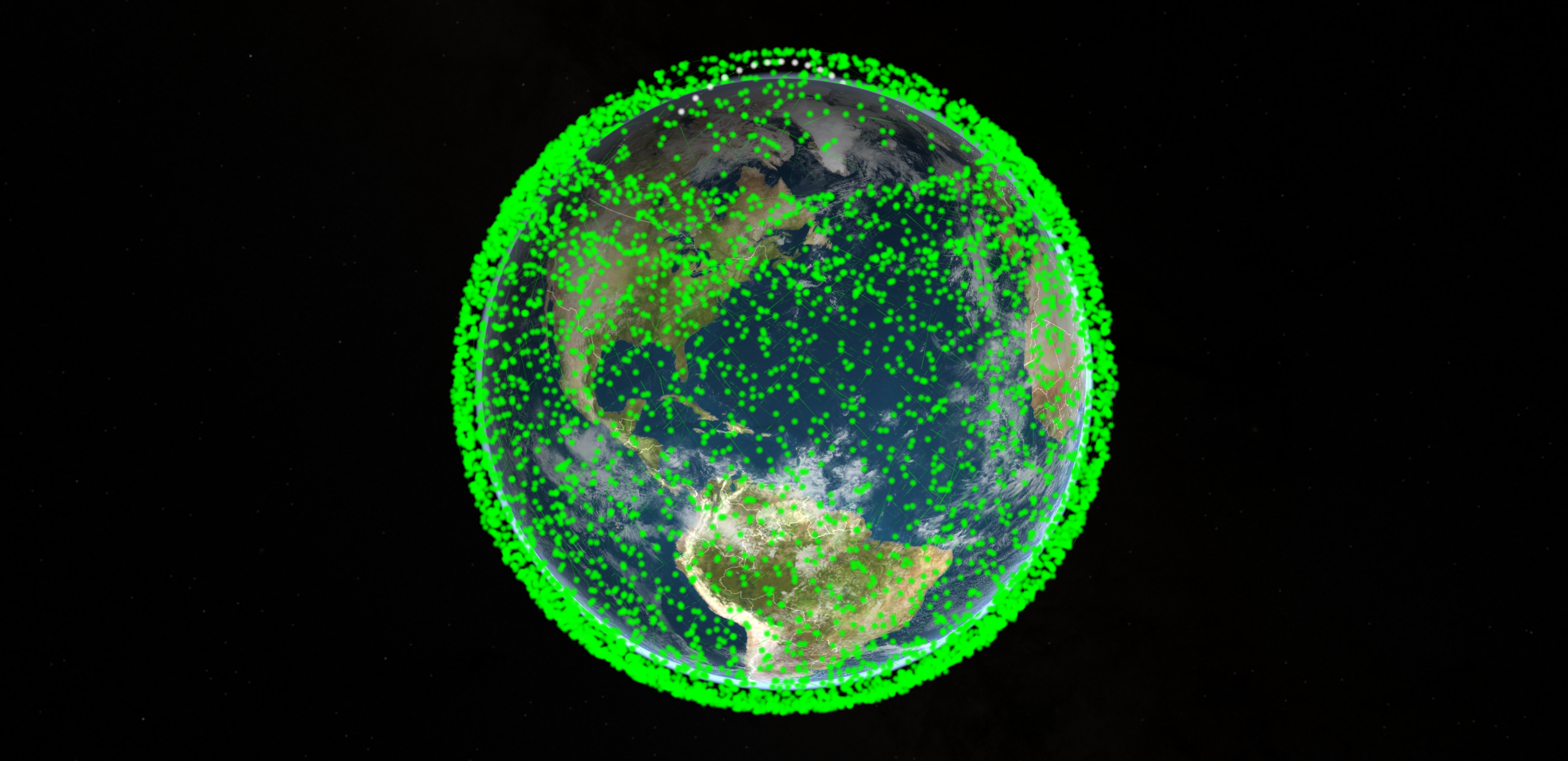
STARLINK-34343 broke apart at 560 kilometers. SpaceX's response - launch more satellites the next morning - tells you everything about the confidence gap between fleet statistics and individual failure modes.
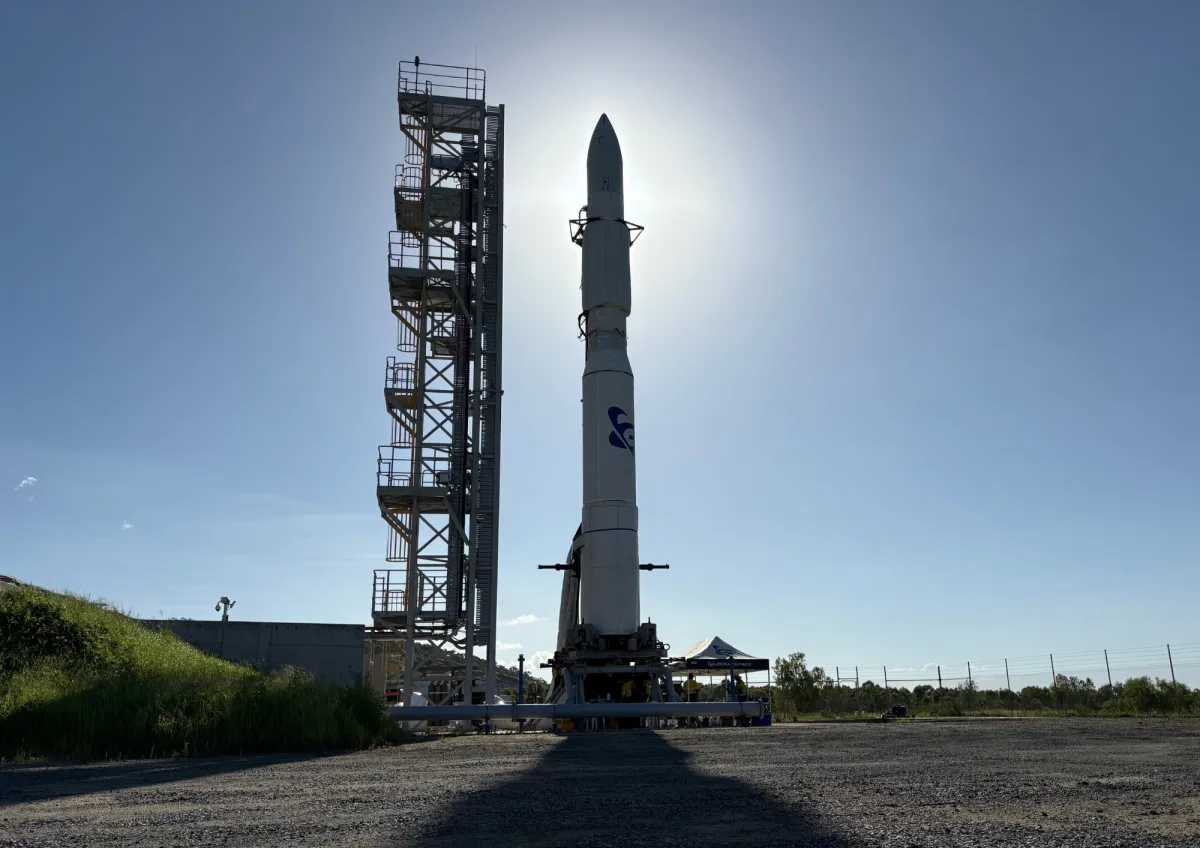
Today's brief covers a Pentagon review of satellite launch options, Kongsberg's completed maritime satellite network, York's new satellite launch, DARPA's project cancellation, and more.
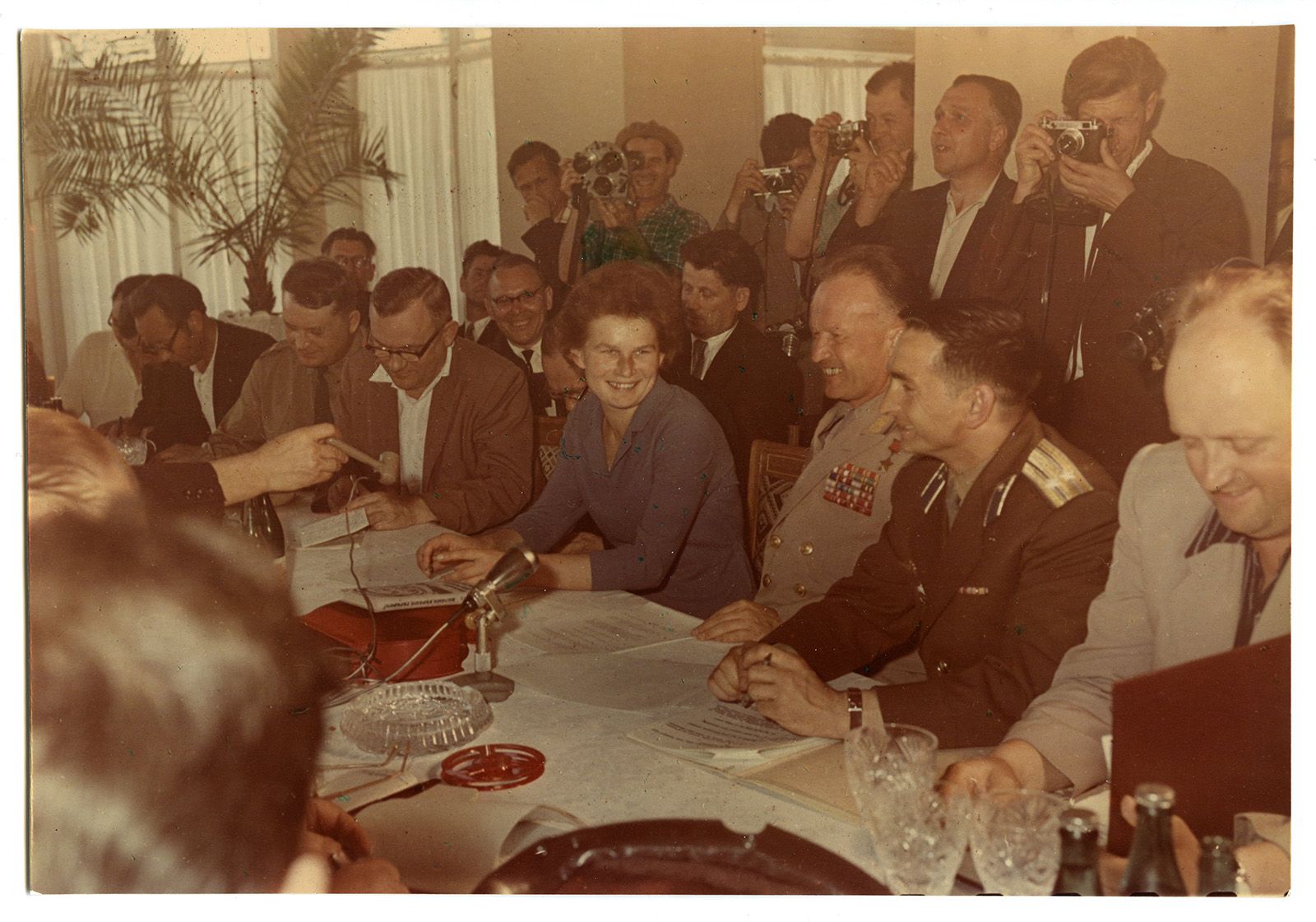
On 16 June 1963, a 26-year-old former textile worker named Valentina Tereshkova launched aboard Vostok 6 and spent nearly three days alone in orbit. She flew 48 times around the Earth, longer than every American astronaut combined, and spotted a dangerous flaw in her descent program that ground controllers had missed.