

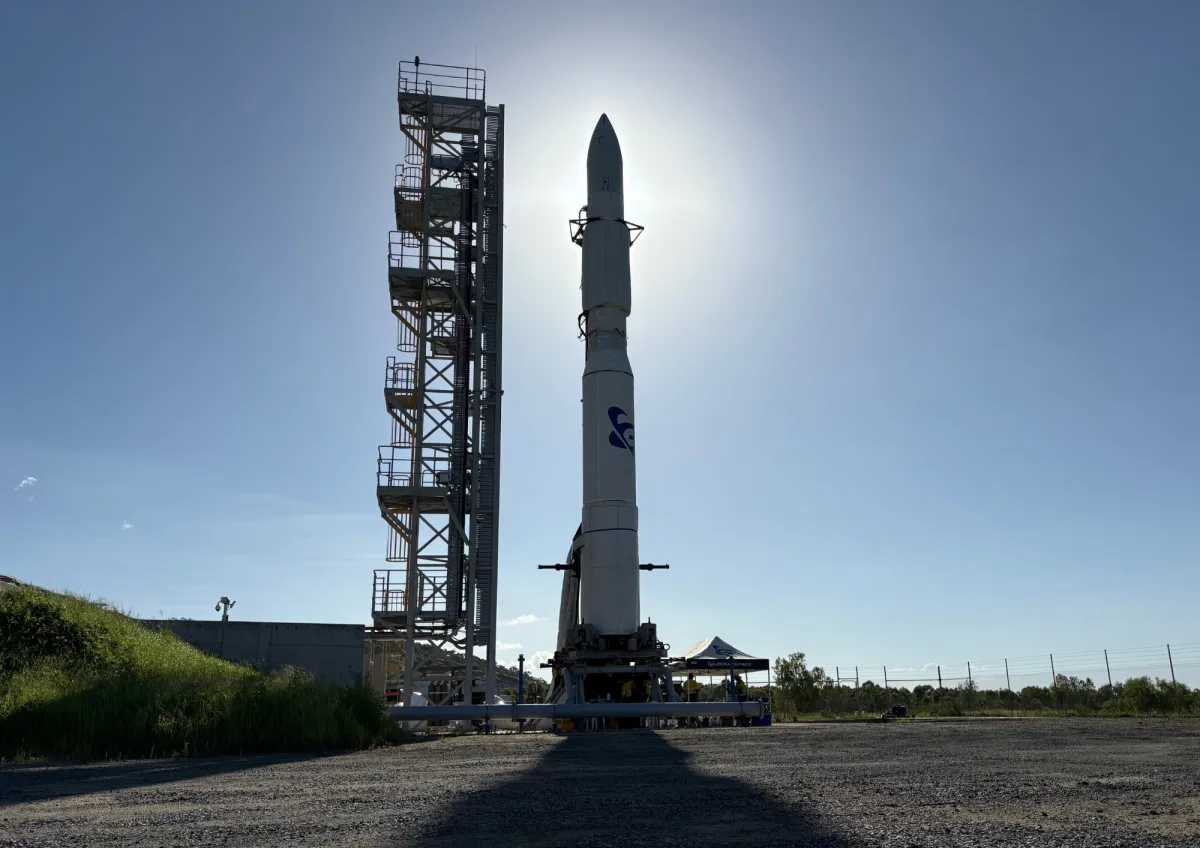
Space Brief 23 Apr 2025
Today's brief highlights the US Space Force's new space conflict doctrine, Ukraine's search for Starlink alternatives, and updates on regional military activities affecting space dynamics.


Launch Date
June 19, 1986
Launch Site
PLMSC
Launch Pad
LC41/1
Launch Vehicle
Molniya 8K78M
NORAD ID
16802
International Designator
1986-049A
Decay Date
11/10/1996
Name
MOLNIYA 3-29
Alternative Name
Molniya-3
Type
Status
Owner
UNKS/MSVYAZ
Country
USSR
Constellation
N/A
Related Satellites
Major Events
N/A
Length
3.6
Diameter
1.6
Span
8.1
Dry Mass
1700
Launch Mass
1750
Shape
Cyl + 6 Pan
Radar Cross Section
13.9837
Visual Magnitude
Unknown
Color
Unknown
Material Composition
Unknown
Payload
Molniya-3 No. 44
Purpose
Communication
Mission
Communication
Manufacturer
NPOPM
Life Expectancy
3 years
Bus
Molniya-3
Configuration
KAUR-2
Motor
KDU-414A (S5.114) or 11D414NS
Equipment
Unknown
Power System
6 deployable solar arrays (1000 W), batteries
ADCS
Unknown
Transmitter Frequency
Unknown
Learn more about satellites and other related topics.
Today's brief highlights the US Space Force's new space conflict doctrine, Ukraine's search for Starlink alternatives, and updates on regional military activities affecting space dynamics.
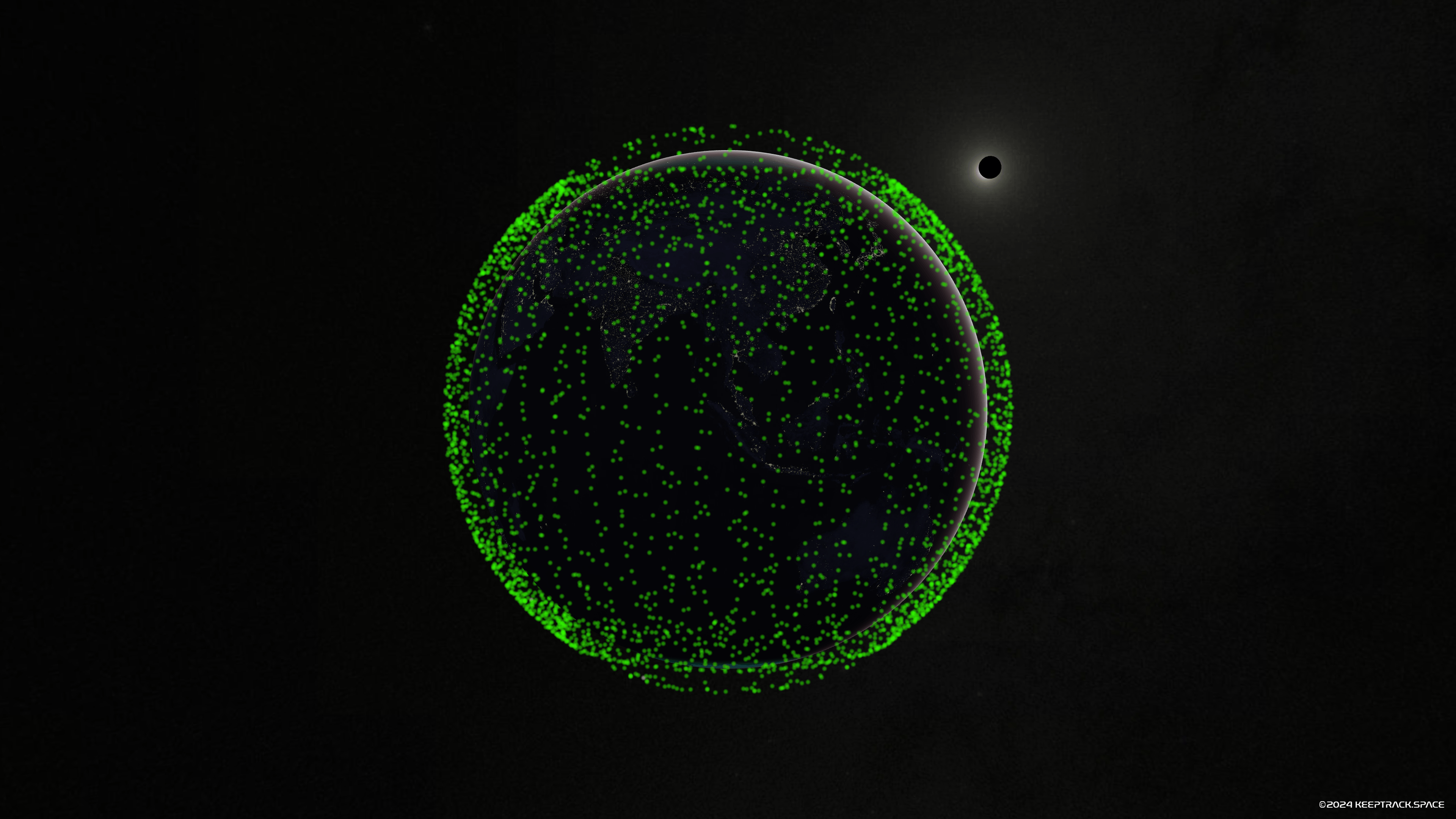
SpaceX's Starlink constellation has grown at an astonishing rate, now accounting for over 20% of all trackable objects in orbit. With plans for tens of thousands more, Starlink is on the cusp of forever changing the landscape of Earth's near-space environment.

SpaceX Starlink connectivity equips Trump's $400M interim Air Force One as Falcon 9 prepares to orbit 24 more satellites on mission 17-28.
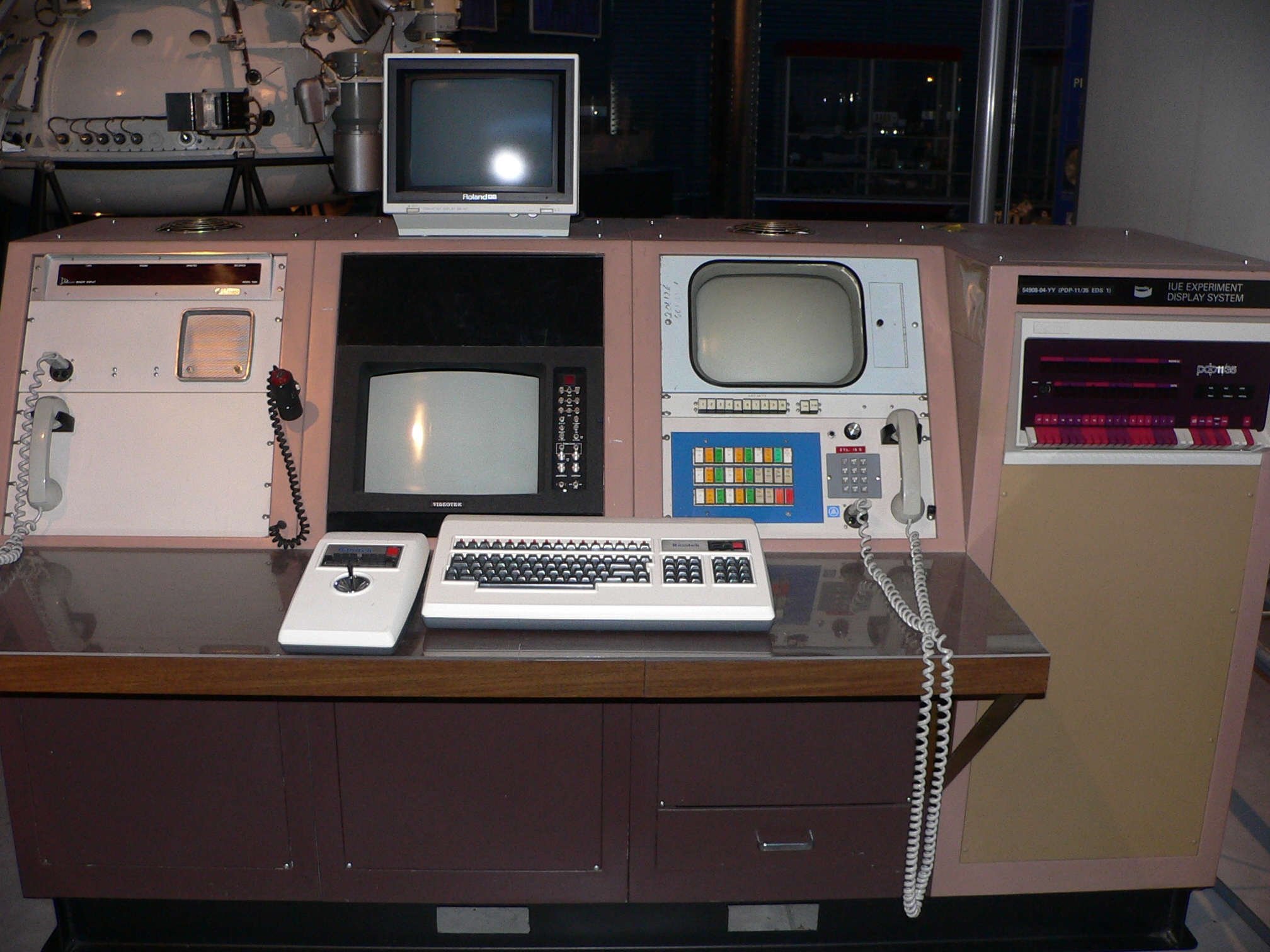
Forty-seven years ago, a revolutionary space telescope changed our view of the cosmos, pioneering international cooperation in space-based astronomy
Key highlights include the launch of a Navy SEAL astronaut to the ISS, multi-billion dollar contracts awarded by the US Space Force, advancements in secure GPS technology, and a strategic ISR arrangement.
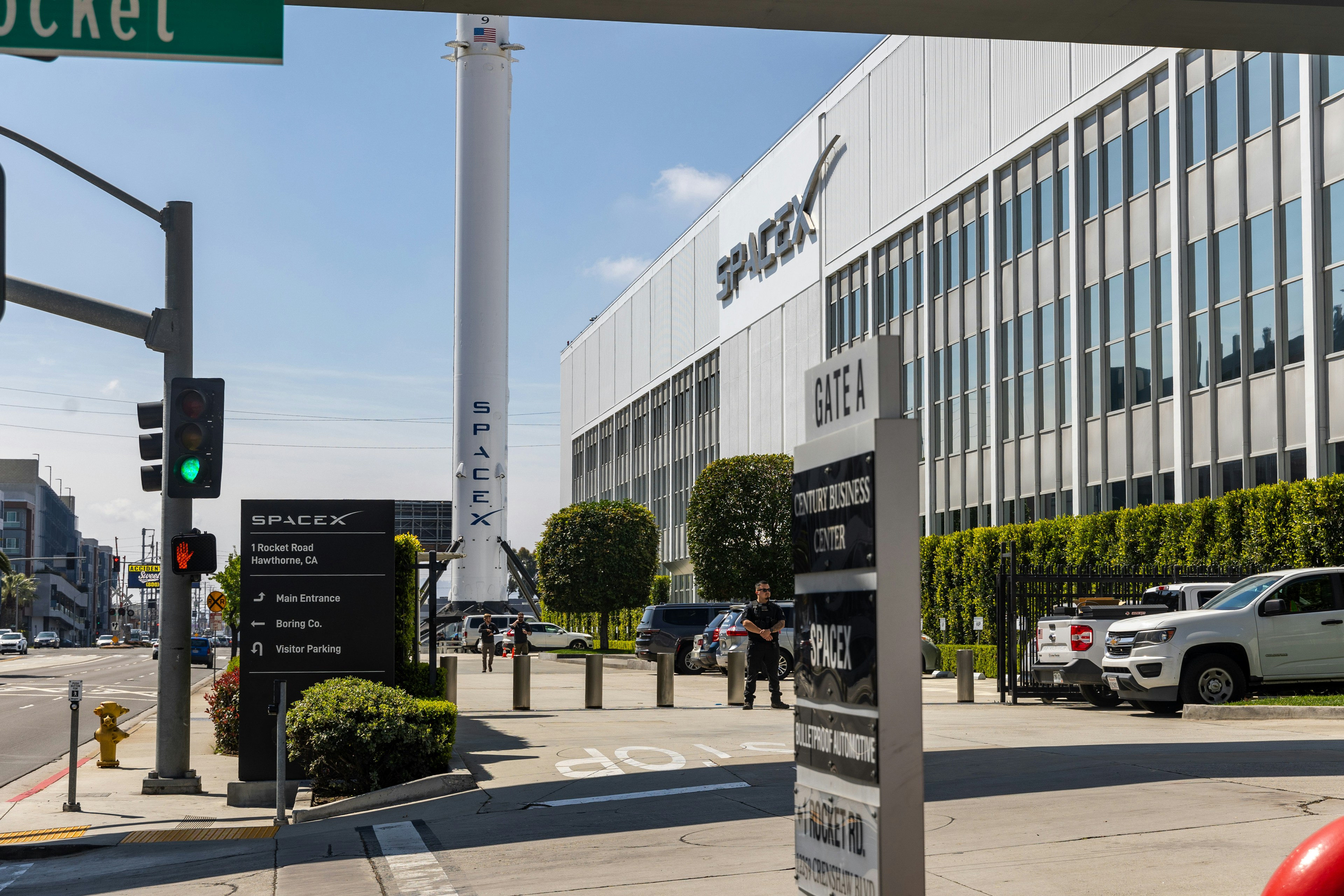
Crew-11 prepares for historic first ISS medical evacuation via Crew Dragon. Lufthansa Group to equip all 850 aircraft with Starlink. Starship infrastructure advances at Starbase and Cape Canaveral.

SpaceX launches its first crewed mission over Earth's poles and FAA concludes investigation into the Starship Flight 7 incident.
SpaceX successfully launched 21 military satellites, marking a key achievement in national security efforts, while preparations continue for the upcoming NASA mission and insights emerge from the Starship development process.