


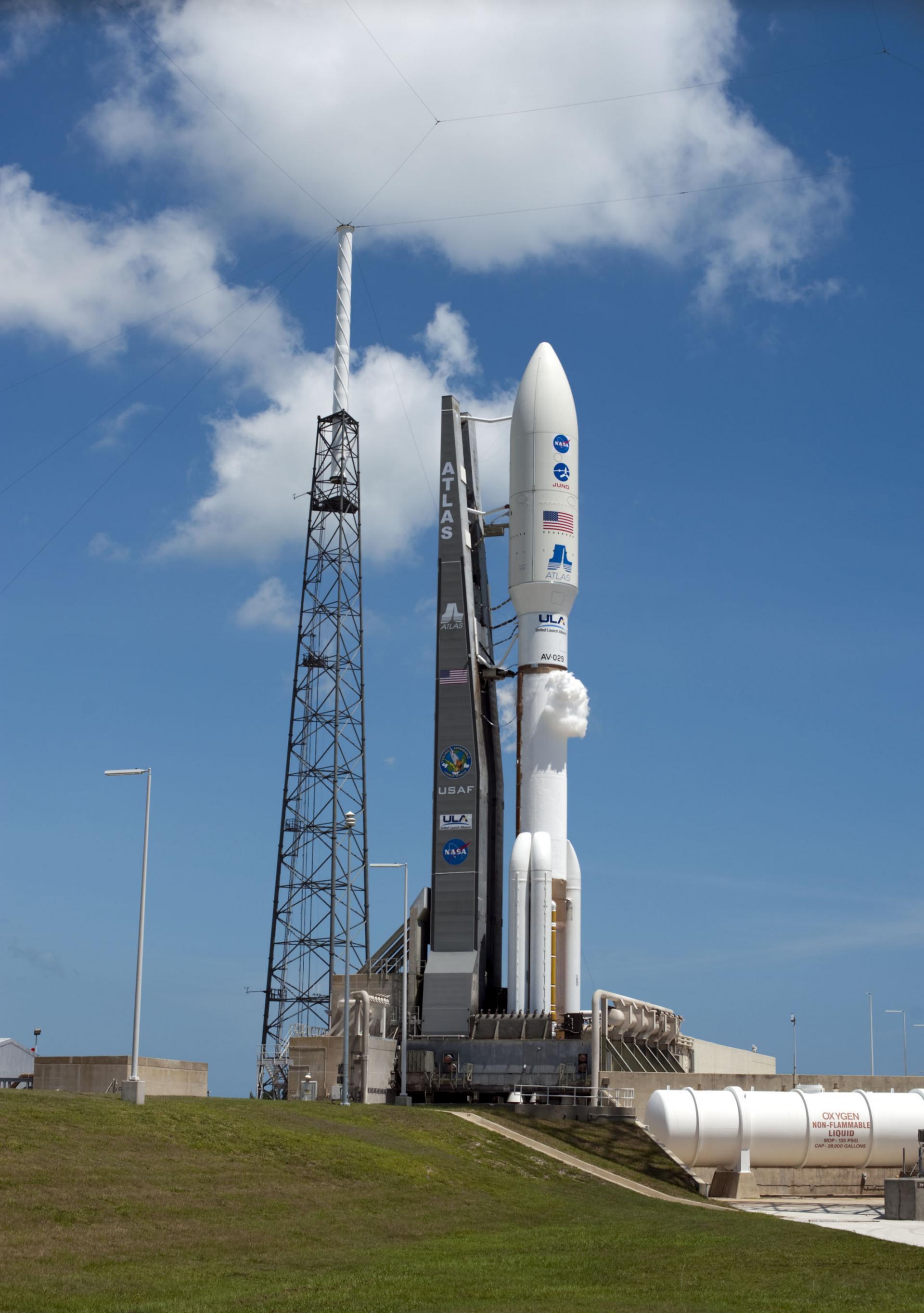
Space Brief 29 Oct 2025
Today's brief covers closer military and intelligence space integration, new satellite servicing advancements, and more insightful defense and space news.



Launch Date
October 15, 1965
Launch Site
Launch Pad
LC40
Launch Vehicle
Titan IIIC
NORAD ID
01680
International Designator
1965-082AT
Epoch
Sat, 04 Jul 2026 01:17:56 GMT
Apogee
Calculating...
Perigee
Calculating...
Inclination
32.26°
Right Ascension
65.10°
Eccentricity
Calculating...
Argument of Perigee
24.48°
Period
98.24 min
Mean Motion
14.66 rev/day
Latitude
Calculating...
Longitude
Calculating...
Altitude
Calculating...
Velocity
Calculating...
Name
TITAN 3C TRANSTAGE DEB
Alternative Name
Transtage 4 large debris
Type
Status
Owner
AFSSD
Country
United States
Constellation
N/A
Related Satellites
Major Events
N/A
1 01680U 65082AT 26185.05412142 .00000537 00000-0 90246-4 0 9997
2 01680 32.2561 65.0987 0020257 24.4807 335.6800 14.65742600216135
Source: Celestrak
Length
0
Diameter
0
Span
0
Dry Mass
0
Launch Mass
0
Shape
N/A
Radar Cross Section
2.0856
Visual Magnitude
Unknown
Color
Unknown
Material Composition
Unknown
Payload
RCS 3.0
Purpose
Unknown
Mission
Unknown
Manufacturer
Unknown
Life Expectancy
Unknown
Bus
Unknown
Configuration
Unknown
Motor
Unknown
Equipment
Unknown
Power System
Unknown
ADCS
Unknown
Transmitter Frequency
Unknown
Learn more about satellites and other related topics.
Today's brief covers closer military and intelligence space integration, new satellite servicing advancements, and more insightful defense and space news.
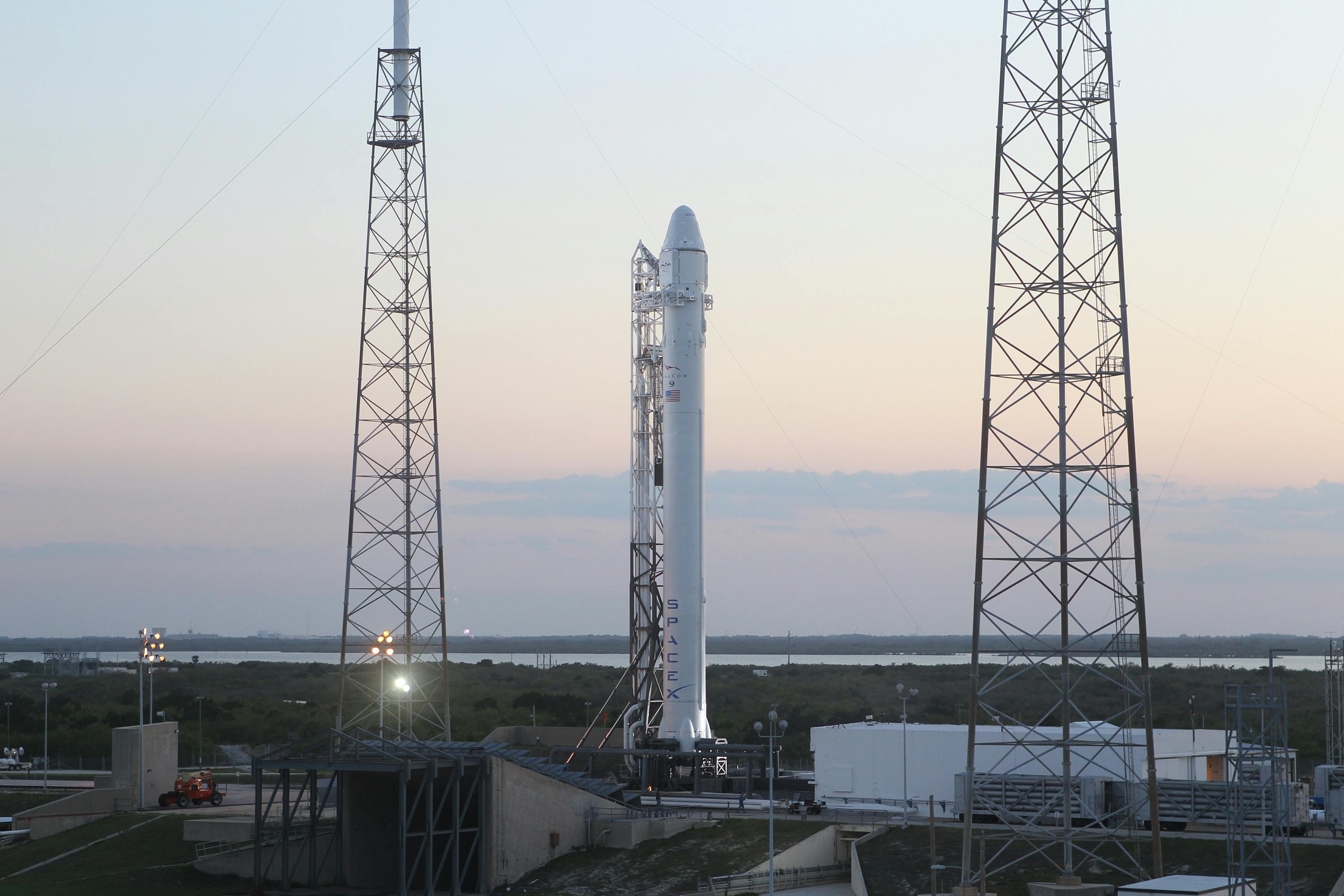
SpaceX successfully launched the Dror 1 satellite for Israel Aerospace Industries, marking another step forward in their launch capabilities.
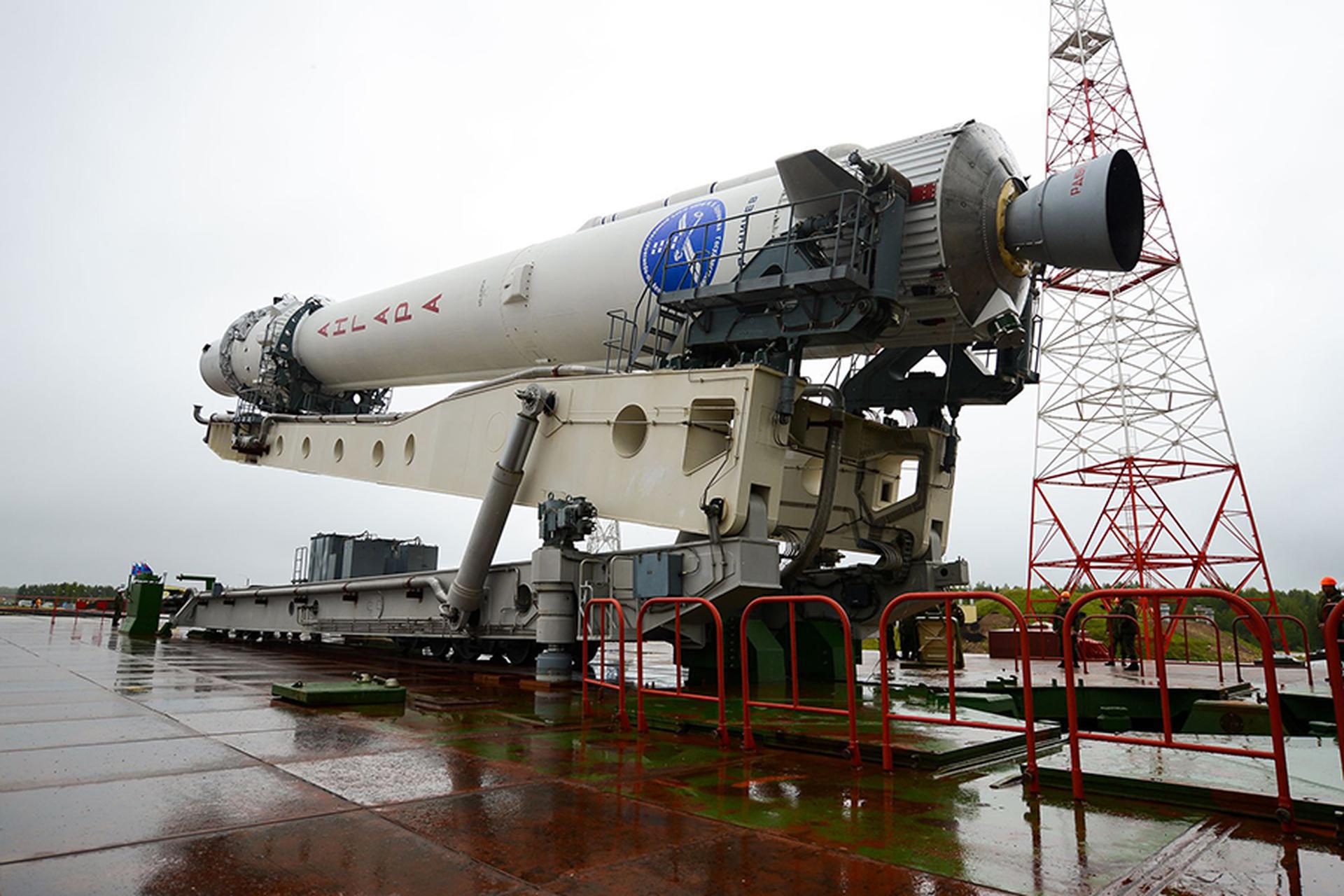
Today's highlights include SpaceX's record-breaking Falcon 9 launches, Dream Chaser's testing success, and Blue Origin's latest New Glenn achievements.

Today's brief covers SpaceX's latest Starlink launch, updates on Crew-8's return, and preparations for the SLS Artemis II mission.

Key updates include a potential delay for the Starship lunar lander, successful static fire tests for Ship 38, and the latest Starlink satellite launch plans.
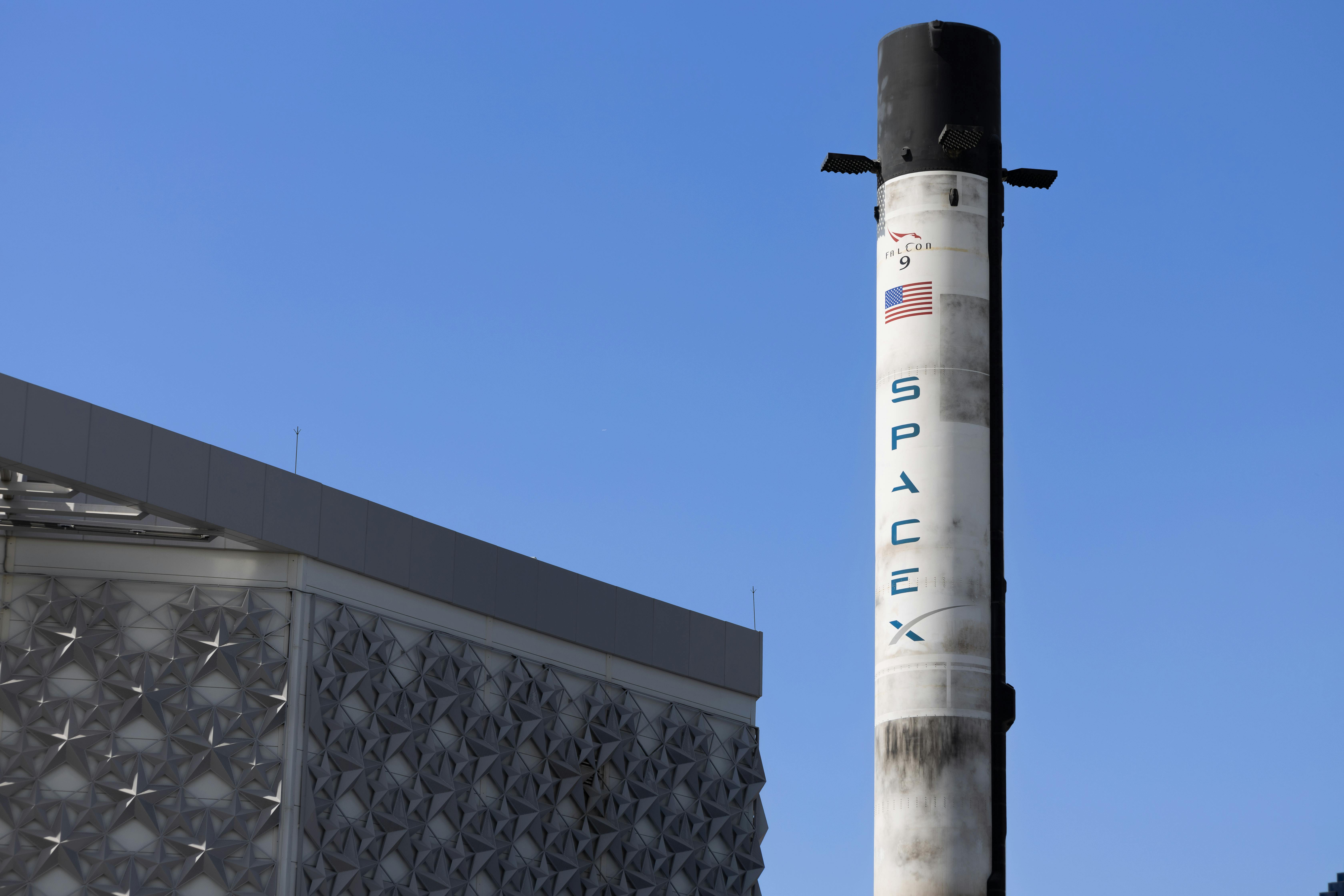
SpaceX successfully launches two rideshare missions to mid-inclination orbits, expanding their satellite deployment capabilities.
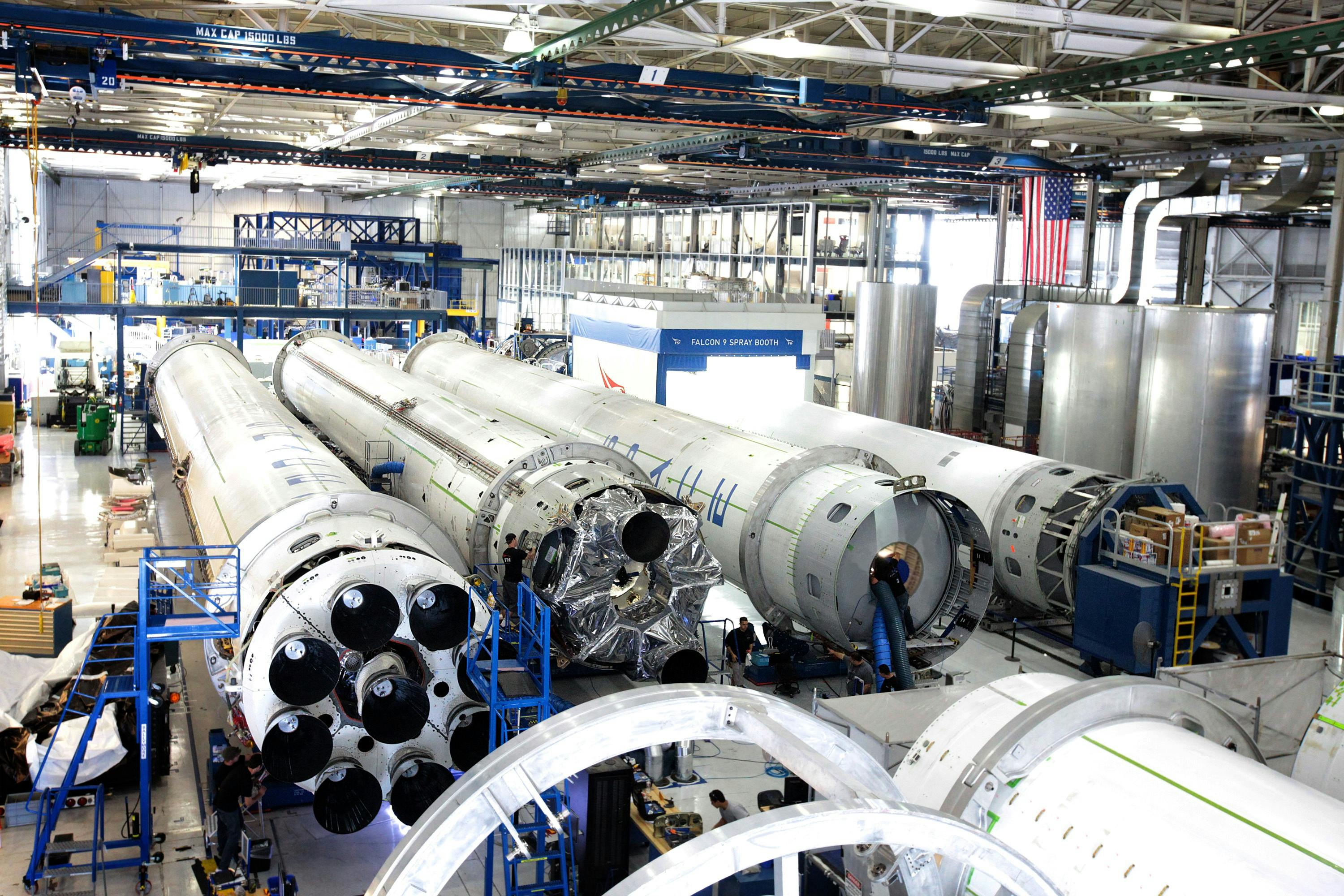
SpaceX wraps up a record-breaking year with successful launches and advancements in Starlink mega-constellation.
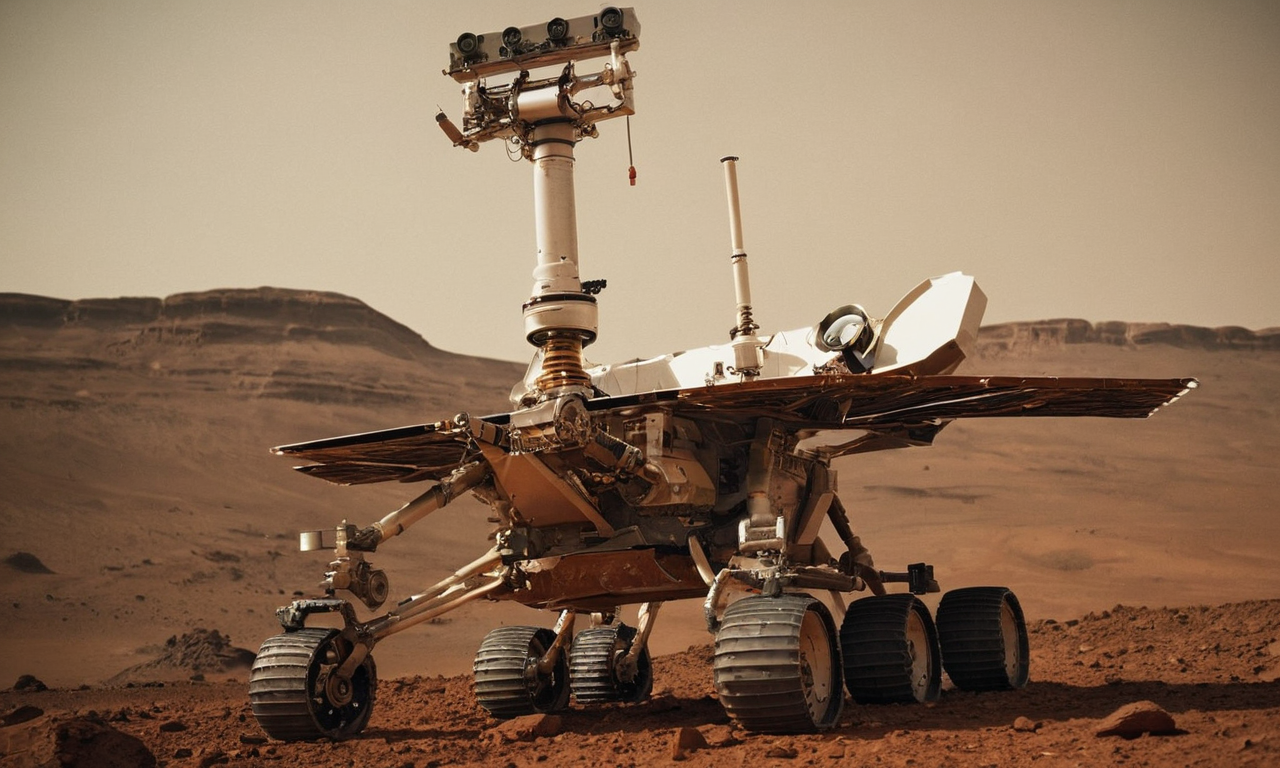
Twenty-one years ago, a golf cart-sized rover bounced to a stop inside a small crater on Mars, beginning one of the most remarkable chapters in space exploration history