


X Report 31 Jan 2025
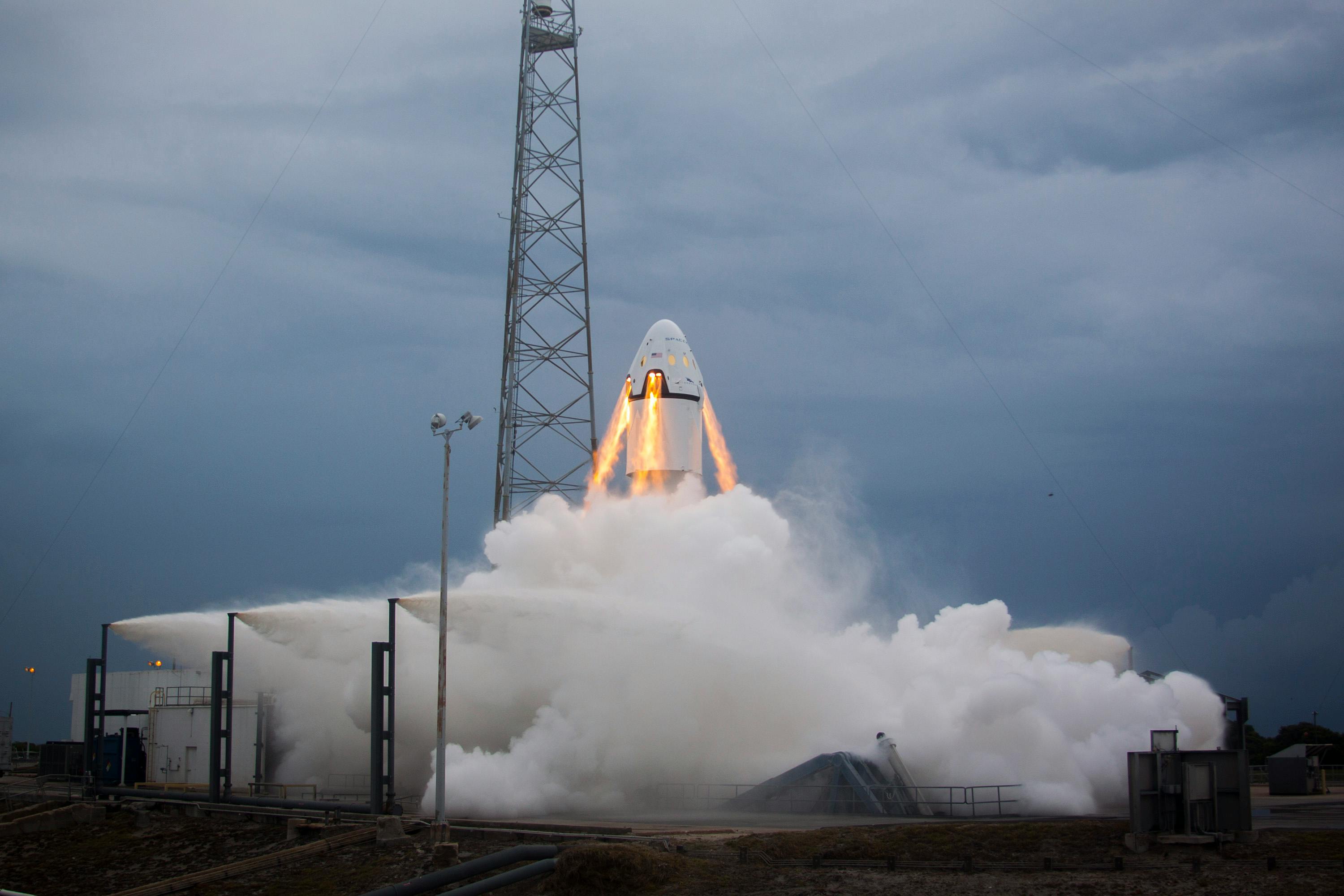
SpaceX's Starlink sparks market shifts and celestial awe as iPhones gain new connectivity and a satellite ignites the night sky.


Launch Date
June 18, 1986
Launch Site
PLMSC
Launch Pad
LC132/1
Launch Vehicle
Kosmos 11K65M
NORAD ID
16798
International Designator
1986-047A
Epoch
Fri, 03 Jul 2026 22:53:06 GMT
Apogee
Calculating...
Perigee
Calculating...
Inclination
82.92°
Right Ascension
175.98°
Eccentricity
Calculating...
Argument of Perigee
204.13°
Period
104.71 min
Mean Motion
13.75 rev/day
Latitude
Calculating...
Longitude
Calculating...
Altitude
Calculating...
Velocity
Calculating...
Name
COSMOS 1759
Alternative Name
Kosmos-1759
Type
Status
Owner
VMF
Country
USSR
Constellation
N/A
Related Satellites
Major Events
N/A
1 16798U 86047A 26184.95354889 .00000046 00000-0 32361-4 0 9997
2 16798 82.9199 175.9768 0023854 204.1302 184.2893 13.75203019 9003
Source: Celestrak
Length
5
Diameter
2.1
Span
17
Dry Mass
800
Launch Mass
800
Shape
Cyl + Ant
Radar Cross Section
2.053
Visual Magnitude
Unknown
Color
Unknown
Material Composition
Unknown
Payload
Parus
Purpose
Navigation, data relay
Mission
Navigation, data relay
Manufacturer
OAZ
Life Expectancy
Unknown
Bus
KAUR-1 11F627
Configuration
KAUR-1
Motor
Unknown
Equipment
Unknown
Power System
Solar cells, batteries
ADCS
Unknown
Transmitter Frequency
Unknown
Learn more about satellites and other related topics.
SpaceX's Starlink sparks market shifts and celestial awe as iPhones gain new connectivity and a satellite ignites the night sky.
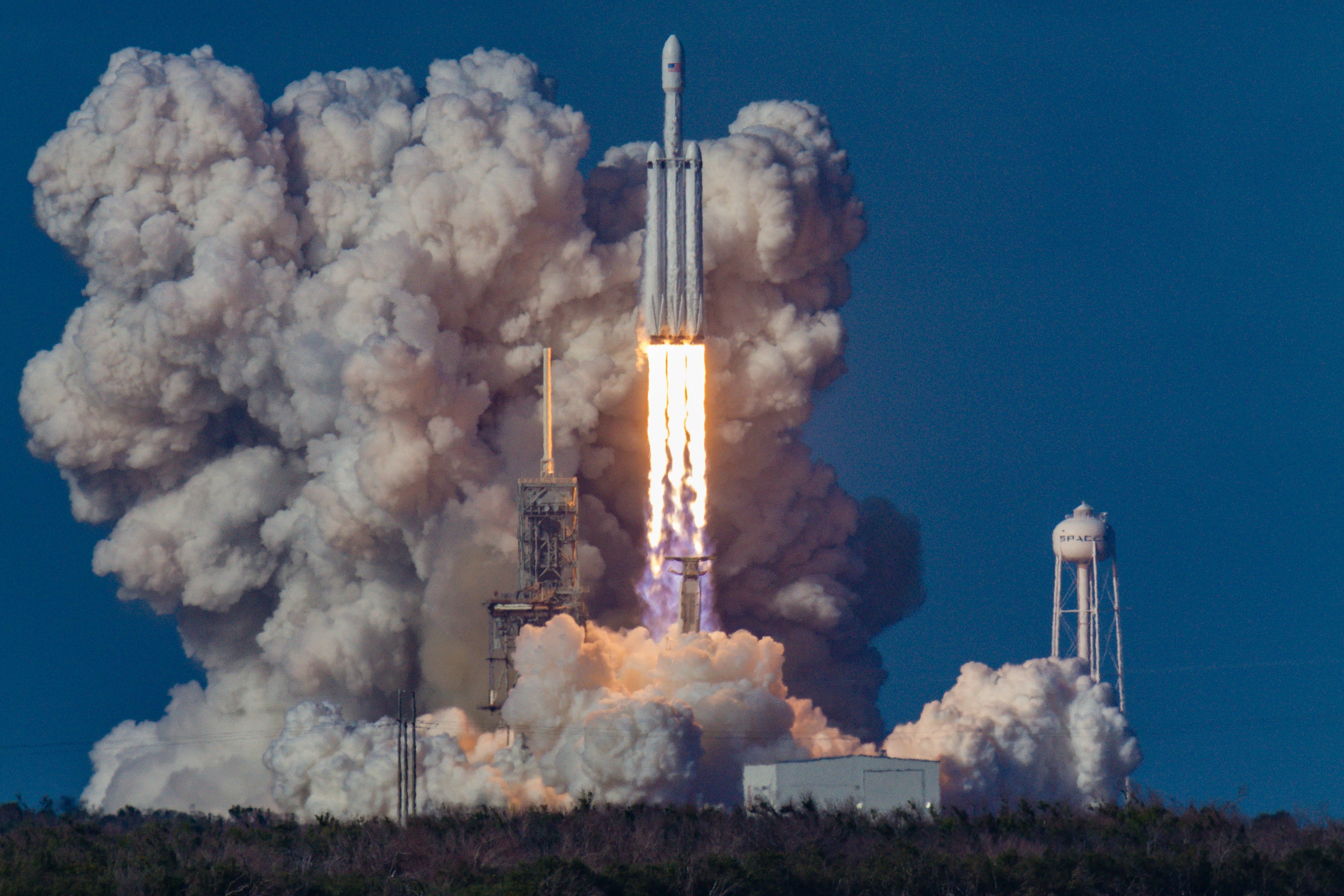
SpaceX achieves a remarkable milestone with its 50th Falcon 9 launch of 2025, while Starlink continues to expand, facing competition from China's megaconstellation efforts.
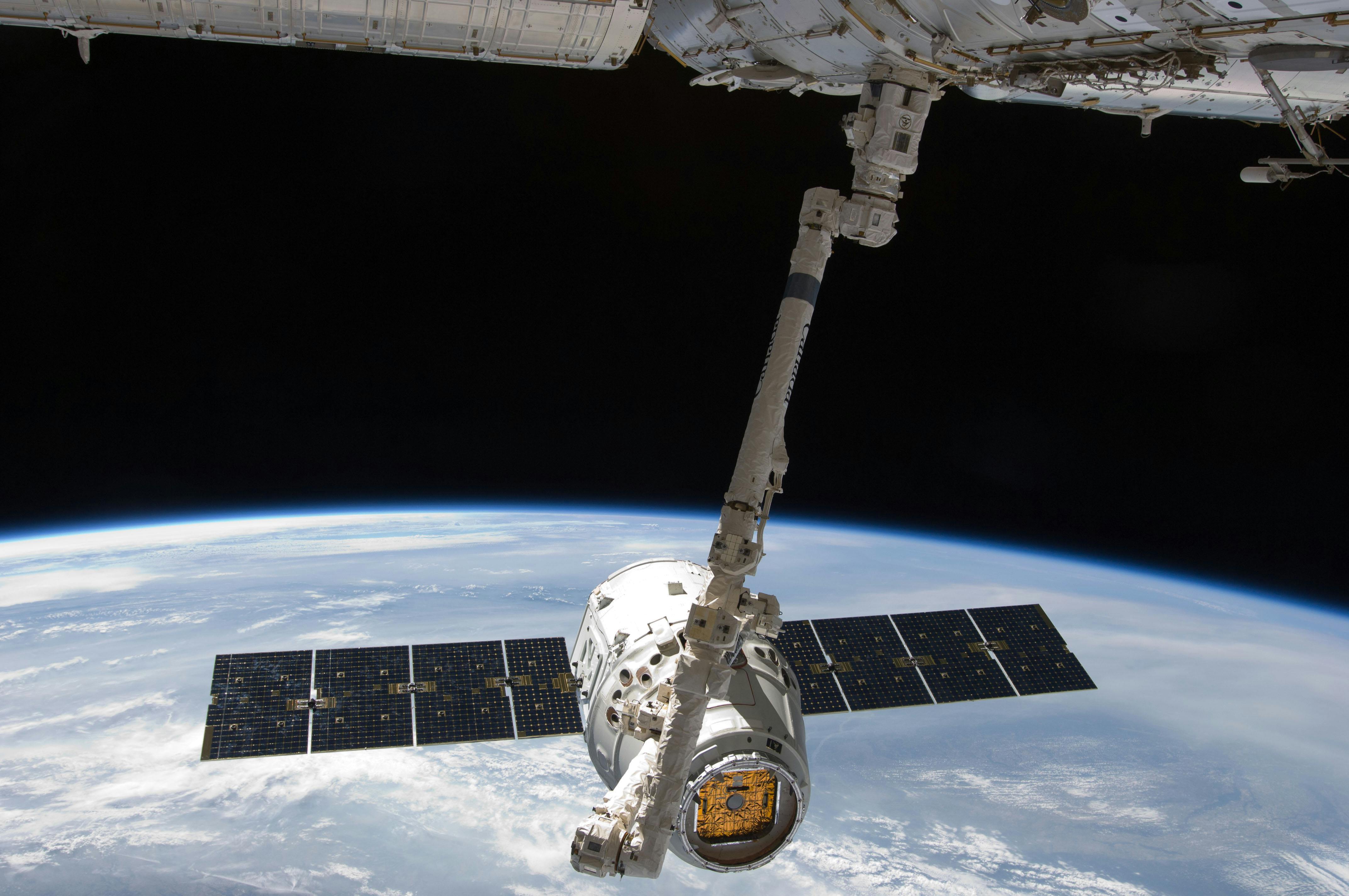
SpaceX successfully launches 21 Starlink satellites and deploys a new batch of spy satellites for the US government.
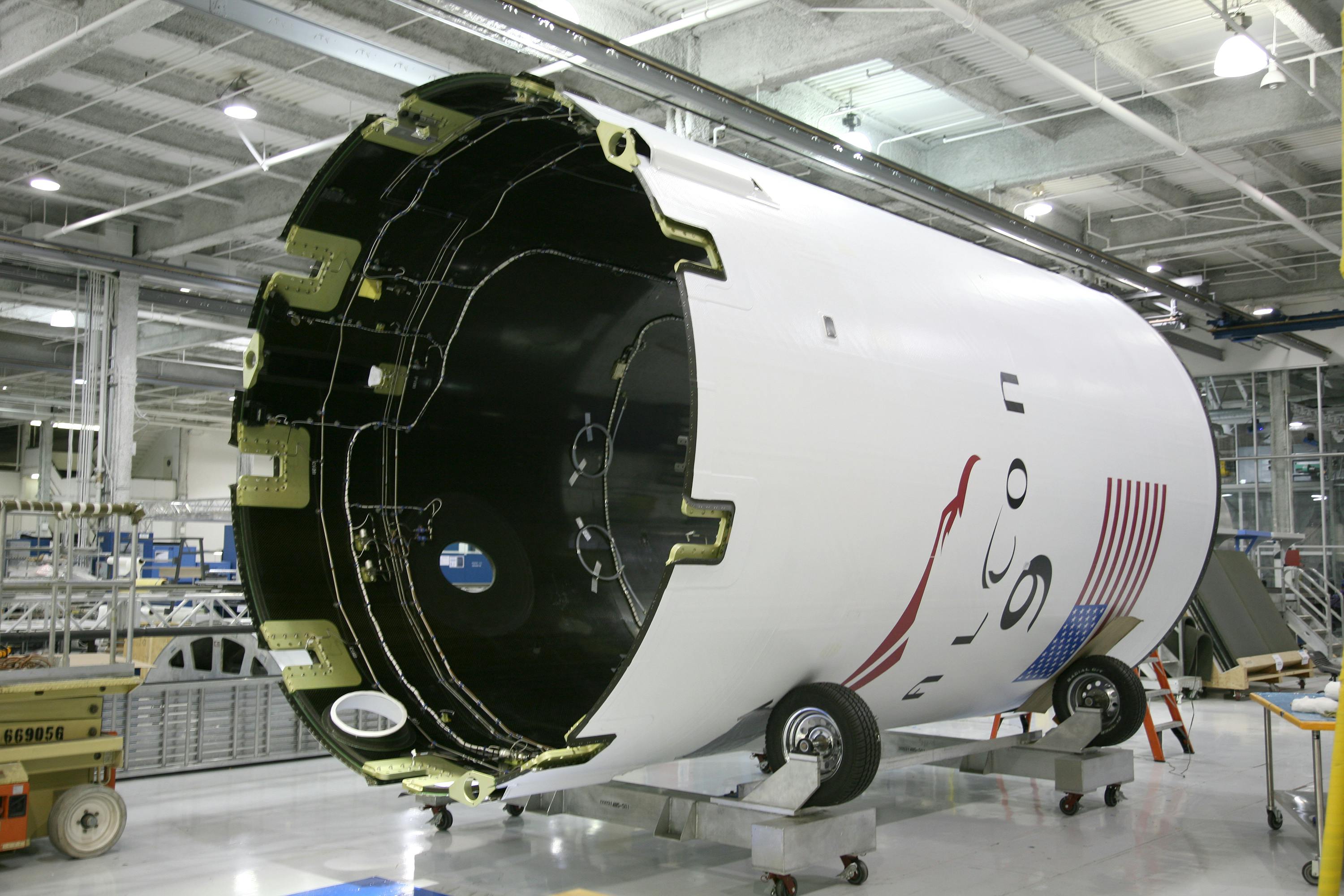
SpaceX gears up for distinctive Starship tests and milestone Starlink deployments as the new year takes off.

Starlink satellite count April 2026: 10,191 working of 10,209 in orbit. SpaceX flew its 1,000th Starlink of 2026 on April 14, adding 29 more sats.

Musk confirms Starmind, an AI satellite constellation targeting 1 million orbital compute nodes. Starfall's debut and Dragon's ISS departure follow.

Today's Space Brief highlights the U.S. Air Force's $48 million investment in testing reentry capsules, a Pentagon-backed GPS alternative, and the Space Force's quest for funding autonomy.
Uncover the top companies dominating the satellite industry. From SpaceX to One Web, learn who's leading in space assets. Full list inside.