


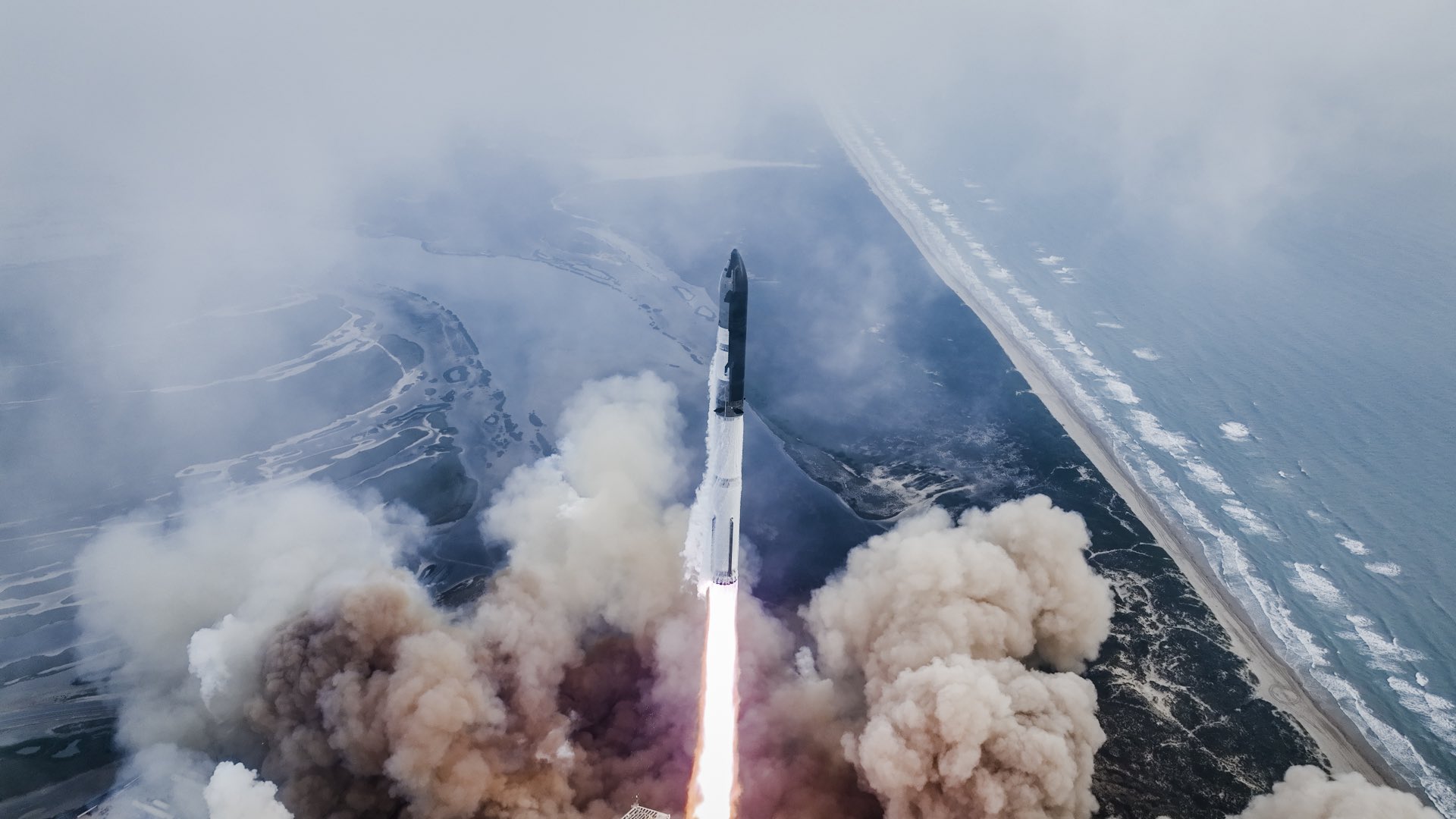
Space Brief 14 May 2025
Today's edition covers China's latest launches in their classified satellite programs, ongoing discussions in the U.S. Senate on missile defense, and the ever-escalating space debris crisis threatening national security.


Launch Date
June 12, 1986
Launch Site
PLMSC
Launch Pad
LC32/1
Launch Vehicle
Tsiklon-3
NORAD ID
16791
International Designator
1986-046A
Epoch
Fri, 03 Jul 2026 19:57:56 GMT
Apogee
Calculating...
Perigee
Calculating...
Inclination
82.46°
Right Ascension
26.33°
Eccentricity
Calculating...
Argument of Perigee
286.35°
Period
94.29 min
Mean Motion
15.27 rev/day
Latitude
Calculating...
Longitude
Calculating...
Altitude
Calculating...
Velocity
Calculating...
Name
COSMOS 1758
Alternative Name
Kosmos-1758
Type
Status
Owner
GRU
Country
USSR
Constellation
N/A
Related Satellites
Major Events
N/A
1 16791U 86046A 26184.83190021 .00007449 00000-0 27793-3 0 9998
2 16791 82.4582 26.3303 0012141 286.3493 73.6411 15.27171918183787
Source: Celestrak
Length
3.2
Diameter
1.3
Span
13.1
Dry Mass
1750
Launch Mass
1750
Shape
Cyl + Ant
Radar Cross Section
7.2754
Visual Magnitude
Unknown
Color
Unknown
Material Composition
Unknown
Payload
Ikar No. 57L
Purpose
SIGINT
Mission
SIGINT
Manufacturer
YUZH
Life Expectancy
6 months
Bus
Tselina-D
Configuration
Unknown
Motor
Unknown
Equipment
Unknown
Power System
2 deployable solar arrays, batteries
ADCS
Unknown
Transmitter Frequency
Unknown
Learn more about satellites and other related topics.
Today's edition covers China's latest launches in their classified satellite programs, ongoing discussions in the U.S. Senate on missile defense, and the ever-escalating space debris crisis threatening national security.
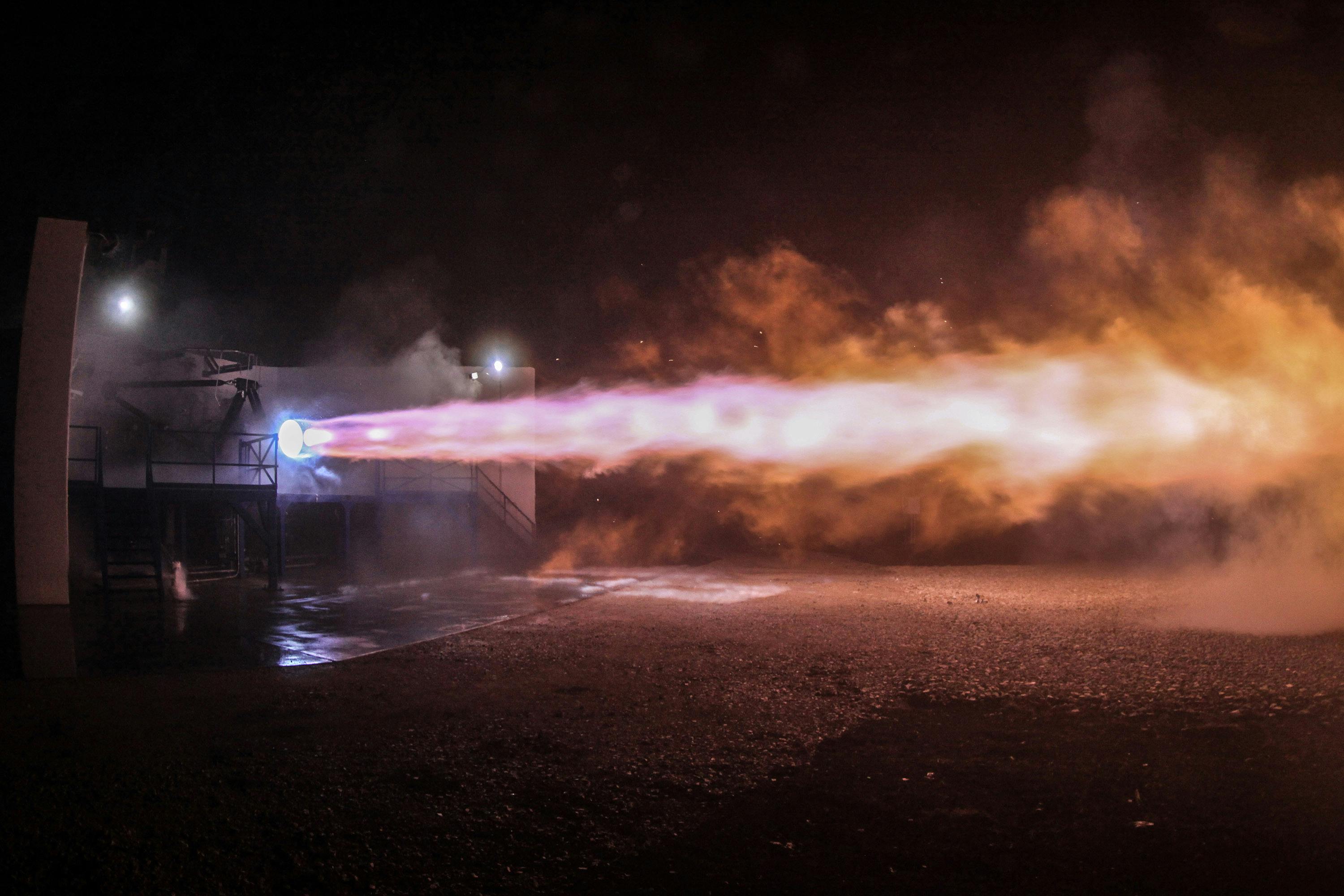
SpaceX gears up for a busy launch schedule with multiple missions, while its Starship program progresses with a successful Super Heavy test. Meanwhile, NASA's Artemis 2 faces delays, highlighting SpaceX's ongoing momentum in the space sector.
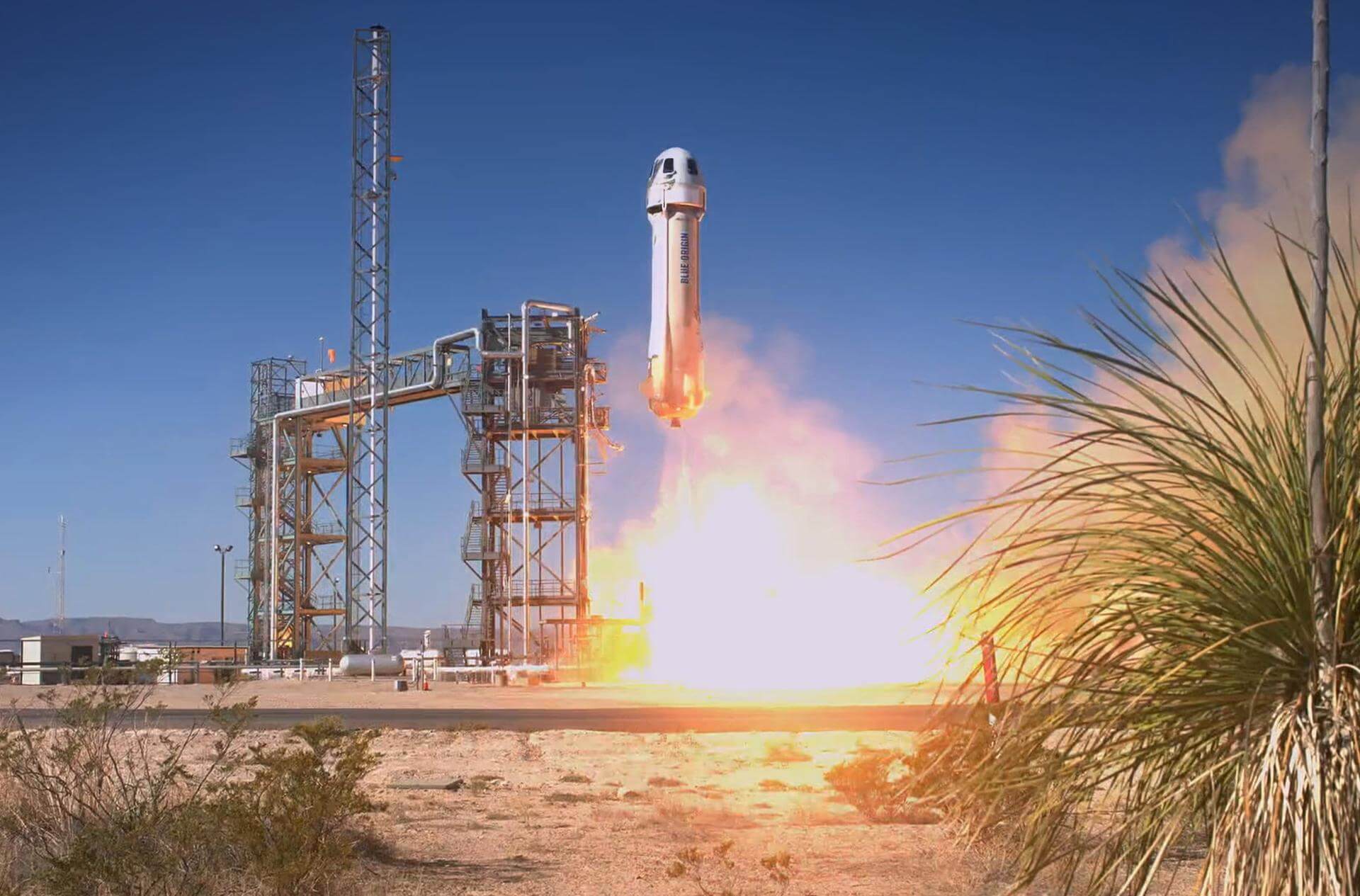
Today's brief shines a light on surging space debris due to a new satellite breakup, SpaceX's continuous Starlink expansions, and notable legal support for Elon Musk's launch endeavors.
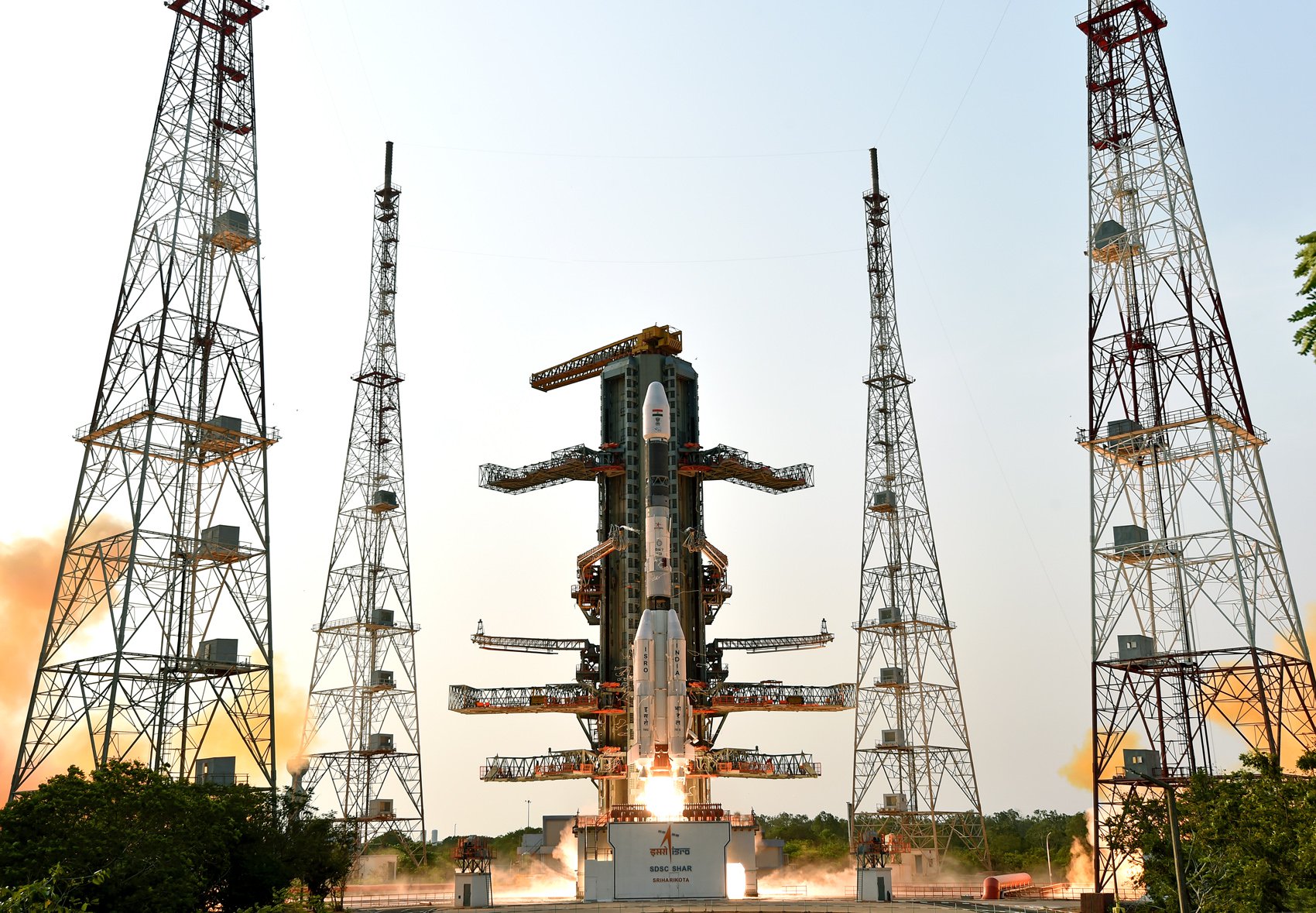
Today's brief covers China's Tianzhou-9 launch to the Tiangong space station, the U.S. Space Force's unfunded MILNET project, and the evolving use of AI in military applications.

As humanity increasingly relies on satellites, the escalating space junk problem poses a dire threat to our space-based infrastructure. With debris counts reaching alarming levels, urgent action is needed to prevent a cascade of collisions that could make key orbits unusable.

Kratos awarded $447 million Space Force contract for Resilient Missile Warning Tracking ground ops center in Medium Earth Orbit, shifting missile detection away from vulnerable GEO satellites.

SpaceX successfully launched Northrop Grumman's new Cygnus XL cargo spacecraft to the ISS, marking a significant advancement in cargo delivery capabilities.

Today's coverage includes the cancellation of DARPA's DRACO nuclear propulsion project, global shifts in Earth observation strategy, and new developments in satellite technology and military collaborations.