COSMOS 1746 DEB (16785)

COSPAR: 1986-040F | Alt Name: Blenda
DECAYED

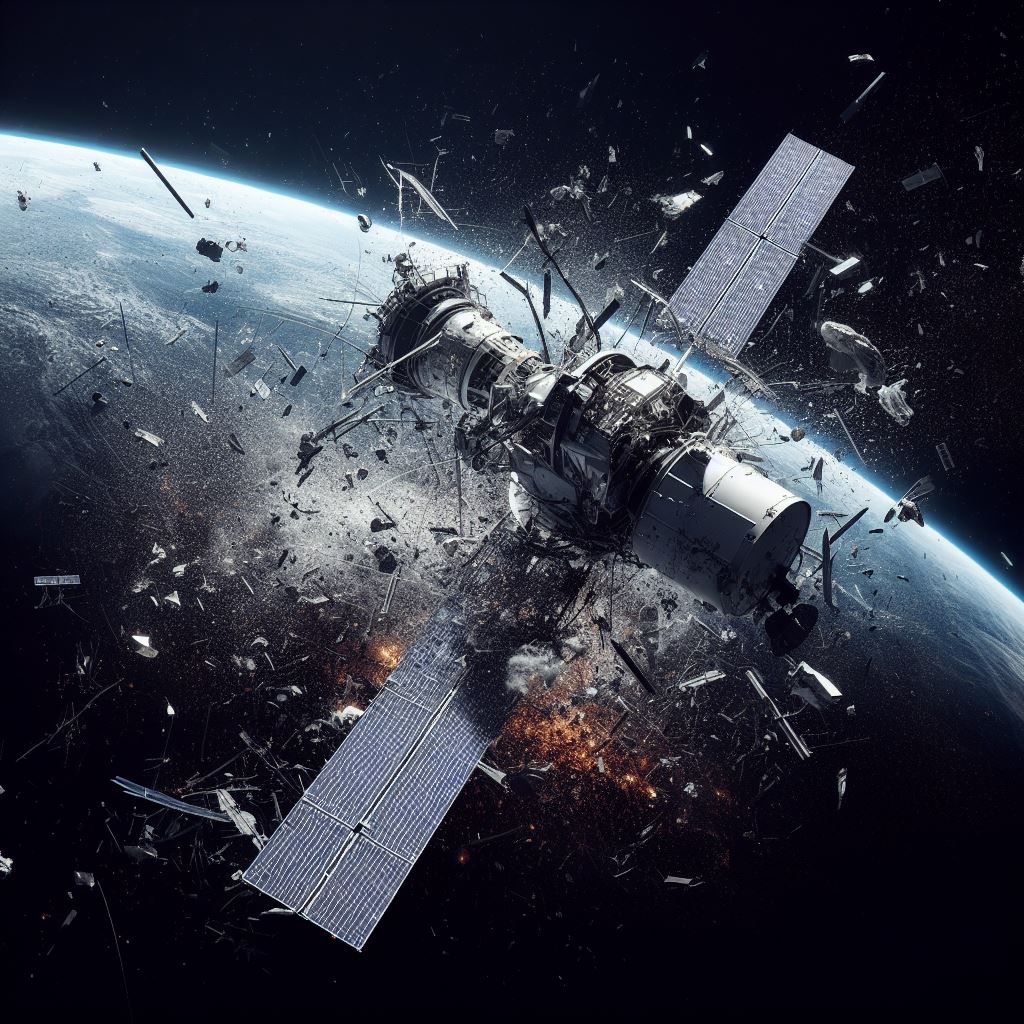
Image
COSMOS 1746 DEB Satellite Image
Additional Sources
Launch Details

Launch Date

May 28, 1986

Launch Site

PLMSC

Launch Pad

LC43/4

Launch Vehicle

Soyuz-U

Orbital Elements

NORAD ID

16785

International Designator

1986-040F

Decay Date

6/14/1986

Basic Satellite Info

Name

COSMOS 1746 DEB

Alternative Name

Blenda

Type

Debris

Status

Space Junk

Owner

UNKS

Country

USSR

Constellation

N/A

Related Satellites

Major Events

N/A

Summary
Space debris, also known as space junk, encompasses all non-functional objects orbiting Earth such as defunct satellites, spent rocket stages, and fragments from collisions or disintegrations. Over time, this debris can accumulate and create an increasingly hazardous environment in orbit. Even tiny fragments, traveling at extremely high velocities, can inflict significant damage on operational satellites and spacecraft. If left unmanaged, the density of debris raises the risk of catastrophic collisions and further fragmentation, compounding the problem and threatening the safety and sustainability of space activities.
Physical Characteristics

Length

1

Diameter

0.4

Span

1

Dry Mass

20

Launch Mass

20

Shape

Box

Radar Cross Section

Unknown

Visual Magnitude

Unknown

Color

Unknown

Material Composition

Unknown

Technical Details

Payload

Sunshade

Purpose

Unknown

Mission

Unknown

Manufacturer

TSSKB

Life Expectancy

Unknown

Bus

Zenit BZA

Configuration

Unknown

Motor

Unknown

Equipment

Unknown

Power System

Unknown

ADCS

Unknown

Transmitter Frequency

Unknown

Satellite Articles

View All Posts »

Learn more about satellites and other related topics.

Vulcan Grounding Could Last Months, Space Force Weighs Alternatives | KeepTrack Space Brief

Vulcan Grounding Could Last Months, Space Force Weighs Alternatives | KeepTrack Space Brief

ULA's Vulcan Centaur faces potential months-long stand-down. Space Force actively exploring payload reassignment and satellite operational life extensions to cover critical national security missions.

Space Brief 31 Aug 2025

Space Brief 31 Aug 2025

SpaceX makes headlines with dual Starlink launches, Rocket Lab inaugurates new launch complex, while AI's impact on space missions and satellite technology continues to stir discussions.

Space Brief 21 Dec 2025

Space Brief 21 Dec 2025

Today's briefing highlights the SDA's significant satellite award, Blue Origin's groundbreaking flight, and NASA's call for an Artemis review.

Space Brief 2 Nov 2024

Space Brief 2 Nov 2024

Today's brief covers a historic milestone for China's space program, the decoding of a simulated alien signal, innovative solutions to address satellite air pollution, and industry shifts driven by major investments and contracts.

DAF Space Restructure Announced Within Days, PAE Leaders Named | KeepTrack Space Brief

DAF Space Restructure Announced Within Days, PAE Leaders Named | KeepTrack Space Brief

Department of Air Force announces finalized Program Acquisition Executive structure within days, reshaping oversight of GPS, SBIRS, and Protected Tactical Satcom systems.

Vulcan GEM 63XL Passes Static Fire; February Anomaly Still Under Investigation | KeepTrack Space Brief

Vulcan GEM 63XL Passes Static Fire; February Anomaly Still Under Investigation | KeepTrack Space Brief

Northrop Grumman's GEM 63XL solid rocket booster passed static fire testing, but ULA's investigation into a February 2026 Vulcan in-flight anomaly remains open. No RTF date set.

Space Force Awards Pulse Space $40M for Laser Power Tech | KeepTrack Space Brief

Space Force Awards Pulse Space $40M for Laser Power Tech | KeepTrack Space Brief

Space Force awards Pulse Space $40 million to develop laser systems for transmitting power and data between spacecraft in orbit. Game-changing on-orbit energy transfer capability.

The Day America Entered the Space Age

The Day America Entered the Space Age

Sixty-seven years ago, a slender rocket carried America's first satellite into orbit, discovering a mysterious feature of our planet that would change our understanding of space forever