

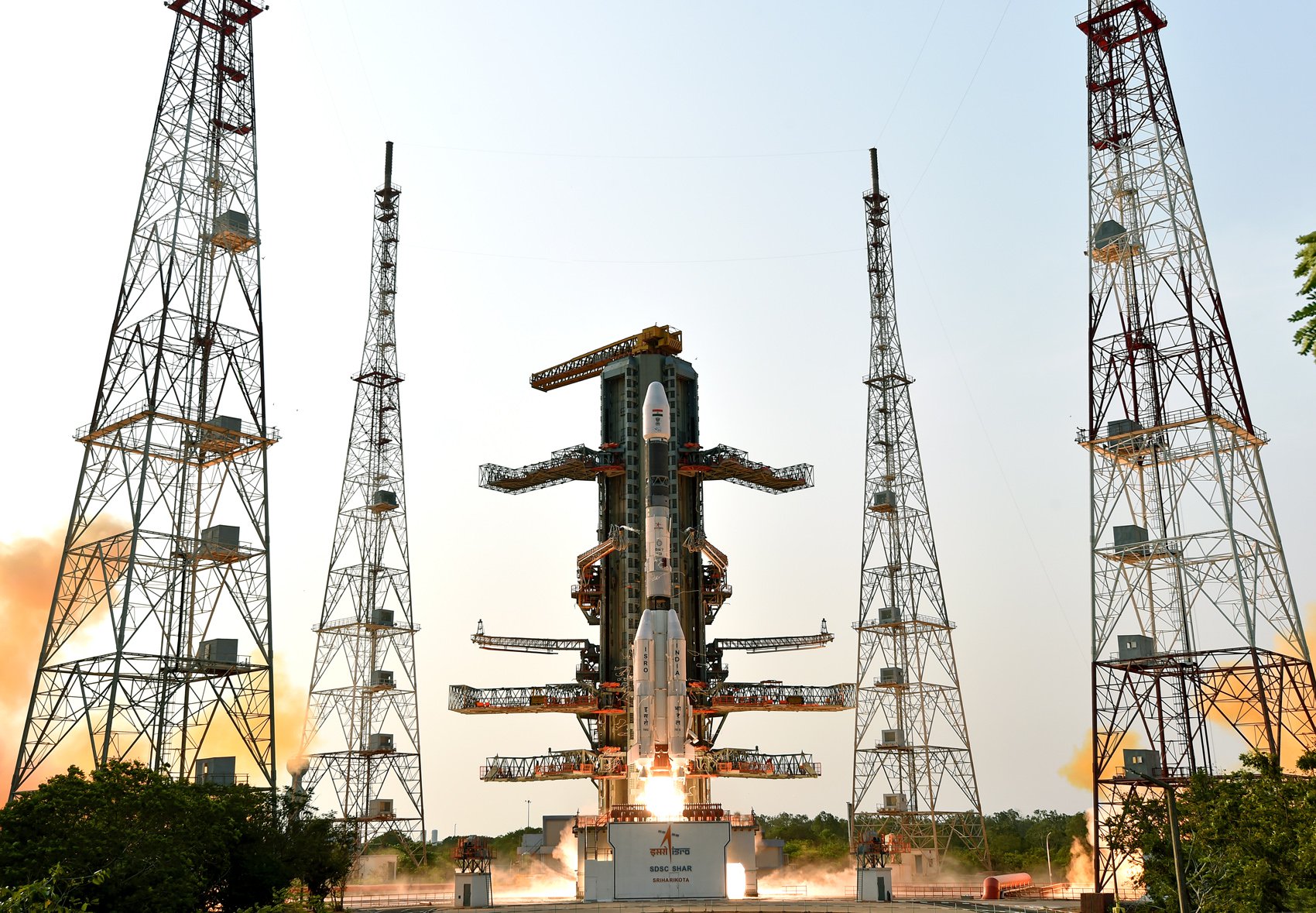
Space Brief 3 Jun 2025
Today's highlights include China's remote-sensing satellite launch, U.S. Space Force's investment in missile-tracking satellites, and NASA's MAVEN milestone on Mars.


Launch Date
May 21, 1986
Launch Site
Launch Pad
LC1
Launch Vehicle
Soyuz-U2
NORAD ID
16748
International Designator
1986-035C
Decay Date
3/22/1987
Name
SOYUZ-TM 1 ORBIT MODULE
Alternative Name
Soyuz TM BO
Type
Status
Owner
NPOE
Country
USSR
Constellation
N/A
Related Satellites
Major Events
N/A
Length
6.5
Diameter
2.4
Span
6.5
Dry Mass
1280
Launch Mass
1280
Shape
Sphere + DCone
Radar Cross Section
18.4
Visual Magnitude
Unknown
Color
Unknown
Material Composition
Unknown
Payload
Bitovoy otsek
Purpose
Unknown
Mission
Unknown
Manufacturer
NPOE
Life Expectancy
Unknown
Bus
Soyuz BO
Configuration
Unknown
Motor
Unknown
Equipment
Unknown
Power System
Unknown
ADCS
Unknown
Transmitter Frequency
Unknown
Learn more about satellites and other related topics.
Today's highlights include China's remote-sensing satellite launch, U.S. Space Force's investment in missile-tracking satellites, and NASA's MAVEN milestone on Mars.

Scientists use earthquake sensors to track space debris reentry via sonic boom detection. SpaceX launches 25 Starlink satellites in seventh mission of 2026. NASA and DOE partner for lunar nuclear power.
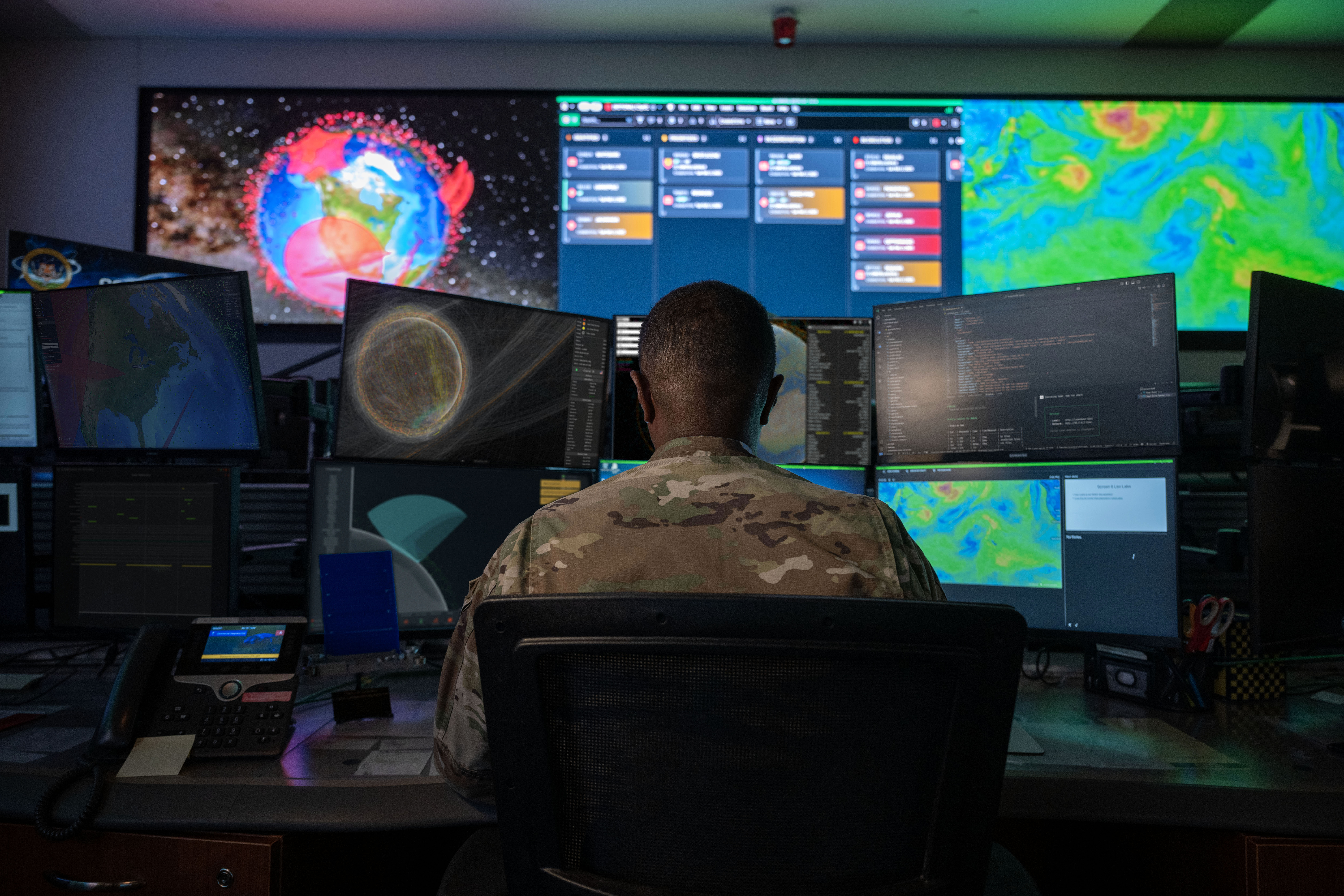
Pentagon gives Anthropic Friday deadline to loosen military AI policy. Space Force keeps Vulcan grounded over booster issue. Funding boost speeds missile-tracking satellites.
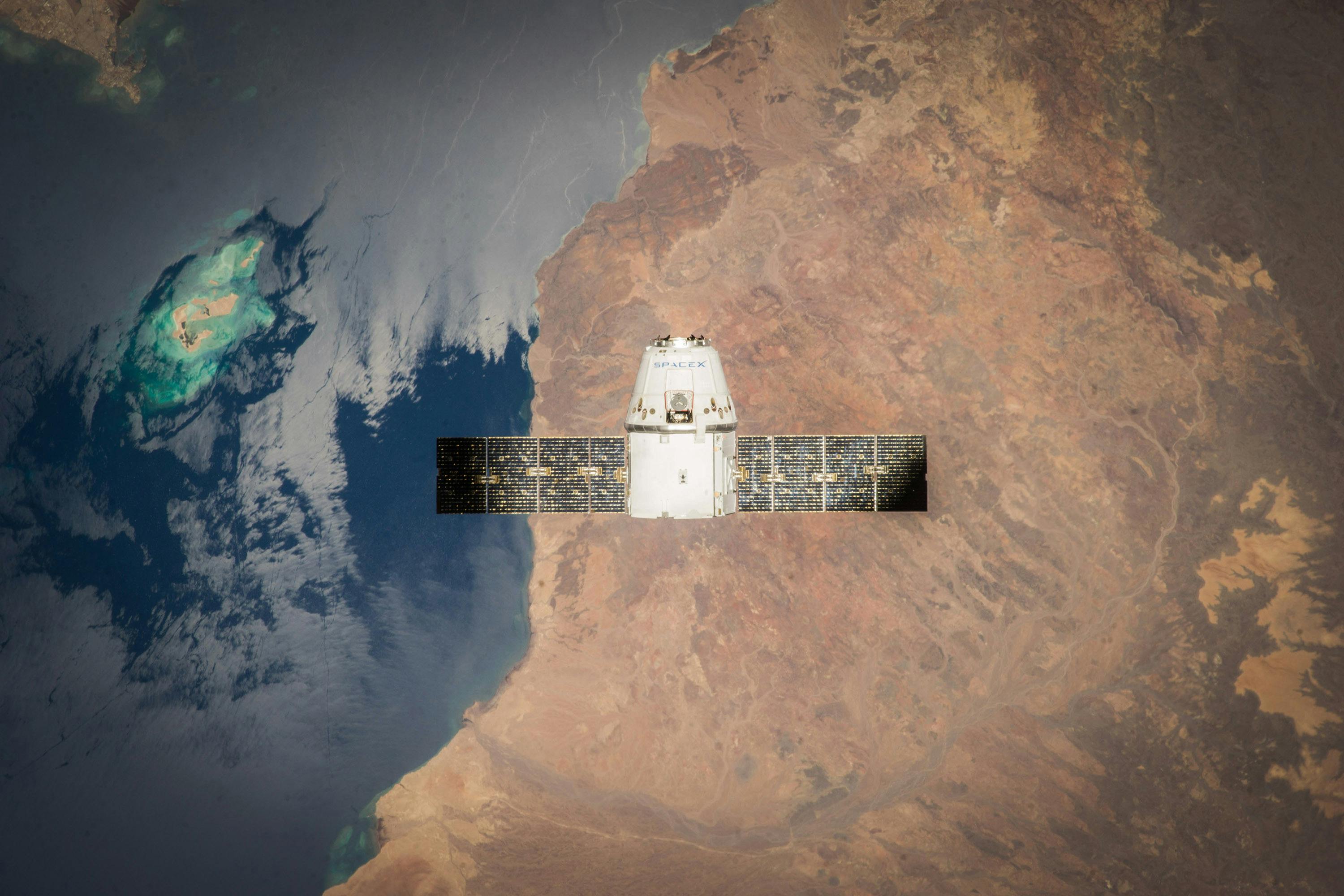
SpaceX continues to push boundaries with the successful launch of 28 Starlink satellites and significant testing preparations for upcoming Crew-11 and Starship missions.
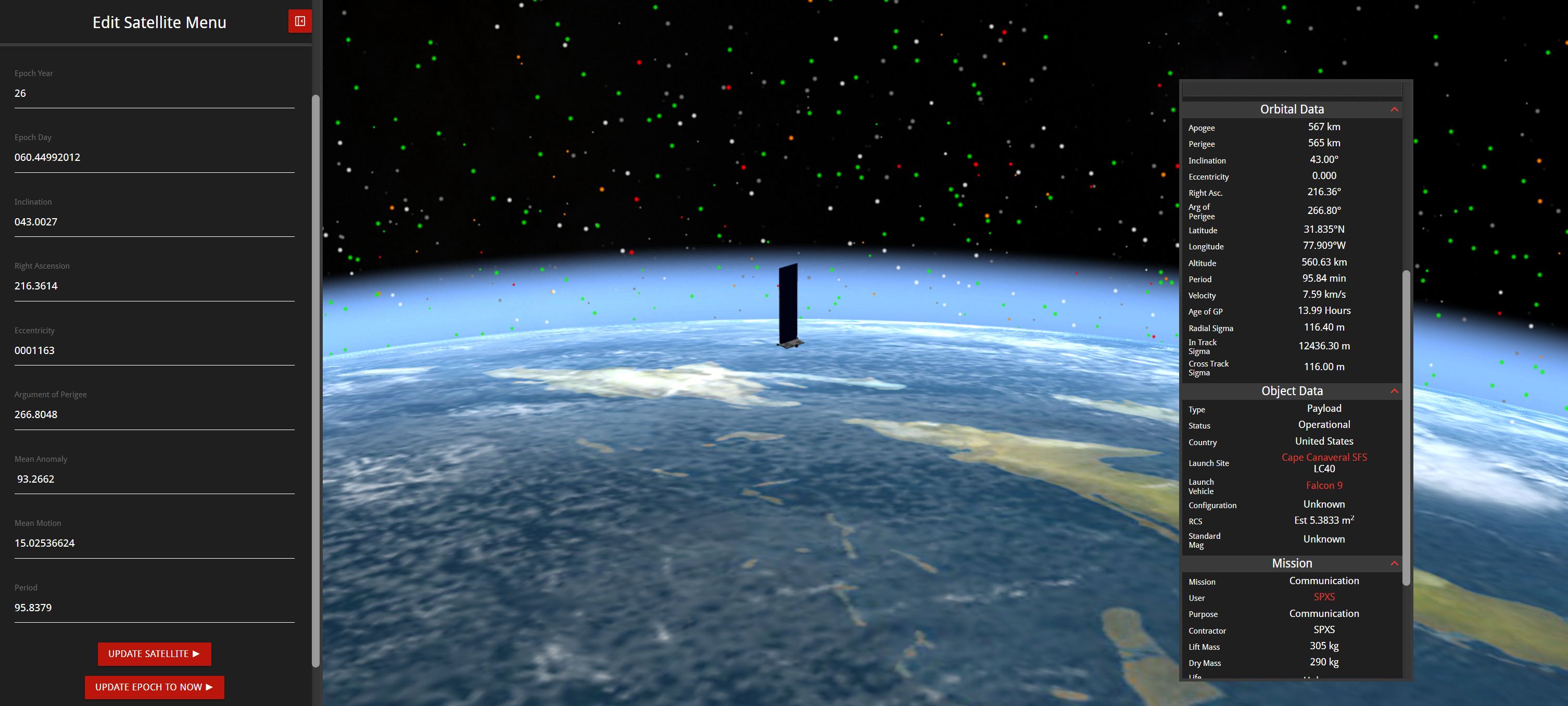
The compact data format that describes every tracked satellite orbit in just two lines of text, and how to read it

SpaceX scrubs Crew-10 launch due to hydraulics issue; successful Falcon 9 launch for NASA missions, and Texas supports SpaceX expansion.

SpaceX gears up for Starship's ninth flight with a reused booster, Fram2 astronauts share stunning orbital views, and SpaceX secures new NASA contracts for the Starship.

In today's briefing: China accelerates its satellite megaconstellation. A comprehensive ESA-led optical data network is in the works, marking a key step in satellite communications. NASA's Artemis II crew visits Ohio in preparation for their lunar journey. SpaceX's record-breaking rocket launches continue. Plus, insights into nuclear rockets that could drastically shorten Mars missions.