


Space Brief 19 Feb 2025
Today's brief covers launches by SpaceX and mysterious Space Force missions, along with updates on Japan's moon lander and US-UAE defense deals.


Launch Date
May 29, 1986
Launch Site
Launch Pad
LC31
Launch Vehicle
Soyuz-U
NORAD ID
16746
International Designator
1986-041B
Decay Date
6/25/1986
Name
SL-4 R/B
Alternative Name
Soyuz-U 56-915 Blok-I
Type
Status
Owner
RVSN
Country
USSR
Constellation
N/A
Related Satellites
Major Events
N/A
Length
6.7
Diameter
2.7
Span
6.7
Dry Mass
2350
Launch Mass
2350
Shape
Cyl
Radar Cross Section
71.16
Visual Magnitude
Unknown
Color
Unknown
Material Composition
Unknown
Payload
11S510
Purpose
Unknown
Mission
Unknown
Manufacturer
PROG
Life Expectancy
Unknown
Bus
Blok-I
Configuration
Unknown
Motor
Unknown
Equipment
Unknown
Power System
Unknown
ADCS
Unknown
Transmitter Frequency
Unknown
Learn more about satellites and other related topics.
Today's brief covers launches by SpaceX and mysterious Space Force missions, along with updates on Japan's moon lander and US-UAE defense deals.
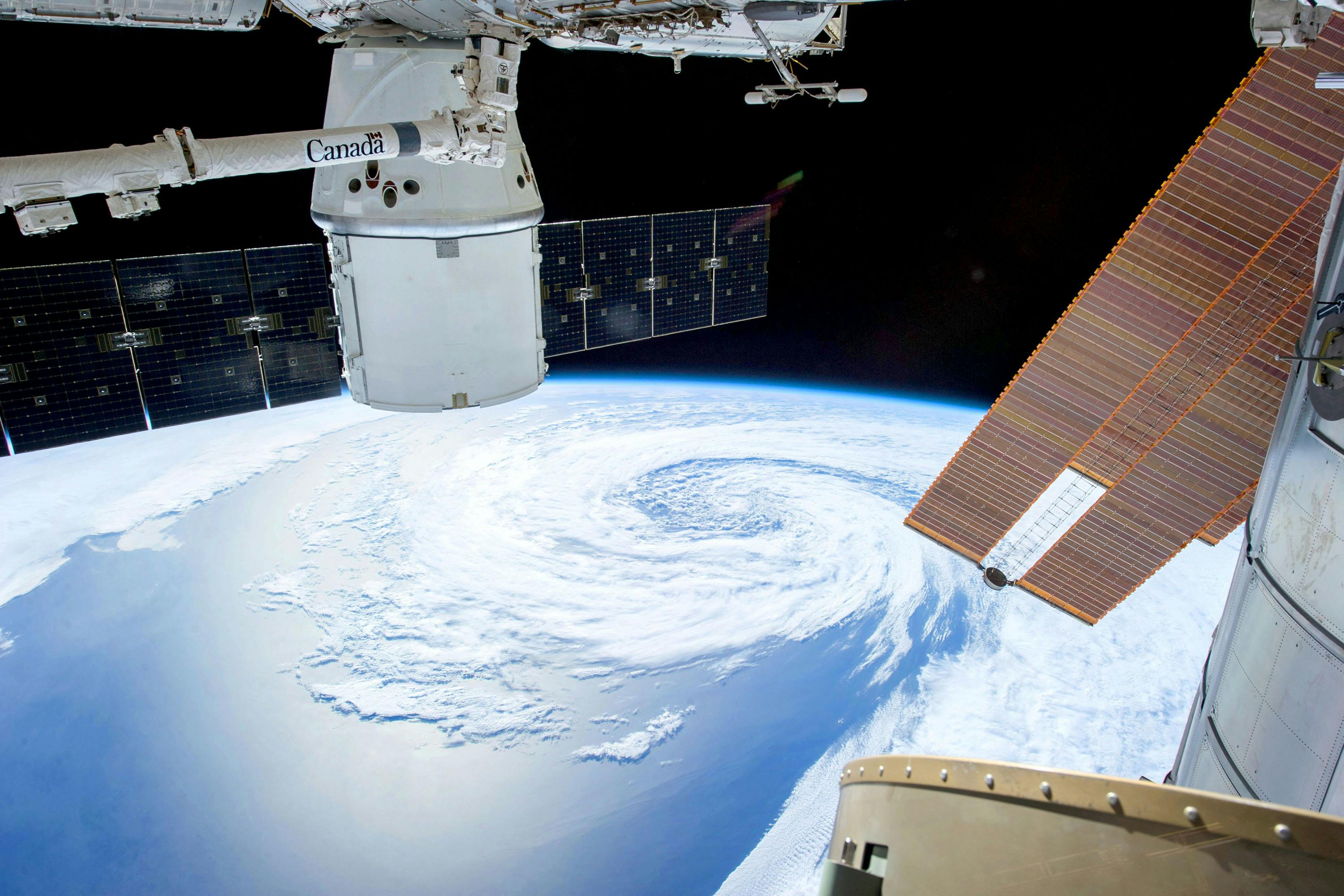
SpaceX edges closer to increased Starship launch approvals, secures lunar rover delivery, eyes potential military collaboration, and continues rapid satellite deployment.
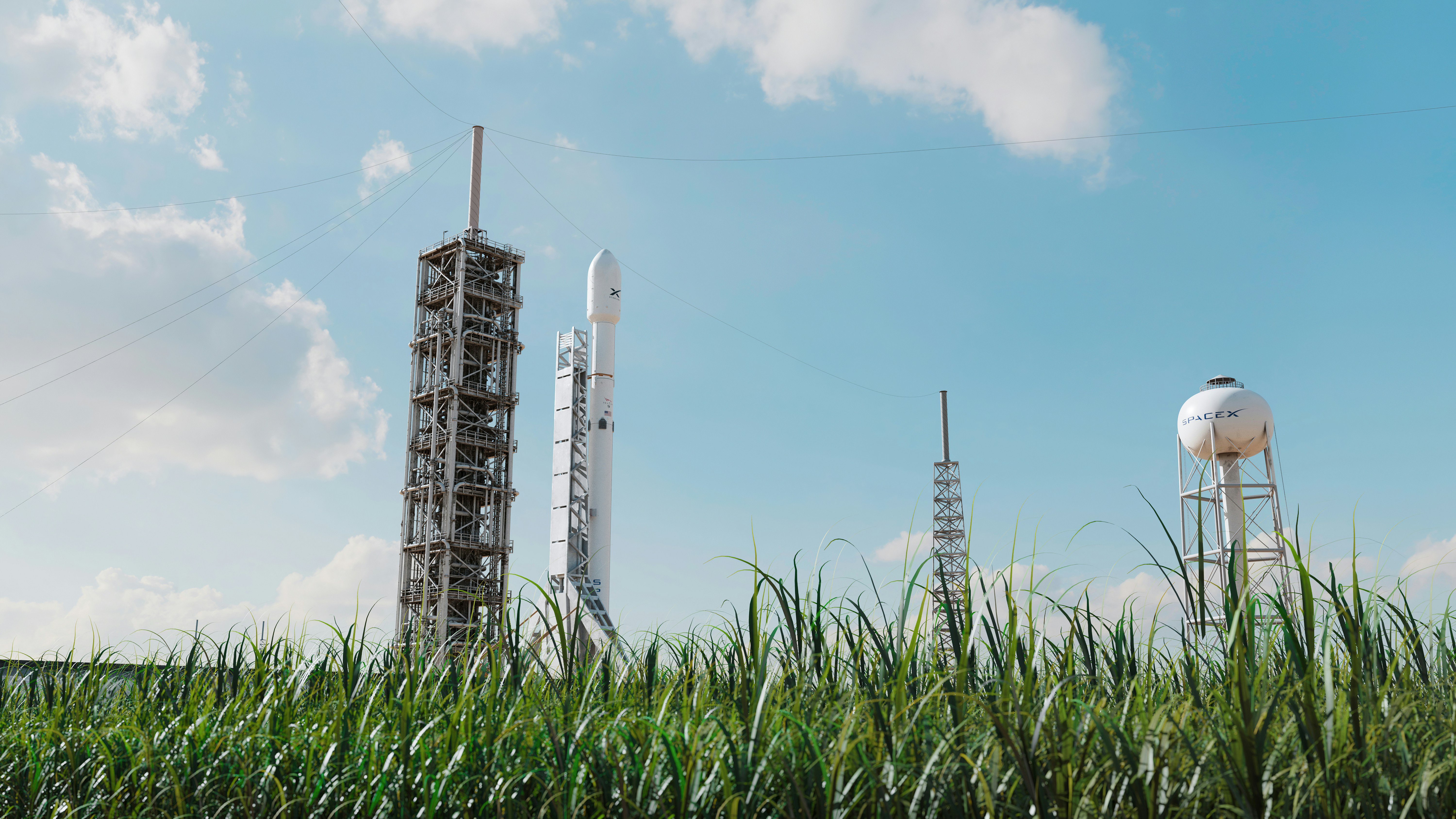
SpaceX continues to break records with the Falcon 9's 30th flight while Starship's successful test flight propels the program forward after recent challenges.
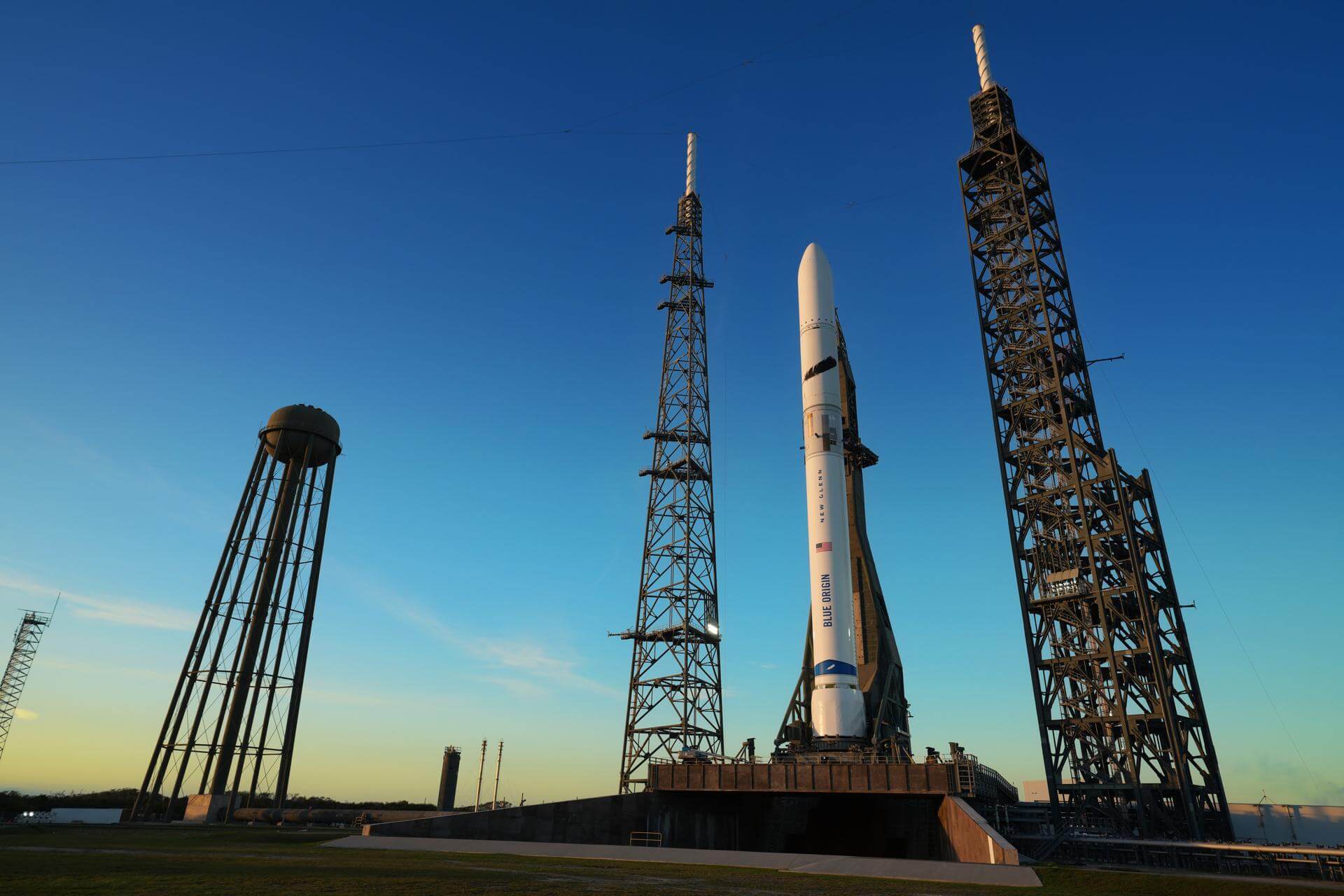
Today's briefing covers India's military communications satellite launch, SpaceX's Starlink mission milestone, Latvia's agreement to the Artemis Accords, and more significant updates in space technology and satellite launches.

Space Force awards $3.2 billion to 12 companies for Golden Dome boost-phase missile interceptor prototypes. Initial operational capability targeted for 2028.
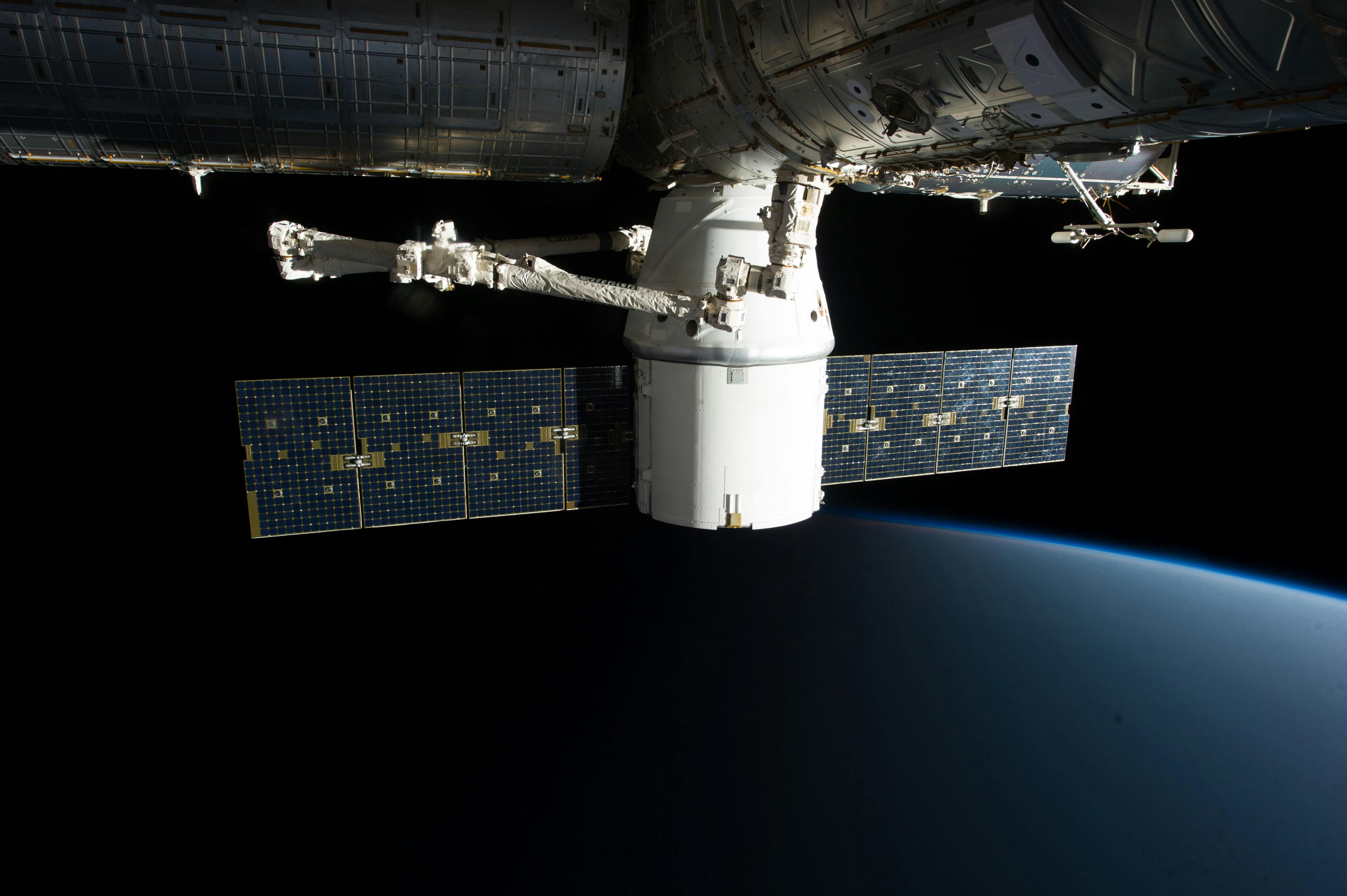
SpaceX acquires Cursor AI maker Anysphere for $60B in its first post-IPO deal, as Falcon 9 lofts 3 Block 2 BlueBird satellites for AST SpaceMobile.
Today's brief highlights a landmark cooperation between NASA and China to prevent satellite collision, strategic steps in American space leadership through nuclear energy, a U.S. military missile test, and more.

Discover the history and significance of Two-Line Element Sets (TLEs) in satellite tracking. Dive into their components, applications, and how they are evolving to meet future space challenges.