


X Report 6 Aug 2025
SpaceX has adapted Pad 1 for Ship Static Fire tests while addressing the recent downtime at Massey’s, showcasing its commitment to maintaining launch schedules despite setbacks.


Launch Date
May 24, 1986
Launch Site
Launch Pad
LC200/39
Launch Vehicle
Proton-K/DM
NORAD ID
16730
International Designator
1986-038B
Decay Date
5/26/1986
Name
SL-12 R/B(1)
Alternative Name
Proton-K 333-01 Stage 3
Type
Status
Owner
RVSN
Country
USSR
Constellation
N/A
Related Satellites
Major Events
N/A
Length
6.5
Diameter
4.2
Span
6.5
Dry Mass
4185
Launch Mass
4185
Shape
Cyl
Radar Cross Section
Unknown
Visual Magnitude
Unknown
Color
Unknown
Material Composition
Unknown
Payload
8S812
Purpose
Unknown
Mission
Unknown
Manufacturer
ZIKH
Life Expectancy
Unknown
Bus
8S812
Configuration
Unknown
Motor
Unknown
Equipment
Unknown
Power System
Unknown
ADCS
Unknown
Transmitter Frequency
Unknown
Learn more about satellites and other related topics.
SpaceX has adapted Pad 1 for Ship Static Fire tests while addressing the recent downtime at Massey’s, showcasing its commitment to maintaining launch schedules despite setbacks.

Today’s brief highlights developments including the Crew-11 launch preparations and the impact of Starlink satellites on radio telescope observations.
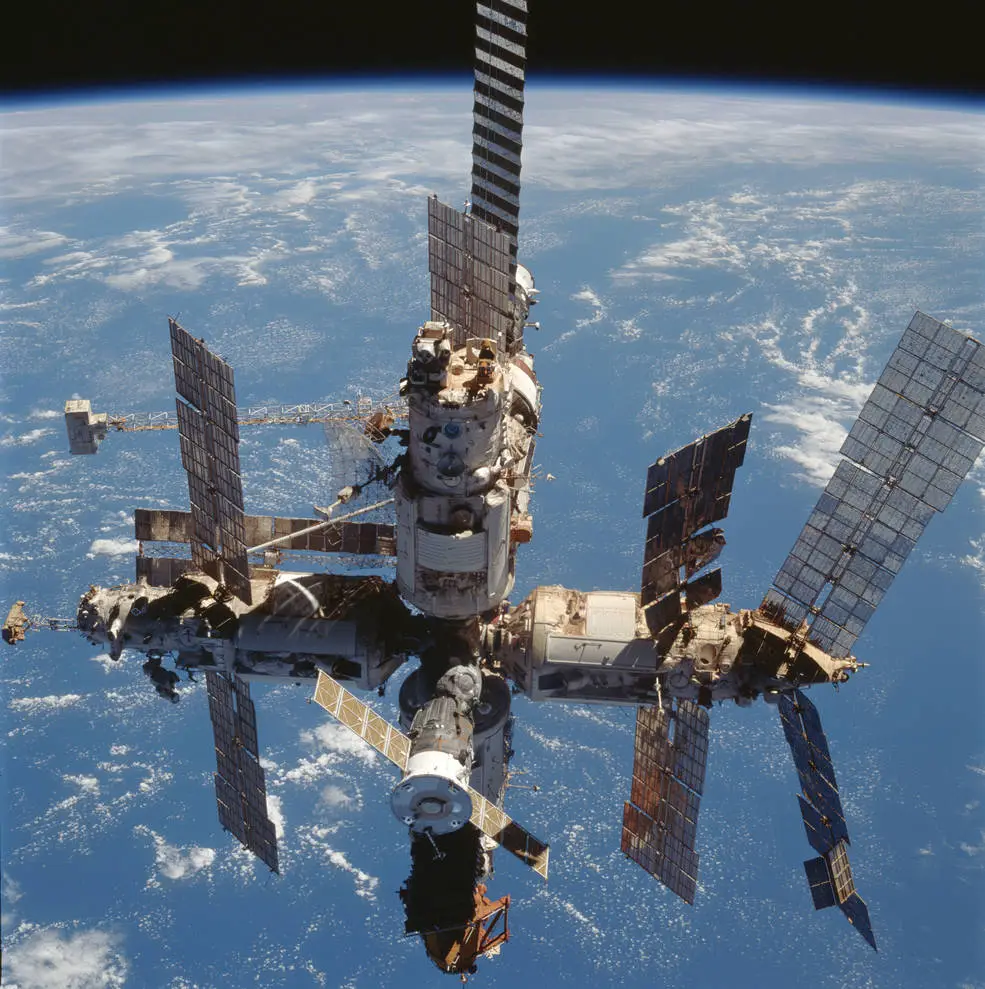
Thirty-nine years ago, a Proton rocket carried the core of the Mir space station into orbit, launching an unprecedented era of continuous human presence in space and international cooperation
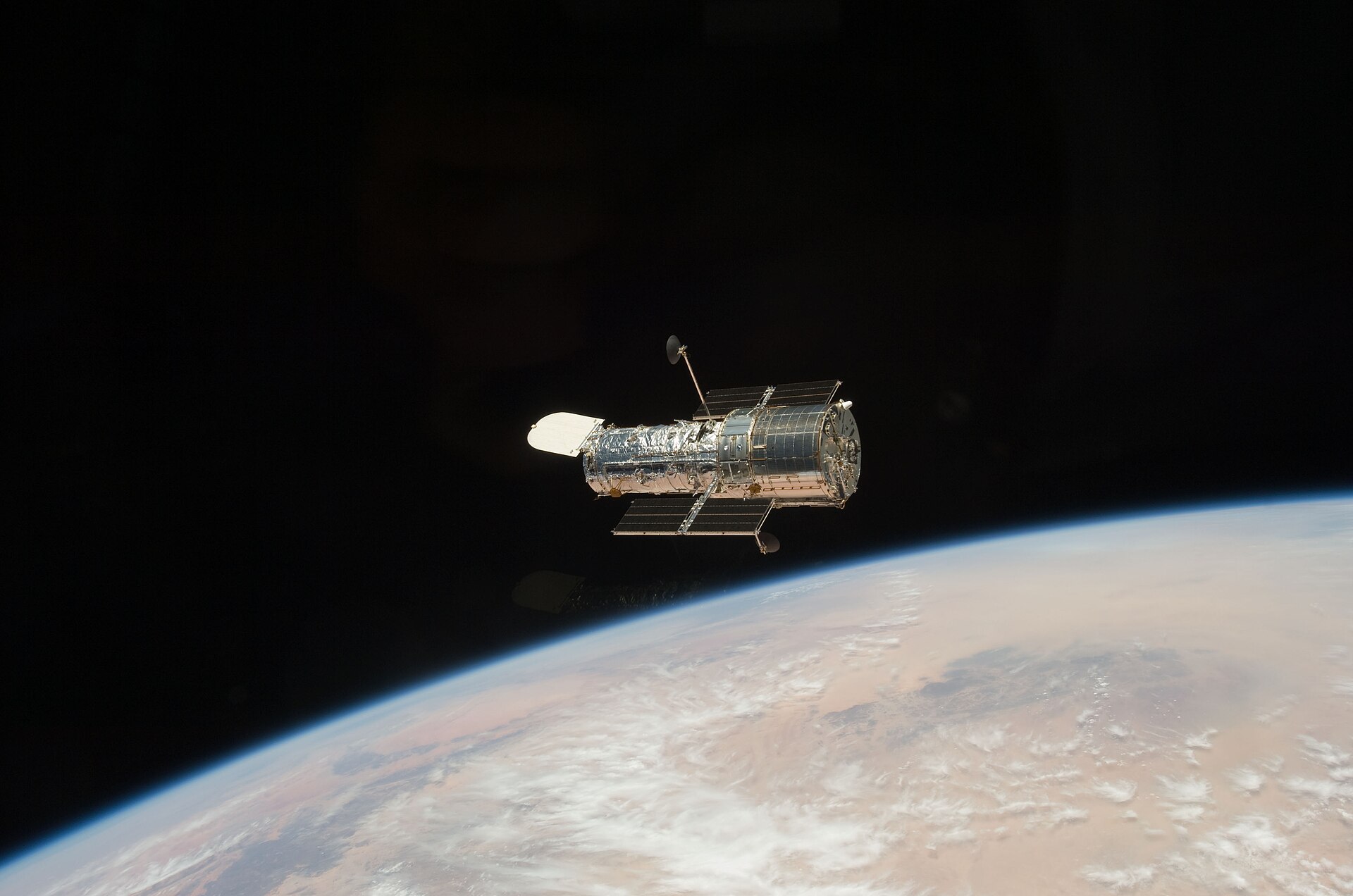
On April 25, 1990, the Space Shuttle Discovery's robotic arm lifted a 11,110-kilogram barrel of mirrors and instruments out of the payload bay and released it into orbit. Six weeks later, the first images came back badly out of focus. The Hubble Space Telescope had been ground to the wrong prescription, and America had just spent $2.5 billion on what the press was calling a 'technoturkey.'
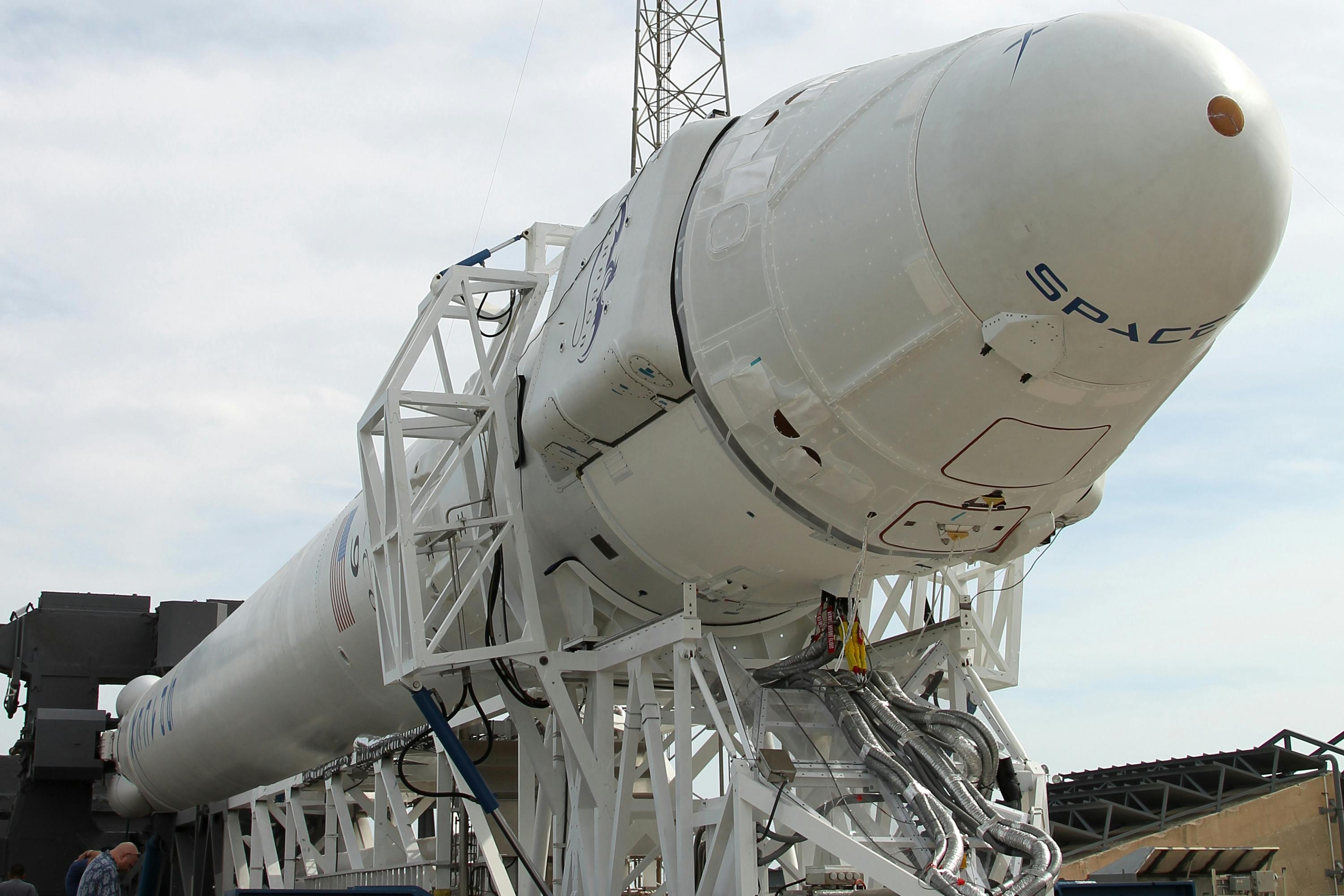
SpaceX readies Starlink 6-96 launch of 29 satellites from Cape Canaveral. Thermal Protection System evaluations underway at Starbase for next Starship prototypes. SpaceX IPO expected to reshape market.
SpaceX targets July 16 for Starship Flight 13 from Starbase, aiming to fix Flight 12 issues and deploy working Starlink satellites.
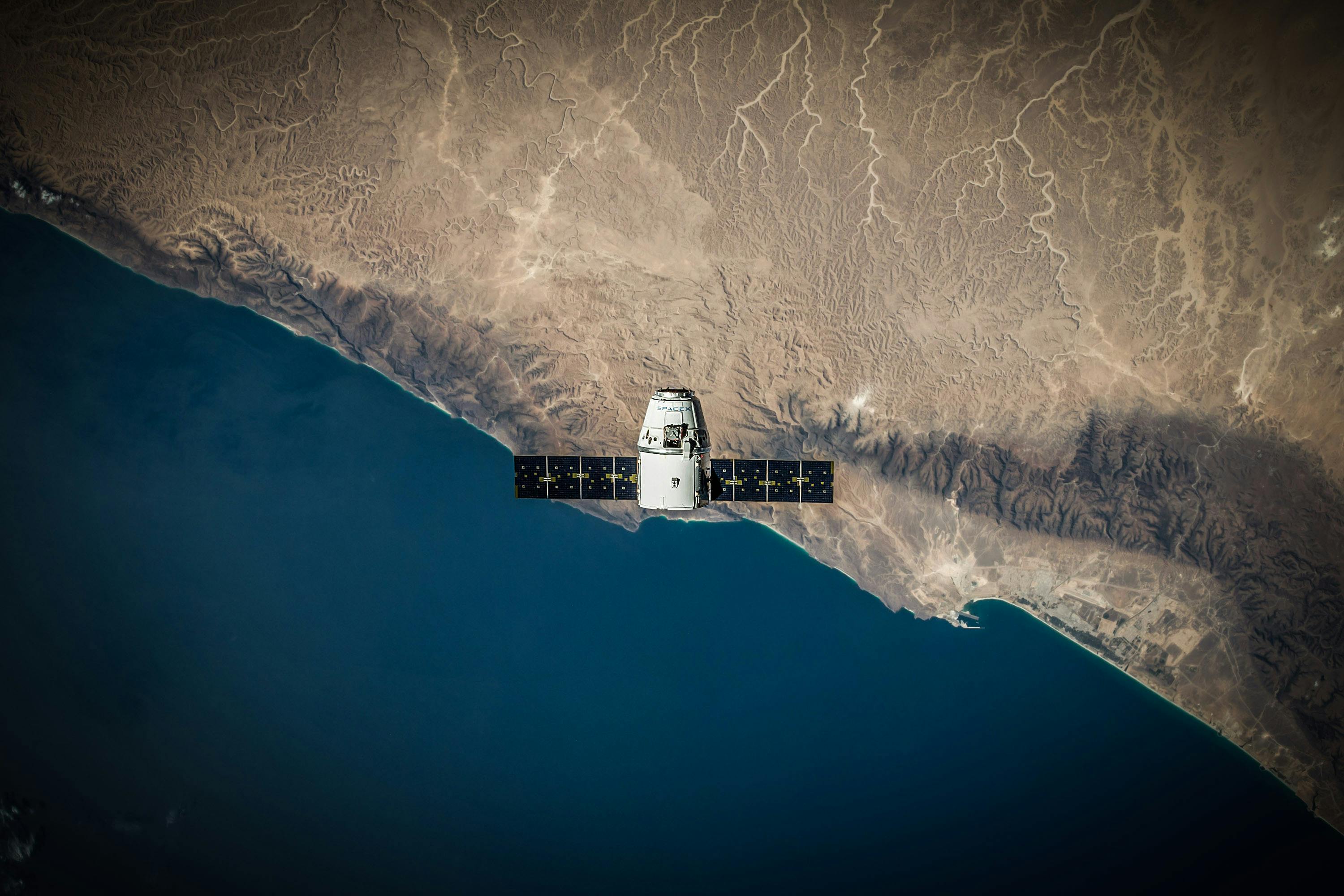
Elon Musk pushed back on orbital crowding concerns as SpaceX eyes data centers in space, with 10,584 Starlink satellites currently operational.

SpaceX kicks off a busy week with five Falcon 9 missions planned, while the impressive layout of Raptor engines on Starship captures imaginations.