COSMOS 1742 (16717)

COSPAR: 1986-033A | Alt Name: Kosmos-1742
DECAYED

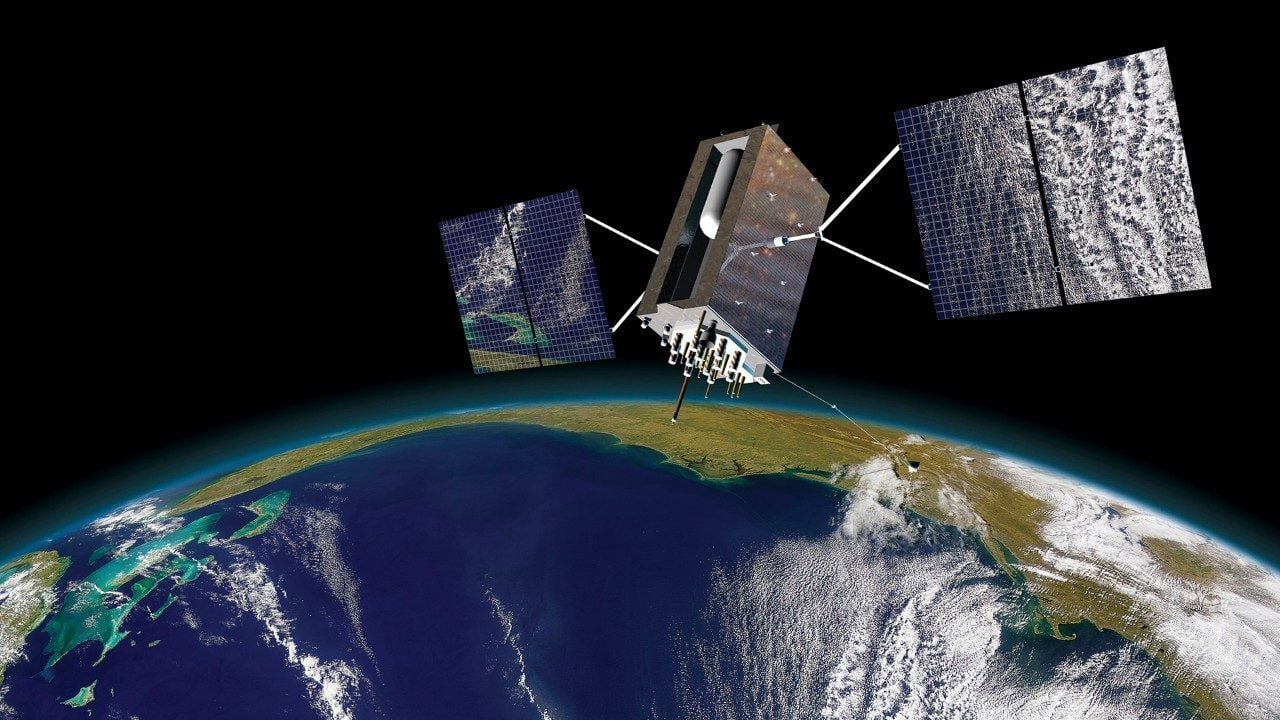
Image
COSMOS 1742 Satellite Image
Additional Sources
Launch Details

Launch Date

May 14, 1986

Launch Site

PLMSC

Launch Pad

LC16/2

Launch Vehicle

Soyuz-U

Orbital Elements

NORAD ID

16717

International Designator

1986-033A

Decay Date

5/28/1986

Basic Satellite Info

Name

COSMOS 1742

Alternative Name

Kosmos-1742

Type

Payload

Status

Decayed

Owner

UNKS

Country

USSR

Constellation

N/A

Related Satellites

Major Events

N/A

Summary
COSMOS 1742, also known as Kosmos-1742, is a reconnaissance satellite equipped for photographic film return missions launched by the Soviet Union on May 14, 1986, from the Plesetsk Launch Site using a Soyuz-U launch vehicle. The spacecraft has a length of 6 meters and a diameter of 2.2 meters with a span of 6 meters. It operates on batteries for power and has a dry mass of 2655 kg, which is also its launch mass. Equipped with the Oblik No. 329 payload, COSMOS 1742 uses motors 11D82M and S5.120 (maneuver module) for propulsion. The satellite's shape consists of a sphere plus a DCone configuration, manufactured by TSSKB for reconnaissance purposes.
Physical Characteristics

Length

6

Diameter

2.2

Span

6

Dry Mass

2655

Launch Mass

2655

Shape

Sphere + DCone

Radar Cross Section

Unknown

Visual Magnitude

Unknown

Color

Unknown

Material Composition

Unknown

Technical Details

Payload

Oblik No. 329

Purpose

Reconnaissance, photo (film return type)

Mission

Reconnaissance, photo (film return type)

Manufacturer

TSSKB

Life Expectancy

Unknown

Bus

Oblik

Configuration

Zenit bus

Motor

11D82M; S5.120 (maneuver module)

Equipment

Unknown

Power System

Batteries

ADCS

Unknown

Transmitter Frequency

Unknown

Satellite Articles

View All Posts »

Learn more about satellites and other related topics.

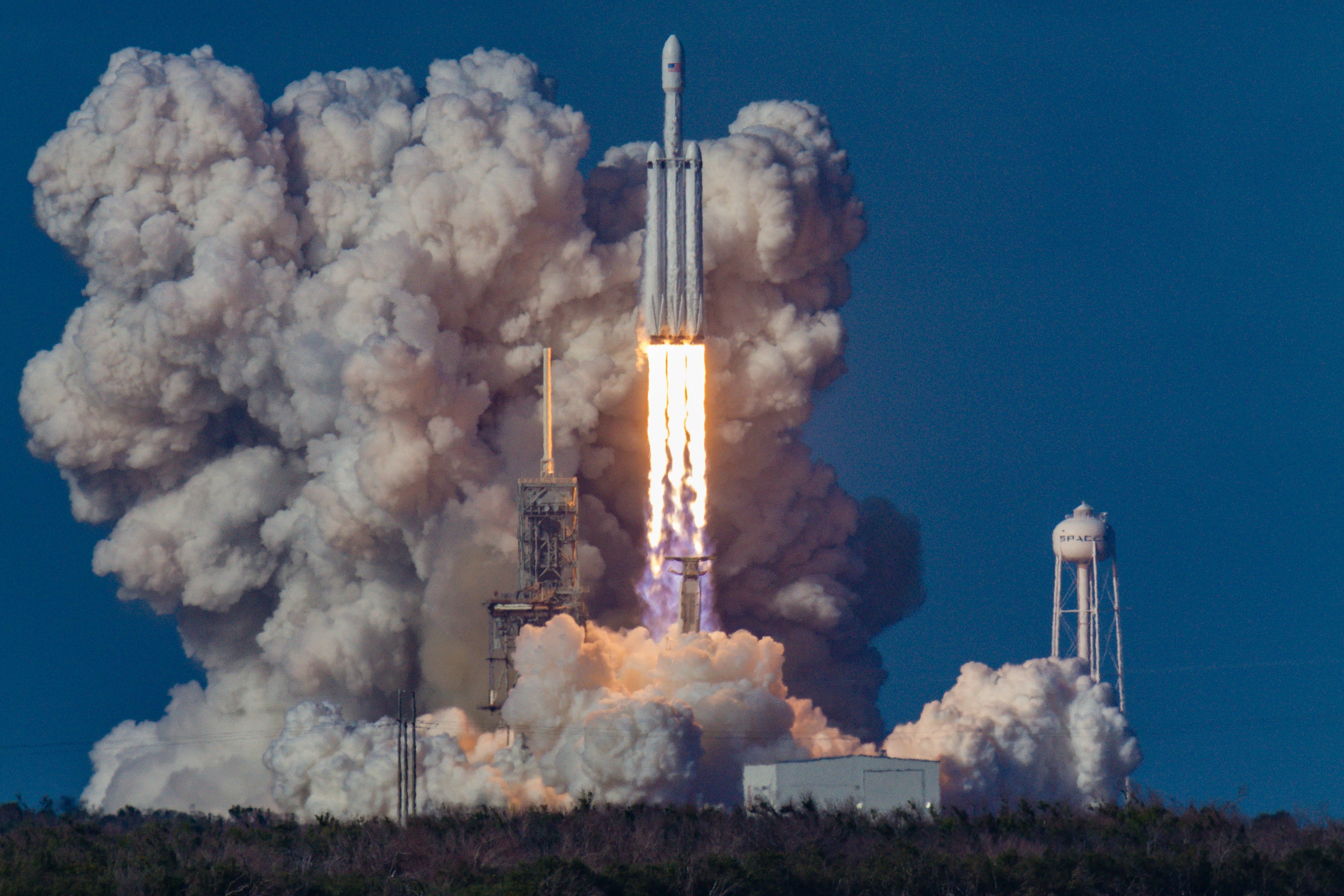
Falcon Heavy Returns | A Six-Ton Bet on Geostationary Broadband

Falcon Heavy Returns | A Six-Ton Bet on Geostationary Broadband

Falcon Heavy flew for the first time in eighteen months on April 29, 2026, expending its center core to push Viasat's final ViaSat-3 satellite toward geostationary orbit. The mission is a flagship rocket doing what only it can still do, for an operator betting six tons of high-throughput hardware on a market Starlink is rapidly redefining.
Space Brief 25 Feb 2025

Space Brief 25 Feb 2025

Today's Space Brief covers imminent launches, new developments in space technology, and strategic military contributions to satellite defense systems.

Blue Origin's New Glenn Destroyed in Static Fire Test at Cape Canaveral | KeepTrack Space Brief

Blue Origin's New Glenn Destroyed in Static Fire Test at Cape Canaveral | KeepTrack Space Brief

Blue Origin's fourth New Glenn rocket exploded during static fire at LC-36, Cape Canaveral, destroying the fully stacked vehicle and pad infrastructure. Amazon Leo launch postponed indefinitely.

Falcon Heavy Returns After 18-Month Hiatus, Lofts ViaSat-3 F3 | KeepTrack X Report

Falcon Heavy Returns After 18-Month Hiatus, Lofts ViaSat-3 F3 | KeepTrack X Report

Falcon Heavy completed its 12th flight ever on April 29, ending an 18-month stand-down by lofting the 6-ton ViaSat-3 F3 comsat to GTO.

Space Brief 17 Jan 2025

Space Brief 17 Jan 2025

Today's brief covers developments involving Space Force officials, Sierra Space's satellite milestone, and Voyager Space's rebranding for national security focus. Additionally, we spotlight the Cosmos 447 satellite.

Artemis 2 Crew Reaches Moon, NASA Cuts Budget 25% | KeepTrack Space Brief

Artemis 2 Crew Reaches Moon, NASA Cuts Budget 25% | KeepTrack Space Brief

Artemis 2's four astronauts entered lunar sphere of influence April 6, first crewed arrival since Apollo 17. NASA simultaneously proposed 25% budget cut for FY2027.

Space Brief 12 May 2025

Space Brief 12 May 2025

Today's brief covers key industry movements in space logistics and satellite production, including Rocket Lab's new U.S. Air Force contract, Sierra Space's strides in GPS technology, and more.

Pentagon Pulls the Plug on GPS OCX | The $8 Billion Ground System That Never Worked

Pentagon Pulls the Plug on GPS OCX | The $8 Billion Ground System That Never Worked

On April 17, 2026, the U.S. Space Force officially cancelled the Next Generation Operational Control System after sixteen years of development, cost overruns, and testing failures. The $8 billion program was supposed to unlock the military's encrypted GPS signal. Instead, the satellites are flying with capabilities the ground can't command.