


Space Force Awards $3.2B for Orbital Missile Interceptors | KeepTrack Space Brief
Space Force awards $3.2 billion to 12 companies for Golden Dome boost-phase missile interceptor prototypes. Initial operational capability targeted for 2028.



Launch Date
April 15, 1986
Launch Site
PLMSC
Launch Pad
LC16/2
Launch Vehicle
Soyuz-U
NORAD ID
16694
International Designator
1986-029C
Decay Date
12/14/1986
Name
COSMOS 1740 DEB
Alternative Name
KDU part
Type
Status
Owner
UNKS
Country
USSR
Constellation
N/A
Related Satellites
Major Events
N/A
Length
0
Diameter
0
Span
0
Dry Mass
0
Launch Mass
0
Shape
N/A
Radar Cross Section
1.18
Visual Magnitude
Unknown
Color
Unknown
Material Composition
Unknown
Payload
KDU part
Purpose
Unknown
Mission
Unknown
Manufacturer
TSSKB
Life Expectancy
Unknown
Bus
Zenit deb
Configuration
Unknown
Motor
Unknown
Equipment
Unknown
Power System
Unknown
ADCS
Unknown
Transmitter Frequency
Unknown
Learn more about satellites and other related topics.
Space Force awards $3.2 billion to 12 companies for Golden Dome boost-phase missile interceptor prototypes. Initial operational capability targeted for 2028.

Today's highlights include new ESA Euclid data, upcoming Blue Origin flight, and multiple Starlink launches, delivering fresh satellite tracking opportunities.
ESA-China SMILE spacecraft successfully launched from Kourou to image Earth's magnetosphere. First continuous global views of solar wind interaction now in orbit.
Hanwha Systems in talks with MDA Space and Telesat for South Korean defense satellite constellation. SpaceX preps GPS satellite launch for Space Force. Seismic networks now track space junk reentry.
Lt. Gen. Doug Schiess nominated to lead Space Force, becoming the third Chief of Operations since the service's 2019 founding. Pentagon clears 8 firms for classified AI access.

Today's Space Brief covers SpaceX's recent launch for OneWeb, advances in remote-control robots for lunar missions, the power loss of Intelsat 33e, and developments in inflatable space habitats.

SpaceX makes headlines with record-breaking launch operations, while plans for an IPO signal major changes in the company's trajectory and could inspire industry-wide movements.
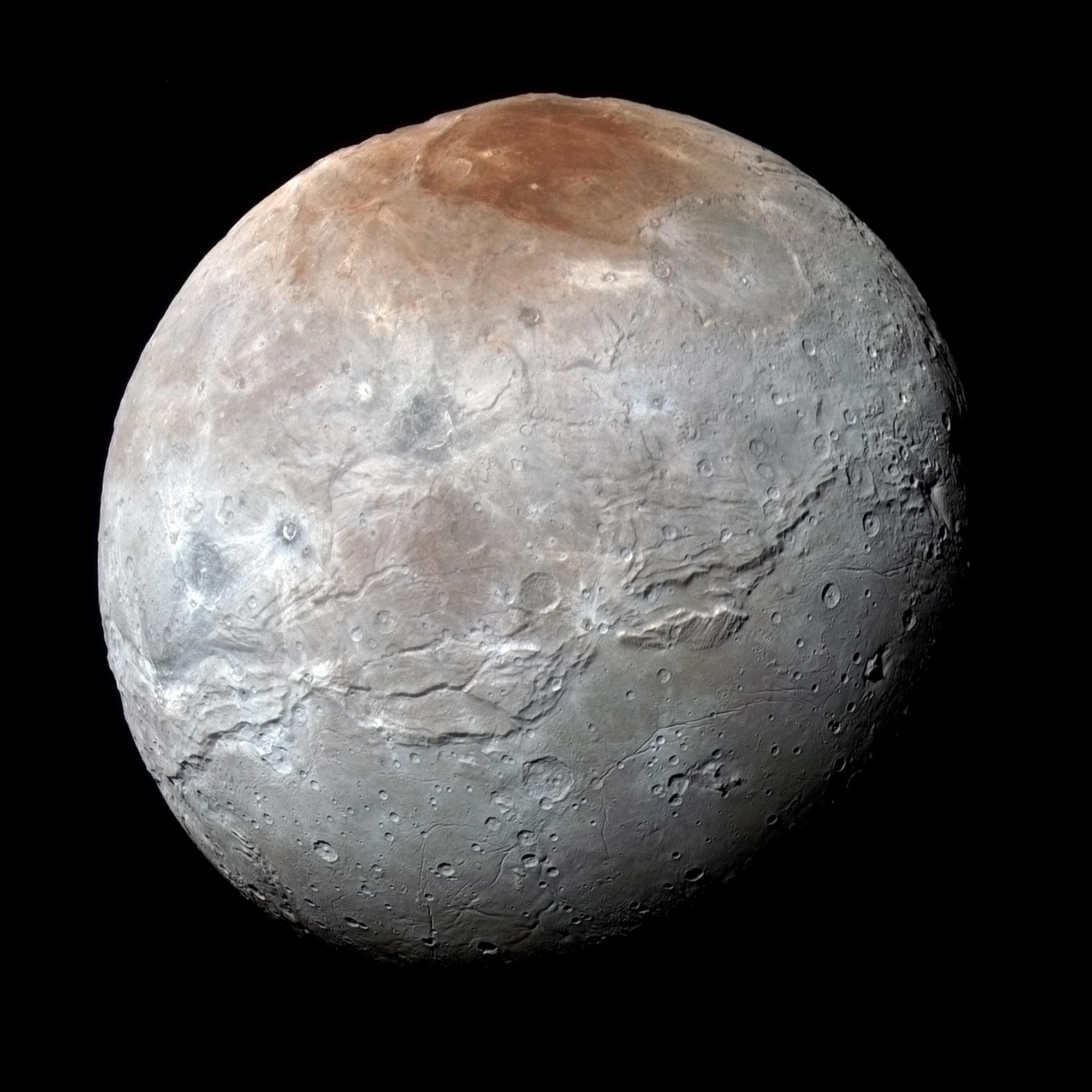
On 22 June 1978, an astronomer at the U.S. Naval Observatory looked at photographic plates that had been stamped 'image defective' and noticed a small bump on the side of Pluto. The bump was a moon, and finding it finally let astronomers weigh a planet that had fooled them for half a century.