COSMOS 1741 (16681)

COSPAR: 1986-030A | Alt Name: Kosmos-1741

Image
COSMOS 1741 Satellite Image
Additional Sources
Launch Details

Launch Date

April 17, 1986

Launch Site

PLMSC

Launch Pad

LC132/1

Launch Vehicle

Kosmos 11K65M

Orbital Elements

NORAD ID

16681

International Designator

1986-030A

Epoch

Sat, 04 Jul 2026 05:35:34 GMT

Apogee

Calculating...

Perigee

Calculating...

Inclination

74.02°

Right Ascension

16.48°

Eccentricity

Calculating...

Argument of Perigee

293.66°

Period

100.42 min

Mean Motion

14.34 rev/day

Latitude

Calculating...

Longitude

Calculating...

Altitude

Calculating...

Velocity

Calculating...

Polar Plot
3D Visualization
Basic Satellite Info

Name

COSMOS 1741

Alternative Name

Kosmos-1741

Type

Payload

Status

Unknown

Owner

GUKOS

Country

USSR

Constellation

N/A

Related Satellites

Major Events

N/A

Latest TLEs
1 16681U 86030A   26185.23303423  .00000127  00000-0  54807-4 0  9999
2 16681  74.0237  16.4843 0019626 293.6559  66.2532 14.33937472101656

Source: Celestrak

Summary
COSMOS 1741, also known as Kosmos-1741, is a military communication satellite launched on April 17, 1986, from the Plesetsk Cosmodrome LC132/1 launch pad using the Kosmos 11K65M launch vehicle. The spacecraft measures 3 meters in length and has a diameter of 2 meters with a span of 3 meters. It carries the Strela-2M payload, designated as No. [48], designed for military communication and store dump operations. COSMOS 1741 was manufactured by NPOPM and is owned by GUKOS (Glavnoye Upravleniye Kosmicheskikh Sistem). The satellite has a dry mass of 800 kg, the same as its launch mass, and is powered by solar cells and batteries. It has a radar cross-section (RCS) of 1.8549 and is cylindrical in shape. Its operational lifetime was estimated to be around 6 months.
Physical Characteristics

Length

3

Diameter

2

Span

3

Dry Mass

800

Launch Mass

800

Shape

Cyl

Radar Cross Section

1.8549

Visual Magnitude

Unknown

Color

Unknown

Material Composition

Unknown

Technical Details

Payload

Strela-2M No. [48]

Purpose

Military Communication, store dump

Mission

Military Communication, store dump

Manufacturer

NPOPM

Life Expectancy

6 months

Bus

Strela-2M

Configuration

Unknown

Motor

Unknown

Equipment

Unknown

Power System

Solar cells, batteries

ADCS

Unknown

Transmitter Frequency

Unknown

Map
This tool will help you track the satellite's position and predict its upcoming passes over your location. Simply input the coordinates or click the geolocation button to get started.
Next Pass
Azimuth Elevation Time (Local)
Start Azimuth
Max Elevation
Stop Azimuth
Time Until
Pass Duration

Satellite Articles

View All Posts »

Learn more about satellites and other related topics.

Congress Passes FY2026 Bill Reinstating NASA Funding, Slingshot Wins $27M AI Contract | KeepTrack Space Brief

Congress Passes FY2026 Bill Reinstating NASA Funding, Slingshot Wins $27M AI Contract | KeepTrack Space Brief

Congress passes FY2026 spending bill reinstating NASA funding. Slingshot Aerospace wins $27M Space Force contract for AI satellite training. Portal Space selects Atomic-6 debris shield for 2026 mission.

Space Force Eyes 1,000 Launches by 2031, New Site Required | KeepTrack Space Brief

Space Force Eyes 1,000 Launches by 2031, New Site Required | KeepTrack Space Brief

Space Force projects ~1,000 launches between FY2027–FY2031, averaging 200 annually. DAF study concludes new launch site is "probably" required to absorb cadence.

Space Brief 25 Oct 2025

Space Brief 25 Oct 2025

Today's brief covers significant growth forecasts for global defense satellite communications, the integration of hypersonic missiles, cyber authority expansion in the Army, and more pivotal military developments.

Shotwell Details xAI Power Pledge at White House | KeepTrack X Report

Shotwell Details xAI Power Pledge at White House | KeepTrack X Report

SpaceX President Gwynne Shotwell joined Trump at the White House to outline xAI's energy commitment, while Transporter-18 targets October 2026 launch.

Sally Ride and the Twenty Years It Took America to Catch Up

Sally Ride and the Twenty Years It Took America to Catch Up

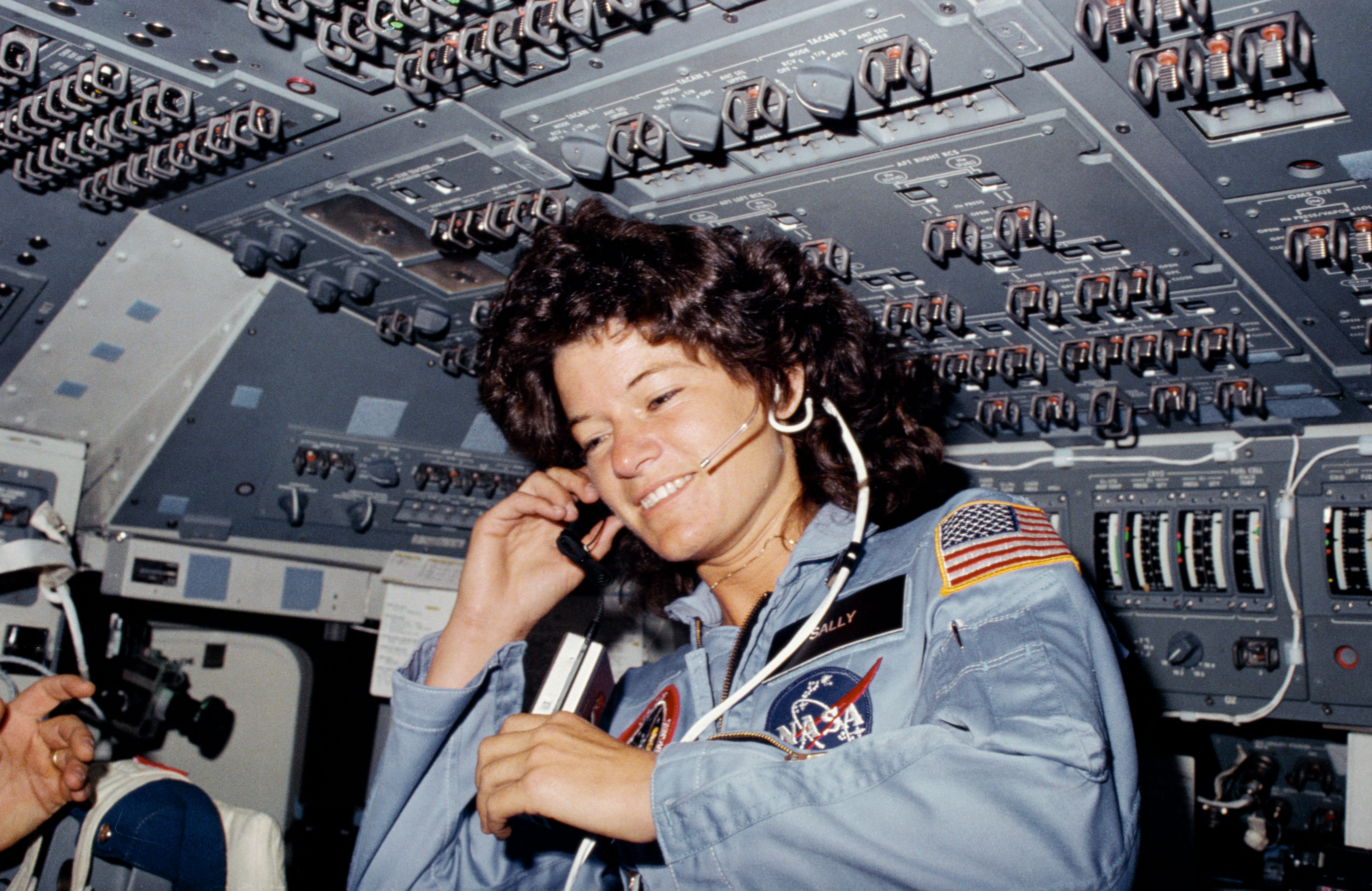
At 7:33 on the morning of 18 June 1983, a 32-year-old astrophysicist named Sally Ride rode Challenger off Pad 39A and became the first American woman in space. She got there two decades after the Soviets, and only after months of being asked whether spaceflight would damage her reproductive organs and whether she planned to cry.

X Report 28 Dec 2025

X Report 28 Dec 2025

SpaceX scrubs a launch due to ground system issues while continuing its ambitious deployment of Starlink satellites.

X Report 29 Nov 2024

X Report 29 Nov 2024

SpaceX advances Starship development while planning future replacements for Falcon and Dragon.

Space Brief 21 Sep 2025

Space Brief 21 Sep 2025

Today's Space Brief covers a significant signals intelligence launch, a record-breaking satellite deployment in China, a glimpse into the newest stealth drone, a potential delay for NASA's lunar lander, and more exciting updates from satellite world.