


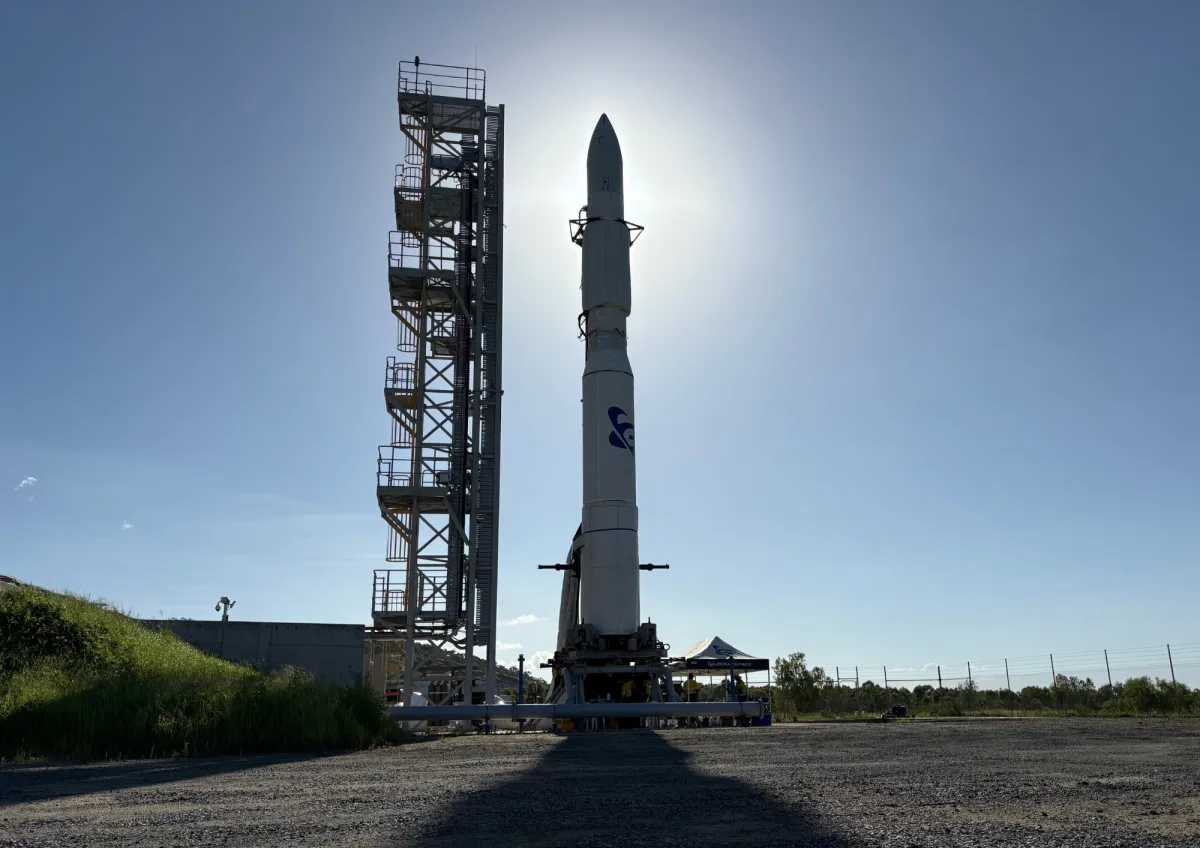
Space Brief 6 Mar 2025
Today's brief covers secret Space Force payloads monitoring China's satellites, collaborations reducing satellite tracking delays, and new AI projects for military operations.


Launch Date
January 23, 1986
Launch Site
PLMSC
Launch Pad
LC132/1
Launch Vehicle
Kosmos 11K65M
NORAD ID
16510
International Designator
1986-008A
Epoch
Sat, 04 Jul 2026 03:31:12 GMT
Apogee
Calculating...
Perigee
Calculating...
Inclination
82.95°
Right Ascension
320.43°
Eccentricity
Calculating...
Argument of Perigee
182.92°
Period
104.75 min
Mean Motion
13.75 rev/day
Latitude
Calculating...
Longitude
Calculating...
Altitude
Calculating...
Velocity
Calculating...
Name
COSMOS 1727
Alternative Name
Kosmos-1727
Type
Status
Owner
VMF
Country
USSR
Constellation
N/A
Related Satellites
Major Events
N/A
1 16510U 86008A 26185.14667384 .00000034 00000-0 19918-4 0 9995
2 16510 82.9500 320.4312 0037912 182.9181 350.0507 13.74685857 28011
Source: Celestrak
Length
5
Diameter
2.1
Span
17
Dry Mass
800
Launch Mass
800
Shape
Cyl + Ant
Radar Cross Section
1.4617
Visual Magnitude
Unknown
Color
Unknown
Material Composition
Unknown
Payload
Tsikada
Purpose
Navigation
Mission
Navigation
Manufacturer
OAZ
Life Expectancy
1.5 to 2 years
Bus
KAUR-1 11F643
Configuration
KAUR-1
Motor
Unknown
Equipment
Unknown
Power System
Solar cells, batteries
ADCS
Unknown
Transmitter Frequency
Unknown
Learn more about satellites and other related topics.
Today's brief covers secret Space Force payloads monitoring China's satellites, collaborations reducing satellite tracking delays, and new AI projects for military operations.

Today's brief explores a simulated 'dogfight' in space by Chinese satellites, insights into a cloud platform by Oracle and Singapore's defense agency, and more space-related developments.
Kratos awarded $447 million Space Force contract for Resilient Missile Warning Tracking ground ops center in Medium Earth Orbit, shifting missile detection away from vulnerable GEO satellites.
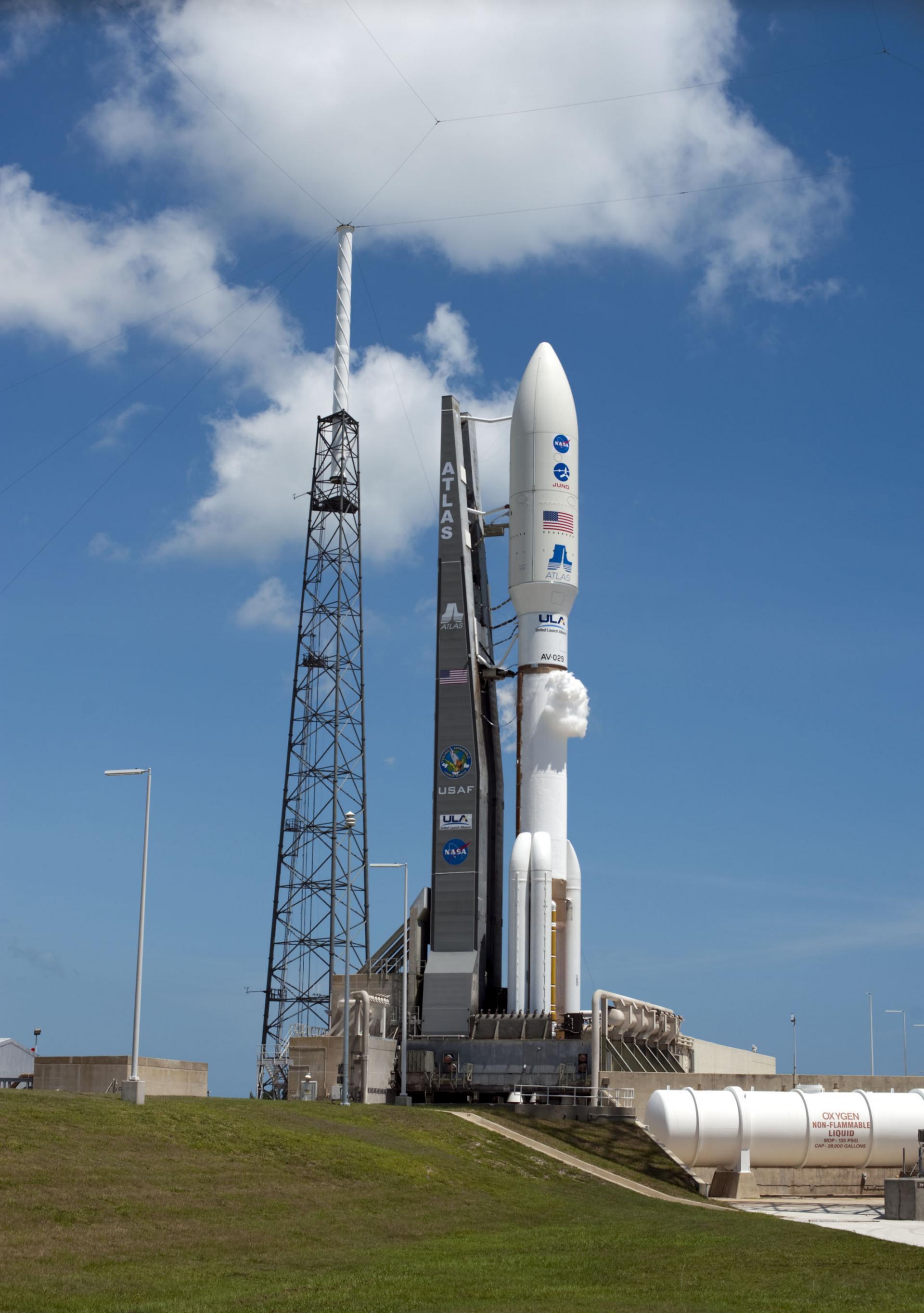
Today's briefing covers a range of critical space industry updates, from Space Force's strategic initiatives to SpaceX's latest launch record and groundbreaking developments in orbital manufacturing.

Space Force contracts Viasat and SES for $437M Protected Tactical Satcom-Global program. Blue Origin clears New Glenn for flights after Flight 3 investigation.
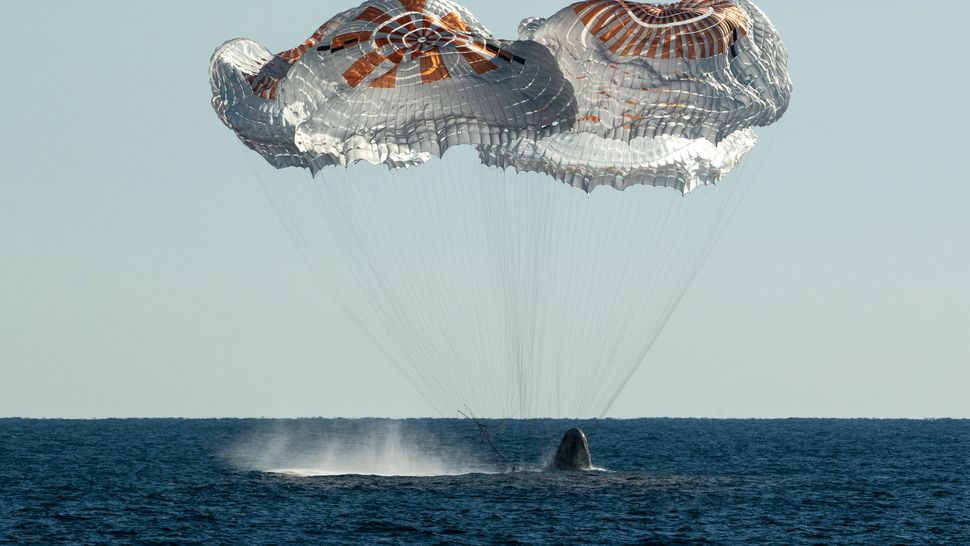
Today's highlights include Crew-8's return amid weather delays, new space tourism announcements by Deep Blue Aerospace, and Europe's efforts to combat space debris. Plus, another successful SpaceX launch and the ESA backed Zero Debris Charter gains international traction.
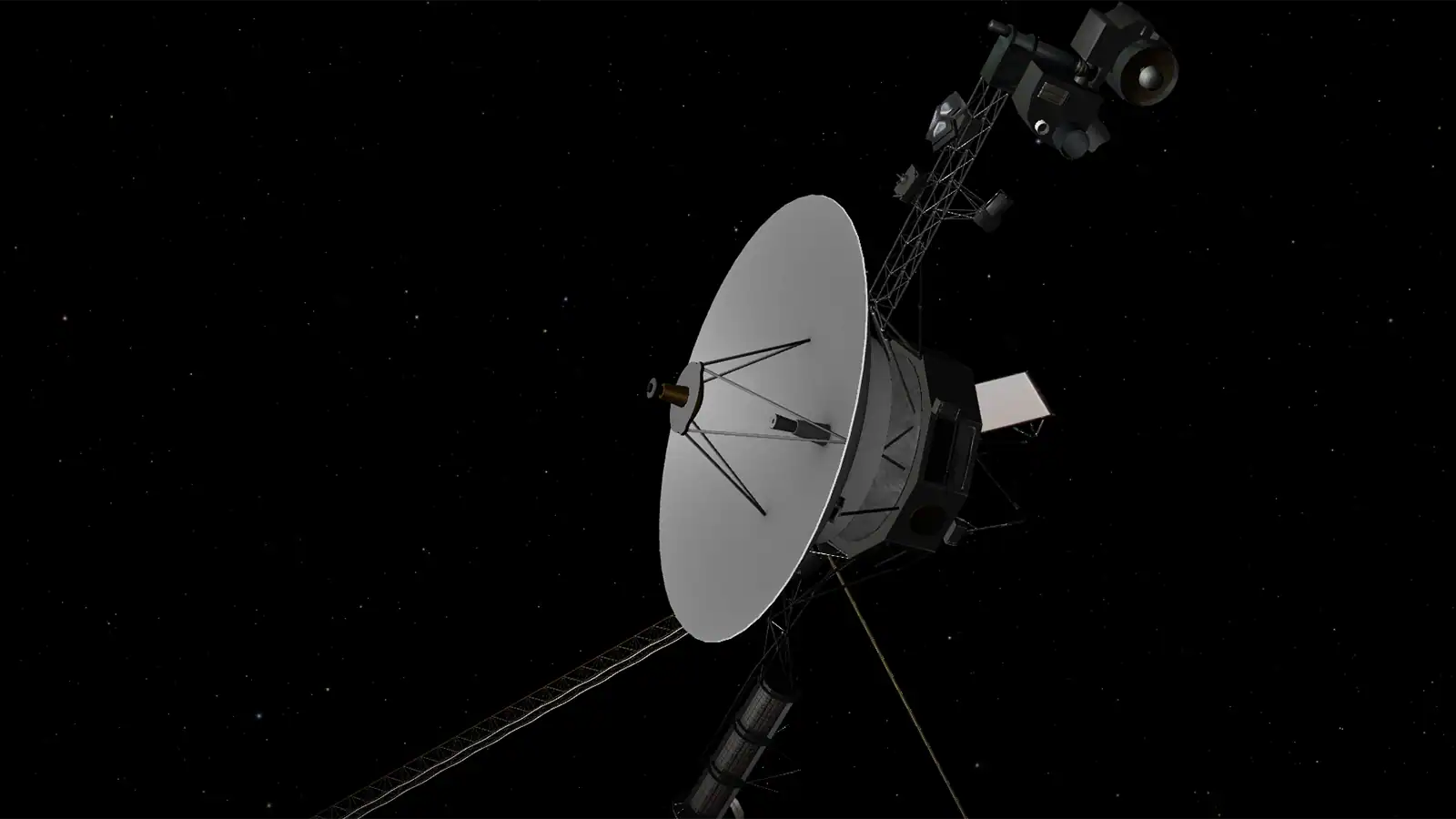
In November 2023, Earth's most distant spacecraft started speaking gibberish. Five months, one dead memory chip, and 30 billion miles of round-trip troubleshooting later, engineers got it talking again - using code written before most of them were born.
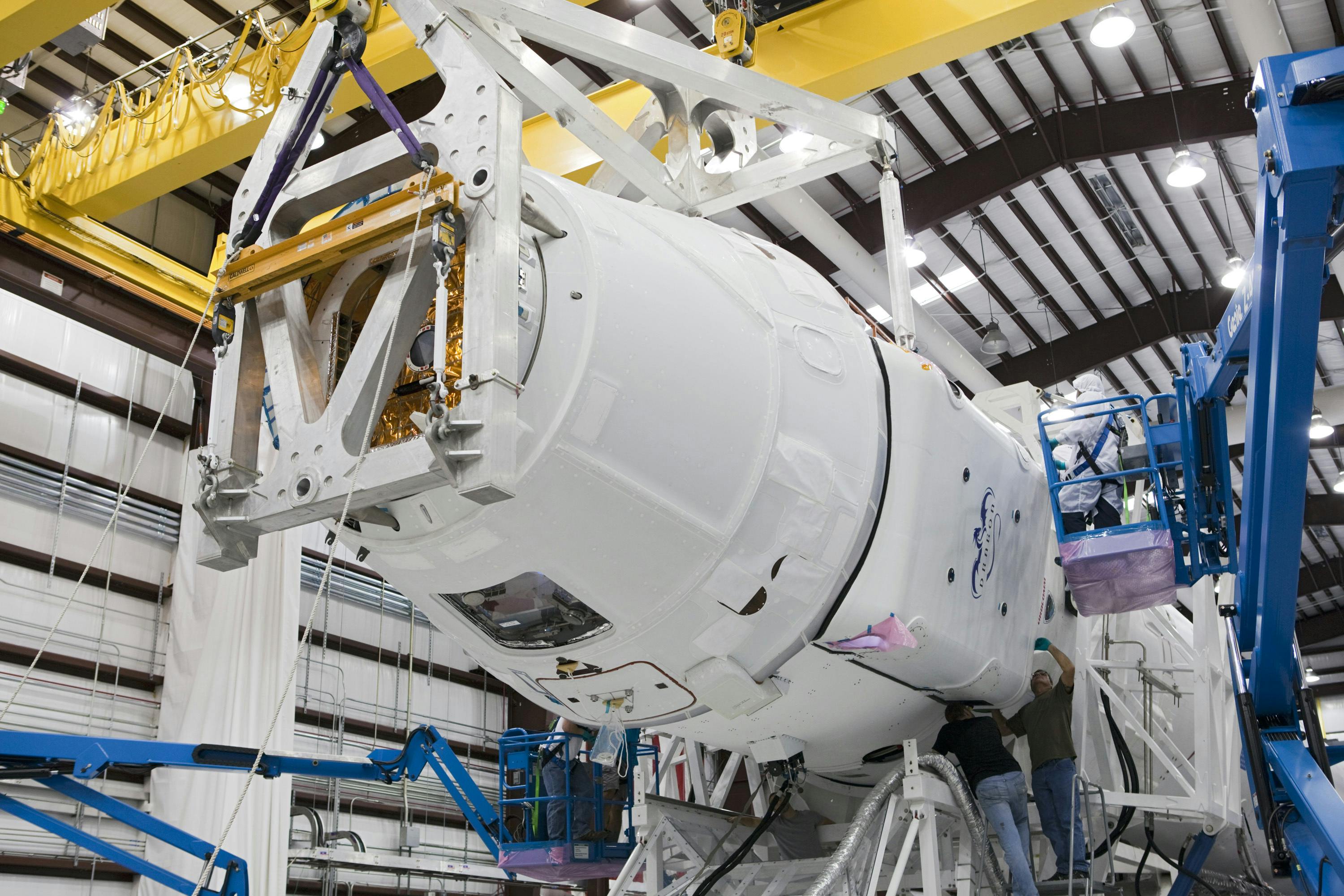
Elon Musk denies Starlink price reductions are driven by Amazon Kuiper competition. SpaceX launches 29 Starlink satellites in 18th constellation mission of 2026. Five more coming this week.