


Space Brief 27 Jun 2025
Today's Space Brief covers potential changes in the procurement strategies for the Space Force, developments in missile detection technology, and budgetary impacts on space programs.


Launch Date
December 28, 1985
Launch Site
Launch Pad
LC45/1
Launch Vehicle
Zenit-2
NORAD ID
16434
International Designator
1985-121A
Decay Date
2/27/1986
Name
COSMOS 1714
Alternative Name
Kosmos-1714
Type
Status
Owner
TSN108
Country
USSR
Constellation
N/A
Related Satellites
Major Events
N/A
Length
4.5
Diameter
1.4
Span
22.7
Dry Mass
3250
Launch Mass
3250
Shape
Cyl + 2 Pan + Ant
Radar Cross Section
190.93
Visual Magnitude
Unknown
Color
Unknown
Material Composition
Unknown
Payload
Tselina-2 No. 3L
Purpose
SIGINT
Mission
SIGINT
Manufacturer
YUZH
Life Expectancy
1 year
Bus
Tselina-2
Configuration
Unknown
Motor
?
Equipment
Unknown
Power System
2 deployable solar arrays, batteries
ADCS
Unknown
Transmitter Frequency
Unknown
Learn more about satellites and other related topics.
Today's Space Brief covers potential changes in the procurement strategies for the Space Force, developments in missile detection technology, and budgetary impacts on space programs.

Space Beyond secures SpaceX rideshare launch slot for October 2027 memorial cubesat mission. Starlink constellation at 11,009 total satellites launched with 9,551 currently on orbit.

Today's key space events include SpaceX's launch of the secretive X-37B military drone, XTAR's U.S. defense market strategy, and China's space station AI upgrade.
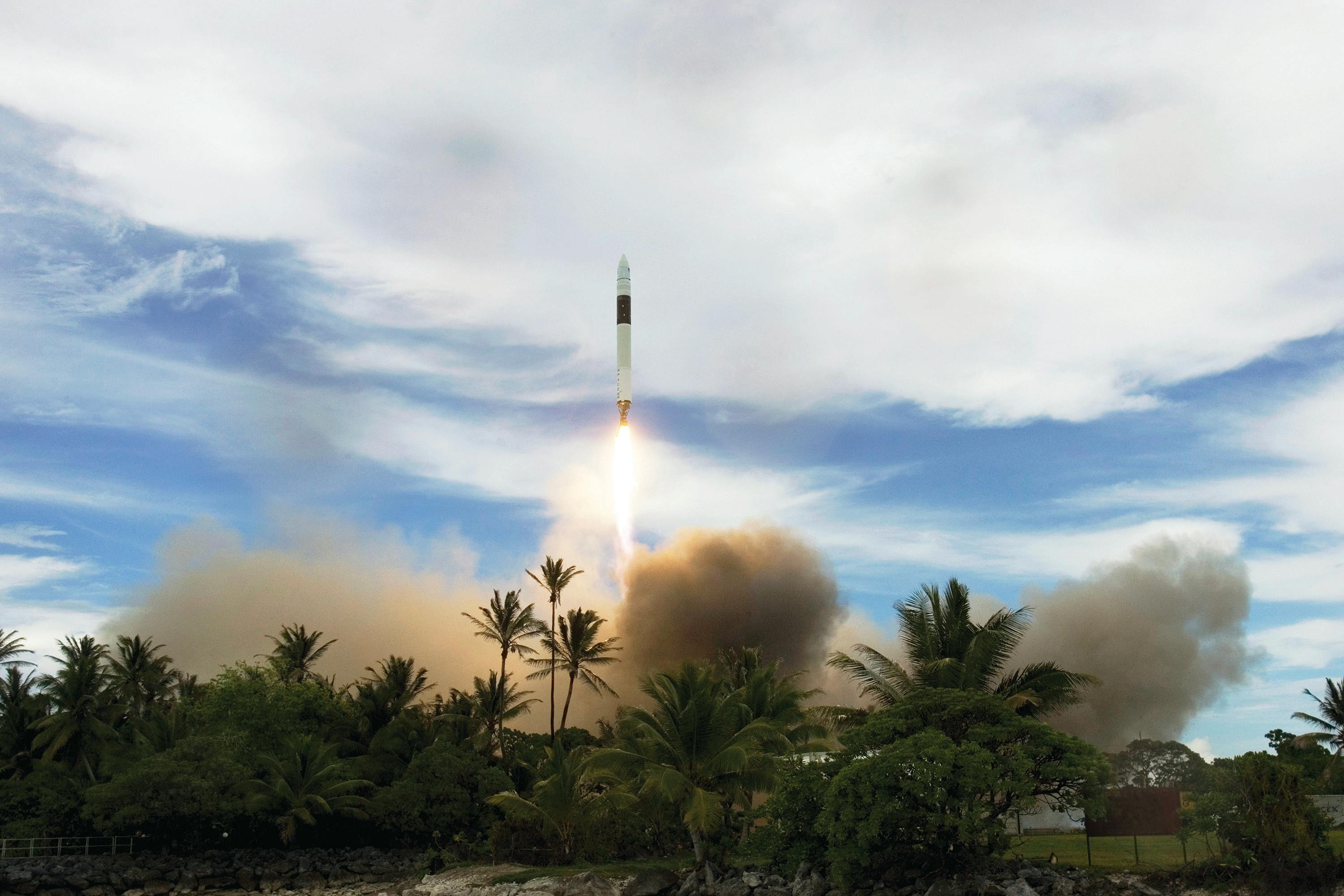
SpaceX Crew-11 made an emergency return from the ISS on Jan. 15 after a medical crisis, spotlighting gaps in space rescue infrastructure.
SpaceX's 2024 launch surge sets global records, with Florida making history in the U.S. Find out how these achievements are shaping the commercial space race.

SpaceX successfully launched the historic Axiom-4 mission to the ISS, marking a significant milestone in private space travel, while also expanding Starlink's reach into Vietnam's healthcare sector.
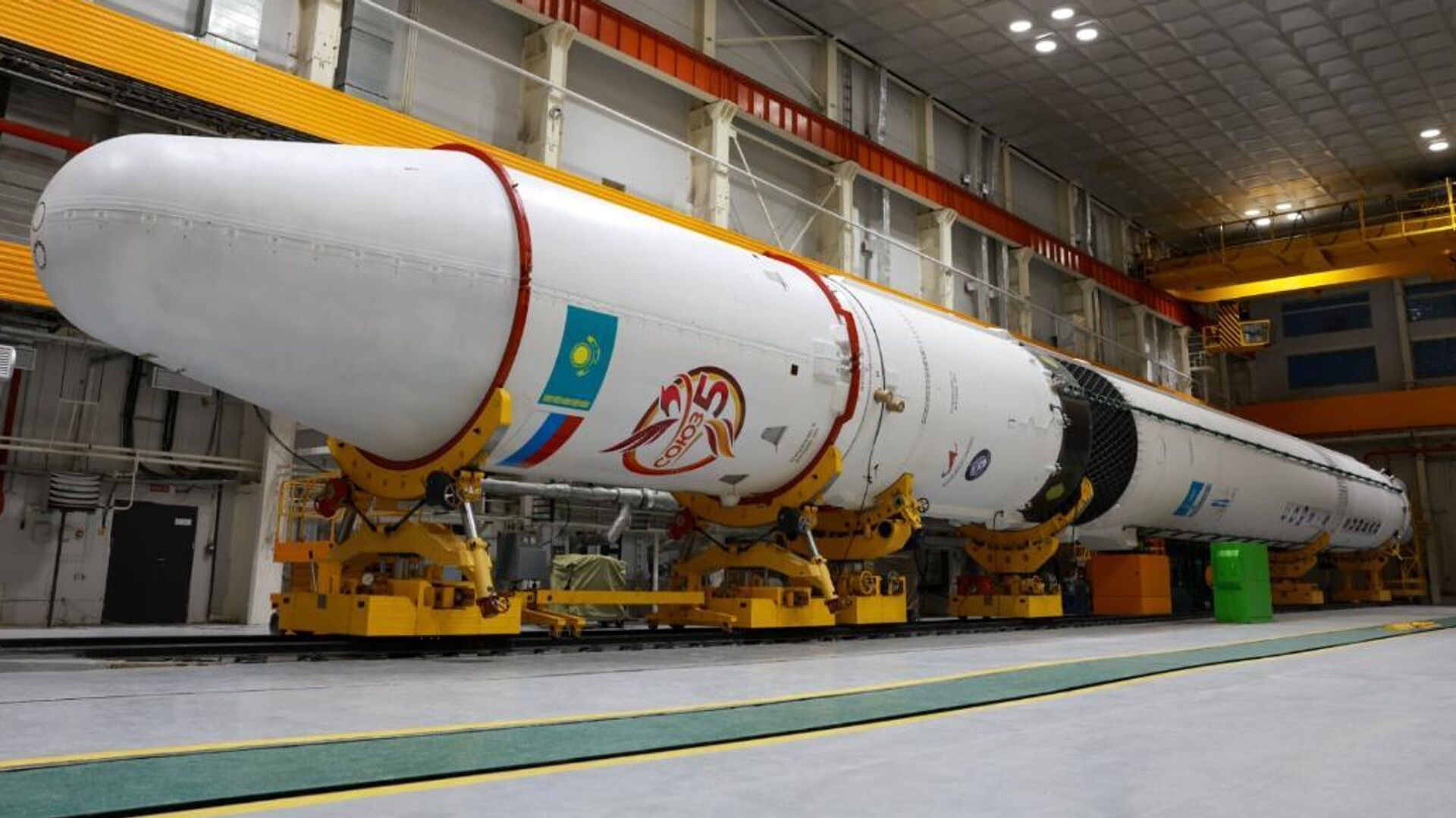
NASA's Artemis 2 launches April 1 with Commander Reid Wiseman and 3 crew members for first crewed lunar flyby since Apollo 17 in 1972.

Today marks a significant milestone as SpaceX successfully launches another batch of Starlink satellites, boosting global connectivity efforts.