


The Day America Reached Orbit
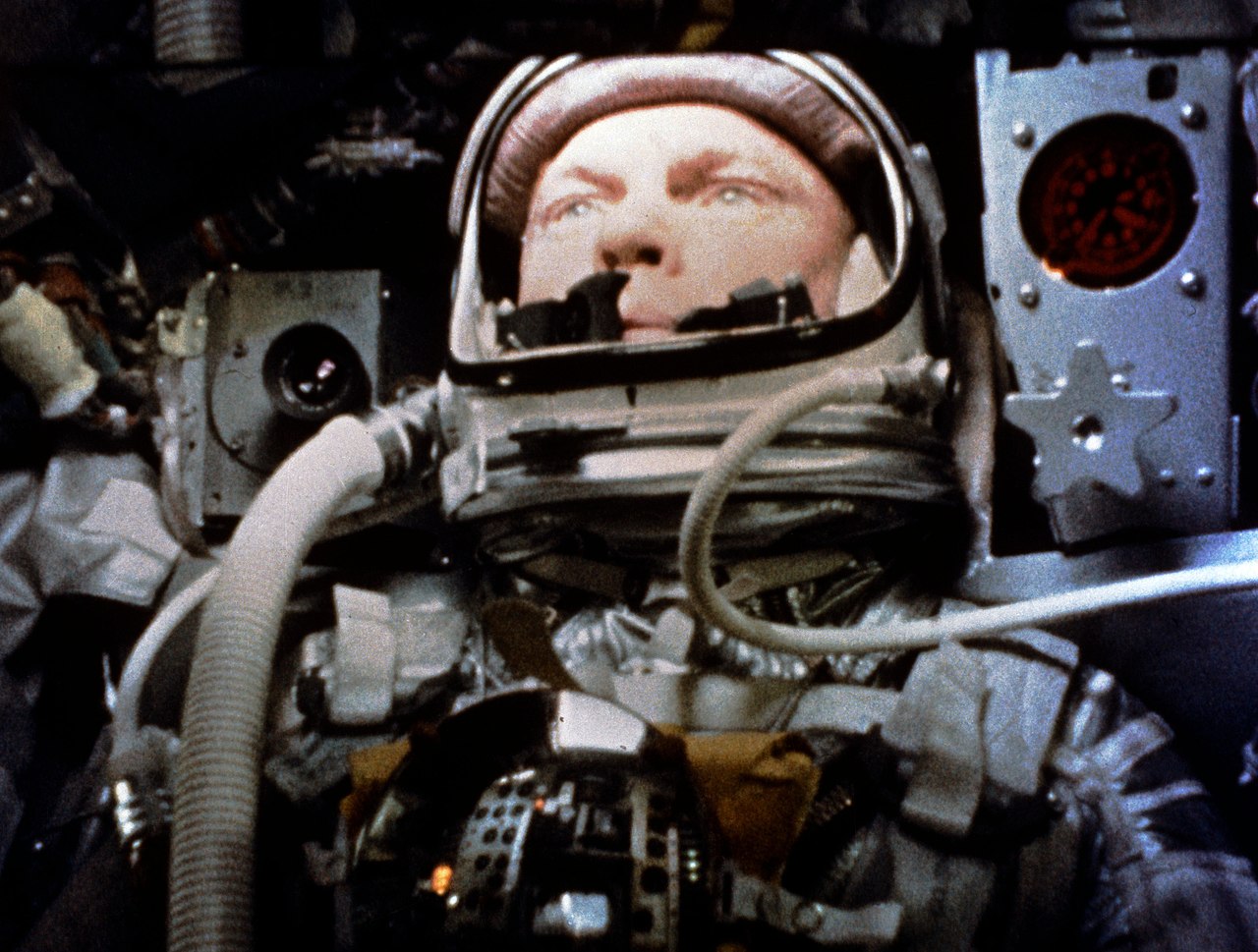
Sixty-three years ago, John Glenn became the first American to orbit Earth, piloting Friendship 7 through three historic orbits that transformed the Space Race



Launch Date
October 22, 1985
Launch Site
Launch Pad
LC45/1
Launch Vehicle
Zenit-2
NORAD ID
16390
International Designator
1985-097D
Epoch
Sat, 04 Jul 2026 06:21:38 GMT
Apogee
Calculating...
Perigee
Calculating...
Inclination
70.97°
Right Ascension
273.95°
Eccentricity
Calculating...
Argument of Perigee
33.76°
Period
104.90 min
Mean Motion
13.73 rev/day
Latitude
Calculating...
Longitude
Calculating...
Altitude
Calculating...
Velocity
Calculating...
Name
SL-16 DEB
Alternative Name
Sep Motor Cover
Type
Status
Owner
GUKOS
Country
USSR
Constellation
N/A
Related Satellites
Major Events
N/A
1 16390U 85097D 26185.26502817 -.00000019 00000-0 21590-4 0 9993
2 16390 70.9749 273.9511 0205429 33.7614 327.6372 13.72745447 37173
Source: Celestrak
Length
0
Diameter
1
Span
1
Dry Mass
1
Launch Mass
1
Shape
Cone
Radar Cross Section
0.0894
Visual Magnitude
Unknown
Color
Unknown
Material Composition
Unknown
Payload
Sep Motor Cover
Purpose
Unknown
Mission
Unknown
Manufacturer
YUZH
Life Expectancy
Unknown
Bus
Sep Motor Cover
Configuration
Unknown
Motor
Unknown
Equipment
Unknown
Power System
Unknown
ADCS
Unknown
Transmitter Frequency
Unknown
Learn more about satellites and other related topics.
Sixty-three years ago, John Glenn became the first American to orbit Earth, piloting Friendship 7 through three historic orbits that transformed the Space Race

Today's Space Brief highlights the latest developments in China's megaconstellation funding, Russia's nuclear posturing in Europe, and other significant military activities.
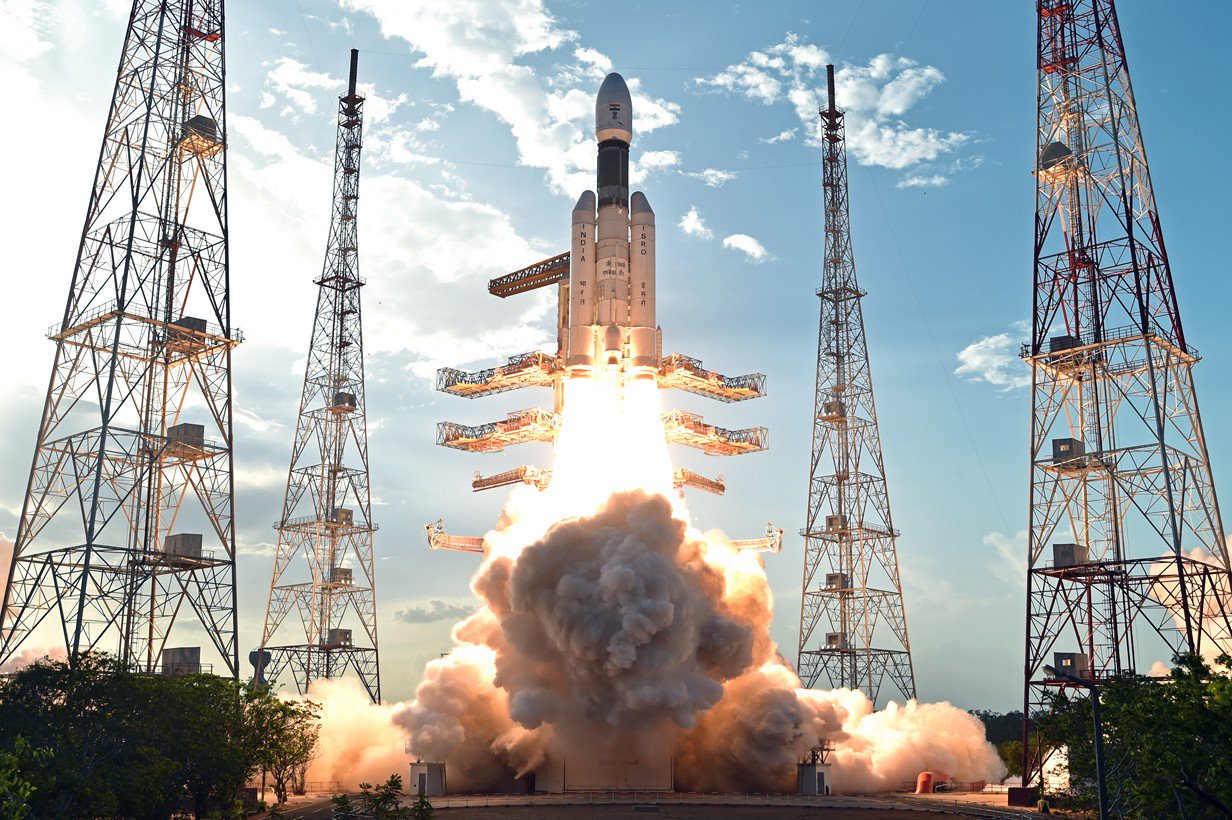
Today's brief covers significant growth forecasts for global defense satellite communications, the integration of hypersonic missiles, cyber authority expansion in the Army, and more pivotal military developments.

Today's brief covers a groundbreaking national security mission for ULA's Vulcan, NASA's collaboration with LeoLabs for enhanced collision avoidance, and SEOPS' new satellite tracking services, among other key developments.
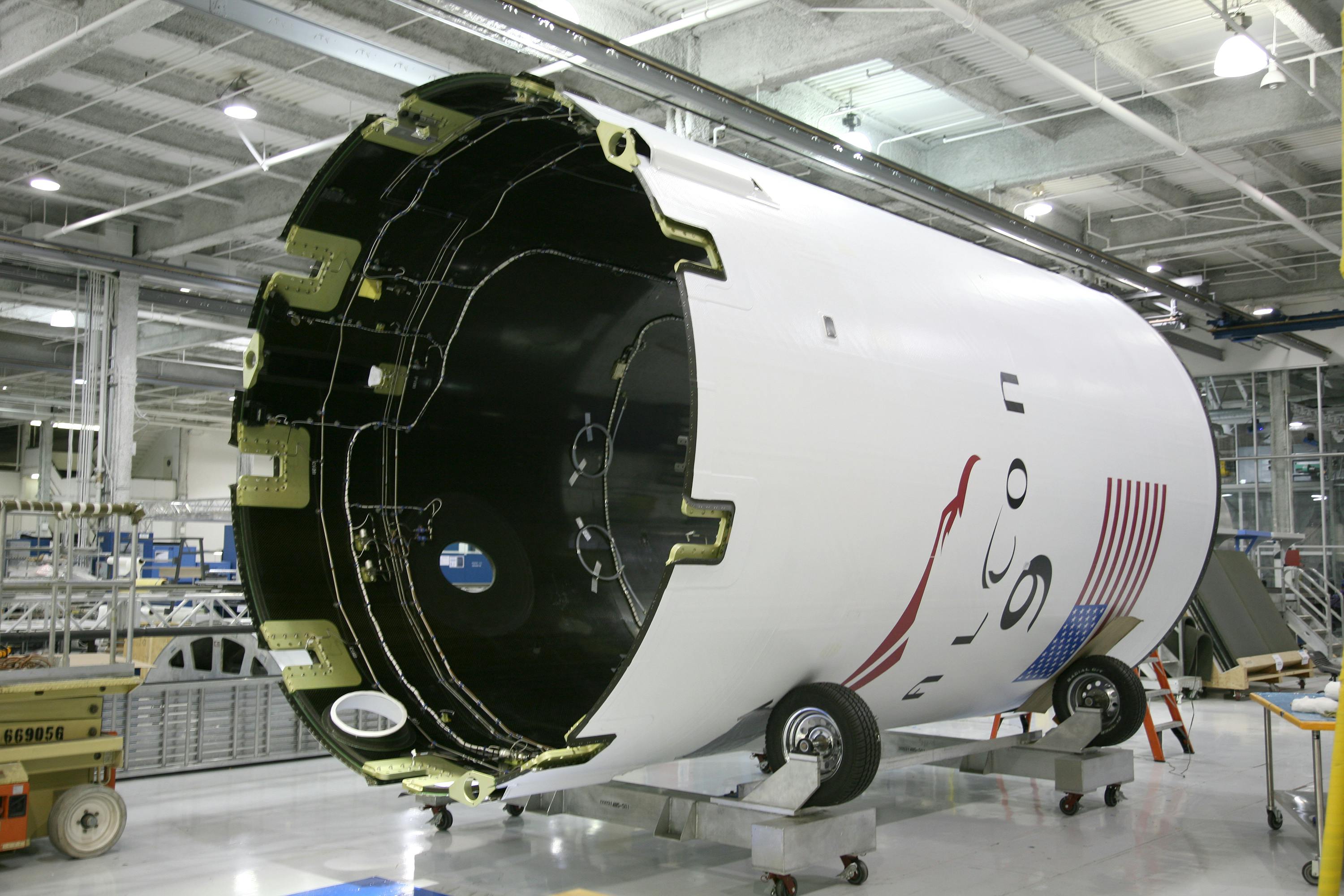
SpaceX flew a Falcon 9 booster for a record 35th time on July 10, deploying 29 Starlink satellites as direct-to-cell tech expands to pet collars.
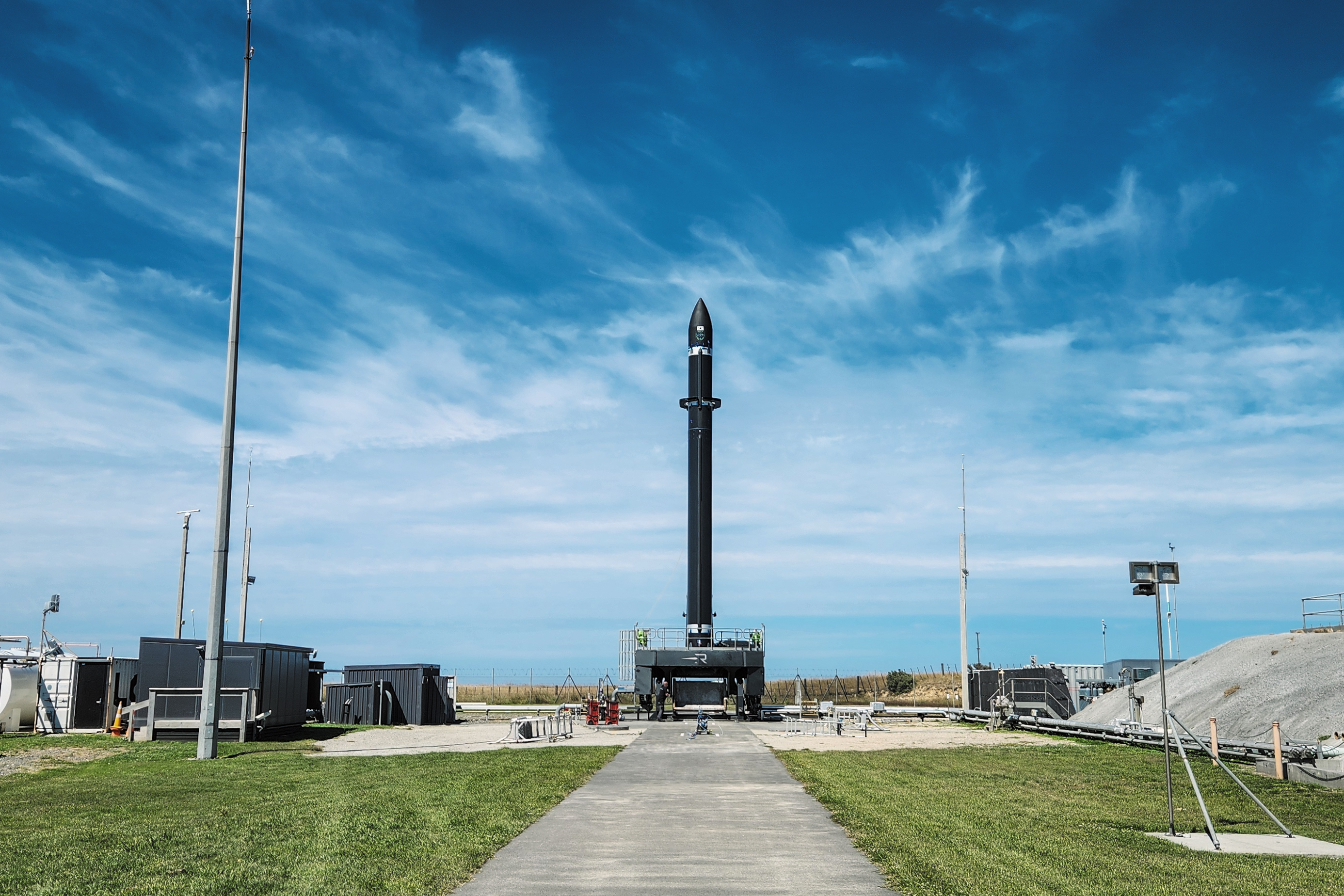
Space Force terminates Resilient GPS satellite program. China successfully tests Long March 12B reusable first stage at Jiuquan. GE and Lockheed validate detonation ramjet for hypersonic missiles.
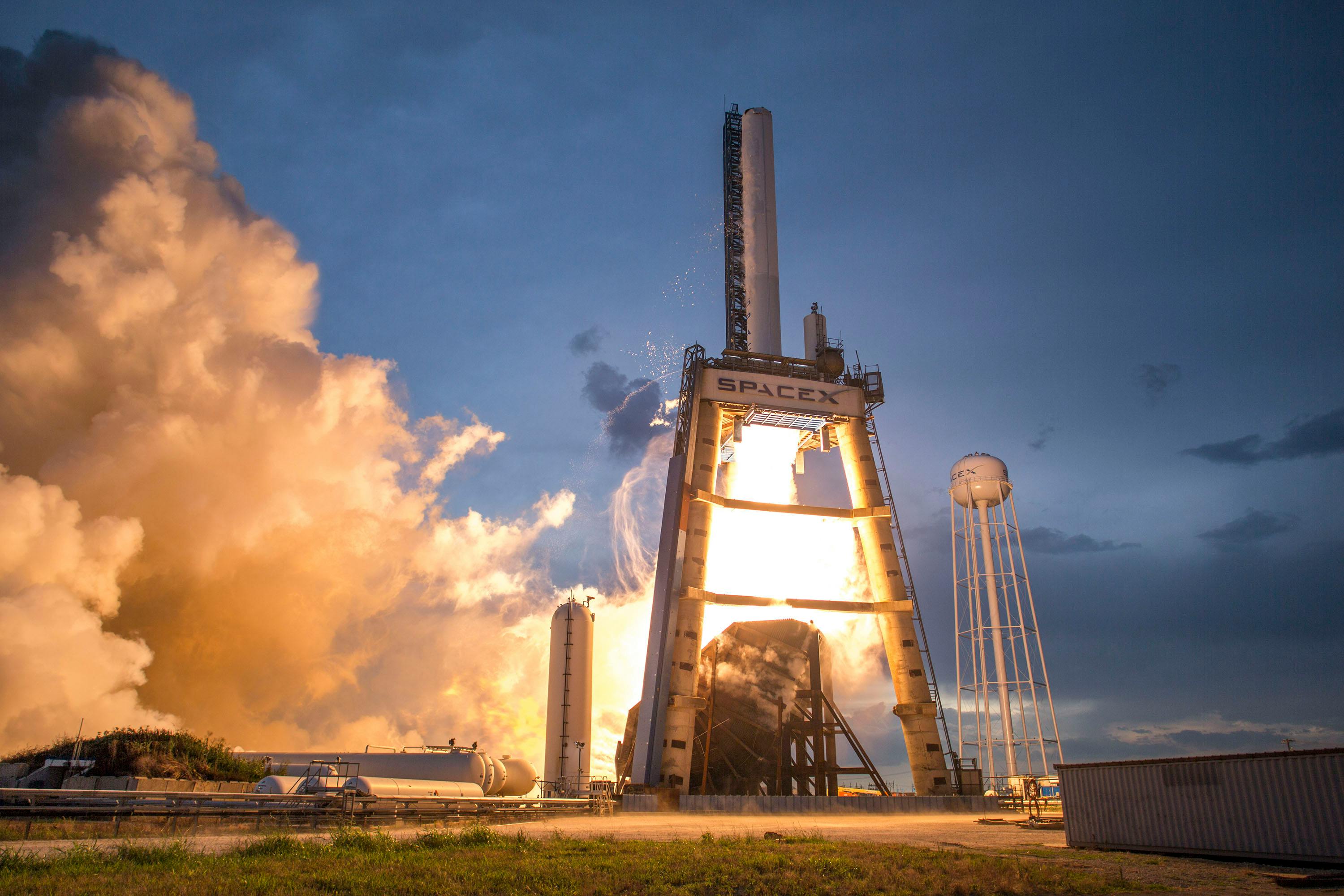
SpaceX successfully launched 19 Starlink satellites from California amidst a weather-related scrub of the Crew-11 mission to the ISS, showcasing the company’s focus on expanding its satellite constellation while overcoming operational challenges.
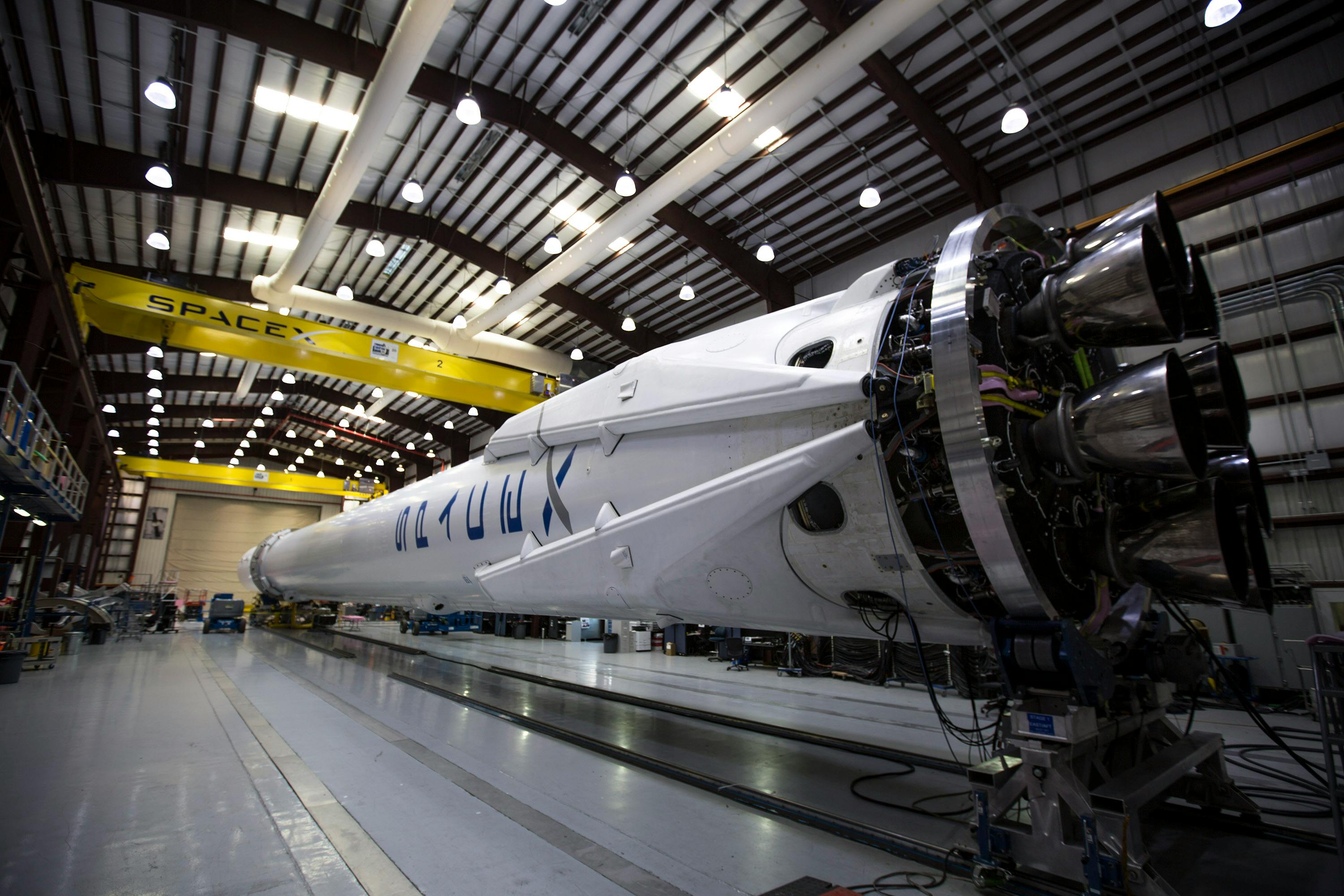
Today, SpaceX faced delays in launching the Ax-4 mission due to a booster leak, while Starlink made strides towards launching in India with new telecom license approval.