

X Report 25 Apr 2025
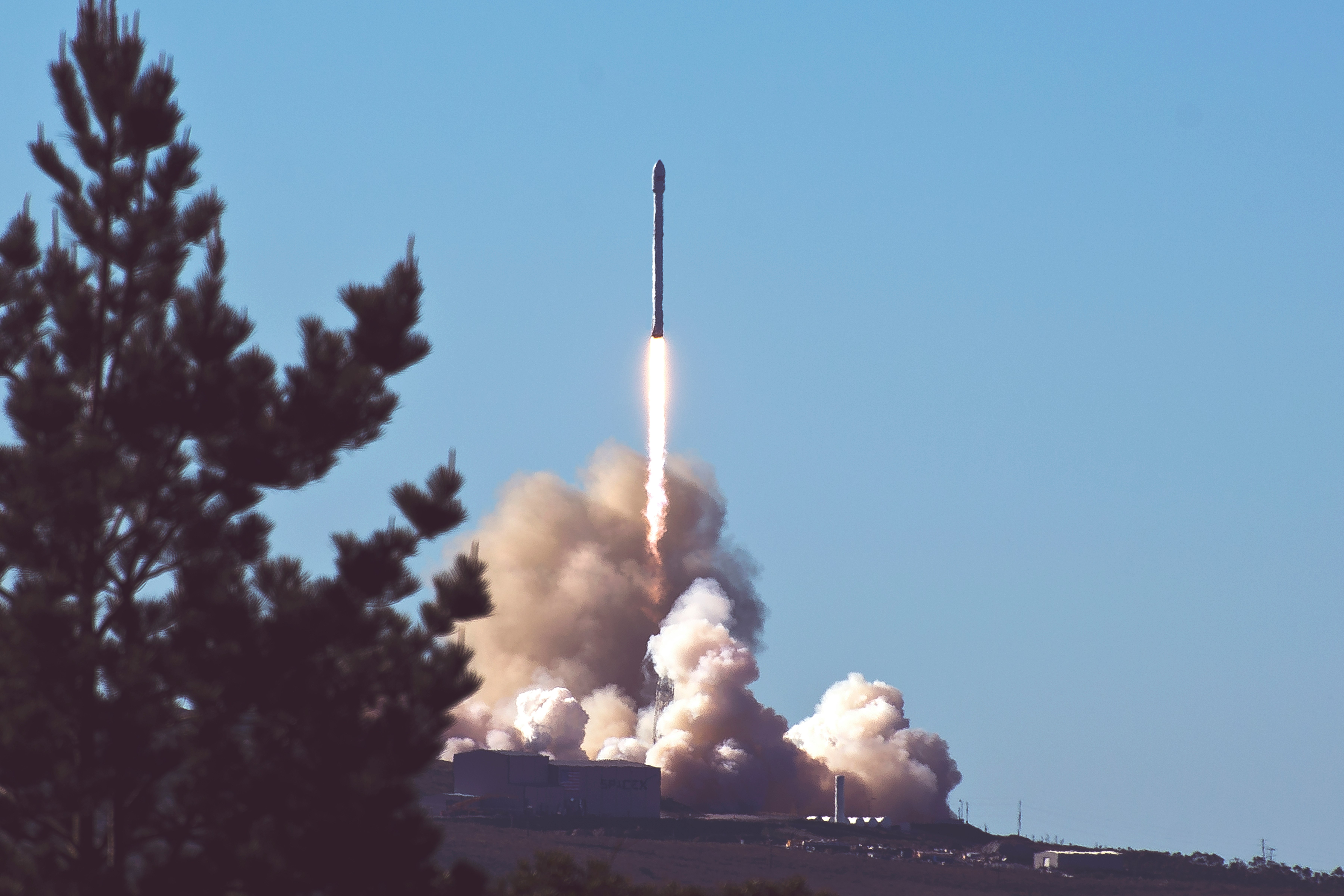
SpaceX launches Starlink satellites successfully, while Starbase inches closer to city status and business discussions intensify.



Launch Date
December 3, 1985
Launch Site
PLMSC
Launch Pad
LC16/2
Launch Vehicle
Soyuz-U
NORAD ID
16358
International Designator
1985-111J
Decay Date
12/22/1985
Name
COSMOS 1705 DEB
Alternative Name
KDU part
Type
Status
Owner
GUKOS
Country
USSR
Constellation
N/A
Related Satellites
Major Events
N/A
Length
0
Diameter
0
Span
0
Dry Mass
0
Launch Mass
0
Shape
N/A
Radar Cross Section
0.46
Visual Magnitude
Unknown
Color
Unknown
Material Composition
Unknown
Payload
KDU part
Purpose
Unknown
Mission
Unknown
Manufacturer
TSSKB
Life Expectancy
Unknown
Bus
Zenit deb
Configuration
Unknown
Motor
Unknown
Equipment
Unknown
Power System
Unknown
ADCS
Unknown
Transmitter Frequency
Unknown
Learn more about satellites and other related topics.
SpaceX launches Starlink satellites successfully, while Starbase inches closer to city status and business discussions intensify.

For nearly two decades, the U.S. Air Force and Space Force have been the world's unofficial civilian space traffic control system. The Department of Commerce's Traffic Coordination System for Space (TraCSS) is now taking over that job for commercial satellite operators - in stages, against persistent congressional pressure to kill the program, and with Department of Defense advocates pushing to make it happen before it is too late.
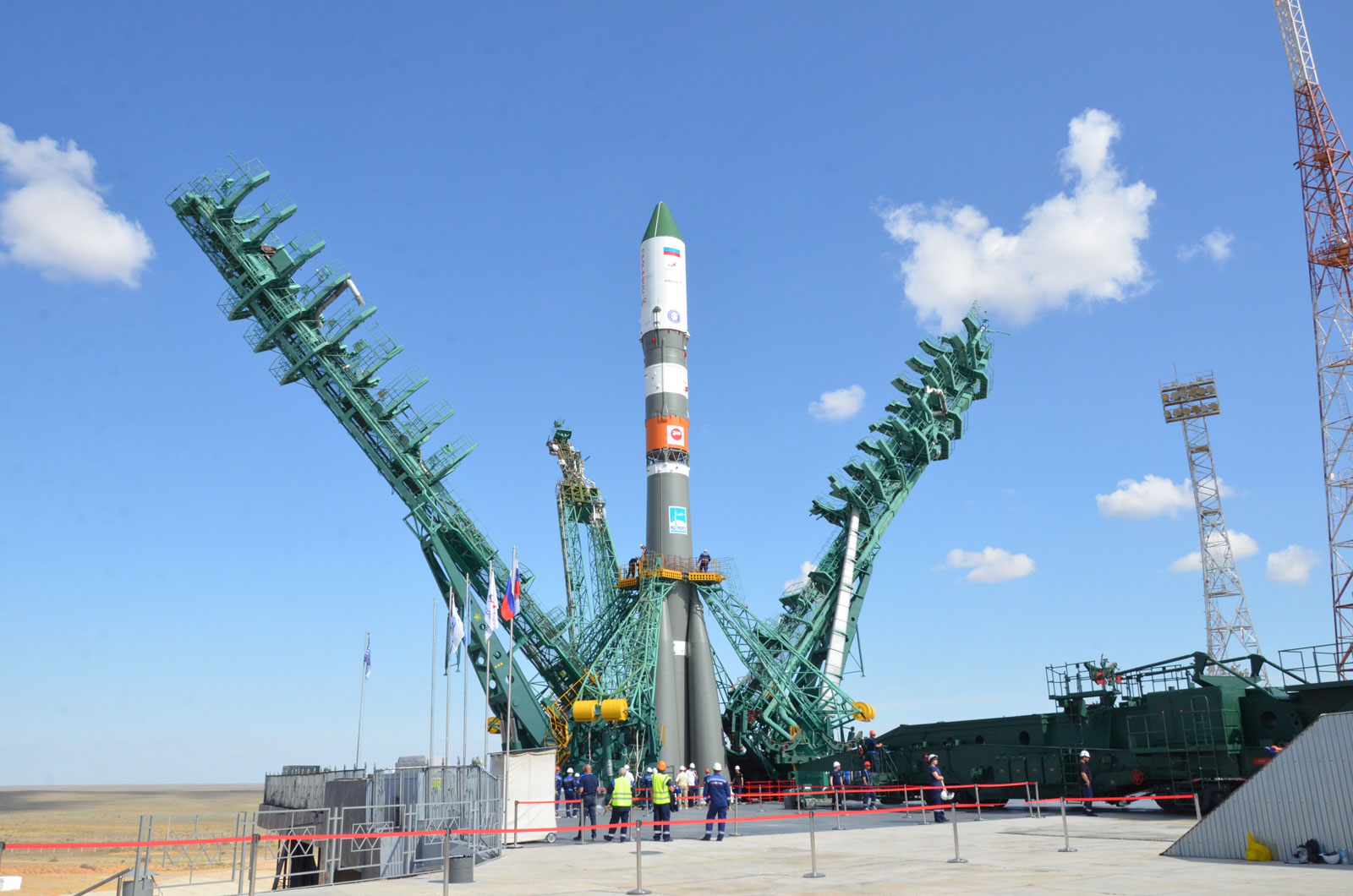
Pentagon increases Golden Dome missile defense budget by $10B to $185B, funding HBTSS hypersonic tracking constellation expansion. Three acceleration priorities announced.

ULA launches the final Atlas 5 551 configuration—its heaviest variant with 5 solid boosters—carrying Amazon's Project Kuiper satellite to low Earth orbit from Cape Canaveral.
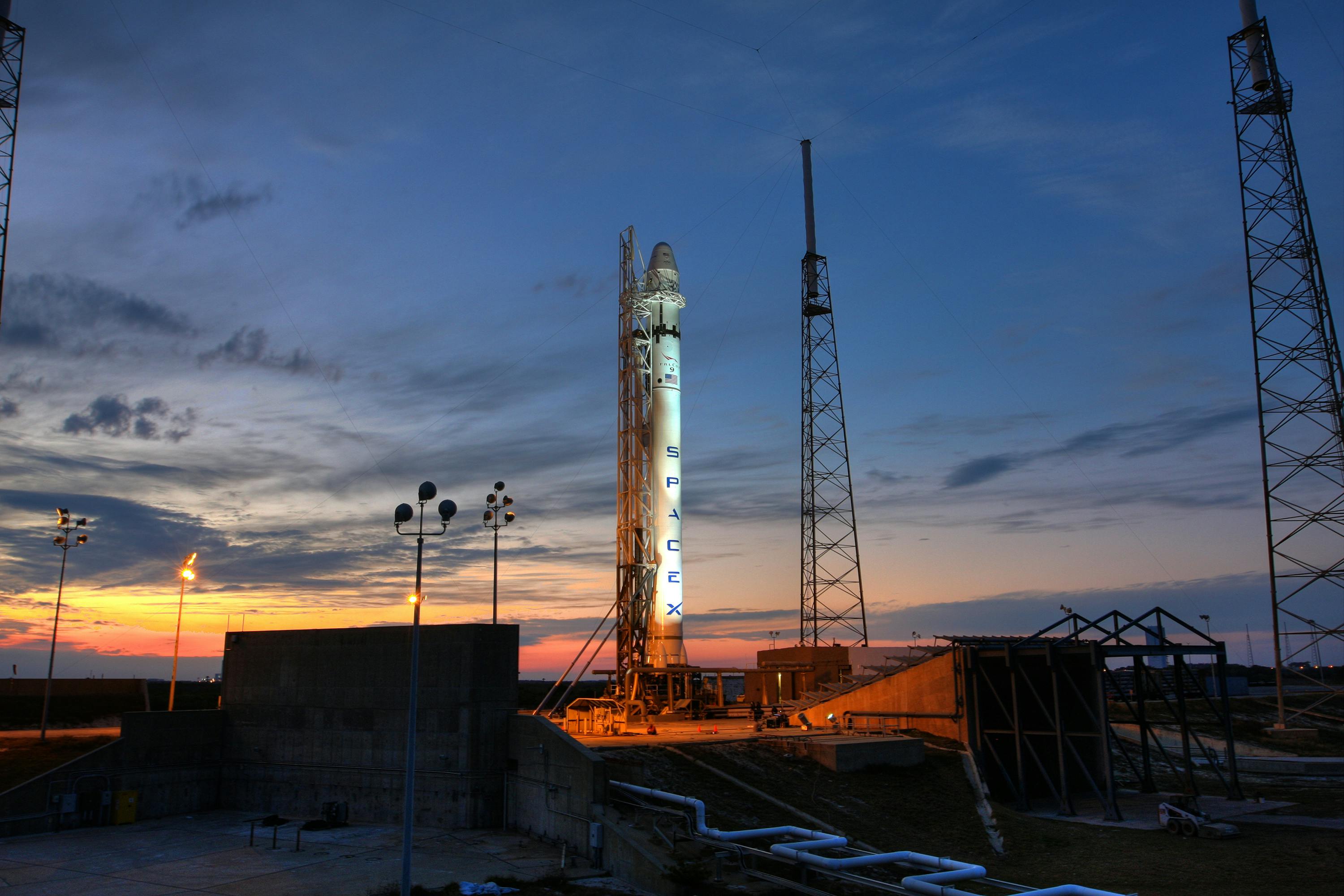
SpaceX successfully launched 28 Starlink satellites, marking a significant milestone with its 500th orbital mission. Both launches underscore the company's commitment to expanding its satellite internet constellation and solidifying its position in the space industry.
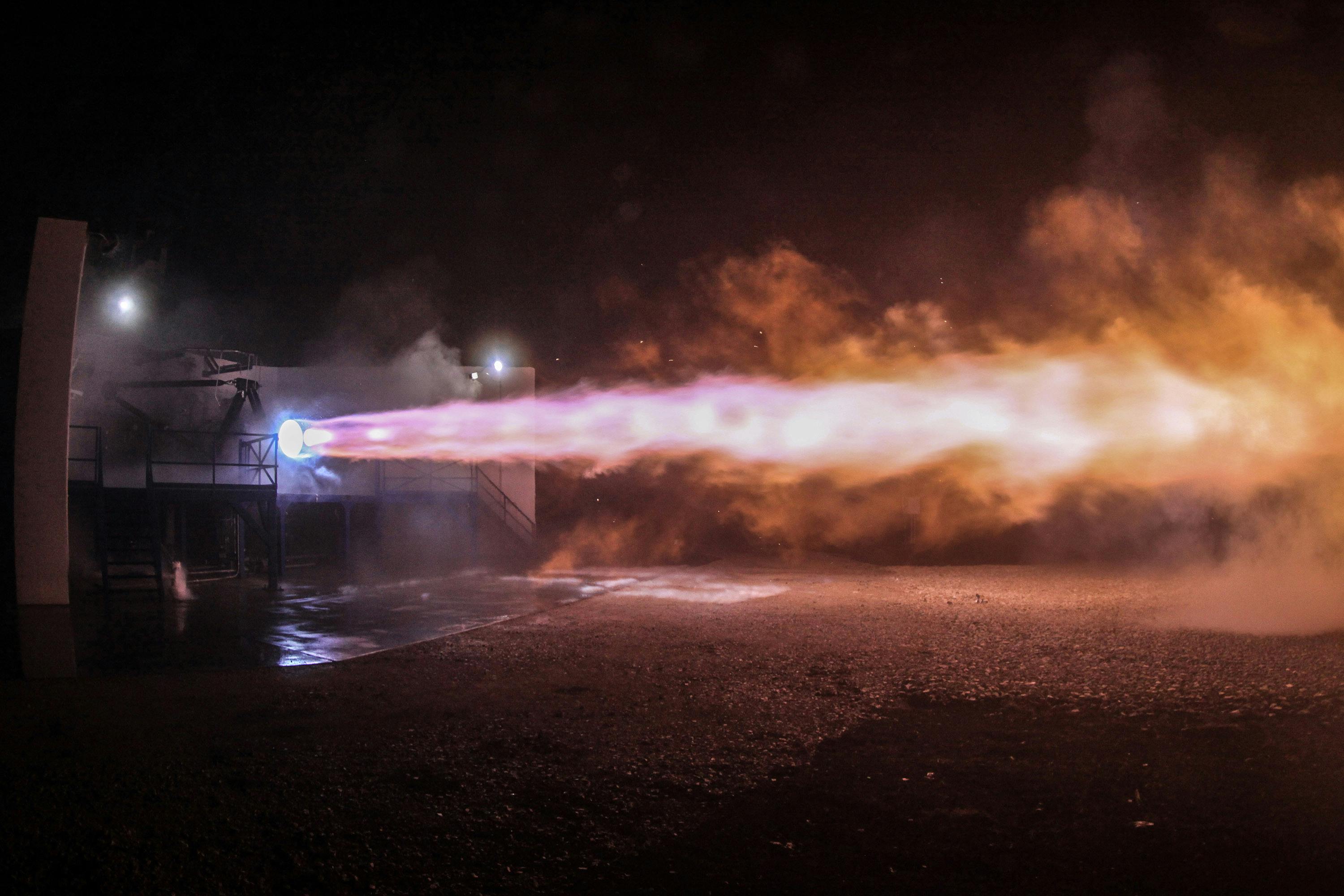
SpaceX prepares for another Starlink launch today, following a successful deployment over the weekend from Florida's Space Coast.
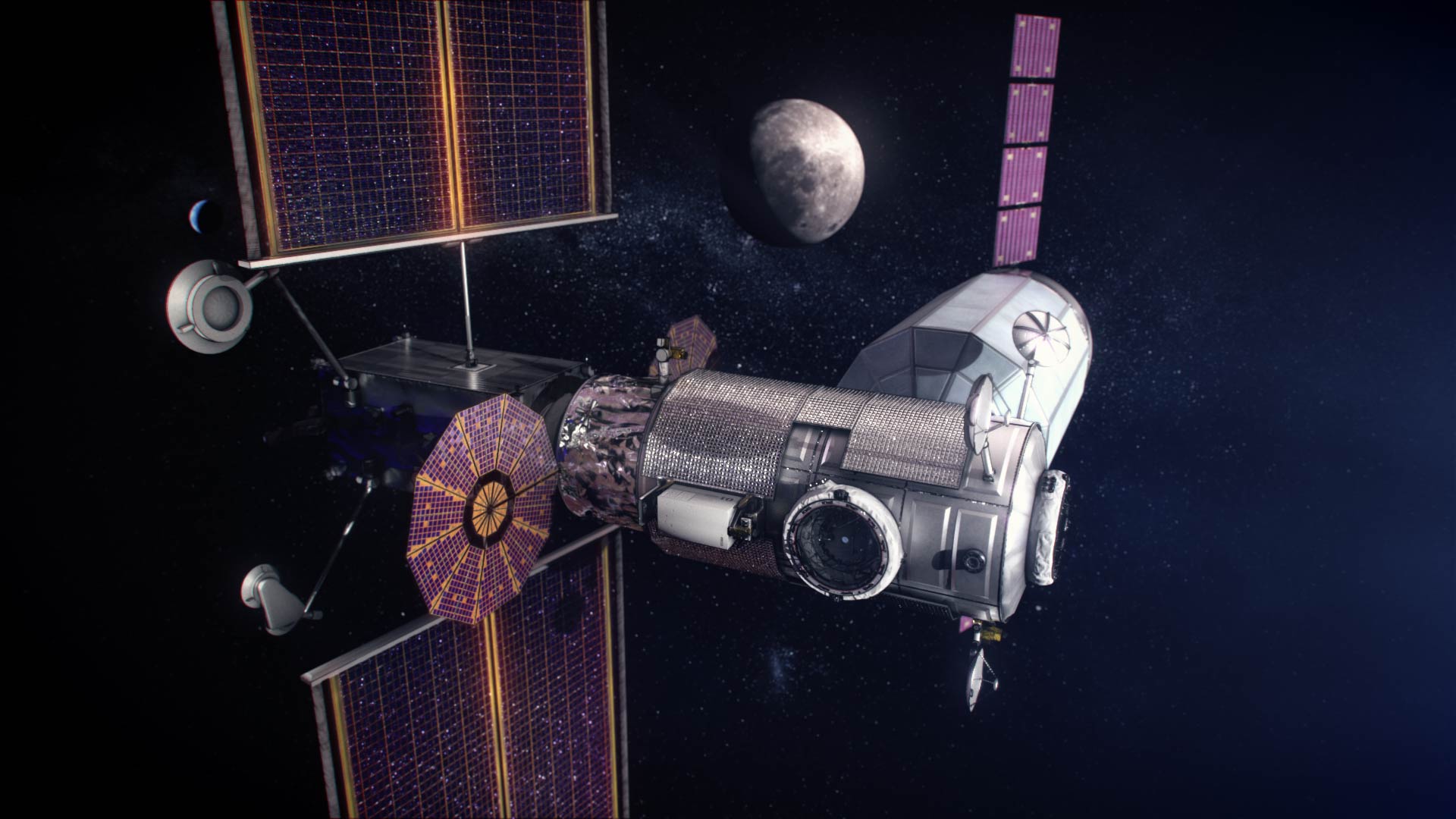
The volume of space between Earth and the Moon is roughly a thousand times larger than the orbit we actually watch, and almost none of it is under surveillance. As the U.S. and China race to build lunar outposts, the Space Force is scrambling to put eyes on a region it has been effectively blind to.

SpaceX bids farewell to LZ-1 while continuing its mission towards advancements in satellite technology and the ongoing Starlink project.