COSMOS 1705 DEB (16356)

COSPAR: 1985-111G | Alt Name: KDU part
DECAYED

Image
COSMOS 1705 DEB Satellite Image
Additional Sources
Launch Details

Launch Date

December 3, 1985

Launch Site

PLMSC

Launch Pad

LC16/2

Launch Vehicle

Soyuz-U

Orbital Elements

NORAD ID

16356

International Designator

1985-111G

Decay Date

4/4/1986

Basic Satellite Info

Name

COSMOS 1705 DEB

Alternative Name

KDU part

Type

Debris

Status

Space Junk

Owner

GUKOS

Country

USSR

Constellation

N/A

Related Satellites

Major Events

N/A

Summary
Space debris, also known as space junk, encompasses all non-functional objects orbiting Earth such as defunct satellites, spent rocket stages, and fragments from collisions or disintegrations. Over time, this debris can accumulate and create an increasingly hazardous environment in orbit. Even tiny fragments, traveling at extremely high velocities, can inflict significant damage on operational satellites and spacecraft. If left unmanaged, the density of debris raises the risk of catastrophic collisions and further fragmentation, compounding the problem and threatening the safety and sustainability of space activities.
Physical Characteristics

Length

0

Diameter

0

Span

0

Dry Mass

0

Launch Mass

0

Shape

N/A

Radar Cross Section

0.41

Visual Magnitude

Unknown

Color

Unknown

Material Composition

Unknown

Technical Details

Payload

KDU part

Purpose

Unknown

Mission

Unknown

Manufacturer

TSSKB

Life Expectancy

Unknown

Bus

Zenit deb

Configuration

Unknown

Motor

Unknown

Equipment

Unknown

Power System

Unknown

ADCS

Unknown

Transmitter Frequency

Unknown

Satellite Articles

View All Posts »

Learn more about satellites and other related topics.

Space Brief 9 Sep 2025

Space Brief 9 Sep 2025

Explore the latest advancements in satellite technology, military satellite applications, and collaborative efforts in hypersonic vehicle tracking. Discover the transformative power of new deals shaping global communication networks.

X Report 12 Nov 2024

X Report 12 Nov 2024

SpaceX prepares for a monumental sixth Starship test flight while achieving a historic Falcon 9 booster landing. Meanwhile, a Starlink satellite lights up the night sky as it reenters Earth's atmosphere.

Space Force Kills Resilient GPS Program, China Tests Reusable Long March 12B | KeepTrack Space Brief

Space Force Kills Resilient GPS Program, China Tests Reusable Long March 12B | KeepTrack Space Brief

Space Force terminates Resilient GPS satellite program. China successfully tests Long March 12B reusable first stage at Jiuquan. GE and Lockheed validate detonation ramjet for hypersonic missiles.

Space Brief 3 Jun 2025

Space Brief 3 Jun 2025

Today's highlights include China's remote-sensing satellite launch, U.S. Space Force's investment in missile-tracking satellites, and NASA's MAVEN milestone on Mars.

SDA Awards $3.5B Tracking Layer Contracts to Lockheed, Rocket Lab | KeepTrack Space Brief

SDA Awards $3.5B Tracking Layer Contracts to Lockheed, Rocket Lab | KeepTrack Space Brief

SDA awards $3.5B in contracts for 72 Tracking Layer satellites to Lockheed Martin and Rocket Lab. Terran Orbital selected for satellite bus production. Israel eyes 2026 defense growth.

Space Force Forecasts 25 Extra Heavy-Lift Missions Through 2029 | KeepTrack Space Brief

Space Force Forecasts 25 Extra Heavy-Lift Missions Through 2029 | KeepTrack Space Brief

Space Force projects 25 additional high-energy missions in 2027–2029 window, straining capacity at Vulcan and Falcon Heavy. Capacity constraints will drive military-NASA prioritization debates.

The Day We Banned the Word "Film"

The Day We Banned the Word "Film"

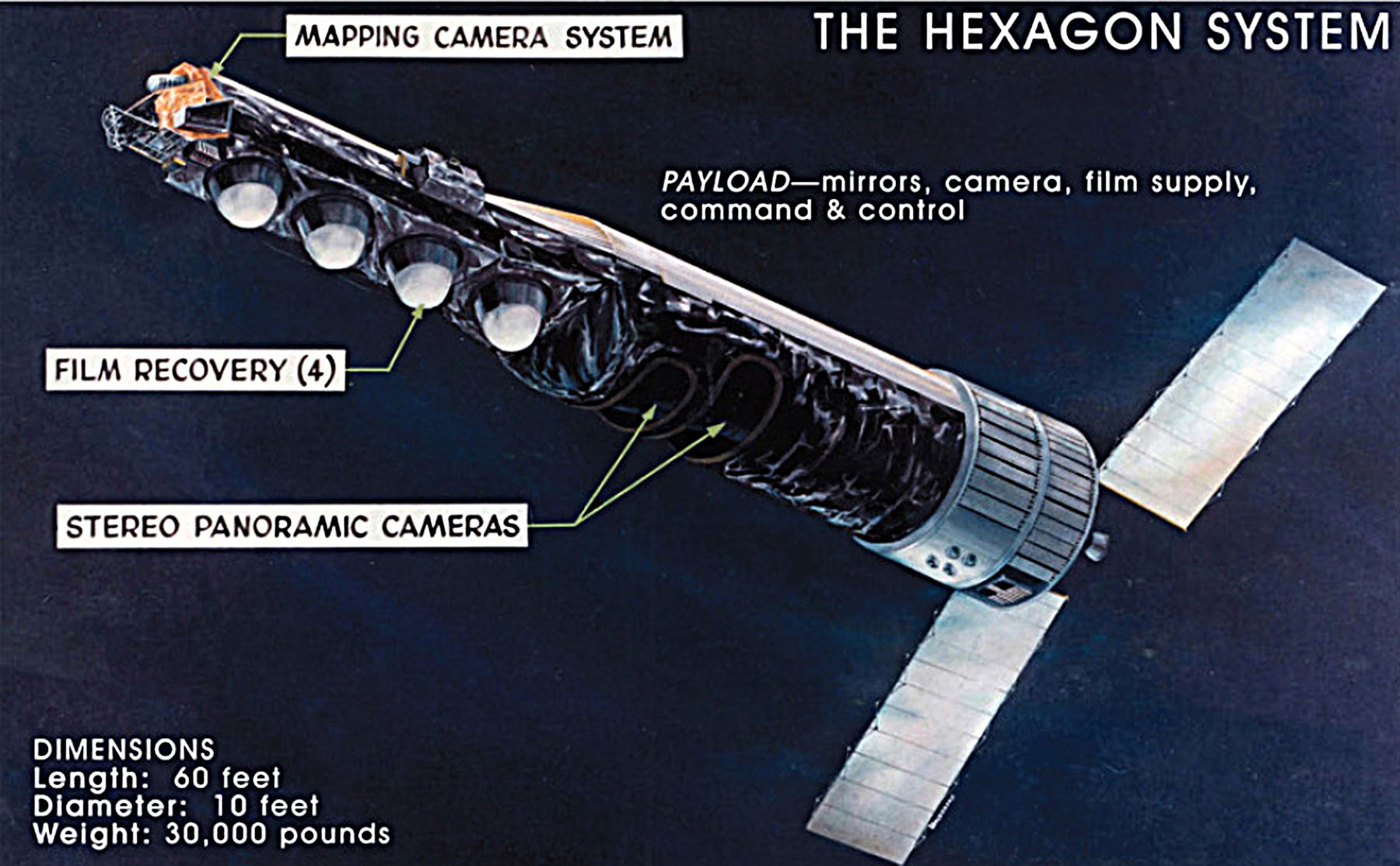
On January 20, 1972, the second KH-9 HEXAGON lifted off from Vandenberg - carrying the most sophisticated reconnaissance system ever built by engineers who weren't allowed to say 'film,' 'camera,' or even talk to each other about what they were doing.

Starlink Satellite Count Hits 10,191, X Report 14 Apr 2026

Starlink Satellite Count Hits 10,191, X Report 14 Apr 2026

Starlink satellite count April 2026: 10,191 working of 10,209 in orbit. SpaceX flew its 1,000th Starlink of 2026 on April 14, adding 29 more sats.