


Space Brief 23 Oct 2024
Today's brief shines a light on surging space debris due to a new satellite breakup, SpaceX's continuous Starlink expansions, and notable legal support for Elon Musk's launch endeavors.


![SATCOM K2 R/B [PAM-D2] Satellite Image](/images/sat/rocket3.jpg)
Launch Date
November 27, 1985
Launch Site
Launch Pad
LC39A
Launch Vehicle
Space Shuttle
NORAD ID
16295
International Designator
1985-109H
Epoch
Thu, 02 Jul 2026 11:37:18 GMT
Apogee
Calculating...
Perigee
Calculating...
Inclination
26.75°
Right Ascension
358.89°
Eccentricity
Calculating...
Argument of Perigee
283.25°
Period
593.72 min
Mean Motion
2.43 rev/day
Latitude
Calculating...
Longitude
Calculating...
Altitude
Calculating...
Velocity
Calculating...
Name
SATCOM K2 R/B [PAM-D2]
Alternative Name
PAM-D2
Type
Status
Owner
AMC
Country
United States
Constellation
N/A
Related Satellites
Major Events
N/A
1 16295U 85109H 26183.48424738 .00000002 00000-0 46616-3 0 9994
2 16295 26.7514 358.8937 7121925 283.2526 11.9498 2.42538720276233
Source: Celestrak
Length
1.8
Diameter
1.6
Span
1.8
Dry Mass
230
Launch Mass
3635
Shape
Cyl + Cone
Radar Cross Section
3.481
Visual Magnitude
Unknown
Color
Unknown
Material Composition
Unknown
Payload
Star 63D
Purpose
Unknown
Mission
Unknown
Manufacturer
THKU
Life Expectancy
Unknown
Bus
Star 63
Configuration
Unknown
Motor
Unknown
Equipment
Unknown
Power System
Unknown
ADCS
Unknown
Transmitter Frequency
Unknown
Learn more about satellites and other related topics.
Today's brief shines a light on surging space debris due to a new satellite breakup, SpaceX's continuous Starlink expansions, and notable legal support for Elon Musk's launch endeavors.
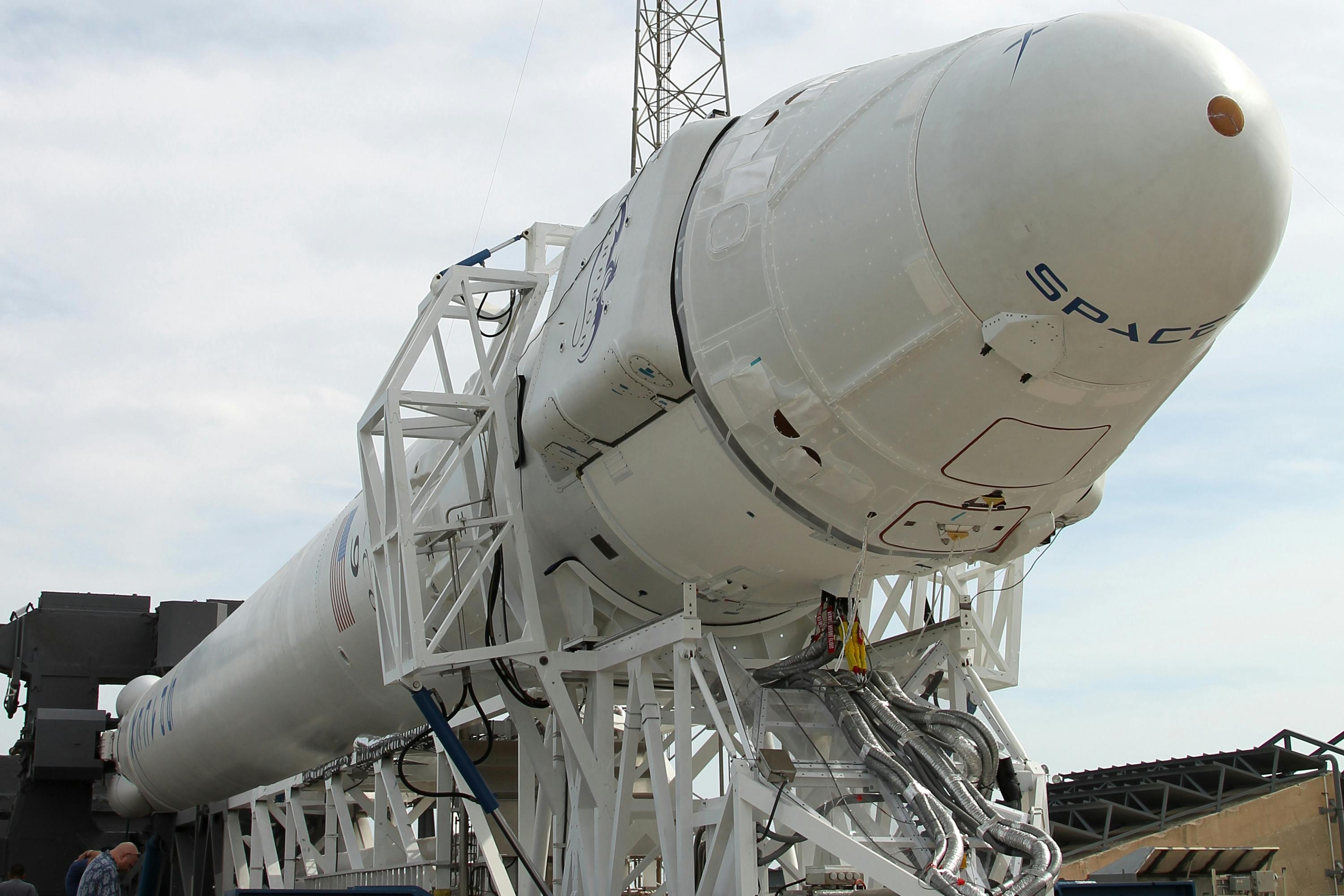
SpaceX launches more Starlink satellites as Starship prepares for full stack testing, amidst Musk's new governmental role.
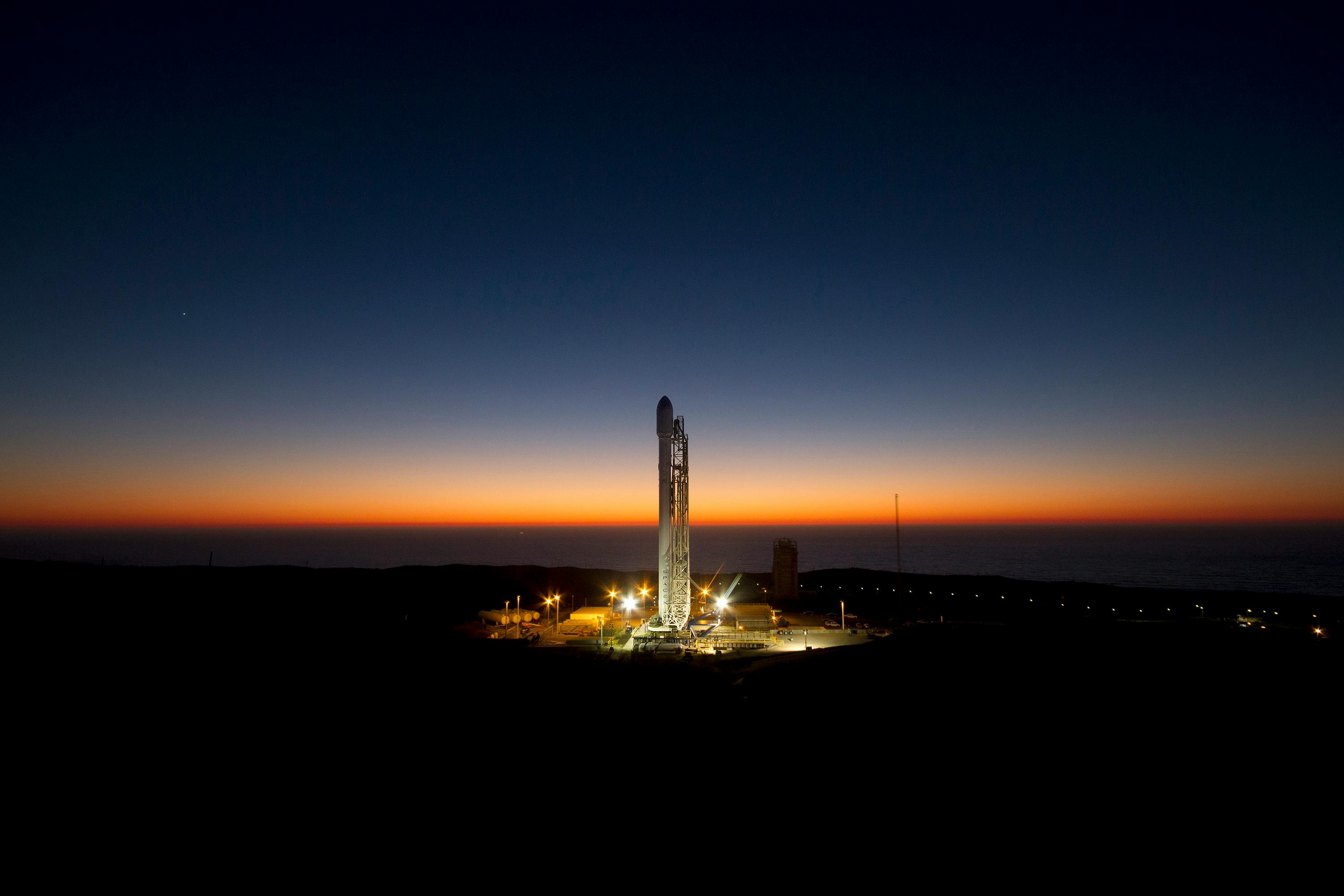
NASA adds crew missions to SpaceX's contract as Boeing Starliner certification stalls, while Falcon 9 hits its 60th orbital launch of 2026.

Starship Flight 7 scheduled for Jan 13, SpaceX sets Falcon 9 record, and NRO expands spy satellite constellation.
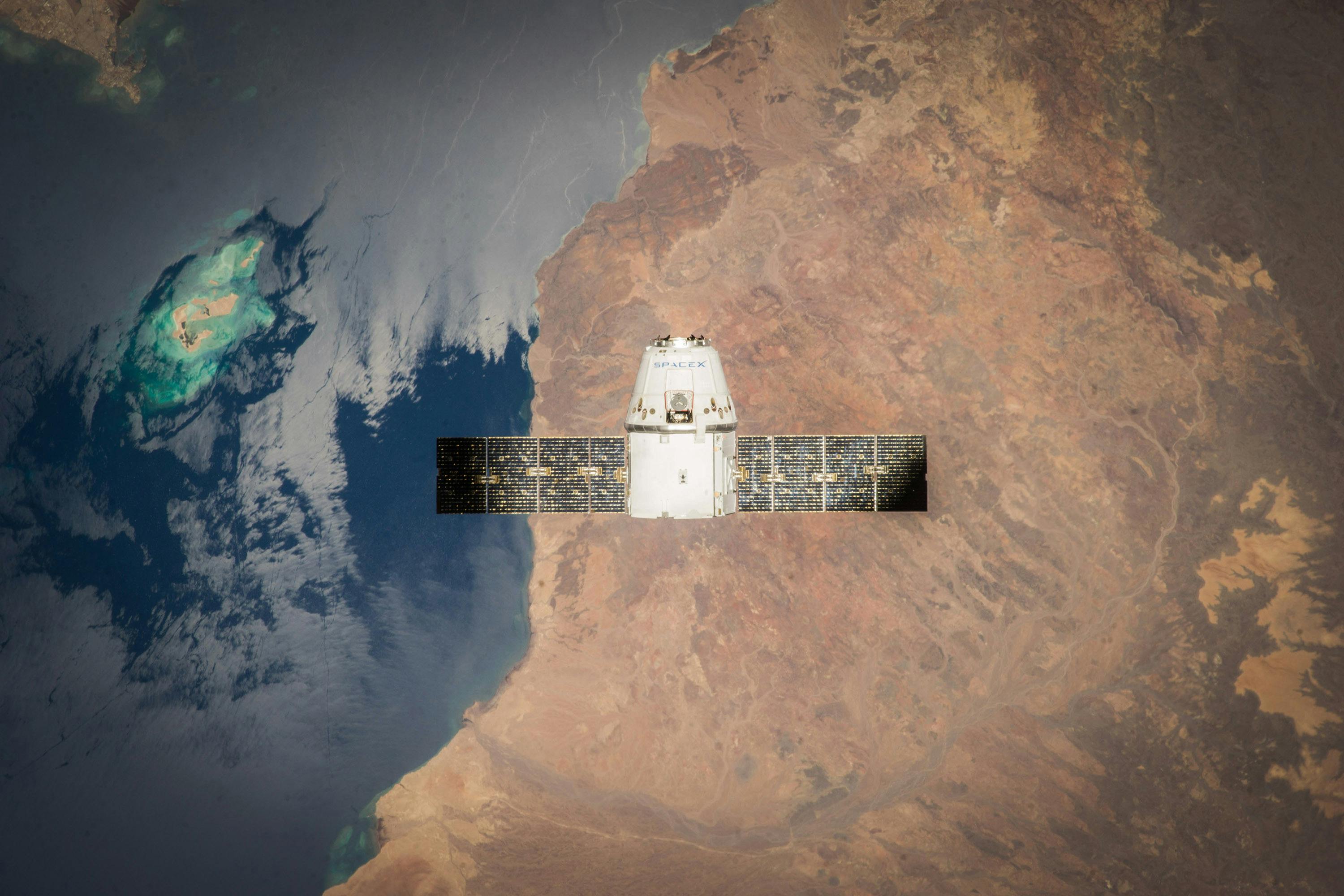
Wall Street analyst Dan Ives predicts a Tesla-SpaceX merger by 2027, while a quantum magnetometer launches March 30 on Falcon 9 rideshare.
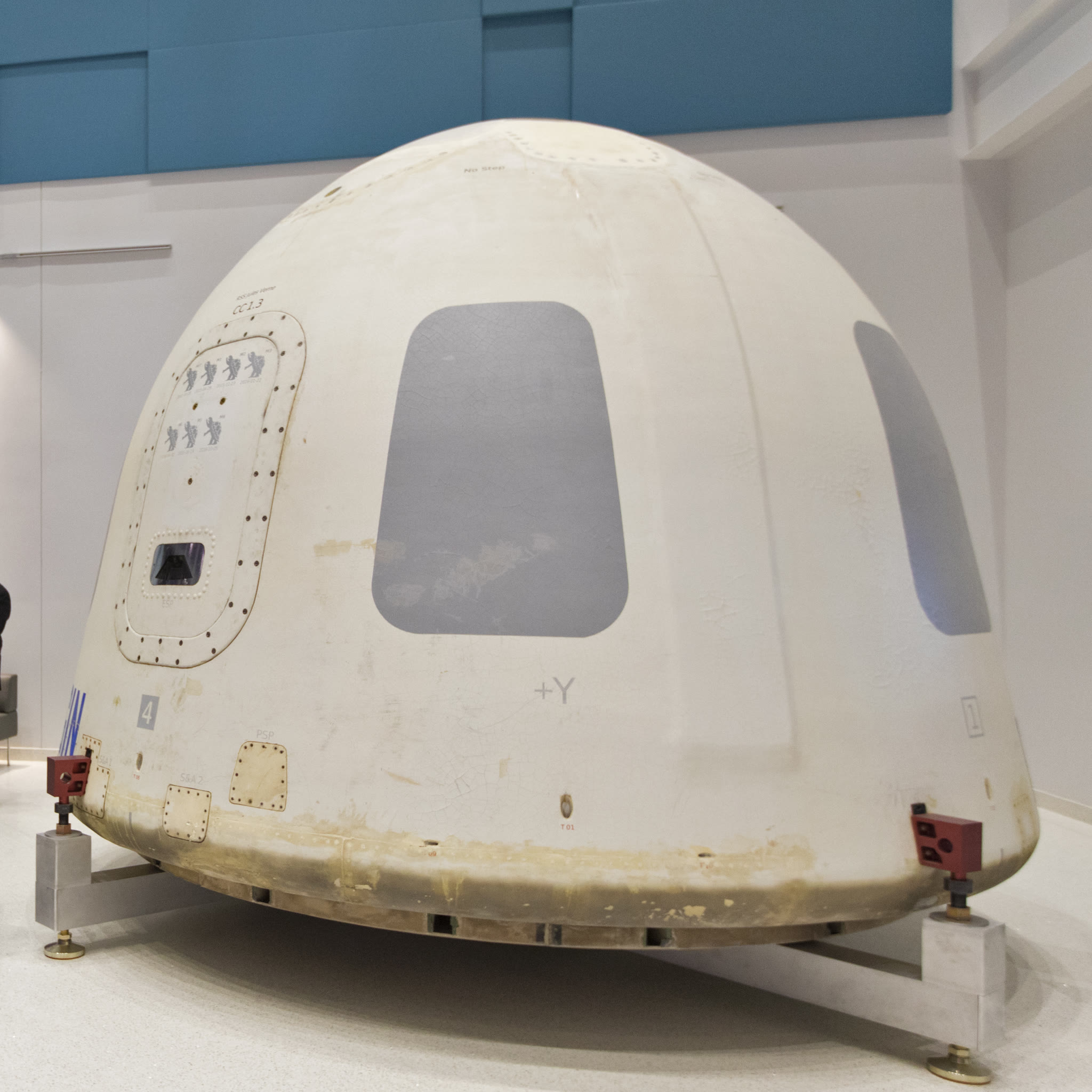
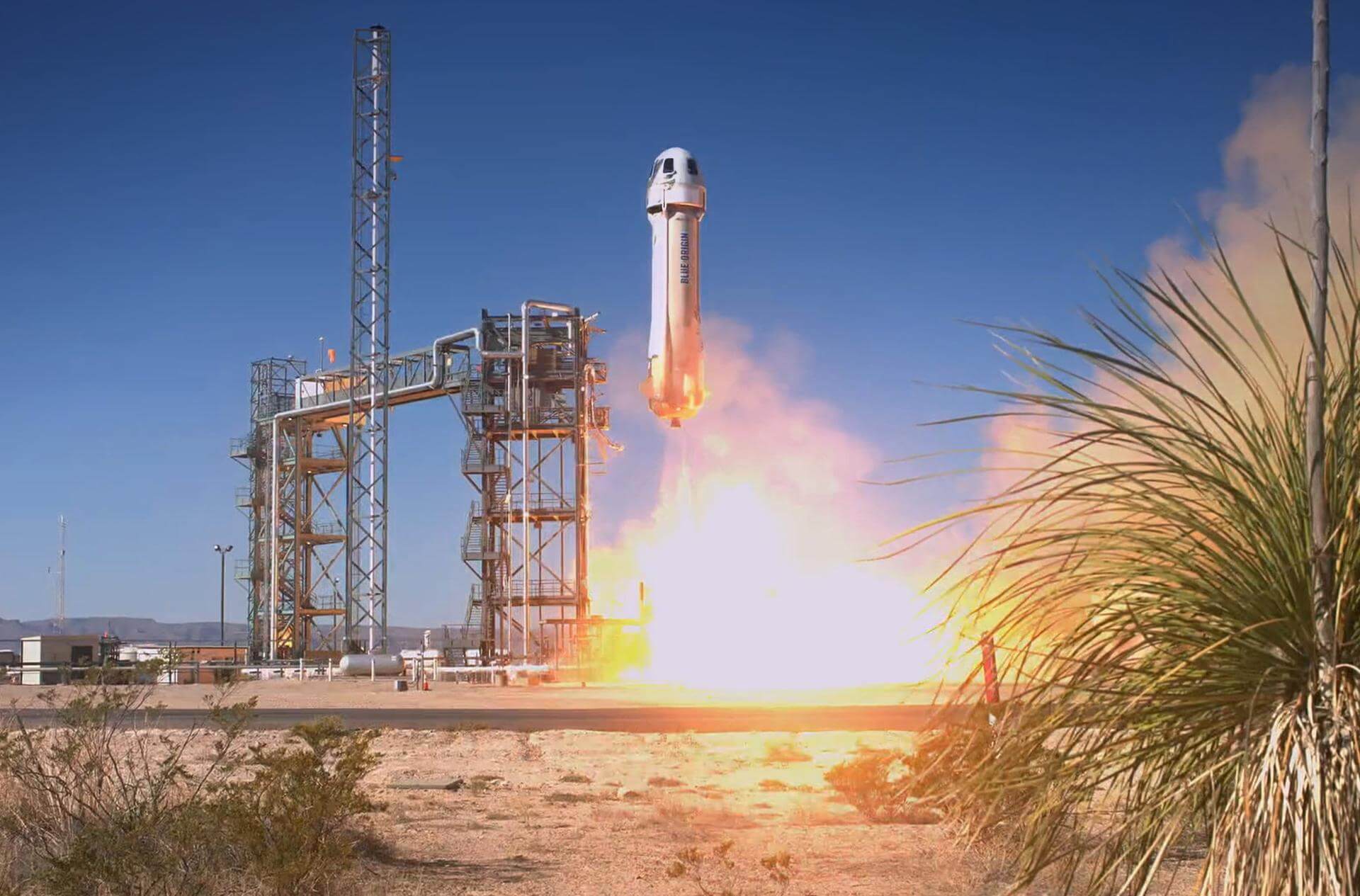
Twenty-two years after SpaceShipOne, the two companies that defined suborbital tourism are both sitting on the ground. Blue Origin parked New Shepard in January, Virgin Galactic has not flown a customer since 2024, and the math behind the whole business is finally getting an honest look.
Rocket Lab to acquire Iridium's 66-satellite LEO constellation for end-to-end vertical integration. Deal includes spacecraft manufacturing, launch, and on-orbit operations control.
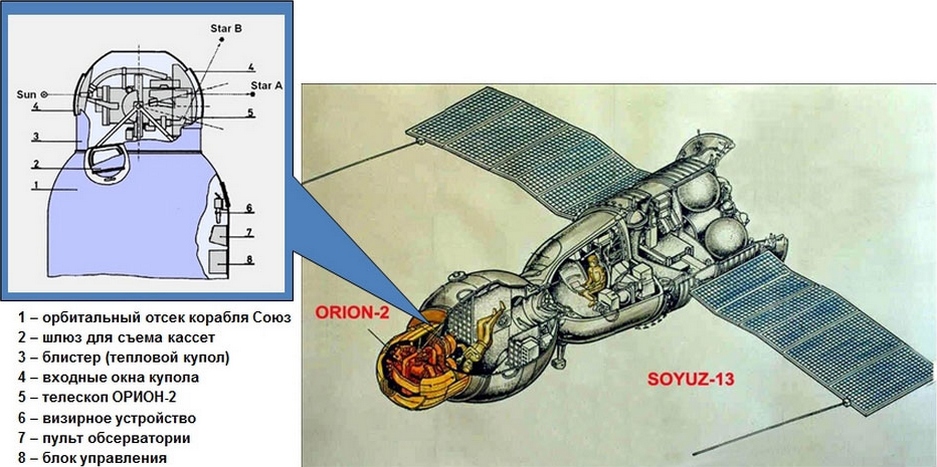
Exactly 52 years ago today, the Soviet Union launched Soyuz 13 - a scientific mission that marked the first time American astronauts and Soviet cosmonauts orbited Earth simultaneously. Armed with a revolutionary ultraviolet telescope, Pyotr Klimuk and Valentin Lebedev would discover elements never before seen in distant nebulae.