COSMOS 1703 (16262)

COSPAR: 1985-108A | Alt Name: Kosmos-1703

Image
COSMOS 1703 Satellite Image
Additional Sources
Launch Details

Launch Date

November 22, 1985

Launch Site

PLMSC

Launch Pad

LC32/2

Launch Vehicle

Tsiklon-3

Orbital Elements

NORAD ID

16262

International Designator

1985-108A

Epoch

Sat, 04 Jul 2026 06:55:39 GMT

Apogee

Calculating...

Perigee

Calculating...

Inclination

82.45°

Right Ascension

199.03°

Eccentricity

Calculating...

Argument of Perigee

272.37°

Period

92.55 min

Mean Motion

15.56 rev/day

Latitude

Calculating...

Longitude

Calculating...

Altitude

Calculating...

Velocity

Calculating...

Polar Plot
3D Visualization
Basic Satellite Info

Name

COSMOS 1703

Alternative Name

Kosmos-1703

Type

Payload

Status

Unknown

Owner

GRU

Country

USSR

Constellation

N/A

Related Satellites

Major Events

N/A

Latest TLEs
1 16262U 85108A   26185.28864854  .00035713  00000-0  51325-3 0  9994
2 16262  82.4548 199.0281 0002336 272.3702  87.7284 15.55918275220128

Source: Celestrak

Summary
COSMOS 1703 (also known as Kosmos-1703) is a Tselina-D satellite launched by the Soviet Union on November 22, 1985, from the Plesetsk Cosmodrome using a Tsiklon-3 launch vehicle. The spacecraft has dimensions of 3.2 meters in length and 1.3 meters in diameter with an antenna span of 13.1 meters. It had a dry mass of 1750 kilograms and was launched at the same weight. The satellite's mission is SIGINT (Signal Intelligence) and it was designed for a lifetime of approximately six months. Its power source includes two deployable solar arrays and batteries. COSMOS 1703 was manufactured by YUZH and owned by GRU, with its payload being Ikar No. 44L. The satellite's shape is cylindrical with an antenna structure attached to it, and it has a radar cross-section (RCS) of 7.3663 square meters.
Physical Characteristics

Length

3.2

Diameter

1.3

Span

13.1

Dry Mass

1750

Launch Mass

1750

Shape

Cyl + Ant

Radar Cross Section

7.3663

Visual Magnitude

Unknown

Color

Unknown

Material Composition

Unknown

Technical Details

Payload

Ikar No. 44L

Purpose

SIGINT

Mission

SIGINT

Manufacturer

YUZH

Life Expectancy

6 months

Bus

Tselina-D

Configuration

Unknown

Motor

Unknown

Equipment

Unknown

Power System

2 deployable solar arrays, batteries

ADCS

Unknown

Transmitter Frequency

Unknown

Map
This tool will help you track the satellite's position and predict its upcoming passes over your location. Simply input the coordinates or click the geolocation button to get started.
Next Pass
Azimuth Elevation Time (Local)
Start Azimuth
Max Elevation
Stop Azimuth
Time Until
Pass Duration

Satellite Articles

View All Posts »

Learn more about satellites and other related topics.

Space Brief 31 Jan 2025

Space Brief 31 Jan 2025

Today's brief covers advancements in satellite technology initiatives by the U.S. Space Force, geopolitical implications in maritime domains, and Sweden's significant military aid package. Additionally, we spotlight a historical satellite with modern implications.
Australian Space Centre Cape York

Australian Space Centre Cape York

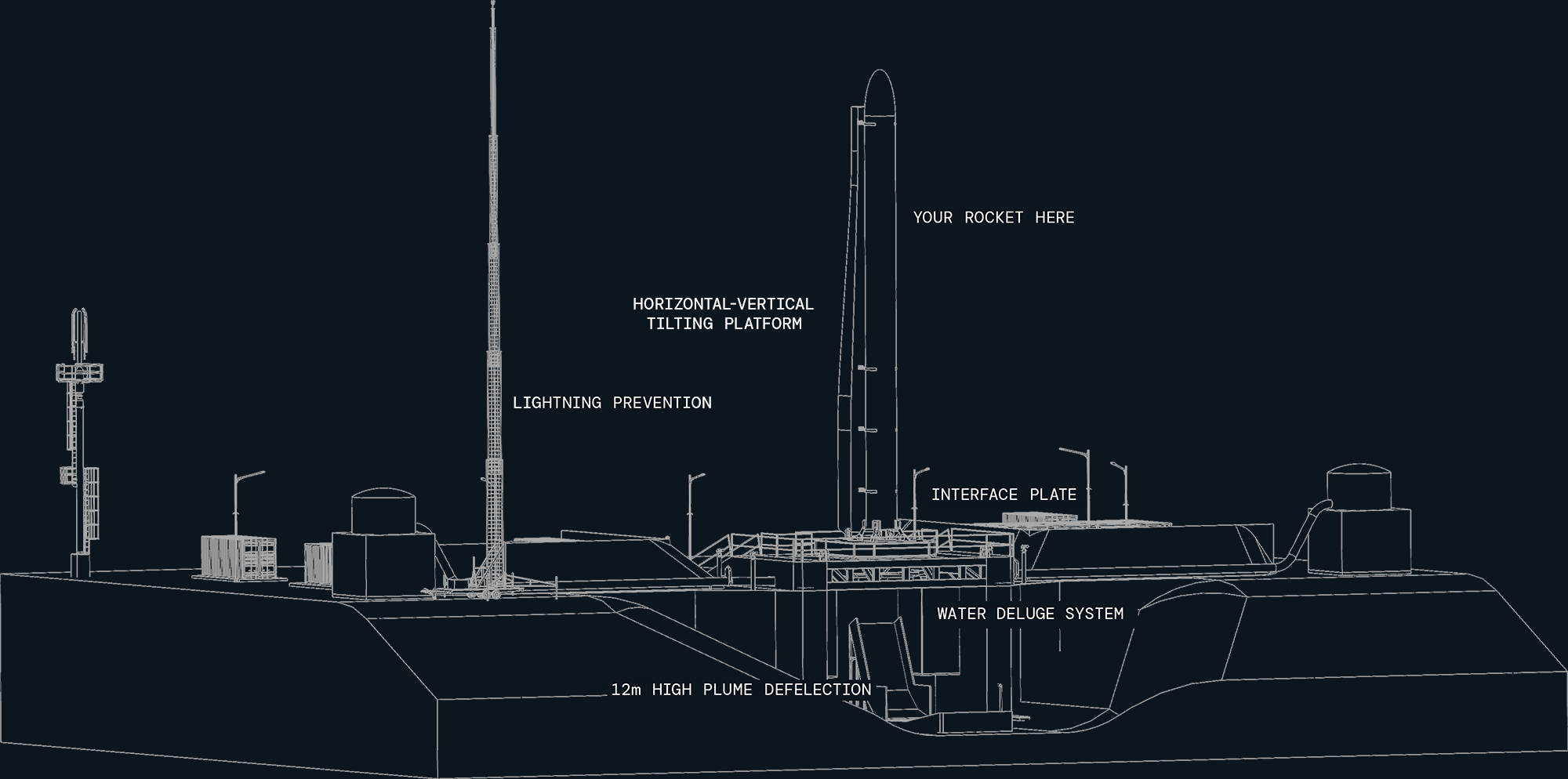
When your landlord won't sign the lease, you move. How Equatorial Launch Australia abandoned Arnhem Land and pivoted to Queensland - and what it means for Australia's equatorial launch ambitions.

X Report 25 May 2025

X Report 25 May 2025

SpaceX addresses the cause of its recent Starship Flight 8 explosion, while successfully launching 23 more Starlink satellites as it continues to expand its constellation.

Space Brief 17 Aug 2025

Space Brief 17 Aug 2025

Today's space news features major US Space Force satellite launches, regulatory changes supporting private space initiatives, and updates on SpaceX's Starship advances.

US Agency Will Not Reinstate $900 Mln Subsidy for SpaceX Starlink Unit

US Agency Will Not Reinstate $900 Mln Subsidy for SpaceX Starlink Unit

The U.S. Federal Communications Commission reaffirms its decision to deny SpaceX's Starlink unit $885.5 million in rural broadband subsidies, impacting the company's plans for expanding internet access.

X Report 7 Mar 2025

X Report 7 Mar 2025

Starship Flight 8 ends with mixed results as SpaceX successfully catches Super Heavy booster but loses the upper stage in a fiery breakup.

Vulcan Grounding Could Last Months, Space Force Weighs Alternatives | KeepTrack Space Brief

Vulcan Grounding Could Last Months, Space Force Weighs Alternatives | KeepTrack Space Brief

ULA's Vulcan Centaur faces potential months-long stand-down. Space Force actively exploring payload reassignment and satellite operational life extensions to cover critical national security missions.

The Dog They Never Planned to Bring Home

The Dog They Never Planned to Bring Home

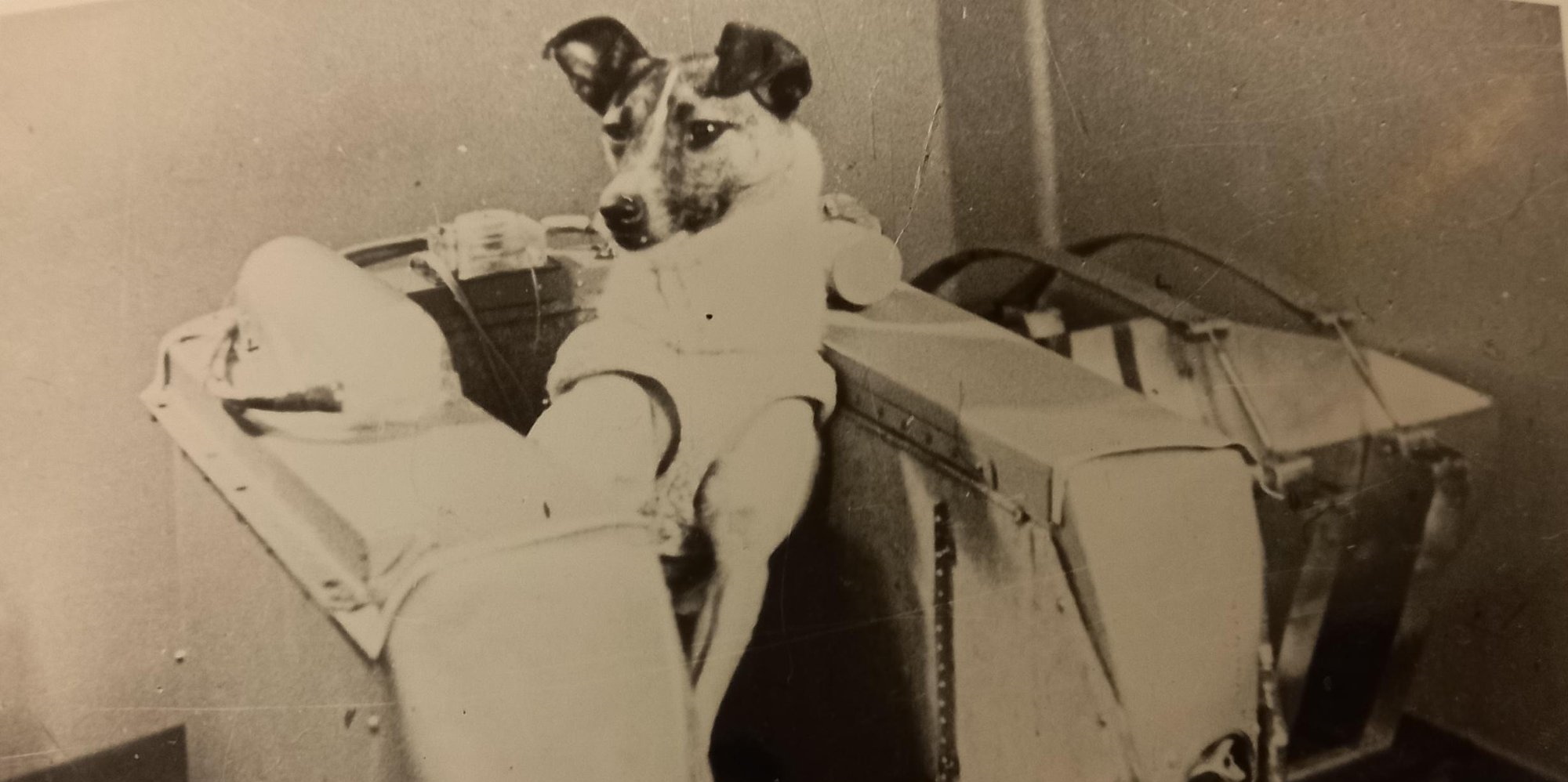
On April 14, 1958, Sputnik 2 burned up over the North Atlantic, carrying the remains of a stray dog from Moscow who had been dead for five months. The Soviet Union told the world she survived for days. It took forty-five years for the truth to come out.