


Artemis 2 Crew Returns After 50-Year Lunar Milestone | KeepTrack Space Brief
Artemis 2 splashdown marks first crewed lunar flyby since Apollo 17 in 1972. Four astronauts completed historic mission, validating systems for Artemis 3 landing attempt.


Launch Date
October 30, 1985
Launch Site
Launch Pad
LC39A
Launch Vehicle
Space Shuttle
NORAD ID
16231
International Designator
1985-104B
Decay Date
12/26/1986
Name
GLOMR
Alternative Name
GLOMR
Type
Status
Owner
DARPA/USNESC
Country
United States
Constellation
N/A
Related Satellites
Major Events
N/A
Length
0.4
Diameter
0.4
Span
0.4
Dry Mass
68
Launch Mass
68
Shape
Poly
Radar Cross Section
0.41
Visual Magnitude
Unknown
Color
Unknown
Material Composition
Unknown
Payload
GLOMR
Purpose
Experimental communication
Mission
Experimental communication
Manufacturer
DSI
Life Expectancy
14 months
Bus
GLOMR
Configuration
GLOMR Bus (62-sided polyhedron, unstabilized, body mounted solar cells)
Motor
None
Equipment
2 UHF transponders digital store and forward communications system
Power System
Solar cells, batteries
ADCS
Unknown
Transmitter Frequency
Unknown
Learn more about satellites and other related topics.
Artemis 2 splashdown marks first crewed lunar flyby since Apollo 17 in 1972. Four astronauts completed historic mission, validating systems for Artemis 3 landing attempt.

SpaceX launched 25 more Starlink satellites from Vandenberg SFB on March 8, 2026, pushing the active constellation toward 9,914 working spacecraft.
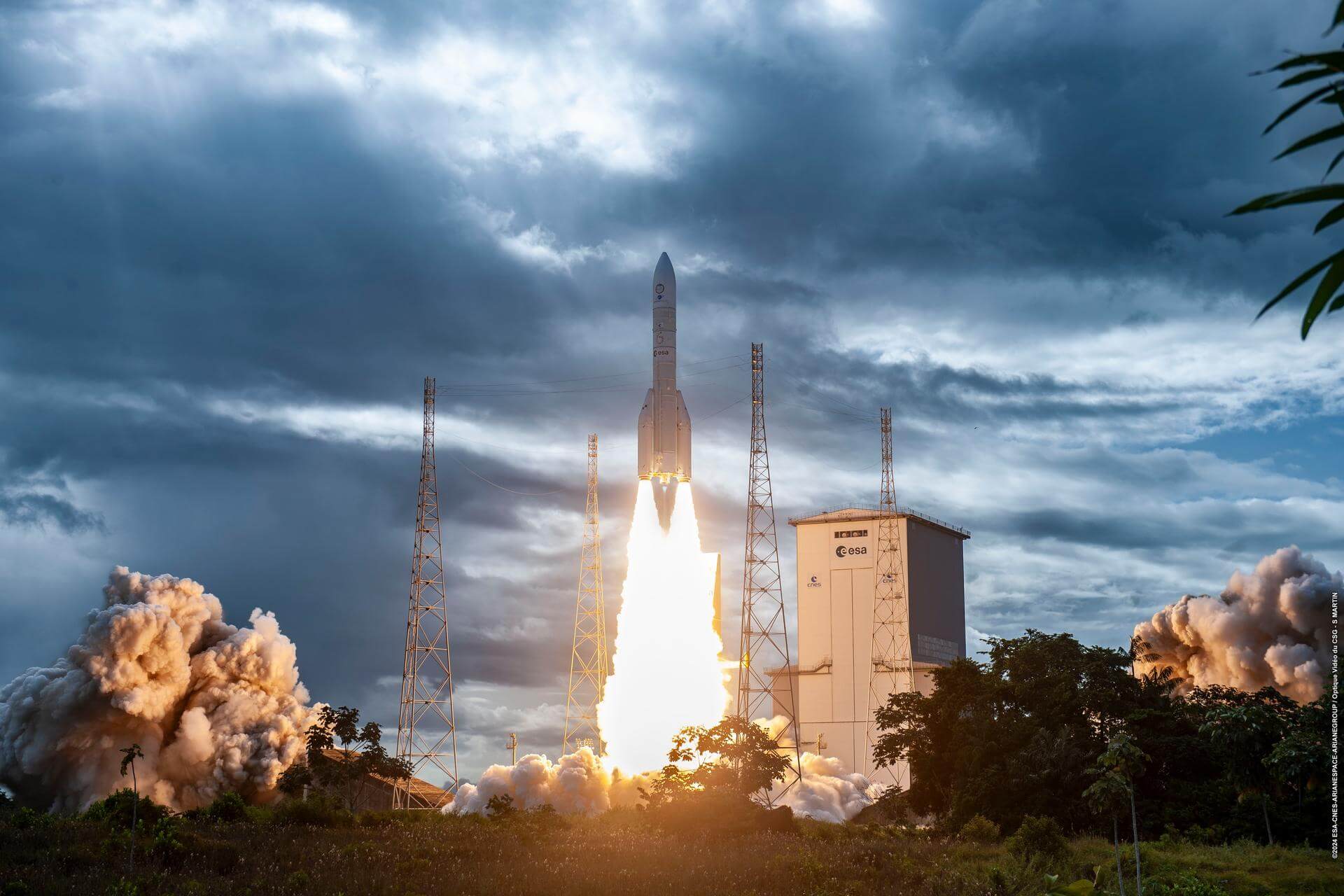
Today's space highlights include the US Space Force's advanced tracking contract, a milestone in SpaceX's Starlink program, and a new initiative to remove space debris.

SpaceX delivered 3 Block 2 BlueBird satellites for AST SpaceMobile from Pad 40, advancing direct-to-cell broadband with 10,650 Starlink craft now active.
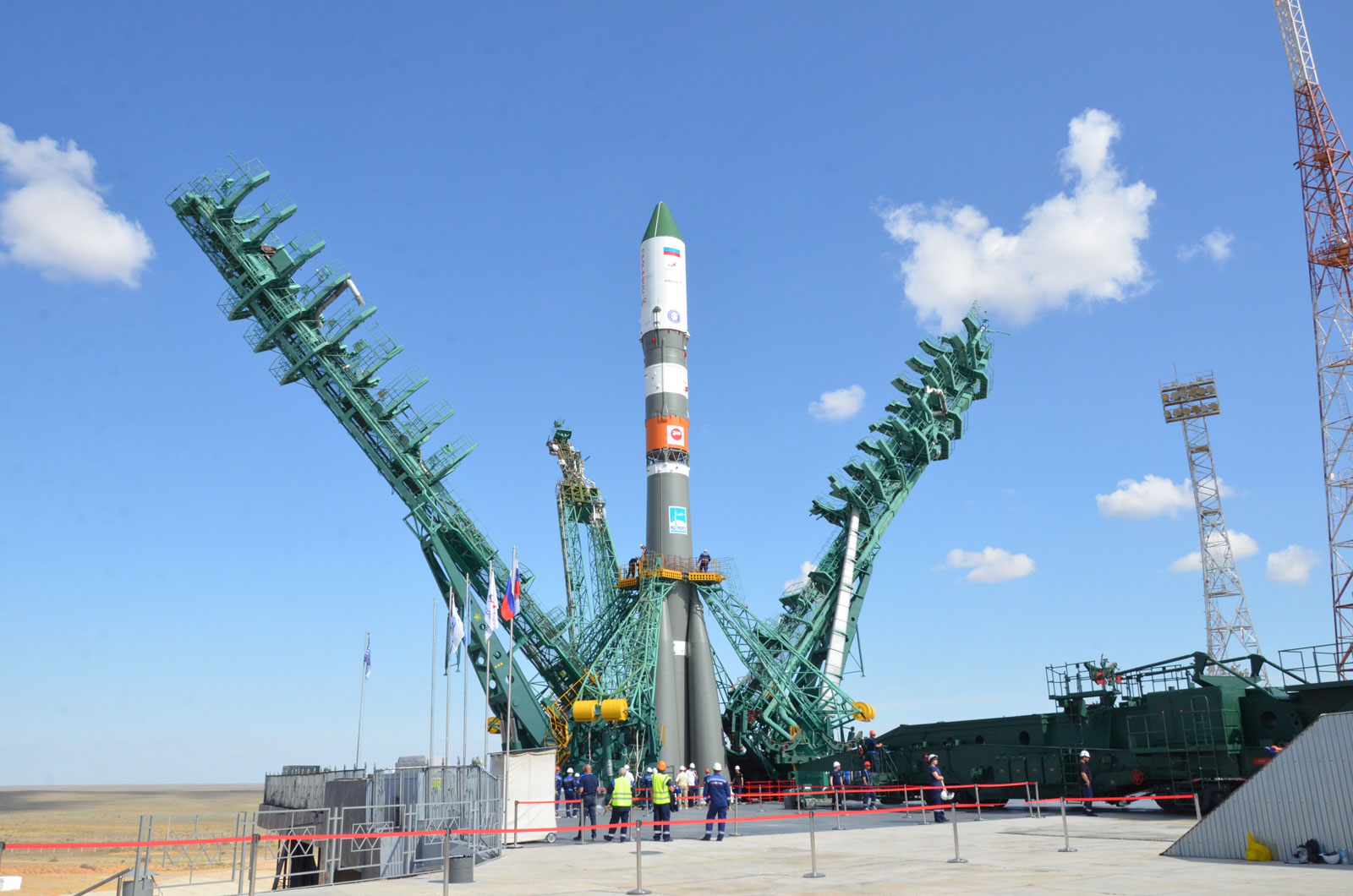
Today's highlights include the debut of a new Chinese rocket, a successful Starlink launch, and concerns about Artemis 3. We also cover DoD developments and a notable SpaceX milestone.
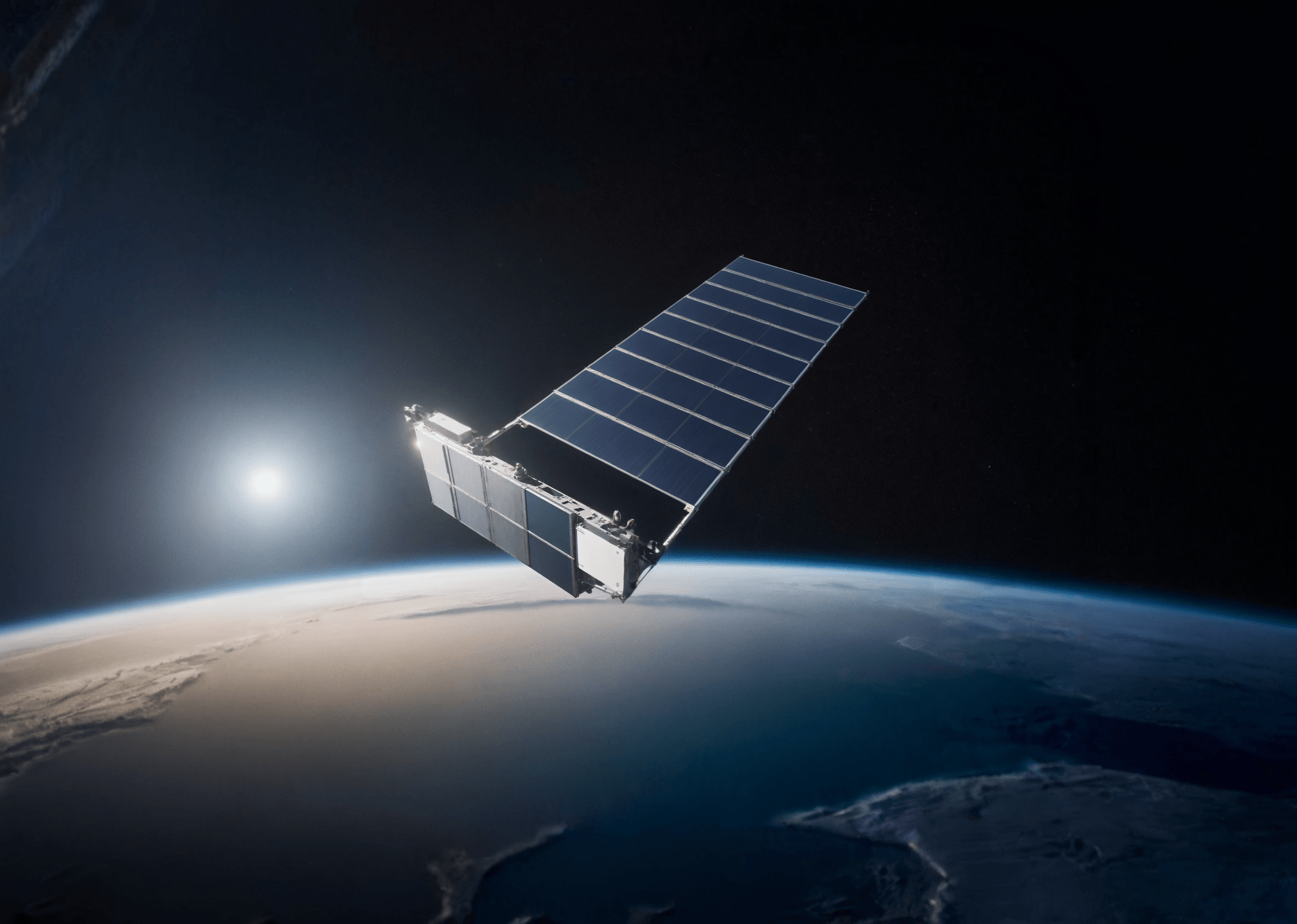
As of March 2024, SpaceX's Starlink has made remarkable strides in its quest to provide global broadband internet access. With an astounding number of satellites already in orbit and ambitious plans for expansion, Starlink is on track to dominate Earth's orbit in the coming years.

SpaceX marks a significant milestone with its Bandwagon-3 mission, while Ukraine explores Starlink alternatives.
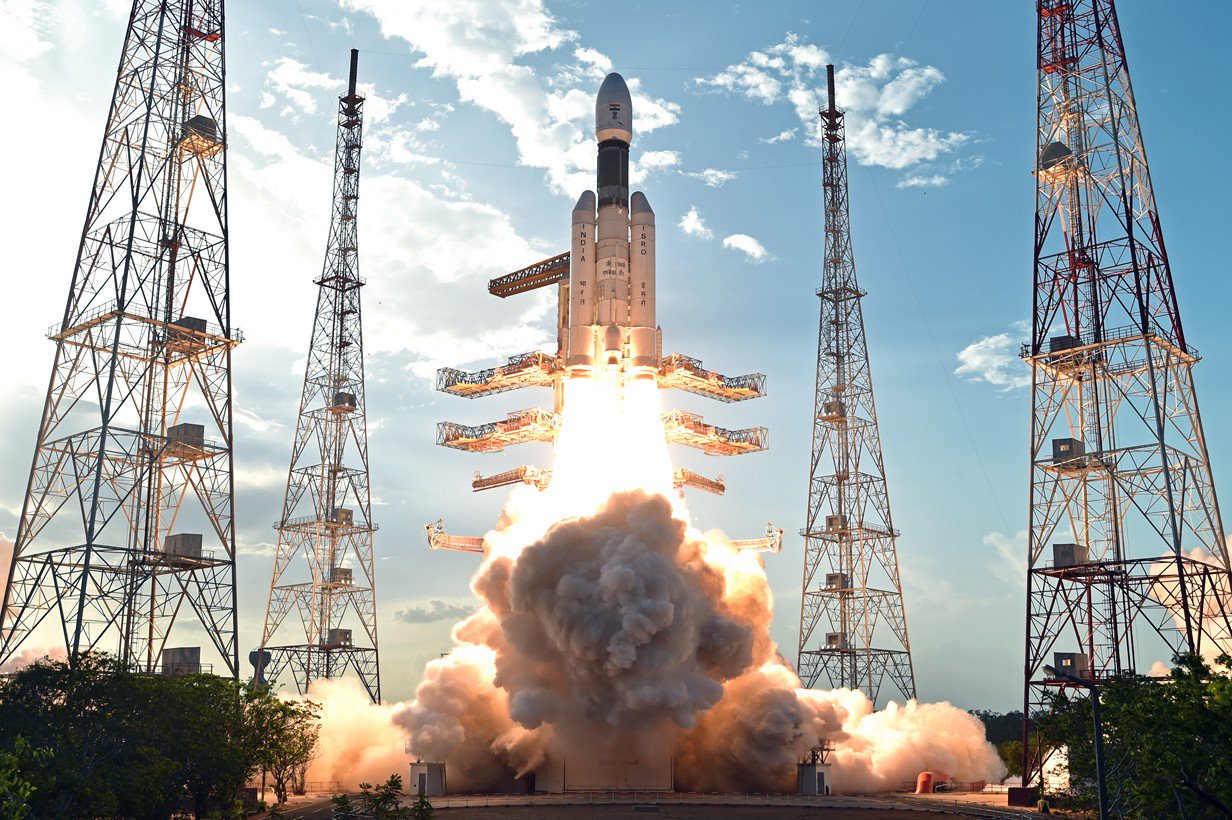
Today's brief covers significant growth forecasts for global defense satellite communications, the integration of hypersonic missiles, cyber authority expansion in the Army, and more pivotal military developments.